

 English
 عربى
عربى
Content
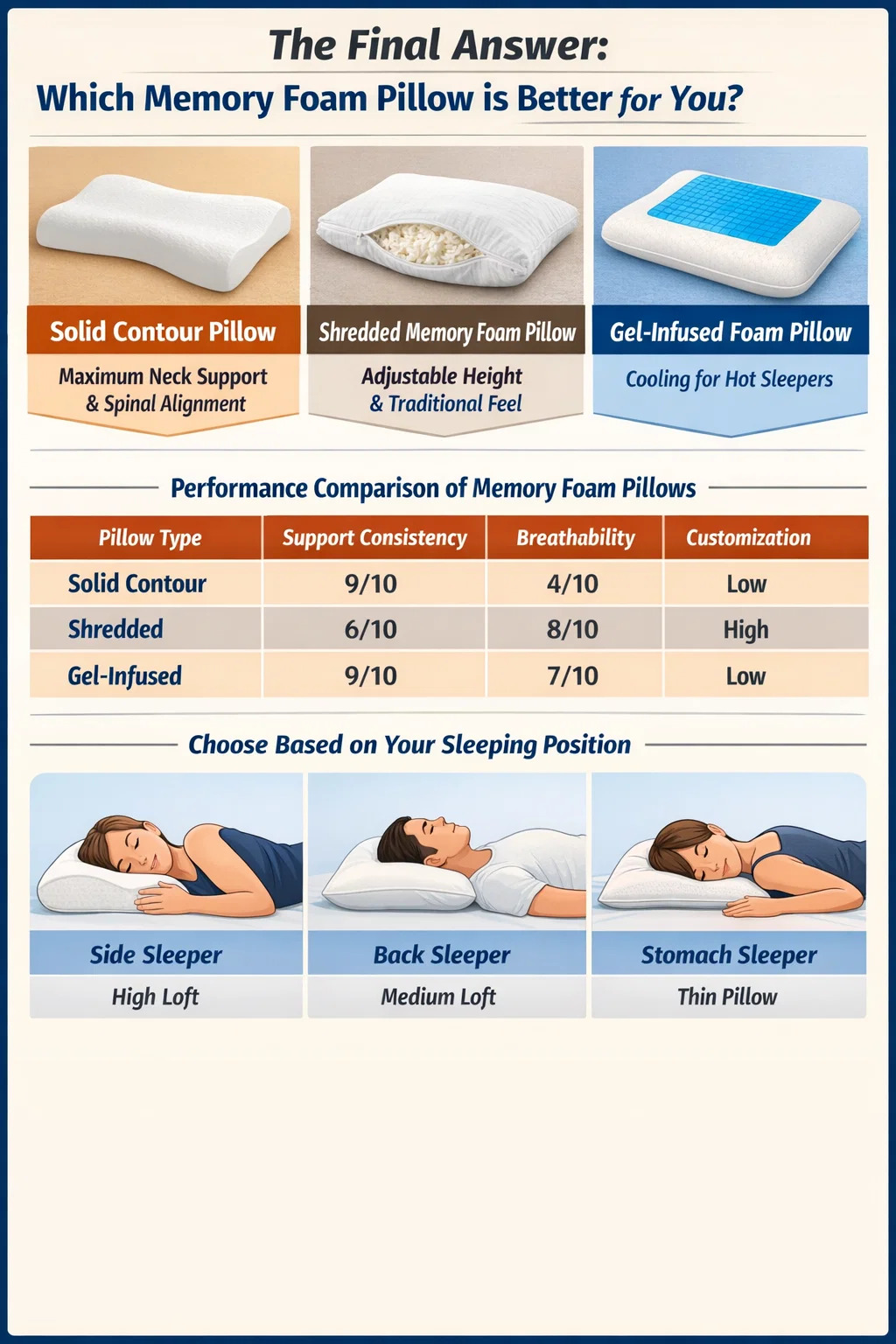
The Final Answer: Which Memory Foam Pillow is Better for You?
There is no single "best" pillow, but there is a clear winner based on your specific sleeping habits. If you prioritize maximum neck support and spinal alignment, a solid contour memory foam pillow is superior. If you prefer a traditional feel with the ability to adjust the height, a shredded memory foam pillow is the better choice. For those who frequently wake up sweating, a gel-infused or open-cell memory foam pillow is the only viable option to prevent overheating.
Categorizing Memory Foam Pillow Designs
To determine which memory foam pillow fits your lifestyle, you must first understand the three main architectural types found in the market today. Each serves a different physiological purpose.
Solid One-Piece Pillows
These are molded from a single block of foam. They are often shaped with a "wave" or "contour" to fit the curve of the neck. They provide the most consistent support but are the least flexible. If the height (loft) isn't perfect for your shoulder width, you cannot change it.
Shredded Memory Foam Fill
This type contains hundreds of small foam torn pieces. It feels more like a down pillow but offers the support of foam. The primary advantage here is adjustability; you can unzip the cover and remove handfuls of foam until the pillow reaches your ideal thickness.
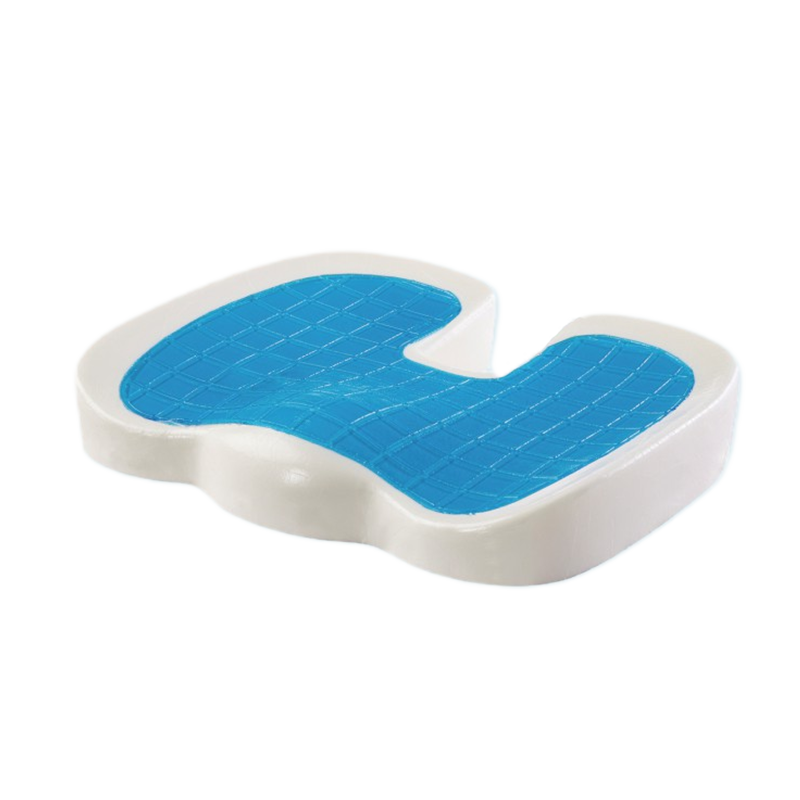
Gel-Infused Layers
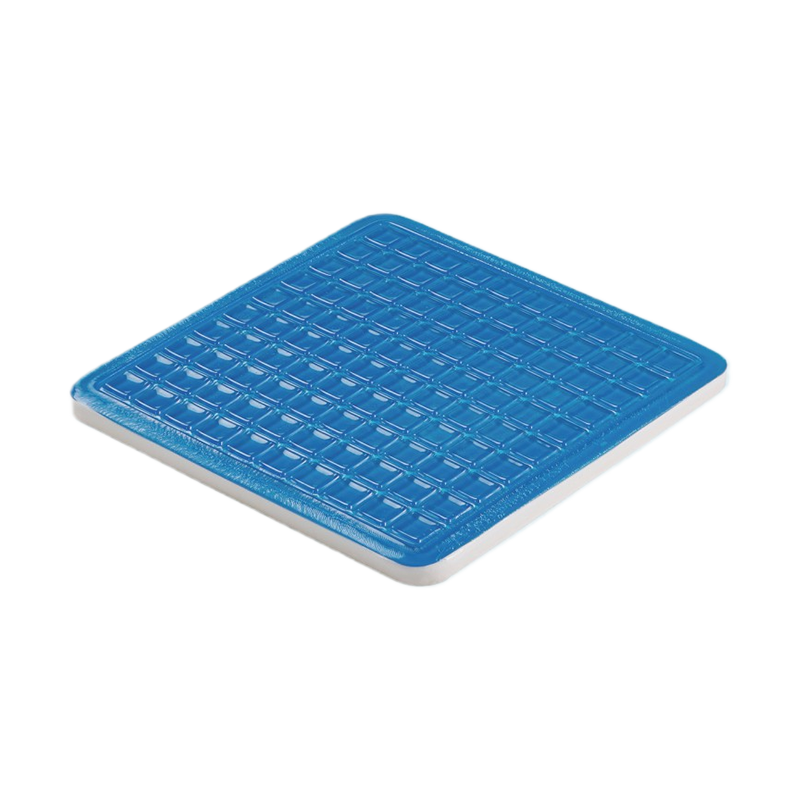
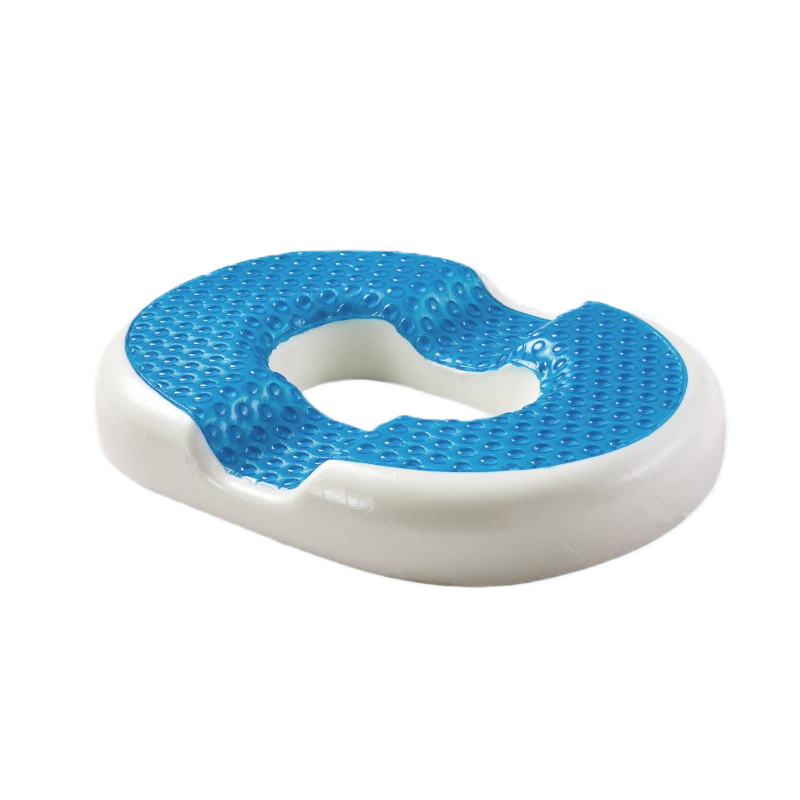
Better suited for "hot sleepers," these pillows incorporate gel beads or a gel pad on the surface. While they don't stay ice-cold all night, they significantly delay the heat-trapping effect common in standard polyurethane foams.
Comparing Support and Comfort Metrics
When deciding which memory foam pillow is better, look at the technical trade-offs between stability and breathability.
| Pillow Type | Support Consistency | Breathability | Customization |
|---|---|---|---|
| Solid Contour | 9/10 | 4/10 | Low |
| Shredded | 6/10 | 8/10 | High |
| Gel-Infused Solid | 9/10 | 7/10 | Low |
Choosing Based on Sleeping Position
The "better" pillow is the one that keeps your cervical spine in a neutral position. If your chin is tilted toward your chest or your head is angled backward, the pillow is failing you.
- Side Sleepers: You need a high-density memory foam pillow with a high loft (usually 4 to 6 inches). This prevents your shoulder from scrunching and keeps your neck aligned.
- Back Sleepers: A medium-loft contour pillow is better. It should have a dip in the middle to cradle the head and a raised edge to support the neck's natural curve.
- Stomach Sleepers: Most memory foam is actually too thick for you. If you must use one, go for a very thin shredded foam option and remove half the stuffing to keep your neck from twisting at a sharp angle.
Quality Indicators: Density and Certifications
When shopping, "better" is often defined by the density of the foam. Higher density usually means better longevity and more effective contouring.
Look for a memory foam pillow with a density of at least 3 to 4 pounds per cubic foot. Lower-density foams may feel soft at first but will flatten out within months. Additionally, always check for a CertiPUR-US certification. This ensures the foam is made without ozone depleters, mercury, lead, and other heavy metals, and has low VOC (Volatile Organic Compound) emissions for indoor air quality.
The Impact of Pillow Covers on Foam Performance
Even the highest-quality memory foam pillow can be ruined by a poor-quality cover. Because memory foam is not washable, the cover acts as the primary barrier against sweat, oils, and skin cells.
The better pillows often come with covers made of bamboo-derived rayon or Tencel. These materials are naturally moisture-wicking and breathable, which offsets the heat-retention properties of the foam. Avoid 100% polyester covers if you tend to sleep hot, as they will trap heat regardless of how much cooling gel is inside the foam.