

 English
 عربى
عربى
Content
- 1 The Direct Answer: How Many Pillows on a King Size Bed?
- 2 Understanding Pillow Types Before You Count
- 3 Pillow Count by Styling Level: From Minimal to Luxurious
- 4 Why Your Sleeping Pillow Choice Matters More Than the Count
- 5 How to Layer Pillows on a King Size Bed Properly
- 6 Pillow Sizing Guide for a King Bed
- 7 How Many Pillows Do You Actually Need for Sleep on a King?
- 8 When to Replace Your Pillows: Sleeping and Decorative
- 9 Common Mistakes People Make With Pillows on a King Bed
- 10 Pillow Fill Comparison: Which Material Is Right for You?
- 11 Final Recommendations: Building the Ideal King Bed Pillow Setup
The Direct Answer: How Many Pillows on a King Size Bed?
A king size bed typically holds 2 to 4 sleeping pillows and anywhere from 4 to 10 decorative pillows, depending on your styling preference. At its most functional, two standard king pillows placed side by side is all you need for a clean, comfortable setup. For a fully dressed, hotel-style look, most interior designers recommend layering up to 9 or 10 pillows across the bed. The exact number comes down to how you use the bed, whether you prioritize sleep quality or visual presentation, and what types of pillows you choose — including whether you use a memory foam pillow as your primary sleep support.
A standard king size bed measures 76 inches wide by 80 inches long. That width is the key factor in deciding how many pillows fit comfortably without looking overcrowded or sparse. Unlike a queen or full bed, a king has enough horizontal space to accommodate two separate sleeping zones, which means pillow arrangements are often built to reflect that generous scale.
Understanding Pillow Types Before You Count
Before deciding how many pillows to put on your king size bed, it helps to understand the different categories. Each type serves a distinct purpose, and mixing them thoughtfully is what separates a well-made bed from a cluttered one.
Sleeping Pillows
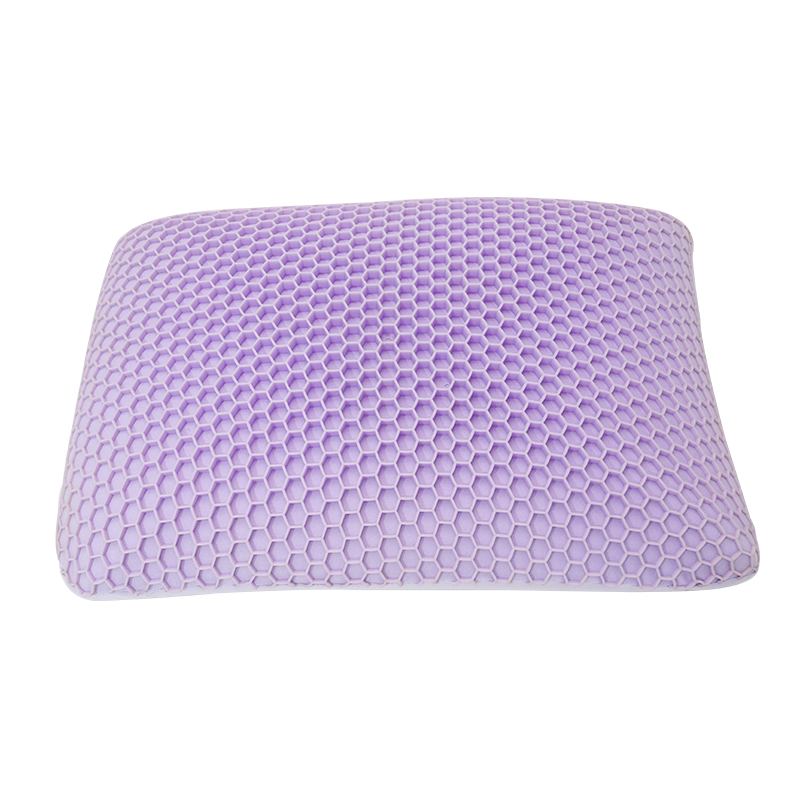
These are the pillows you actually rest your head on at night. For a king bed shared by two people, two sleeping pillows are the baseline. Some sleepers prefer to use two pillows each, especially if they like body support or prop themselves up for reading. A memory foam pillow is an increasingly popular choice here because it conforms to the shape of the head and neck, reducing pressure and supporting spinal alignment. Unlike traditional down or polyester fill, a memory foam pillow retains its shape and provides consistent loft throughout the night.
Euro Pillows
Euro pillows are large, square pillows — typically 26 inches by 26 inches — placed at the back of the arrangement against the headboard. Three Euro pillows across a king bed creates a balanced, symmetrical backdrop. They are primarily decorative but can also function as reading support when propped upright.
Standard and King-Size Sleeping Pillows
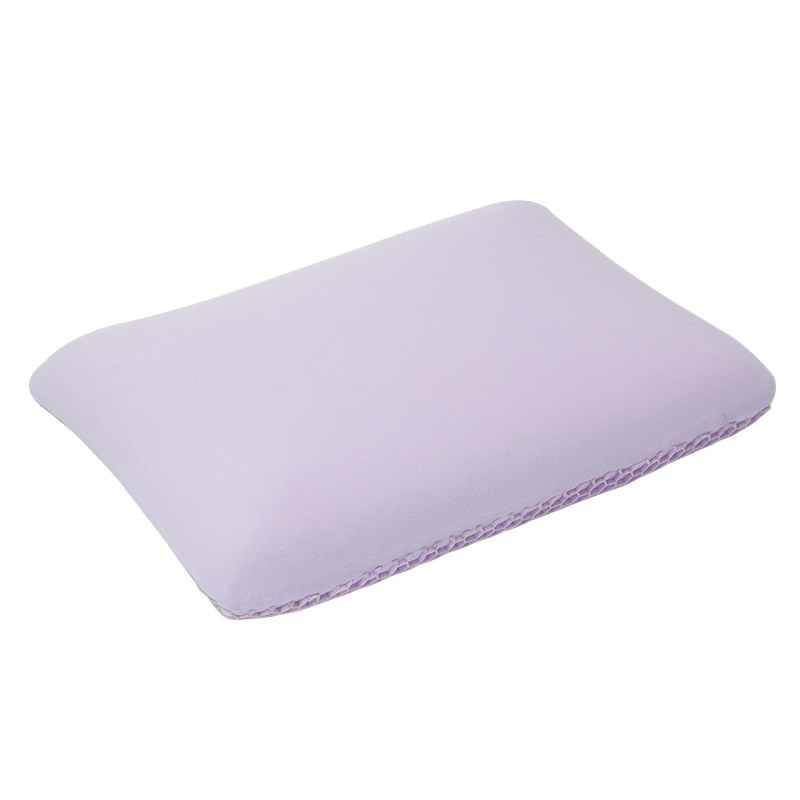
Standard pillows measure 20 by 26 inches, while king pillows are 20 by 36 inches. Two king pillows placed side by side span almost the full width of a king bed, making them a popular choice for maintaining visual proportion. Many people who opt for a memory foam pillow choose the king size to match the scale of the bed.
Accent and Throw Pillows
These smaller decorative pillows — usually 18 by 18 or 20 by 20 inches — are layered in front of the sleeping pillows to add color, texture, and personality. Two to four accent pillows in front of the sleeping layer adds depth without overwhelming the space.
Bolster Pillows
Cylindrical or rectangular, bolster pillows are often placed at the very front of a fully dressed bed as a finishing element. A single bolster in the center is enough for most king bed arrangements.
Pillow Count by Styling Level: From Minimal to Luxurious
Not everyone wants the same look. Here is a breakdown of common pillow arrangements on a king bed organized by styling intensity.
| Styling Level | Total Pillows | Breakdown |
|---|---|---|
| Minimal | 2 | 2 sleeping pillows only |
| Casual | 4–5 | 2 sleeping + 2–3 accent pillows |
| Balanced | 6–7 | 2 sleeping + 2 Euro + 2–3 accent |
| Designer | 8–10 | 2 sleeping + 3 Euro + 3 accent + 1 bolster |
Most people land somewhere in the balanced range. The designer level is often what you see in hotel rooms or interior design photoshoots — beautiful to look at, but requires pulling off several pillows every night before you can actually sleep.
Why Your Sleeping Pillow Choice Matters More Than the Count
The number of pillows on your bed matters less than the quality of the pillow your head actually rests on each night. This is where your sleeping pillow selection becomes critical, and why so many sleep specialists and bedding experts now recommend a memory foam pillow as the foundation of a good sleep setup on a king size bed.
What Makes a Memory Foam Pillow Different
A memory foam pillow is made from viscoelastic polyurethane foam that responds to body heat and pressure. When you lay your head on it, the foam softens and molds to your exact head and neck shape. When you lift your head, it slowly returns to its original form. This behavior — unique to memory foam — means the pillow never collapses or shifts the way down or synthetic fiberfill does. For side sleepers especially, a memory foam pillow maintains consistent loft that keeps the spine straight from head to tailbone.
Studies in sleep ergonomics have consistently shown that proper cervical support during sleep reduces the occurrence of neck stiffness, shoulder tension, and morning headaches. A poorly chosen pillow — regardless of how many you stack on your bed — can undo even the best mattress investment.
Solid vs. Shredded Memory Foam Pillow
Memory foam pillows come in two main forms. A solid memory foam pillow has a single piece of foam and tends to offer very uniform support with minimal movement. A shredded memory foam pillow contains small pieces of foam that shift and compress more freely, allowing you to adjust the fill level. Shredded options are often preferred by combination sleepers who change positions during the night, as the fill redistributes to support different angles.
On a king size bed, using two king-sized memory foam pillows as your primary sleeping pillows is a particularly effective approach. The wider king pillow size (20 by 36 inches) spans the bed proportionally and keeps the pillow in position even if you roll around during sleep — something standard-size pillows sometimes fail to do on the generous width of a king mattress.
Cooling Memory Foam: A Practical Consideration
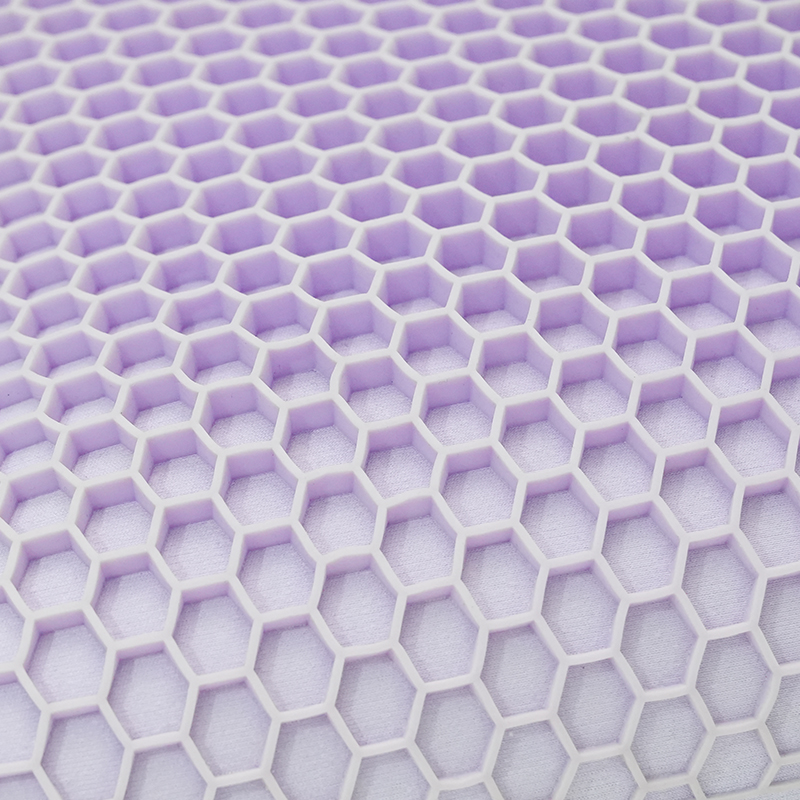
One common concern with memory foam is heat retention. Traditional memory foam absorbs and holds body heat, which some sleepers find uncomfortable. Modern memory foam pillows address this with gel-infused foam, open-cell structures, or ventilated designs that promote airflow. If you tend to sleep warm, look for a gel memory foam pillow or one with a breathable cover material such as bamboo-derived rayon or Tencel, both of which have moisture-wicking properties.
How to Layer Pillows on a King Size Bed Properly
Knowing how many pillows to use is only part of the equation. Arranging them correctly creates a look that is both intentional and inviting. Here is a step-by-step approach to building a well-layered king bed pillow arrangement.
- Start with Euro pillows against the headboard. Place three 26-by-26-inch Euro pillows in a row along the back. These create the tallest layer and provide a strong visual foundation. Use matching shams to unify the look with your bedding.
- Layer sleeping pillows in front. Place two king-size sleeping pillows — ideally your memory foam pillows — in front of the Euro layer. Use pillowcases that coordinate with or complement your Euro shams. These can be propped upright or laid flat depending on how structured you want the look.
- Add accent pillows in the middle layer. Place two to three square accent pillows (18 by 18 or 20 by 20 inches) in front of the sleeping pillows. This is where you introduce patterns, contrasting colors, or textured fabrics. Two pillows placed symmetrically or three in an offset arrangement both work well.
- Finish with a bolster if desired. A single bolster pillow placed horizontally across the front of the arrangement adds a polished hotel-style finish. This is optional and can be skipped for a more relaxed look.
The key principle behind successful pillow layering is descending height from back to front. Euro pillows are tallest, sleeping pillows are medium height, and accent pillows are shortest. This creates depth and dimension that photographs well and looks intentional in person.
Pillow Sizing Guide for a King Bed
Using the right pillow sizes maintains visual proportion on a wide king bed. Here is a reference for the standard dimensions most commonly used.
| Pillow Type | Dimensions (inches) | Recommended Quantity | Primary Use |
|---|---|---|---|
| Euro Pillow | 26 × 26 | 3 | Decorative back layer |
| King Pillow | 20 × 36 | 2 | Primary sleeping pillow |
| Standard Pillow | 20 × 26 | 2–4 | Sleeping or accent |
| Accent / Throw | 18 × 18 or 20 × 20 | 2–4 | Decorative middle layer |
| Bolster | 6 × 20 (varies) | 0–1 | Decorative front finish |
How Many Pillows Do You Actually Need for Sleep on a King?
Decorative pillows aside, the number of pillows you need for actual sleeping depends on your sleep position, body type, and any specific support needs. Here is what most sleep and orthopedic experts recommend.
Back Sleepers
Back sleepers generally need one pillow with a medium to low loft — roughly 3 to 5 inches. A memory foam pillow with a contoured shape works particularly well for back sleepers because the contour supports the natural curve of the cervical spine. Using two thick pillows stacked on top of each other as a back sleeper pushes the head forward and creates strain on the neck muscles.
Side Sleepers
Side sleepers require a higher loft pillow — typically 4 to 6 inches — to fill the gap between the shoulder and head and keep the spine neutral. A firm to medium-firm memory foam pillow is often the best match. Some side sleepers also use a second pillow between their knees to reduce hip and lower back strain, bringing their functional pillow count to two.
Stomach Sleepers
Stomach sleeping is generally not recommended by orthopedic specialists because it strains the neck and lower back. If you do sleep on your stomach, use a very flat, soft pillow or no pillow at all under your head. Some stomach sleepers benefit from placing a thin pillow under their abdomen instead.
Combination Sleepers
If you change positions throughout the night, a shredded memory foam pillow with adjustable fill is your best option. You can remove or add fill to find the loft that works across multiple positions. Many combination sleepers also keep a second, softer pillow nearby that they can hug or tuck under an arm depending on position.
When to Replace Your Pillows: Sleeping and Decorative
Knowing how many pillows to use is one thing — knowing when to replace them is another. Old pillows are both less comfortable and less hygienic than new ones, and neither category is exempt from aging.
Replacement Timeline for Sleeping Pillows
- Down and down alternative pillows: every 1 to 2 years
- Polyester fiberfill pillows: every 6 months to 1 year
- Memory foam pillow (solid): every 2 to 3 years
- Shredded memory foam pillow: every 18 to 24 months
- Latex pillow: every 3 to 4 years
One advantage of investing in a quality memory foam pillow is its longer lifespan compared to budget polyester options. Over a two-year period, a single durable memory foam pillow may cost less than repeatedly replacing cheap pillows.
A simple test for a sleeping pillow: fold it in half and press down. A pillow that does not spring back promptly has lost its resilience and should be replaced. For a memory foam pillow, check for visible indentations that do not recover or a noticeable loss of firmness in the support core.
Decorative Pillow Maintenance
Decorative pillows do not need replacing as frequently since they are not exposed to the same nightly pressure and body oils as sleeping pillows. However, their covers should be washed every few months, and the inserts should be refreshed when they lose shape — typically every two to four years. Flat, lumpy decorative pillows undermine the entire visual effect of a well-styled king bed.
Common Mistakes People Make With Pillows on a King Bed
Even people with good taste and good intentions make predictable errors when setting up pillows on a king size bed. Being aware of these helps you avoid them.
- Using standard pillows where king pillows belong. Two standard pillows side by side on a king bed leave noticeable gaps on either side. The proportional mismatch makes the bed look unfinished. Opt for king-size sleeping pillows or a pair of standard plus one additional pillow on each side.
- Piling on too many pillows without a system. More is not always better. A random stack of differently-sized, mismatched pillows looks chaotic rather than luxurious. Work from large to small, back to front, and keep a consistent color palette with one or two accent colors for contrast.
- Neglecting the sleeping pillow in favor of aesthetics. Plenty of people spend time and money on decorative pillows but continue sleeping on a flat, shapeless old pillow. Since the sleeping pillow is the one that directly affects your rest and physical health, it should be the first and most considered investment — whether that is a memory foam pillow, latex, or quality down.
- Skipping pillow protectors. Pillow protectors — zippered enclosures that go beneath the pillowcase — significantly extend the life of both sleeping and decorative pillow inserts. They block moisture, skin cells, and allergens from penetrating the pillow fill. This is especially important for a memory foam pillow, which cannot be machine washed and relies on protective barriers to stay hygienic.
- Choosing the wrong firmness for sleep position. A plush memory foam pillow that is beautiful and soft may not provide enough support for a side sleeper, leading to neck pain within weeks. Always match the firmness and loft of your sleeping pillow to your primary sleep position.
Pillow Fill Comparison: Which Material Is Right for You?
If you are deciding what type of sleeping pillow to use on your king bed, it helps to compare the main fill materials directly. Each has distinct characteristics that suit different sleepers.
| Fill Type | Support Level | Lifespan | Best For | Washable |
|---|---|---|---|---|
| Memory Foam | High, contouring | 2–3 years | Side, back sleepers | Cover only |
| Latex | High, responsive | 3–4 years | All positions | Cover only |
| Down | Low to medium | 1–2 years | Back, stomach sleepers | Yes (gentle) |
| Down Alternative | Low to medium | 6–12 months | Allergy-prone sleepers | Yes |
| Buckwheat | High, adjustable | 10+ years | Back, side sleepers | Cover only |
For most people upgrading their king bed sleep setup, a memory foam pillow offers the best balance of support, durability, and accessibility at a range of price points. Entry-level options start around $30 to $50, while higher-end models with advanced cooling technology or certified organic materials can reach $100 to $200 or more.
Final Recommendations: Building the Ideal King Bed Pillow Setup
Pulling everything together, here is a practical recommendation for most people setting up a king size bed for the first time or refreshing an existing setup.
- Start with two king-sized memory foam pillows as your sleeping layer. Choose the firmness and loft based on your dominant sleep position. Add pillow protectors before putting on pillowcases.
- Add three Euro pillows in matching shams behind your sleeping pillows if you want a complete, styled look. Choose a neutral or coordinating color to anchor your bedding palette.
- Layer two to three accent pillows in front of the sleeping pillows. This is where personality enters — use texture, pattern, or a pop of color here.
- Optionally add a single bolster at the front for a polished, hotel-inspired finish.
- Reassess your sleeping pillow every two years and your decorative pillows when they lose their shape. Do not skip this step — a flat memory foam pillow or a lumpy Euro insert will quietly drag down both your sleep quality and the appearance of your bed.
There is no single right answer to how many pillows belong on a king size bed — but there is a right approach. Prioritize sleep quality first with a proper sleeping pillow, then build the decorative arrangement to a level of complexity you are willing to maintain every morning. A bed that takes ten minutes to reconstruct daily loses its appeal quickly.
A well-chosen memory foam pillow, placed on a thoughtfully arranged king bed, is not just a bedroom aesthetic choice — it is an investment in how well you rest, how you feel when you wake up, and how much you actually enjoy the space you spend a third of your life in.