

 English
 عربى
عربى
Content
- 1 Why Your Pillowcase Gets Dirty Faster Than You Think
- 2 How Often Should You Wash Your Pillowcase: A Frequency Guide by Skin and Lifestyle Type
- 3 The Connection Between Pillowcase Hygiene and Skin Health
- 4 Shredded Memory Foam Pillow: What Makes Pillowcase Care Even More Important
- 5 How to Wash Your Pillowcase Properly
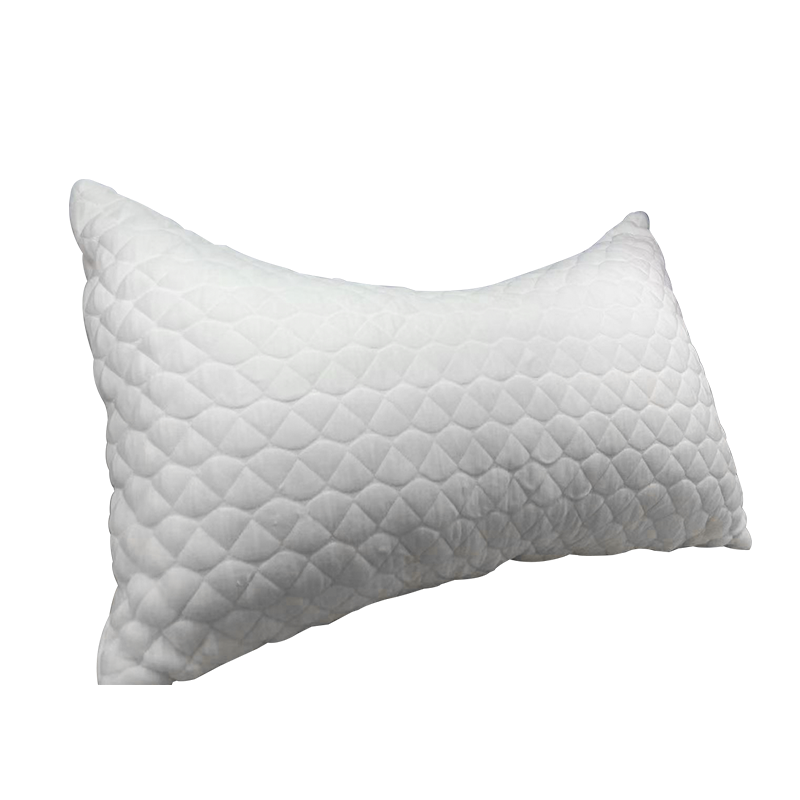
- 6 Best Pillowcase Materials to Use with a Shredded Memory Foam Pillow
- 7 Signs That You Are Not Washing Your Pillowcase Often Enough
- 8 Practical Tips to Make Weekly Washing Easier
- 9 Pillowcase Hygiene vs. Pillow Hygiene: Understanding the Difference
- 10 Frequently Asked Questions
- 10.1 Can I get away with washing my pillowcase every two weeks?
- 10.2 Does washing a pillowcase on cold water kill bacteria?
- 10.3 Should I use bleach on my pillowcases?
- 10.4 How often should I wash the pillowcase if I have a silk pillowcase?
- 10.5 Is it better to flip the pillowcase or change it entirely?
- 10.6 Can a dirty pillowcase cause hair loss?
- 10.7 How do I know if my Shredded Memory Foam Pillow needs to be washed, not just the pillowcase?
- 10.8 Does washing your pillowcase more often make it wear out faster?
- 10.9 What temperature should I dry my pillowcase at?
The short answer: wash your pillowcase at least once a week. If you have oily skin, acne, allergies, or you sweat heavily at night, every 2–3 days is even better. Your pillowcase collects dead skin cells, body oils, hair products, dust mites, and bacteria every single night — and unlike your sheets, it's pressed directly against your face for 7–9 hours. Letting it go two or three weeks between washes is one of the most overlooked contributors to breakouts, skin irritation, and poor sleep hygiene.
For people using a Shredded Memory Foam Pillow, this weekly rule applies just as much — and arguably matters more. The adaptive surface of a shredded memory foam pillow conforms closely to your face and neck, which means it transfers warmth and moisture to the pillowcase faster than a traditional pillow. That warm, slightly damp environment between your skin and the case is exactly where bacteria, dust mites, and skin-clogging oils thrive. Keeping the pillowcase fresh is part of getting the full benefit of the pillow itself.
Why Your Pillowcase Gets Dirty Faster Than You Think
Most people underestimate how much accumulates on a pillowcase overnight. According to a 2019 study published in the International Journal of Environmental Research and Public Health, the average adult sheds roughly 30,000 to 40,000 dead skin cells per hour. Over the course of an eight-hour sleep, that means more than 300,000 skin cells per night end up on your bedding — a significant portion landing directly on your pillowcase.
Beyond dead skin, here's what else builds up on a pillowcase between washes:
- Sebum and body oils — Your scalp produces between 1 and 2 grams of sebum per day, and much of that transfers to your pillow through your hair and skin contact overnight.
- Sweat — Even on a cool night, your body loses approximately 500ml of water through perspiration during sleep. Some of that moisture is absorbed directly into the pillowcase fabric.
- Dust mites — Dust mites feed on dead skin cells and thrive in warm, humid environments like pillowcases. The American College of Allergy, Asthma and Immunology reports that dust mites are one of the most common triggers for year-round allergies and asthma.
- Facial and hair products — Moisturizers, serums, leave-in conditioners, and hair oils all transfer to your pillowcase and can mix with the skin oils and sweat already present, creating a film that clogs pores.
- Bacteria — A 2017 study by Amerisleep found that after one week of use without washing, a pillowcase can harbor up to 17,000 times more bacteria than a toilet seat. While that headline is dramatic, the underlying data point — that bacteria multiply rapidly on unwashed pillowcases — is well-supported across multiple textile hygiene studies.
For people who sleep on a Shredded Memory Foam Pillow, the thermally adaptive foam retains body heat longer than traditional polyester or latex fills. This means the sleeping surface stays warmer, and a warmer pillowcase creates a more hospitable environment for microbial growth. This is not a reason to avoid shredded memory foam — the sleep support benefits are well-documented — but it does make the weekly wash schedule non-negotiable.
How Often Should You Wash Your Pillowcase: A Frequency Guide by Skin and Lifestyle Type
There is no single wash frequency that works perfectly for everyone. Your skin type, hair type, health conditions, and nightly habits all influence how quickly your pillowcase becomes a problem. Use the table below as a practical reference:
| Skin / Lifestyle Profile | Recommended Wash Frequency | Primary Reason |
|---|---|---|
| Normal / combination skin, healthy scalp | Once per week | Standard dead skin and oil accumulation |
| Oily or acne-prone skin | Every 2–3 days | Excess sebum clogs pores and worsens breakouts |
| Dry or sensitive skin | Once per week, using fragrance-free detergent | Reduce irritants while maintaining hygiene |
| Active sweater / night sweats | Every 2–3 days | Moisture accelerates bacterial growth |
| Allergy or asthma sufferers | Twice per week, hot wash (60°C / 140°F) | Kills dust mites and reduces allergen load |
| Uses heavy hair products / oils | Every 2–3 days | Product residue mixes with skin oils and clogs pores |
| Ill or post-surgery recovery | Every 1–2 days during illness | Prevent reintroduction of pathogens |
| Pet sleeps on the bed | Twice per week | Pet dander and additional allergen introduction |
If your lifestyle falls into multiple categories — say, you have oily skin and you sweat heavily at night — default to the most frequent recommendation in the table. The cost of washing a pillowcase every two days is minimal compared to the cost of a persistent breakout or recurring skin irritation.
The Connection Between Pillowcase Hygiene and Skin Health
Acne and Closed Comedones
The link between dirty pillowcases and acne is not just anecdotal — it has biological backing. When sebum, dead skin cells, and bacteria accumulate on fabric and are then pressed against your face for hours every night, they can block pores and trigger inflammatory responses. Dermatologists commonly refer to this as "acne mechanica" when caused by repeated contact friction and pressure combined with skin occlusion.
Dr. Whitney Bowe, a board-certified dermatologist cited in numerous skincare publications, has noted that pillowcase hygiene is among the first lifestyle factors she asks breakout-prone patients to address. Changing to a clean pillowcase every two to three days can produce visible improvement in mild to moderate acne within four to six weeks, particularly when combined with a consistent skincare routine.
Allergic Reactions and Respiratory Issues
Dust mites are microscopic arachnids that feed on the skin cells we shed during sleep. A single unwashed pillow can harbor up to 10 million dust mites over time, according to data from the Asthma and Allergy Foundation of America. Their fecal matter and body fragments are potent allergens that trigger sneezing, runny nose, watery eyes, and in sensitive individuals, asthma attacks.
Washing your pillowcase in hot water — at least 60°C (140°F) — kills dust mites effectively. The University of Sydney's Department of Allergy confirmed in a published study that hot water washing is one of the most reliable ways to reduce dust mite allergen levels in bedding. Cold water washing removes some allergens but does not kill mites.
Hair Health and Scalp Conditions
Your hair lies on your pillow for most of the night. A dirty pillowcase can contribute to scalp irritation, dandruff flare-ups, and even hair breakage. Residual oils and product buildup on the fabric create friction against hair strands, especially fine or chemically treated hair. Using a clean pillowcase (or a silk or satin alternative) reduces friction and keeps your hair's natural moisture balance more stable through the night.
Eye Health
Bacteria that accumulate on pillowcases can migrate to your eyelids and the area around your eyes during sleep, potentially contributing to conditions like blepharitis (inflammation of the eyelid margins) or conjunctivitis. If you wear eye makeup and don't always remove it fully before bed, the risk compounds quickly. Dermatologists and ophthalmologists consistently recommend clean bedding as a first-line prevention step for recurring eye irritation with no other apparent cause.
Shredded Memory Foam Pillow: What Makes Pillowcase Care Even More Important
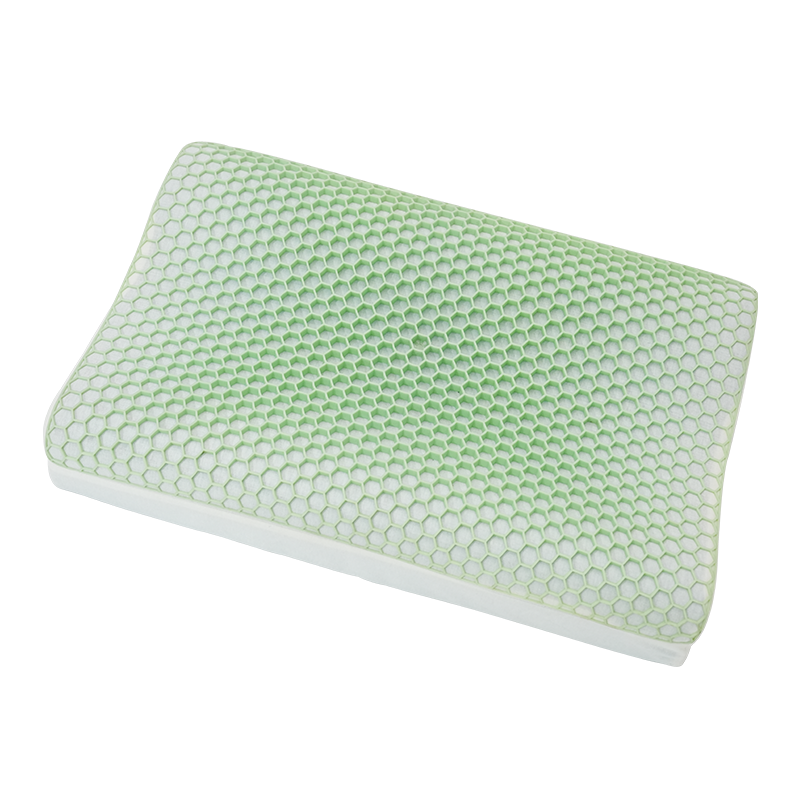
A Shredded Memory Foam Pillow offers distinct advantages over traditional pillows — adjustable loft, pressure relief, and superior neck alignment — but its material properties also have specific implications for pillowcase hygiene that are worth understanding.
Heat Retention
Memory foam, including the shredded variety, is denser than polyester fiber fill and retains more body heat. A warmer sleep surface accelerates the breakdown of oils and increases bacterial proliferation on the pillowcase. While shredded memory foam is specifically designed to be more breathable than solid foam blocks (the shredded fill allows air to circulate between pieces), the pillowcase still receives more warmth than it would from a down alternative or polyester pillow.
Close Contouring
The defining feature of a Shredded Memory Foam Pillow is how it shapes itself to your head, neck, and face. That close contouring means more skin surface area is in direct contact with the pillowcase compared to a traditional pillow that doesn't conform as closely. More contact means more transfer of oils, sweat, and skin cells per night.
Moisture Absorption
The shredded foam inside the pillow is not waterproof. If moisture consistently penetrates the pillowcase and reaches the foam fill, it can eventually cause the foam pieces to clump, develop odors, or degrade faster. Keeping the pillowcase clean and dry is the primary barrier that protects the pillow's fill from contamination. This is one reason why using a pillow protector under the pillowcase is also recommended for shredded memory foam pillows.
Pillow Washing Schedule
The pillowcase itself should be washed weekly. The Shredded Memory Foam Pillow inside should be washed less frequently — roughly every 3 to 6 months, depending on the manufacturer's care instructions. Most shredded memory foam fills can be machine washed on a gentle cycle with cold water and tumble dried on low. Always check the care label before washing, as some manufacturers recommend spot cleaning only.
How to Wash Your Pillowcase Properly
Washing a pillowcase correctly is not complicated, but a few details make a significant difference in hygiene outcomes — especially for allergen reduction and fabric longevity.
- Step 1
Sort by fabric type
Cotton and linen pillowcases can generally be washed together. Silk and satin pillowcases should be washed separately on a delicate cycle, often in a mesh laundry bag, to prevent snags and fabric damage. Never mix silk pillowcases with heavy items like jeans or towels.
- Step 2
Choose the right water temperature
For allergy sufferers or anyone looking to kill dust mites, hot water at 60°C (140°F) or higher is required. For everyday maintenance washing when allergens are not the primary concern, warm water (40°C / 104°F) is sufficient and gentler on fabrics. Cold water is appropriate for delicate materials like silk but will not kill dust mites.
- Step 3
Select an appropriate detergent
Use a mild, fragrance-free detergent if you have sensitive skin. Avoid fabric softeners on cotton pillowcases used alongside a shredded memory foam pillow — fabric softeners can coat cotton fibers and reduce their natural moisture-wicking properties over time, which works against the breathability benefits of using a shredded fill pillow. A liquid detergent dissolves more thoroughly than powder in most washing machines, reducing residue on the fabric.
- Step 4
Dry thoroughly before use
A damp pillowcase placed back on a pillow creates the exact conditions dust mites and mold need to thrive. Tumble dry on medium heat or hang dry in a well-ventilated area until completely dry before putting it back on your pillow. For cotton, machine drying on medium heat also helps kill any remaining bacteria that the wash cycle did not eliminate.
- Step 5
Have multiple pillowcases in rotation
The easiest way to maintain a consistent wash schedule is to own at least three to four pillowcases per pillow. This way, you can swap to a clean one without waiting for laundry day. Many sleep hygienists recommend a nightly pillowcase rotation — flipping to the other side on night two — as a practical hack between washes, though this only works if both sides start clean.
Best Pillowcase Materials to Use with a Shredded Memory Foam Pillow
The material of your pillowcase interacts directly with both your skin and the performance of the pillow fill beneath it. Not all pillowcase fabrics behave the same way, and some are a better match for shredded memory foam than others.
100% Cotton (Percale or Sateen)
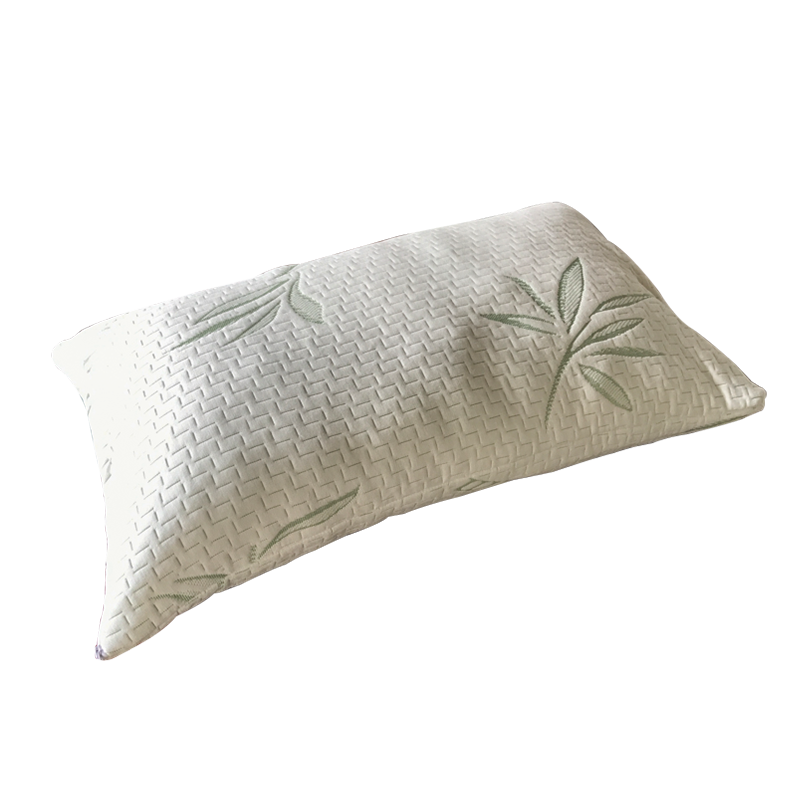
Cotton is the most widely recommended pillowcase material for use with memory foam pillows. It's breathable, washable at high temperatures for allergen control, and gets softer over time with repeated washing. Percale (thread count 200–400) is crisp and cool; sateen is smoother and softer but slightly less breathable. Both are good choices. Look for OEKO-TEX certified cotton to avoid residual chemical treatments on the fabric.
Best for: allergy sufferers, hot sleepers, oily or acne-prone skin
Bamboo-Derived Fabric
Bamboo viscose and bamboo lyocell pillowcases have become increasingly popular for use with memory foam pillows because of their natural temperature regulation properties. Bamboo fabric is naturally moisture-wicking and has demonstrated antimicrobial activity in several independent textile studies, meaning it resists bacterial growth more effectively than standard cotton between washes. It's also hypoallergenic and suitable for sensitive skin. The trade-off is cost — quality bamboo pillowcases run 2 to 3 times the price of comparable cotton options.
Best for: night sweaters, sensitive skin, eco-conscious buyers
Silk (Mulberry, 19–25 momme)
Silk pillowcases are often recommended by dermatologists for their low-friction surface, which reduces mechanical stress on facial skin and hair. They are naturally hypoallergenic and don't absorb moisture as readily as cotton, which means they stay drier on the surface and don't pull hydration from your skin or hair. However, silk pillowcases cannot be washed in hot water, which means they are not suitable for people who need to kill dust mites through washing temperature. For silk users with allergies, a pillow protector under the pillowcase becomes essential.
Best for: anti-aging-focused sleepers, sensitive hair, dry skin types
Materials to Use Carefully
Microfiber pillowcases are inexpensive and widely available but are generally not the best match for shredded memory foam pillows. Microfiber is less breathable than cotton or bamboo, which compounds the heat-retention properties of the foam beneath. Polyester blends similarly trap heat and may cause more sweating overnight. While neither is harmful, if skin health and sleep temperature are priorities, natural fiber pillowcases are a better choice. If budget is a constraint, a high-quality cotton percale pillowcase remains the best value option in the sub-$30 range.
Approach with care: microfiber, polyester blends in warm climates
Signs That You Are Not Washing Your Pillowcase Often Enough
Your body often signals pillowcase hygiene issues before you consciously register them as bedding-related. Watch for these indicators:
Recurring breakouts along the jawline, cheeks, or one side of the face — Acne that clusters on the side you sleep on is a classic sign. The pattern reflects which part of your face is in most contact with the pillowcase.
Waking up stuffy or sneezing immediately after getting up — If your nasal passages are congested first thing in the morning but clear within an hour, dust mite allergens on your pillow or pillowcase are a likely cause.
Frequent eye irritation or styes — Bacterial contamination on pillowcases is a documented contributing factor to recurring styes (hordeolum) and blepharitis.
Greasy hair in the morning despite washing it the night before — Residual oils and product buildup on the pillowcase can re-coat freshly washed hair overnight.
A musty or stale smell when you put your head on the pillow — This often indicates mold, mildew, or bacterial buildup, especially if the pillow or pillowcase has not been dried properly after washing or has been exposed to significant moisture.
Clogged pores or rough skin texture on one side of your face — Comedones (blackheads and whiteheads) that are concentrated on one side of the face often correlate with pillowcase contamination rather than skincare product issues.
Practical Tips to Make Weekly Washing Easier
The biggest barrier to washing pillowcases weekly is not effort — it's habit and logistics. Here are some strategies that make the weekly schedule easy to maintain:
- Set a calendar reminder. Pick one day of the week as laundry day and add a recurring reminder to your phone. Sunday evenings work well because clean bedding at the start of the week is a nice reset.
- Buy in sets of three or four. Having multiple pillowcases for each pillow means you always have a clean one ready to go, and you can wash them together in a batch rather than scrambling for a single replacement.
- Wash pillowcases separately from heavy items. Pillowcases washed with heavy denim or towels can experience friction damage that reduces their lifespan. A separate delicates or bedding wash keeps them in better condition longer.
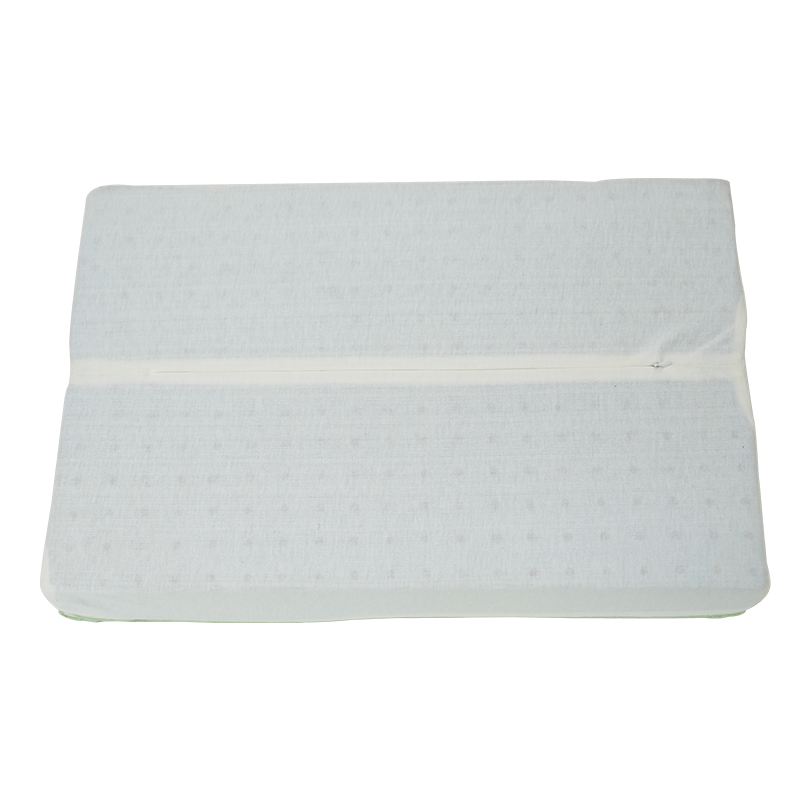
- Use a pillow protector. A zippered pillow protector sits between the pillow fill and the pillowcase. It acts as an additional barrier that keeps oils and skin cells from penetrating into the foam fill. The protector itself only needs washing every 4 to 6 weeks — far less often than the pillowcase — but it dramatically reduces how much work the pillowcase has to do and extends the life of your shredded memory foam pillow.
- Wash your face before bed. This sounds obvious, but going to bed with a clean face — removing makeup, sunscreen, and excess oil — significantly slows the rate at which your pillowcase gets contaminated. Combining a proper nighttime skincare routine with weekly pillowcase washing produces better skin outcomes than either habit alone.
- Flip the pillowcase on night three or four. As a middle-of-the-week hack between Sunday and the following wash, flipping the pillowcase to the unused side on night three or four gives you a cleaner surface for the second half of the week without a full laundry run.
- Keep a dedicated laundry bag for bedding. A mesh laundry bag in the bedroom makes it easy to toss the pillowcase directly into the bag when you strip it off on wash day. No hunting around, no forgetting.
Pillowcase Hygiene vs. Pillow Hygiene: Understanding the Difference
Many people focus on the pillowcase and neglect the pillow itself, while others assume that washing the pillow regularly makes the pillowcase less important. Both are necessary, and they operate on different schedules and serve different functions.
| Item | Wash Frequency | Primary Purpose of Washing | Notes |
|---|---|---|---|
| Pillowcase | Weekly (every 2–3 days for oily/acne skin) | Remove oils, bacteria, sweat, dead skin cells, allergens | Hot wash for allergen control; delicate cycle for silk |
| Pillow protector | Every 4–6 weeks | Protect foam fill from moisture and contamination | Most are machine washable; follow care label |
| Shredded Memory Foam Pillow (fill) | Every 3–6 months | Remove deep-set odors, allergens, and any penetrated oils | Gentle cycle, cold water; dry thoroughly on low heat — may take several cycles |
| Bed sheets | Weekly | Remove body oils, sweat, and dust mites | Coordinate with pillowcase wash for efficiency |
| Duvet / comforter | Every 2–3 months | Remove accumulated allergens and oils | Use a duvet cover that can be washed weekly instead |
When using a Shredded Memory Foam Pillow, the layered protection system — pillowcase, pillow protector, and occasional pillow washing — works together. Skipping any one layer shifts more burden onto the others. The pillowcase, as the outermost layer, does the heaviest lifting and requires the most frequent attention.
Frequently Asked Questions
Can I get away with washing my pillowcase every two weeks?
Technically yes, but the risks are meaningful. After two weeks, the average pillowcase carries significantly elevated bacterial counts, dead skin cell buildup, and dust mite populations compared to a weekly-washed case. If you have normal skin, don't sweat heavily, and don't have allergies, a two-week interval may not cause noticeable problems — but it's not a habit sleep hygienists or dermatologists recommend as a standard practice. Most experts place the threshold at one week as the outer limit for most healthy adults.
Does washing a pillowcase on cold water kill bacteria?
Cold water washing removes a large proportion of bacteria through mechanical action (the agitation of the wash cycle) and detergent action, but it does not reliably kill all pathogens or dust mites. Studies from the American Journal of Infection Control have shown that bacterial counts in laundry can actually increase in washing machines when cold water cycles are used without bleach, because some bacteria survive and can re-contaminate items in the drum. For effective disinfection, use water at 60°C (140°F) or above, or add a laundry disinfectant product rated for cold water use.
Should I use bleach on my pillowcases?
Chlorine bleach is effective at killing bacteria and dust mites, but it degrades cotton fibers over time and can weaken the fabric, particularly at higher concentrations. If disinfection is the goal, hot water washing is generally sufficient and much gentler on fabric. Oxygen-based bleaches (like OxiClean) are a safer alternative for whitening and stain removal without the same fiber degradation risk. For silk or bamboo pillowcases, avoid chlorine bleach entirely — it will damage the fibers permanently.
How often should I wash the pillowcase if I have a silk pillowcase?
The same weekly frequency applies — ideally every 5 to 7 days. Silk pillowcases should be washed on a delicate or hand-wash cycle in cool or lukewarm water using a silk-specific or gentle pH-neutral detergent. Avoid tumble drying; lay flat or hang to dry away from direct sunlight. Because silk cannot be washed in hot water, dust mite allergens are harder to eliminate — using a zippered allergen-barrier pillow protector under the silk pillowcase is particularly important for allergy sufferers who prefer silk.
Is it better to flip the pillowcase or change it entirely?
Flipping the pillowcase to the unused side mid-week is a useful hack but is not a substitute for washing. The clean side is indeed cleaner than the used side, but the oils and bacteria on the used side can migrate through the fabric layer over time, and the clean side itself will begin accumulating the same contaminants from the second night onward. Flipping is best used as a bridge between wash cycles — say, in the middle of a week when you can't do laundry — rather than as an alternative to washing.
Can a dirty pillowcase cause hair loss?
A dirty pillowcase is unlikely to directly cause permanent hair loss, but it can contribute to scalp irritation, folliculitis (inflammation of hair follicles caused by bacterial infection), and increased hair breakage due to friction from product buildup on the fabric. If you are already dealing with a sensitive scalp or thinning hair, a clean pillowcase — ideally silk or smooth satin — reduces mechanical friction and removes one potential irritant from the equation. Hair loss with no clear cause should always be investigated medically rather than attributed solely to bedding.
How do I know if my Shredded Memory Foam Pillow needs to be washed, not just the pillowcase?
The most reliable signs that the pillow fill itself needs washing include: a persistent odor that remains even after the pillowcase is freshly washed, visible staining on the pillow surface beneath the case, clumping or uneven distribution of the shredded foam fill, or allergy symptoms that persist even with a freshly washed pillowcase. If the smell or staining comes from the foam fill itself rather than the fabric cover, washing the pillowcase alone won't resolve it — the pillow needs a thorough wash and complete dry cycle. Most shredded memory foam pillows handle washing well on a gentle cycle with cold or lukewarm water, but always check the care label before proceeding.
Does washing your pillowcase more often make it wear out faster?
Yes, repeated washing does cause gradual fabric wear over time — this is true for any textile. However, the practical lifespan of a well-made cotton or bamboo pillowcase washed weekly at appropriate temperatures is still measured in years, not months. Quality matters here: a higher thread count, tighter weave cotton (percale or sateen) holds up better over repeated wash cycles than lower-quality options. The hygiene benefit of weekly washing significantly outweighs the incremental fabric wear, and replacing a pillowcase every one to two years is far less costly than dealing with recurring skin breakouts or allergy symptoms caused by infrequent washing.
What temperature should I dry my pillowcase at?
For cotton and bamboo pillowcases, medium heat (around 60°C / 140°F) in a tumble dryer is appropriate and helps kill any remaining bacteria not eliminated during the wash cycle. For linen, medium-low is better to prevent excessive shrinkage. For silk, air drying is mandatory — heat will damage the fibers and reduce the fabric's characteristic smoothness and longevity. Whichever material you use, ensure the pillowcase is completely dry before putting it back on the pillow, particularly if it covers a shredded memory foam fill that is not fully waterproof.