

 English
 عربى
عربى
Content
- 1 The Short Answer: How to Clean a Memory Foam Mattress
- 2 Why Memory Foam Mattresses Need Special Care
- 3 What You Will Need Before You Start
- 4 Step-by-Step: How to Do a General Clean on a Memory Foam Mattress
- 5 How to Remove Stains from a Memory Foam Mattress
- 6 Stain Type Quick Reference
- 7 How to Get Rid of Odors in a Memory Foam Mattress
- 8 How to Deal with Mold or Mildew on a Memory Foam Mattress
- 9 Drying a Memory Foam Mattress After Cleaning
- 10 Routine Maintenance to Keep Your Memory Foam Mattress Clean Longer
- 11 How Often Should You Clean a Memory Foam Mattress?
- 12 When to Replace Rather Than Clean
The Short Answer: How to Clean a Memory Foam Mattress
Cleaning a memory foam mattress requires a gentle, low-moisture approach. Unlike traditional spring mattresses, memory foam is highly absorbent and does not respond well to soaking, steam cleaning, or machine washing. The core rule is simple: never saturate the foam with water or liquid cleaners. Excess moisture trapped inside the foam creates the perfect environment for mold and mildew growth, which can ruin the mattress entirely and pose serious health risks.
For routine maintenance, vacuuming the surface every one to two months and spot-treating stains with a mild solution of dish soap and cold water is sufficient. For deeper odor issues, baking soda is your best friend — it draws out moisture and neutralizes smells without damaging the foam structure. After any wet treatment, the mattress must be allowed to air dry completely before replacing sheets or covers, which typically takes several hours or even a full day depending on humidity levels.
The sections below break down every cleaning scenario in detail — from light surface dust to stubborn biological stains — so you can handle each situation correctly and keep your memory foam mattress in top condition for years.
Why Memory Foam Mattresses Need Special Care
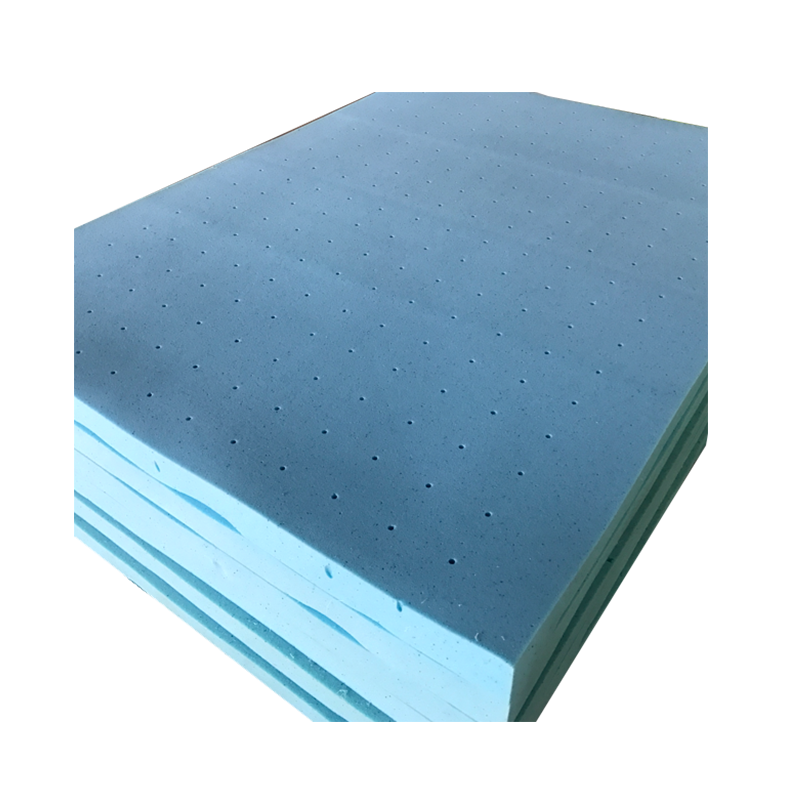
Memory foam is a viscoelastic polyurethane material originally developed by NASA in the 1960s. It is engineered to respond to body heat and pressure, conforming closely to the sleeper's shape. That same dense, porous structure that makes it so comfortable for sleeping is also what makes it particularly vulnerable to moisture damage and difficult to clean.
Here is what makes memory foam different from other mattress types when it comes to cleaning:
- High liquid absorption: Memory foam can absorb and retain moisture deep within its layers. Once wet on the inside, it can take 24 to 48 hours to dry — and if it does not dry fully, mold spores can begin forming within as little as 24 to 48 hours in warm conditions.
- No machine washing: Memory foam cannot be put in a washing machine or dryer. The agitation and heat will break down the foam cells and destroy its structure permanently.
- Heat sensitivity: High heat softens the foam and can cause it to lose its shape or density. This is why steam cleaners and hot water are off-limits.
- Chemical sensitivity: Harsh chemical cleaners, bleach, and solvent-based products can degrade the foam material, reduce its lifespan, and leave behind residues that off-gas unpleasant or potentially toxic fumes.
- Odor retention: Because of its density, memory foam traps sweat, body oils, and other odors more readily than open-coil or latex mattresses. Without regular maintenance, these smells accumulate over time.
Understanding these properties before you start cleaning is essential. The wrong method can shorten the life of an otherwise high-quality memory foam mattress significantly — and most quality memory foam mattresses carry price tags between $500 and $2,500, making them an investment worth protecting.
What You Will Need Before You Start
Gathering your supplies in advance makes the process smoother and prevents you from having to improvise mid-clean. Most of these items are already in your home.
- A vacuum cleaner with an upholstery attachment
- Baking soda (a standard 1 lb box is usually enough for a queen-size mattress)
- Cold water in a spray bottle
- Mild liquid dish soap (such as Dawn) or a gentle enzyme-based cleaner
- White distilled vinegar (optional, for odor and mildew treatment)
- Several clean white cloths or microfiber towels
- Hydrogen peroxide (3% concentration, for tough biological stains like blood or urine)
- A fan or access to an open window for air circulation during drying
One item worth specifically avoiding is a carpet cleaner or steam cleaner. These machines inject large volumes of hot water or steam into surfaces, which is exactly the kind of deep saturation that damages memory foam beyond repair.
Step-by-Step: How to Do a General Clean on a Memory Foam Mattress
Even without visible stains, a memory foam mattress benefits from a thorough general cleaning every three to six months. This routine removes dead skin cells, dust mites, allergens, and accumulated sweat that settle into the surface over time.
Step 1 — Strip the Bed and Wash All Bedding
Remove all pillowcases, sheets, mattress protectors, and any toppers. Wash them according to their care labels. Washing bedding in hot water (at least 130°F / 54°C) kills dust mites effectively. While the bedding is in the wash, you have a clear surface to work on.
Step 2 — Vacuum the Entire Mattress Surface
Using the upholstery attachment on your vacuum cleaner, go over the entire top surface of the mattress in slow, overlapping passes. Pay particular attention to the seams and edges, where dust and debris tend to collect. Then vacuum the sides of the mattress. Do not skip this step even if the mattress looks clean — a single mattress can harbor anywhere from 100,000 to 10 million dust mites, most of which are invisible to the naked eye.
Step 3 — Apply Baking Soda and Let It Sit
Sprinkle a generous, even layer of baking soda across the entire top surface of the mattress. For a queen-size mattress, use roughly half a box. Leave it to sit for a minimum of one hour — but ideally eight hours or overnight. Baking soda works by absorbing moisture and neutralizing acidic odor compounds. If you can let in sunlight through a nearby window, UV rays provide an additional antibacterial benefit.
Step 4 — Vacuum Up the Baking Soda
After the baking soda has had time to work, vacuum it all up thoroughly using the upholstery attachment. Make sure no powder is left behind, as residue can attract moisture over time.
Step 5 — Flip or Rotate the Mattress
Most memory foam mattresses are one-sided and should not be flipped, but they should be rotated 180 degrees every three to six months. This distributes wear evenly and prevents the development of permanent body impressions. Check the manufacturer's guidelines to confirm whether your specific mattress model should be rotated or flipped.
Step 6 — Replace Bedding and Protect the Surface
Once the mattress is dry and clean, replace your freshly laundered bedding. If you do not already use a waterproof mattress protector, now is an excellent time to start. A quality protector adds a physical barrier against spills, sweat, and allergens and can dramatically reduce how often you need to deep-clean the foam itself.
How to Remove Stains from a Memory Foam Mattress
Stain removal on memory foam requires patience and a light hand. The golden rule is to blot, never rub — rubbing spreads the stain and drives it deeper into the foam. Always work from the outside edge of the stain toward the center to prevent it from spreading further.
Removing Urine Stains from a Memory Foam Mattress
Urine stains are one of the most common cleaning challenges for memory foam mattresses, particularly in households with young children or pets. Fresh urine is easier to treat than dried urine, so act quickly.
- Blot up as much liquid as possible using dry cloths. Press firmly but do not rub.
- Mix a solution of 8 ounces of hydrogen peroxide (3%), 3 tablespoons of baking soda, and 2–3 drops of dish soap. Stir gently to combine without creating excessive foam.
- Apply the solution lightly to the stained area using a spray bottle or damp cloth. Do not drench the foam — a light, even coverage is the goal.
- Allow it to sit for 10 to 15 minutes.
- Blot the area with a clean dry cloth to absorb the solution and lifted stain material.
- Sprinkle baking soda over the damp spot and allow it to sit for several hours to draw out remaining moisture.
- Vacuum the baking soda and allow the area to air dry completely before making the bed.
For dried or set-in urine stains, an enzyme-based cleaner is more effective than hydrogen peroxide alone. Enzyme cleaners break down the uric acid crystals that are responsible for the persistent ammonia smell. Apply according to the product instructions, ensuring minimal saturation.
Removing Blood Stains from a Memory Foam Mattress
Blood stains must always be treated with cold water only. Hot or warm water causes blood proteins to coagulate and bond with the fabric fibers, making the stain nearly impossible to fully remove.
- Blot away as much fresh blood as possible with a dry cloth.
- Dampen a clean cloth with cold water and gently blot the stain. Rinse the cloth and repeat several times.
- For stubborn stains, apply a small amount of 3% hydrogen peroxide directly to the stain. It will fizz — this is normal and indicates it is reacting with the blood proteins.
- After a few minutes, blot the area clean with a damp cold cloth, then a dry cloth.
- Allow to air dry fully.
Removing Sweat Stains and Yellow Discoloration
Over time, sweat and body oils cause memory foam mattresses to develop yellowish staining. This is extremely common and does not indicate neglect, but it can be reduced with regular cleaning.
- Mix a solution of equal parts cold water and white distilled vinegar in a spray bottle.
- Lightly mist the yellowed areas — do not saturate.
- Blot with a dry clean cloth.
- Sprinkle baking soda over the treated area to neutralize the vinegar smell and draw out remaining moisture.
- After two to four hours, vacuum up the baking soda and allow the mattress to air dry.
Removing Food and Beverage Stains
Spilled coffee, wine, juice, or food should be addressed immediately. The longer a liquid sits in memory foam, the deeper it penetrates and the harder it becomes to remove fully.
- Blot up as much of the spill as possible right away.
- Mix one teaspoon of mild dish soap with one cup of cold water. Apply sparingly to the stain using a cloth — not a spray bottle, which encourages over-application.
- Blot repeatedly with clean sections of cloth until the stain lifts.
- Use a fresh damp cloth to blot away any soap residue.
- Allow the area to dry completely with the help of a fan if needed.
Stain Type Quick Reference
The table below summarizes the recommended cleaning approach for the most common stain types on a memory foam mattress.
| Stain Type | Primary Cleaner | Water Temperature | Key Caution |
|---|---|---|---|
| Fresh Urine | H₂O₂ + baking soda + dish soap | Cold | Blot immediately; do not rub |
| Dried Urine | Enzyme-based cleaner | Cold | Allow full dwell time per label |
| Blood | Cold water + 3% hydrogen peroxide | Cold only | Never use warm or hot water |
| Sweat / Yellow stains | White vinegar + baking soda | Cold | Apply lightly; do not soak |
| Food / Beverages | Mild dish soap + cold water | Cold | Remove soap residue thoroughly |
| Mold / Mildew | Rubbing alcohol or diluted vinegar | Cold | Allow full drying before use |
How to Get Rid of Odors in a Memory Foam Mattress
Odors are a frequent complaint with memory foam mattresses, and they come from several different sources. New mattresses often carry an off-gassing smell from the manufacturing process — a chemical odor that typically dissipates within 24 to 72 hours when the mattress is left uncovered in a well-ventilated room. Over time, body odors, sweat, and humidity create their own range of smells that require active treatment.
Baking Soda Deodorizing Treatment
This is the most effective, safest, and most affordable odor treatment for a memory foam mattress. Strip the mattress bare and spread a thick, even layer of baking soda across the entire surface. For a strong odor, add 10 to 15 drops of an essential oil like lavender or eucalyptus to the baking soda before sprinkling — mix it in and let the powder absorb the oil before applying to the mattress. Leave the baking soda in place for at least eight hours — overnight is ideal. Then vacuum the surface thoroughly. This process can be repeated on the other side if the odor is persistent.
Vinegar Spray for Stronger Odors
White distilled vinegar is a natural deodorizer and mild disinfectant. Fill a spray bottle with undiluted white vinegar and lightly mist the surface of the mattress. Do not soak it — a fine, even mist is all that is needed. Allow the vinegar to air dry fully. As the vinegar evaporates, it takes odor-causing molecules with it. The vinegar smell itself dissipates completely within a few hours of drying. Follow with the baking soda treatment above for the best results.
Addressing New Mattress Off-Gassing
When a new memory foam mattress is first unboxed, it often releases volatile organic compounds (VOCs) as the foam expands and airs out. This is the "new mattress smell" that many people find unpleasant. Studies by organizations such as the Ecology Center have found low levels of chemical emissions from memory foam mattresses, but for most people these dissipate quickly and pose no meaningful long-term risk. To speed up off-gassing, place the mattress in a room with open windows and run a fan for 24 to 72 hours before sleeping on it.
How to Deal with Mold or Mildew on a Memory Foam Mattress
Mold and mildew on a memory foam mattress are serious concerns that require immediate action. Mold appears as dark spots (black, green, or grey) and produces a musty, damp smell. It can cause respiratory irritation, allergic reactions, and other health issues — particularly for children, elderly individuals, and those with asthma or immune conditions.
Important: If mold has penetrated deep into the foam layers rather than just sitting on the surface, the mattress may need to be replaced rather than cleaned. Surface mold that has not fully penetrated can be treated as follows:
- Take the mattress outside to a sunny, well-ventilated area if possible. UV light kills mold spores and direct sunlight accelerates drying.
- Mix equal parts rubbing alcohol and warm water, or use undiluted white vinegar.
- Dampen a clean cloth with your chosen solution and gently scrub the moldy area. Work carefully to avoid spreading the spores.
- Allow the area to dry in the sun for several hours. A fan placed beside the mattress speeds up drying significantly.
- Once dry, inspect the treated area. If mold spots are still visible or the musty odor persists, the mold may have grown deeper into the foam than surface treatment can reach.
To prevent mold from developing in the first place, ensure your bedroom has adequate ventilation, use a waterproof mattress protector, allow your mattress to breathe by pulling back the covers each morning for 20 to 30 minutes, and never place a memory foam mattress directly on a solid surface without proper air circulation underneath.
Drying a Memory Foam Mattress After Cleaning
Drying is arguably the most critical step in the entire cleaning process. Any remaining moisture inside the foam after you replace the sheets will eventually lead to mold, mildew, or a persistent musty smell. Never put the sheets back on a memory foam mattress until it is completely dry to the touch — and then some.
Here are the most effective drying methods:
- Fan drying: Place one or two fans blowing directly across the cleaned surface. This is the most reliable indoor drying method and can reduce drying time from 24 hours to six to eight hours depending on the amount of moisture involved.
- Open windows: Cross-ventilation through open windows helps move humid air out of the room and accelerates evaporation from the foam surface.
- Dehumidifier: Running a dehumidifier in the room pulls moisture out of the air, which in turn helps draw moisture out of the foam. This is especially useful in humid climates or during rainy seasons.
- Sunlight: If you can move the mattress outside to a shaded but breezy area, fresh air and indirect sunlight provide excellent drying conditions. Avoid placing memory foam in direct, intense sunlight for extended periods, as prolonged UV exposure can degrade the foam over time.
- Dry towel pressing: For a recently treated stain, pressing a dry towel firmly into the area and holding it for 30 to 60 seconds helps draw moisture up from the foam before air drying takes over.
Do not use a hairdryer or any direct heat source on the foam. Even a handheld dryer held too close to the surface can soften or deform the foam cells.
Routine Maintenance to Keep Your Memory Foam Mattress Clean Longer
The less often you need to deep-clean your memory foam mattress, the longer it will last and the better it will perform. Good maintenance habits dramatically reduce the buildup of sweat, stains, and allergens between major cleanings.
Use a Waterproof Mattress Protector
This is the single most impactful thing you can do for the longevity of a memory foam mattress. A good waterproof protector creates a physical barrier against liquids, sweat, allergens, and dust mites. It can be removed and machine-washed regularly, keeping the foam itself dry and clean. Quality waterproof protectors start at around $30 to $50 and can extend the useful life of a mattress by several years.
Wash Bedding Weekly
The American Academy of Allergy, Asthma & Immunology recommends washing sheets and pillowcases once per week in hot water to control dust mite populations. Every body fluid, skin cell, and food particle that settles in your sheets is one less thing working its way down toward the foam.
Air Out the Mattress Daily
Each morning, pull your covers back completely rather than immediately making the bed. This allows the heat and moisture that built up overnight to evaporate rather than being trapped against the mattress surface. Even 20 to 30 minutes makes a meaningful difference over time.
Vacuum the Surface Monthly
A quick vacuum with the upholstery attachment once a month keeps the surface free of dust, pet dander, and dead skin cells. This is especially important for allergy sufferers or households with pets.
Avoid Eating and Drinking in Bed
This is the simplest prevention strategy — if food and drink never make it to the mattress, those stains never happen in the first place. It also reduces the attraction of pests like dust mites and bed bugs, both of which feed on organic debris.
Treat Spills Immediately
The moment a spill happens, blot it up. The first 30 seconds after a spill determine how difficult the stain will be to remove later. Keeping a small spray bottle with a mild dish soap and water solution on your nightstand is a simple preparation that can save significant cleaning effort later.
How Often Should You Clean a Memory Foam Mattress?
The right cleaning frequency depends on how the mattress is used and who is sleeping on it. Below are general guidelines:
| Task | Recommended Frequency | Notes |
|---|---|---|
| Vacuum surface | Monthly | More often with pets or allergies |
| Baking soda deodorize | Every 3–6 months | Treat both sides if flippable |
| Spot-treat stains | As needed / immediately | Act within minutes for best results |
| Full deep clean | Every 6 months | Combine with mattress rotation |
| Wash mattress protector | Monthly or after spills | Follow care label instructions |
| Rotate mattress | Every 3–6 months | Check manufacturer recommendation first |
Households with young children, pets, people with allergies, or anyone who sweats heavily at night should lean toward the more frequent end of these ranges. Guest room mattresses that see light use can be cleaned less often.
When to Replace Rather Than Clean
Cleaning extends the life of a memory foam mattress, but it does not extend it indefinitely. There are situations where replacement is the more practical and healthier choice.
- Deep mold penetration: If mold has grown deep into the foam layers, no surface cleaning will fully eliminate it. Continuing to sleep on a heavily mold-contaminated mattress poses real health risks.
- Persistent odors that do not respond to treatment: If multiple rounds of baking soda, vinegar, and enzyme cleaners have not eliminated the smell, the odor source may be too deeply embedded in the foam to reach.
- Sagging or loss of support: Most memory foam mattresses are designed to last 7 to 10 years. If the foam has lost its ability to spring back — leaving permanent body impressions deeper than 1 to 1.5 inches — the structural integrity is compromised and cleaning will not restore it.
- Worsening allergies or respiratory symptoms: If cleaning does not improve allergy symptoms, the mattress may harbor dust mites or mold at levels that surface cleaning cannot address.
The average lifespan of a quality memory foam mattress ranges from 8 to 10 years with proper care. With consistent maintenance — vacuuming, prompt stain treatment, regular deodorizing, and a good waterproof protector — many people get closer to the top of that range before replacement becomes necessary.