

 English
 عربى
عربى
Content
- 1 Why Constipation Disrupts Sleep So Severely
- 2 The Best Sleep Position When You Are Constipated
- 3 How Your Mattress and Sleep Surface Affect Constipation at Night
- 4 Comparing Sleep Surface Options for Constipation Relief
- 5 Pillows and Positioning Accessories That Help
- 6 Pre-Sleep Habits That Relieve Constipation Before Bedtime
- 7 Managing Constipation Discomfort During the Night If You Wake Up
- 8 Chronic Constipation and Sleep: When the Pattern Repeats
- 9 Building Your Nighttime Constipation Relief Routine: A Practical Framework
- 10 The Role of Memory Foam Products in Long-Term Digestive Sleep Health
Why Constipation Disrupts Sleep So Severely
Most people assume constipation is simply an inconvenience. The reality is that constipation creates a cluster of physical symptoms that directly interfere with sleep onset and sleep quality. According to a study published in the Journal of Clinical Gastroenterology, up to 33% of people with chronic constipation report significant sleep disturbances, including difficulty falling asleep, frequent nighttime awakenings, and early morning discomfort.
The mechanisms behind this are straightforward. When stool accumulates in the colon, it creates mechanical pressure on surrounding abdominal organs and the diaphragm. This pressure worsens when you lie flat, which is why many constipated people feel more uncomfortable in bed than when sitting upright. Additionally, bloating increases intra-abdominal pressure, which can trigger acid reflux — another sleep disruptor — particularly in people who already deal with GERD.
Beyond the mechanical pressure, the gut-brain axis plays a role. Research from King's College London found that gut discomfort activates the autonomic nervous system, elevating cortisol and keeping the body in a low-grade alert state that prevents the deep relaxation needed to fall asleep. In plain terms: your gut being uncomfortable keeps your brain from switching off.
There is also a cyclical relationship between poor sleep and worsened constipation. Sleep deprivation slows intestinal motility — the muscular contractions that move stool through the colon. So a bad night caused by constipation can make the constipation worse the following day, creating a feedback loop that is difficult to break without addressing both sides simultaneously.
The Best Sleep Position When You Are Constipated
Sleep position is one of the most immediately effective interventions for constipation discomfort at night. The science here is grounded in anatomy — specifically the structure of your colon.
Left-Side Sleeping: The Anatomy Argument
The human colon runs in a specific anatomical path: stool travels up the right side of your abdomen (the ascending colon), across the top (the transverse colon), and then down the left side (the descending colon) toward the sigmoid colon and rectum. When you lie on your left side, gravity assists the movement of stool from the transverse colon into the descending colon, which is the natural direction of bowel transit.
A small but meaningful study published in the Journal of Clinical Gastroenterology found that healthy adults who slept on their left side reported faster gastric emptying times than those who slept on their right. While the study focused on gastric emptying rather than colonic transit specifically, the anatomical logic extends further down the digestive tract as well.
Lying on your right side has the opposite effect — it places the descending colon in an uphill position relative to gravity, making it slightly harder for stool to move forward. This is not a dramatic difference for someone with a healthy gut, but for someone already constipated, the added resistance can make a meaningful difference in overnight comfort.
The Knees-to-Chest Position
Within the left-side sleeping position, drawing your knees up toward your chest — sometimes called the fetal position — adds additional benefit. This posture increases intra-abdominal pressure in a helpful, controlled way that can stimulate intestinal movement. It also relaxes the muscles around the rectum and sigmoid colon, reducing the muscular resistance that can make passing stool difficult.
For sustained left-side sleeping in the fetal position, pillow support is essential. Placing a pillow between your knees prevents hip misalignment and reduces lower back strain that would otherwise cause you to roll onto your back during the night. This is where mattress and pillow choice becomes directly relevant to constipation management — your sleep surface needs to support this position comfortably for hours at a time.
Positions to Avoid
Stomach sleeping is the worst position when constipated. It compresses the abdomen directly, increases pressure on the bowel, and can intensify cramping. It also makes breathing more labored, which means sleep quality suffers on multiple fronts. Back sleeping is better than stomach sleeping but still less effective than left-side sleeping, primarily because it eliminates the gravitational advantage and can intensify the sensation of abdominal bloating pressing upward against the diaphragm.
How Your Mattress and Sleep Surface Affect Constipation at Night
Most people never consider that their mattress could affect their digestive health. But the connection is real — and it works through two pathways: sleep quality and positional support.
Pressure Relief and Side Sleeping Support
Side sleeping — the optimal position for constipation — puts concentrated pressure on the shoulder and hip. On a mattress that is too firm, these pressure points become uncomfortable within an hour or two, causing you to shift position unconsciously during the night. You end up rotating onto your back or stomach, losing the positional benefit entirely.
Memory Foam Products are particularly well-suited for this use case. Memory foam distributes weight evenly across the contact surface, reducing peak pressure at the shoulder and hip. This allows side sleepers to maintain their position for longer stretches without pain or numbness, which is exactly what you need when sleeping on your left side to manage constipation.
A medium-soft to medium-firm memory foam mattress is generally ideal for side sleepers. Too soft and your hips sink excessively, creating spinal misalignment. Too firm and the pressure points become painful. The conforming property of memory foam naturally adapts to the body's curves, filling the gap at the waist and keeping the spine neutral while the shoulder and hip are cushioned.
Motion Isolation and Sleep Continuity
Sleep fragmentation — waking up repeatedly during the night — compounds the problem of constipation-related discomfort. Every time you wake up, you must re-establish sleep onset, and if abdominal discomfort is present, that re-onset becomes harder. Mattresses with poor motion isolation (like traditional innerspring designs) transmit every position shift to your partner and vice versa, creating additional awakenings throughout the night.
Memory foam's viscoelastic structure absorbs movement locally, preventing it from traveling across the mattress. This is particularly useful if you are sleeping with a partner, since their movements will not add to your already-disrupted sleep. The less fragmented your sleep, the better your body can manage the gut-related stress response that makes constipation worse.
Temperature and Gut Motility
There is a lesser-known connection between body temperature regulation and gut motility. Core body temperature naturally drops during sleep onset, and this drop is associated with increased parasympathetic nervous system activity — the "rest and digest" mode that also promotes intestinal movement. A sleep surface that traps excessive heat can disrupt this temperature drop, keeping you in a more alert, sympathetic-dominant state that is less conducive to gut function.
Traditional dense memory foam has historically been associated with heat retention. Modern Memory Foam Products often incorporate gel infusions, open-cell foam structures, copper particles, or graphite layers to improve heat dissipation. If temperature regulation is a concern, looking for gel memory foam or hybrid mattresses that combine memory foam comfort layers with coil support systems (which allow for better airflow) is a practical choice.
Comparing Sleep Surface Options for Constipation Relief
Not all mattresses support the positional and comfort needs of someone dealing with constipation equally well. The table below compares the most common mattress types across the factors most relevant to nighttime constipation management.
| Mattress Type | Side Sleep Support | Pressure Relief | Motion Isolation | Temperature Neutrality | Overall for Constipation |
|---|---|---|---|---|---|
| Memory Foam | Excellent | Excellent | Excellent | Moderate (gel models: Good) | Very High |
| Hybrid (foam + coils) | Good | Good | Good | Good | High |
| Innerspring | Poor–Moderate | Poor | Poor | Good | Low |
| Latex Foam | Good | Good | Moderate | Good | Moderate–High |
| Airbed (adjustable) | Variable | Variable | Poor | Moderate | Moderate |
Pillows and Positioning Accessories That Help
Beyond the mattress itself, the pillow configuration you use can significantly affect how comfortably you maintain the left-side sleeping position throughout the night and whether you wake up with the back or hip pain that might make you reach for the nearest flat-sleeping position instead.
Body Pillow for Spinal Alignment
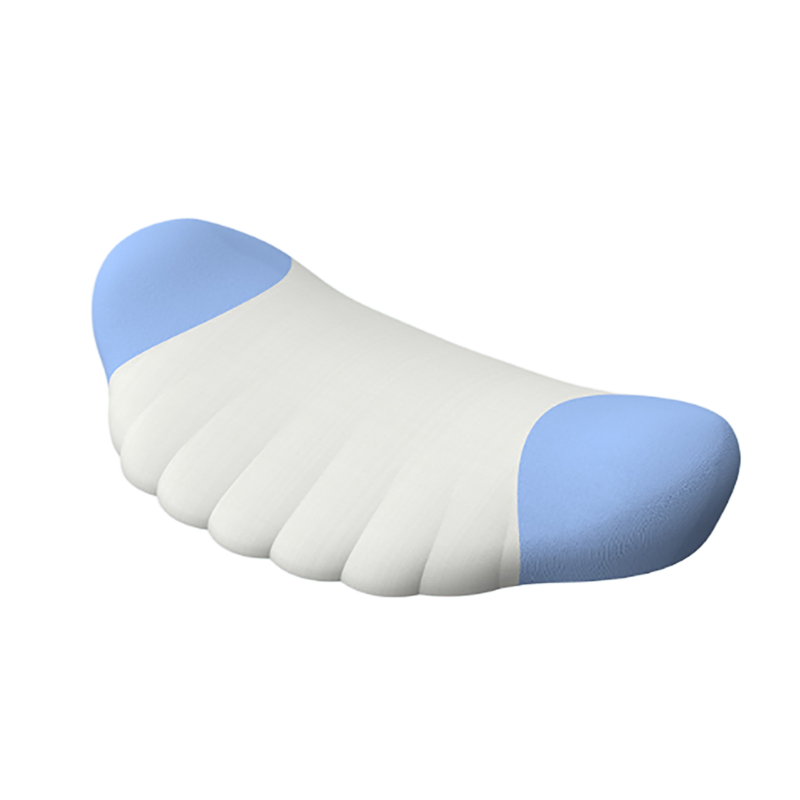
A full-length body pillow placed along your front provides a resting surface for your top arm and leg, preventing the shoulder from collapsing inward and keeping the spine in a neutral lateral alignment. Memory foam body pillows conform to the body's curves more precisely than polyester fill options and tend to maintain their shape better over time. The sustained support reduces the unconscious positional shifting that occurs when support is inadequate, helping you stay on your left side longer during the night.
Knee Pillow for Hip Alignment
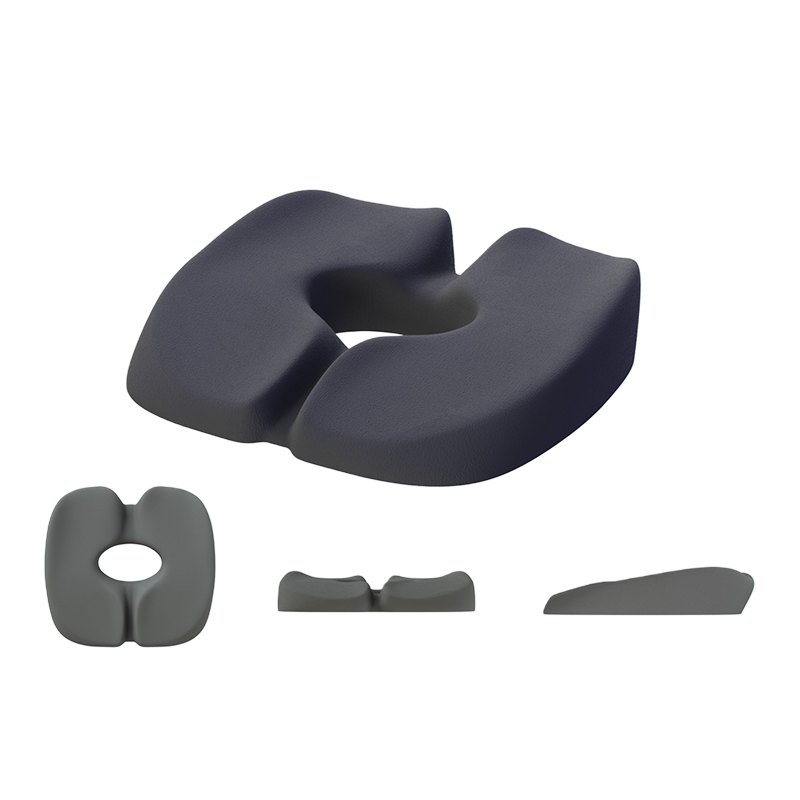
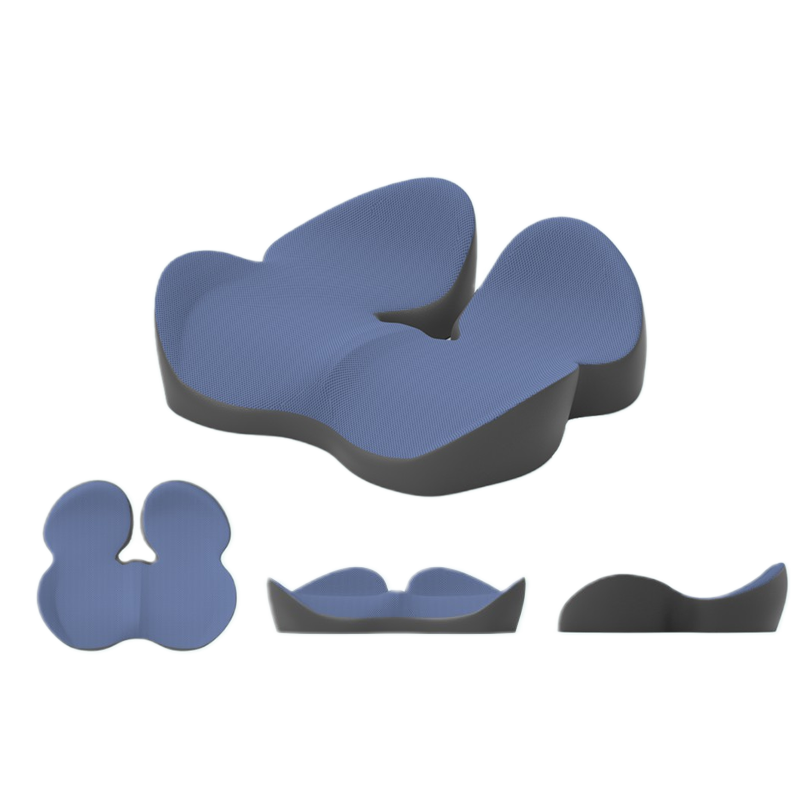
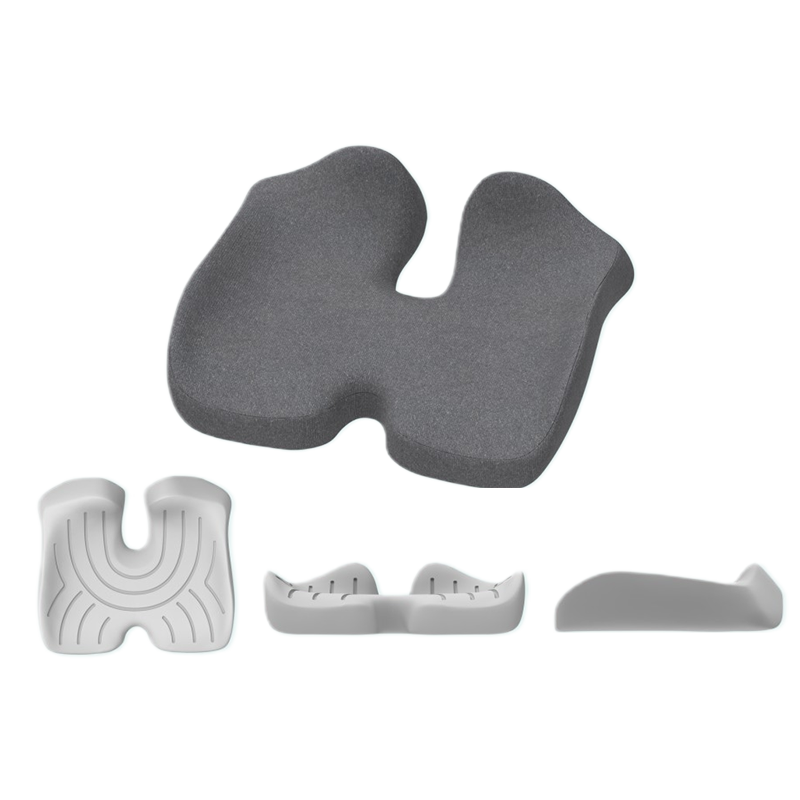
When side sleeping, the top hip tends to rotate forward and downward due to gravity, creating a torquing force on the lumbar spine. Placing a pillow — ideally a contoured memory foam knee pillow — between the knees prevents this rotation, keeps the hips stacked, and reduces the lower back discomfort that drives people to change positions. Memory Foam Products designed specifically as knee pillows are shaped to stay securely between the knees without requiring conscious effort to hold in place, making them more effective than simply folding a standard pillow.
Head Pillow Loft for Side Sleeping
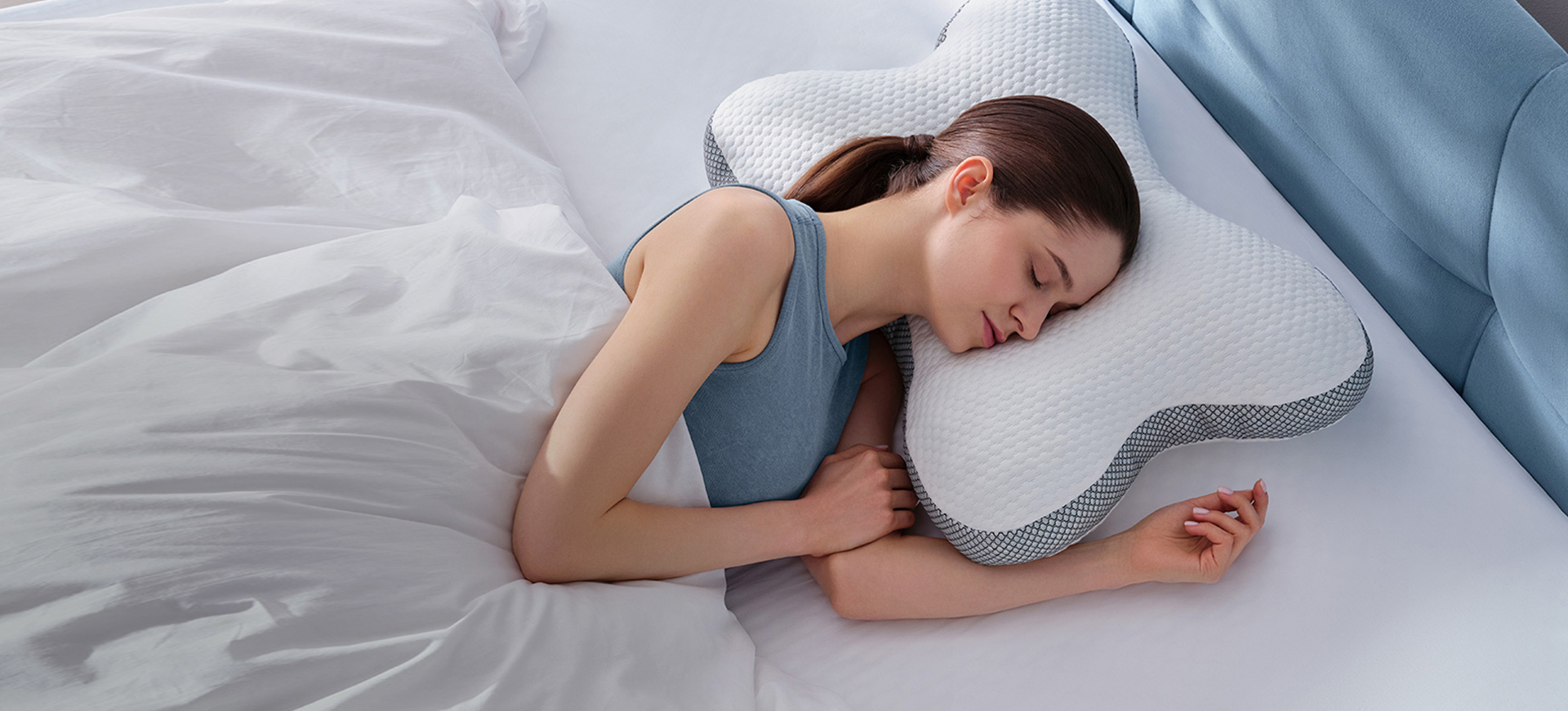
Side sleepers need a higher-loft pillow than back sleepers because the head needs to bridge the gap between the mattress surface and the shoulder. A pillow that is too flat causes the neck to tilt downward, creating tension that leads to nighttime waking. Memory foam contour pillows — which feature a higher loft on one side and a lower loft on the other — give side sleepers the option to choose the height that keeps their cervical spine in neutral alignment. Proper neck alignment reduces nocturnal awakenings, which in turn supports the uninterrupted sleep that helps regulate gut motility.
Wedge Pillow Under the Hips
Some people find that elevating the hips slightly with a wedge pillow while lying on the left side can further encourage colonic transit by tilting the descending colon at a more favorable angle. This is a less common approach but has anecdotal support from people who deal with both constipation and pelvic floor issues. A memory foam wedge pillow provides firm, consistent elevation without compressing under body weight the way softer materials do.
Pre-Sleep Habits That Relieve Constipation Before Bedtime
Getting your sleep surface and position right helps you manage constipation during the night. But a set of pre-sleep habits in the one to two hours before bed can actively move things along, so you are not dealing with maximum discomfort when you first lie down.
Evening Hydration Strategy
Dehydration is one of the most common causes of constipation. The colon absorbs water from stool as it passes through — if you are dehydrated, the colon absorbs more water than usual, resulting in harder, more difficult-to-pass stool. Drinking an adequate amount of water throughout the day is the primary intervention, but the evening timing of fluid intake matters too.
Drinking a large glass of warm water (about 240–300 ml) approximately 30 minutes before bed can help stimulate what gastroenterologists call the gastrocolic reflex — a reflexive increase in colon motility that is triggered by stomach distension. Warm water specifically may be more effective than cold water; a 2018 study from the Journal of Neurogastroenterology and Motility found that warm water consumption was associated with faster colonic transit times compared to cold water in participants with functional constipation.
Avoid consuming large amounts of liquid within 60 minutes of lying down if you already deal with nocturia (waking up to urinate at night), as frequent urination will further fragment your sleep.
Abdominal Massage Before Bed
Colon massage — following the anatomical path of the large intestine — is a well-documented, non-pharmacological technique for promoting bowel movement. The standard protocol involves lying on your back and using gentle circular pressure to massage from the lower right abdomen upward (following the ascending colon), across the top of the abdomen (transverse colon), and then downward on the left side (descending colon). This mimics and encourages the natural peristaltic movement of the colon.
A 2011 randomized controlled trial published in the Journal of Gastroenterology and Hepatology found that patients with chronic constipation who performed daily abdominal massage for 8 weeks experienced a significant reduction in constipation severity scores and an increase in weekly bowel movement frequency compared to the control group. Doing this massage for 10–15 minutes before bed, while lying on your mattress, is a practical way to integrate it into your routine.
Gentle Evening Yoga Poses
Several yoga poses are particularly effective at stimulating digestion and promoting bowel movements, and they are gentle enough to perform in the hour before sleep without overstimulating the nervous system. The most effective ones include:
- Wind-Relieving Pose (Pawanmuktasana): lying on your back and drawing both knees to your chest, applying gentle pressure to the abdomen
- Seated Forward Fold: compresses the abdomen and stimulates the digestive organs
- Supine Spinal Twist: promotes circulation to the abdominal organs and can help release gas buildup that contributes to bloating and discomfort
- Child's Pose: gently compresses the bowel and promotes parasympathetic relaxation simultaneously
Hold each pose for 60–90 seconds and breathe deeply into the abdomen. Performing these on a yoga mat next to your bed makes them easy to incorporate as a winding-down ritual.
Evening Dietary Considerations
What you eat in the evening directly affects whether you will be dealing with constipation at bedtime. High-fat, high-protein, low-fiber evening meals slow colonic transit significantly. Processed foods with minimal fiber content give the colon very little material to work with and can stall bowel movements entirely.
Foods that are particularly helpful in the evening hours include kiwifruit (two kiwis per day were shown to significantly improve constipation symptoms in a 2021 study published in the American Journal of Gastroenterology), prunes or prune juice (which contain sorbitol, a natural osmotic laxative), warm herbal teas such as senna leaf tea or peppermint tea (which has antispasmodic properties for the digestive tract), and high-fiber foods like cooked leafy greens, legumes, or a small portion of whole grains.
Avoid dairy products in the evening if you are lactose-sensitive, as they can worsen constipation. Similarly, minimize alcohol and caffeine after midday — both are dehydrating and can slow gut motility.
Managing Constipation Discomfort During the Night If You Wake Up
Even with the right preparation, constipation may still wake you up during the night. Having a plan for managing this discomfort quickly can mean the difference between getting back to sleep within 15 minutes or lying awake for hours.
Get Up and Walk Briefly
Three to five minutes of slow walking immediately stimulates the gastrocolic reflex and gets the colon moving again. This is more effective than simply shifting positions in bed. Many people find that a short walk to the bathroom and back, even if they do not need to use it immediately, triggers a bowel movement within 10–20 minutes. The key is to keep the lights dim to avoid suppressing melatonin and making it harder to get back to sleep.
Apply Warm Compress to the Abdomen
A warm compress or a heat pad applied to the lower left abdomen for 10–15 minutes can reduce cramping and stimulate bowel activity. Heat increases local blood flow and relaxes smooth muscle, which is exactly the type of muscle that lines the colon and drives peristalsis. Keep a microwavable heat pack accessible on your nightstand if constipation-related nighttime waking is a recurring issue.
The Squatty Potty Position
If you feel the urge to have a bowel movement during the night, using a toilet footstool (commonly marketed as Squatty Potty) changes the anorectal angle from approximately 90 degrees to a more natural 35 degrees, which straightens the path from the sigmoid colon to the rectum and reduces the muscular effort required to pass stool. A 2019 study in the Journal of Clinical Gastroenterology found that use of a footstool during defecation resulted in shorter defecation time and more complete bowel emptying compared to sitting in the standard position.
Return to Bed in the Left-Side Position
After any nighttime activity, return to bed and immediately reassume the left-side fetal position with your knee pillow in place. Avoid checking your phone or other screens during the night, as blue light exposure even for a few minutes significantly delays melatonin re-secretion and extends the time it takes to fall back to sleep.
Chronic Constipation and Sleep: When the Pattern Repeats
For people dealing with constipation that occurs three or more times per week for extended periods, the nighttime management strategies above need to be part of a broader, systematic approach. Isolated episodes of constipation are typically resolved with dietary and lifestyle adjustments. Chronic constipation — defined as having fewer than three bowel movements per week for at least three months — often has underlying causes that need to be addressed specifically.
Fiber Intake Assessment
The American Gastroenterological Association recommends 25–38 grams of fiber per day for adults, but the average American consumes only about 15 grams daily, according to the Academy of Nutrition and Dietetics. Systematically increasing soluble fiber intake (from oats, apples, psyllium husk, and beans) and insoluble fiber (from whole grains, vegetables, and nuts) over a period of several weeks — increasing too quickly can cause gas and bloating — is one of the highest-leverage interventions available.
Physical Activity and Gut Motility
Regular aerobic exercise is one of the most effective non-dietary interventions for chronic constipation. A meta-analysis published in the Scandinavian Journal of Gastroenterology found that physically active individuals have colonic transit times approximately 30–40% faster than sedentary individuals. Even 20–30 minutes of walking daily can produce meaningful improvements in bowel movement frequency. Morning exercise is especially useful because it tends to trigger the gastrocolic reflex more strongly than exercise at other times of day.
Sleep Hygiene as a Digestive Intervention
Improving general sleep quality has direct benefits for gut health, independent of any specific constipation interventions. A consistent sleep schedule — going to bed and waking at the same time daily, including weekends — regulates the circadian rhythm of the gut. The colon's motility follows a circadian pattern, with activity highest in the morning after waking and lowest at night. Disrupting your circadian rhythm through irregular sleep schedules or shift work desynchronizes this gut clock, contributing to both constipation and diarrhea.
Stress Management
Chronic stress is a well-established contributor to constipation, working through the gut-brain axis to alter bowel motility and intestinal secretion. Practices that reduce baseline stress levels — including meditation, breathing exercises, progressive muscle relaxation, and adequate time outdoors — have been shown to improve bowel movement frequency in people with stress-related functional constipation. These same practices also improve sleep quality, creating a double benefit.
Building Your Nighttime Constipation Relief Routine: A Practical Framework
Applying all of the above information into a consistent, easy-to-follow nightly routine makes a significant difference in outcomes. The following framework pulls together the most evidence-supported elements into a sequence that can be followed on any night you are experiencing constipation discomfort.
2 Hours Before Bed: Dietary Adjustments
Finish eating at least 2 hours before you plan to sleep. If you have not eaten much fiber during the day, a small high-fiber snack — such as a handful of dried prunes or a kiwifruit — can help stimulate overnight transit. Avoid heavy, fatty meals at this stage. Drink a glass of warm water or herbal tea.
60 Minutes Before Bed: Movement and Massage
Spend 10 minutes doing gentle yoga poses or a brief walk. Follow with a 10-minute abdominal massage following the colon's anatomical path. This combination is consistently cited in clinical literature as more effective than either intervention alone for promoting bowel movement before sleep.
30 Minutes Before Bed: Environment Setup
Prepare your sleep surface. Set up your knee pillow, body pillow, and head pillow for left-side sleeping. If you use a memory foam mattress topper, check that it is properly positioned. Dim the lights and lower the room temperature to between 60–67°F (15–19°C), which research from the Journal of Physiological Anthropology identifies as the optimal sleep temperature range for adults. A cooler room also supports the core body temperature drop that facilitates the parasympathetic state associated with gut relaxation.
At Bedtime: Position and Relax
Lie on your left side in the fetal position with your knee pillow between your knees and your body pillow supporting your front. Focus on slow, deep abdominal breathing — inhaling for 4 counts, holding for 2, exhaling for 6. This breathing pattern activates the parasympathetic nervous system and can begin to ease abdominal tension within 5–10 minutes. Avoid screens for at least 30 minutes before this point.
If You Wake Up During the Night
Follow the nighttime waking protocol: brief walk in dim light, warm compress if needed, attempt a bowel movement with a footstool, and return to the left-side position. Do not check your phone or turn on bright lights. Keep the intervention calm and brief. Most people find that this routine either produces a bowel movement relatively quickly or reduces discomfort enough to allow them to fall back to sleep within 20–30 minutes.
Morning: Capitalize on the Gastrocolic Reflex
The most powerful natural stimulus for a bowel movement is the gastrocolic reflex triggered by eating breakfast, particularly after the overnight fast. Drinking a glass of warm water upon waking, followed within 20–30 minutes by a fiber-rich breakfast, is the most reliable way to produce a morning bowel movement. Allowing yourself adequate time in the morning — rather than rushing — means you can respond to the urge immediately, which is important because suppressing the urge repeatedly over time weakens the rectal reflex and contributes to chronic constipation.
The Role of Memory Foam Products in Long-Term Digestive Sleep Health
While no mattress or pillow can cure constipation, the cumulative effect of sleeping better — more deeply, with fewer awakenings, in the right position — over weeks and months has measurable impacts on digestive health. Sleep quality directly influences gut microbiome composition, according to research from the International Journal of Environmental Research and Public Health, which found that people who achieved seven or more hours of quality sleep per night had significantly greater microbial diversity in their gut — a marker strongly associated with healthy bowel function.
Memory foam products contribute to this by resolving the mechanical factors that disrupt side sleeping: pressure point discomfort, positional rolling, and heat buildup. A person who consistently sleeps six hours of fragmented sleep on a poorly supportive mattress versus seven to eight hours of consolidated sleep on a well-fitted memory foam system is dealing with two fundamentally different physiological environments in terms of what their gut is capable of doing overnight.
The investment in quality sleep infrastructure — mattress, pillows, and positioning accessories that genuinely support your body's needs — pays off not just in subjective comfort but in measurable health outcomes including digestive regularity. When people report that a new mattress "fixed" digestive issues, they are usually describing this cascade: better positional support led to longer, deeper sleep, which restored parasympathetic gut tone, which normalized bowel patterns over weeks of consistent rest.
Memory Foam Products specifically excel in this application because their viscoelastic properties address side sleepers' primary comfort barriers more effectively than other materials at comparable price points. The combination of pressure relief, motion isolation, and body-conforming support makes them the most practically useful category for someone committed to using sleep position as a constipation management tool.
If you are currently sleeping on a mattress older than 7–8 years, or on an innerspring mattress with minimal cushioning, transitioning to a memory foam or hybrid memory foam option is likely to produce noticeable improvements in both sleep quality and any constipation symptoms that are partially driven by poor sleep. Starting with a memory foam mattress topper — placed on top of your existing mattress — is a lower-cost entry point that still delivers a substantial portion of the pressure relief and motion isolation benefits of a full foam mattress.