

 English
 عربى
عربى
Content
- 1 Understanding What a Memory Foam Mattress Cover Actually Is
- 2 What You Need Before You Start Cleaning
- 3 Step-by-Step: Washing a Removable Memory Foam Mattress Cover
- 4 Cleaning a Non-Removable or Attached Memory Foam Mattress Cover
- 5 How to Remove Common Stains from a Memory Foam Mattress Cover
- 6 Removing Odors and Freshening the Cover
- 7 Proper Drying Techniques That Protect the Foam
- 8 How Often Should a Memory Foam Mattress Cover Be Cleaned
- 9 Seasonal Care Considerations
- 10 Mistakes That Commonly Damage Memory Foam Mattress Covers
- 11 Long-Term Maintenance Tips for a Cleaner Mattress
- 12 Storing a Memory Foam Mattress Cover Properly
- 13 Frequently Asked Questions
- 13.1 Can a memory foam mattress cover be washed in a washing machine?
- 13.2 Can water damage memory foam under the cover?
- 13.3 Is it safe to use a dryer on a memory foam mattress cover?
- 13.4 How long does it take for a mattress cover to dry after washing?
- 13.5 What is the best way to remove yellow stains from a mattress cover?
- 13.6 Can vinegar be used safely on a memory foam mattress cover?
- 13.7 Should a mattress protector be used along with the cover?
- 13.8 Why does a mattress cover sometimes smell musty even after washing?
- 13.9 How can dust mites be reduced on a memory foam mattress cover?
- 13.10 Is it normal for a mattress cover to shrink slightly after the first wash?
If your memory foam mattress cover has a removable, zippered shell, the fastest and safest method is to unzip it, machine wash it on a cold, gentle cycle with a mild detergent, and air dry it flat away from direct heat. If the cover is not removable or is bonded to the foam layer, you should never submerge it in water. Instead, use a light spot-cleaning method with a diluted detergent solution, blot the moisture out completely, and allow it to air dry for at least 24 hours before putting sheets back on. Heat is the biggest enemy of memory foam, so a dryer, iron, or direct sunlight for long periods should always be avoided, since high temperatures can break down the foam structure and shorten the life of the mattress cover. The sections below cover every situation a household is likely to run into, from routine upkeep to stubborn stains, fabric types, seasonal changes, and long-term storage.
Understanding What a Memory Foam Mattress Cover Actually Is
A memory foam mattress cover is the outer fabric layer that wraps around a memory foam mattress or a memory foam topper. It is different from a mattress protector, which is usually a thinner, waterproof layer added on top for extra defense against spills. A mattress cover is often part of the mattress construction itself, made from a knit fabric blend that stretches to hug the foam underneath while still allowing air to pass through. Common fabric types include polyester jersey knit, cotton-polyester blends, bamboo-derived rayon, and Tencel lyocell, each with slightly different washing tolerances.
Because memory foam itself is an open-cell polyurethane material, it reacts very differently to moisture and heat compared to the cover fabric surrounding it. The foam can trap water for a long time if it gets wet, which is why cleaning instructions almost always separate the two components: the removable fabric shell can typically be washed, while the foam core itself should never be washed, soaked, or placed in a dryer under any circumstance.
Removable Versus Non-Removable Covers
Some manufacturers design mattresses with a fully removable, zippered cover meant to be taken off periodically for washing. Others bond the fabric cover directly to the foam during manufacturing so that it cannot be separated without damaging the mattress. Checking the seams and looking for a zipper along one edge, usually at the base or side of the mattress, is the quickest way to figure out which type is being dealt with before starting any cleaning process.

What You Need Before You Start Cleaning
Having the right supplies ready before beginning will make the entire cleaning process faster and reduce the risk of damaging the memory foam mattress cover. Most of these items are already common household products, so a special trip to the store is rarely needed.
- A mild, unscented liquid laundry detergent or dish soap
- A spray bottle for diluted cleaning solution
- Two or three clean, absorbent white towels or microfiber cloths
- A soft-bristle brush or an old, clean toothbrush for stains
- White vinegar for odor neutralizing
- Baking soda for deodorizing the fabric
- A handheld vacuum with an upholstery attachment
- A drying rack or a flat, well-ventilated surface indoors
- A small bowl for mixing spot-treatment solutions
Avoid bleach, fabric softener, and heavily scented detergents on a memory foam mattress cover. Bleach can weaken stretch fabrics such as spandex blends, while fabric softener tends to leave a residue that reduces the breathability of the cover over time. Enzyme-based stain removers should also be used sparingly and always tested on a hidden corner first, since some fabric blends react to enzymes with slight discoloration.
Step-by-Step: Washing a Removable Memory Foam Mattress Cover
Many modern memory foam mattress covers, especially those sold as separate protectors or with zip-off shells, are labeled machine washable. Always check the care tag first, since instructions can differ between brands and fabric blends such as cotton, bamboo, or polyester jersey.
Unzip and Separate the Cover
Carefully unzip the mattress cover from the foam core. Pull slowly along the zipper track to avoid snagging the fabric, and never force a stuck zipper, since this is one of the most common causes of tears. If the zipper feels stiff, rubbing a small amount of bar soap or a dedicated zipper lubricant along the teeth can help it glide more smoothly.
Shake Out Loose Debris
Before washing, take the cover outdoors or over a trash bin and shake it out to remove loose dust, hair, and skin cells. This prevents excess debris from clogging the washing machine filter and improves how thoroughly the wash cycle can clean the fabric.
Pre-Treat Visible Stains
Apply a small amount of diluted detergent directly to any visible marks and let it sit for five to ten minutes before washing. This softens dried stains such as sweat, oils, or light spills so the wash cycle can lift them more effectively.
Machine Wash on Cold and Gentle
Place the cover in the washing machine alone or with similar light-colored items. Use a cold water setting and a gentle or delicate cycle with a mild detergent. Hot water can cause shrinkage in stretch-knit fabrics commonly used for memory foam covers, and a high spin speed can also stretch out the elastic edges over repeated washes.
Skip the Dryer
Remove the cover promptly once the cycle ends. Reshape it by hand and lay it flat on a drying rack or over a clean surface indoors, away from radiators, heaters, or direct sun exposure. Leaving a wet cover balled up in the washer for hours can encourage mildew smell, so timing the removal matters.
Check for Full Dryness
Press a dry hand against several areas of the fabric, including the seams and corners, which tend to hold moisture longer than flat sections. Seams often dry more slowly because the layered stitching traps more fabric together.
Reassemble Once Fully Dry
Only zip the cover back over the memory foam once it is completely dry to the touch, inside and out. Trapped moisture between the cover and the foam can encourage mold and mildew growth within a matter of days, particularly in warm or humid bedrooms.
Cleaning a Non-Removable or Attached Memory Foam Mattress Cover
Some mattress covers are stitched or bonded directly to the foam and cannot be removed or machine washed. For these, spot cleaning is the only safe method, since submerging memory foam in water can cause the material to break down and take an extremely long time to dry all the way through.
Spot Cleaning Method
- Mix one tablespoon of mild liquid detergent with two cups of cold water in a spray bottle.
- Lightly mist the stained area rather than soaking it, keeping the fabric only damp.
- Gently rub the area with a soft cloth or brush using small circular motions.
- Blot with a dry towel repeatedly to lift both the stain and the moisture out of the fabric.
- Rinse by lightly misting with plain cold water, then blot dry again.
- Allow the area to air dry fully, using a fan to speed up airflow if needed.
- Repeat the process on stubborn stains rather than increasing the amount of liquid used at once.
Never pour water directly onto a memory foam mattress cover, and avoid pressing down hard, since excess moisture can seep into the foam layer underneath and become difficult to dry out completely. A wet-vacuum or handheld extraction device set to a very light suction and minimal water output can also help pull moisture back out immediately after spot cleaning.

How to Remove Common Stains from a Memory Foam Mattress Cover
Different types of stains respond better to different treatments. The table below outlines practical approaches for some of the most frequent stains found on mattress covers.
| Stain Type | Recommended Solution | Notes |
|---|---|---|
| Sweat marks | Equal parts white vinegar and cold water | Blot only, never scrub aggressively |
| Light beverage spill | Mild detergent and cold water mist | Treat as soon as possible |
| Body oils | Dish soap diluted in cold water | Dish soap cuts through oil residue well |
| Dried old stains | Baking soda paste, left for 15 minutes | Vacuum residue after it dries |
| Blood or protein-based stains | Cold water only, never warm or hot | Heat sets protein stains permanently |
| Ink marks | Small amount of rubbing alcohol on a cloth | Test on a hidden area first |
| Pet accidents | Diluted vinegar solution followed by baking soda | Blot liquid out before treating, do not rub in |
Removing Odors and Freshening the Cover
Even without visible stains, a memory foam mattress cover can absorb body odor and moisture over months of regular use. A simple two-step deodorizing routine can be done every few weeks to keep it smelling fresh.
Baking Soda Deodorizing Method
Sprinkle a light, even layer of baking soda across the entire surface of the cover. Let it sit for at least thirty minutes, or up to several hours for stronger odors, since baking soda works by absorbing moisture and neutralizing acidic compounds that cause smell. Afterward, vacuum the surface thoroughly using an upholstery attachment, working in slow, overlapping passes to pull the powder out of the fabric fibers.
Vinegar Spray Method
For persistent odors, lightly mist the surface with a mixture of one part white vinegar to three parts water. The vinegar smell fades completely within a few hours as it dries, taking odor-causing bacteria with it. This is particularly useful for covers that cannot be machine washed.
Sunlight Airing, Used Carefully
A brief period of indirect sunlight, limited to thirty to sixty minutes, can help air out a mattress cover between washes. This should not be confused with leaving the cover in direct, intense sun for hours, which can fade fabric color and weaken elastic threads over repeated exposure.
How Often Should a Memory Foam Mattress Cover Be Cleaned
A general guideline followed by many bedding manufacturers is to wash a removable mattress cover once every one to two months under normal use, and to spot clean stains as soon as they happen rather than waiting for a scheduled wash. Households with pets, young children, or allergy sensitivities often benefit from washing every three to four weeks instead. Vacuuming the surface weekly helps remove dust, dead skin cells, and dust mite debris between full washes, which also extends the time between deep cleanings.
Signs a Cover Needs Cleaning Sooner
A noticeable change in smell, visible discoloration, or a feeling of dampness when touching the fabric are all signs that cleaning should not be postponed. Waiting too long between cleanings allows body oils and sweat to build up in the fibers, which becomes progressively harder to remove the longer it sits.
Seasonal Care Considerations
Climate and season play a noticeable role in how a memory foam mattress cover should be maintained throughout the year.
Warm and Humid Months
During warmer months, sweat and humidity both increase, which means the cover accumulates moisture and odor more quickly. Increasing wash frequency slightly and using a fan or dehumidifier during drying helps prevent musty smells from developing in the fabric.
Cold and Dry Months
In colder seasons, indoor heating can dry out the air significantly, which actually helps a washed cover dry faster. However, static buildup can become more noticeable in synthetic fabric blends, so using a small amount of fabric-safe anti-static spray, if desired, can reduce clinging during use.
Mistakes That Commonly Damage Memory Foam Mattress Covers
Using Hot Water or the Dryer
Heat is the single most common cause of shrinkage and fiber breakdown in stretch-fabric covers. Even a low dryer setting can be too much for certain elastic blends.
Soaking a Non-Removable Cover
Pouring or spraying large amounts of water onto an attached cover risks saturating the memory foam underneath, which can take days to dry and may develop a musty smell if not addressed quickly.
Using Bleach or Strong Chemicals
Harsh chemicals can discolor fabric and break down the fibers that give the cover its stretch and softness over time.
Skipping the Care Label
Not all memory foam mattress covers are made the same way. Some use bamboo-derived fabric, others use cotton-poly blends, and each can react differently to detergents and washing temperatures.
Reassembling While Still Damp
Putting a slightly damp cover back onto the mattress traps that moisture against the foam, creating conditions that encourage mold growth within the enclosed space between the fabric and the foam surface.
Ignoring Small Stains Until They Set
Fresh stains lift out far more easily than ones that have had days or weeks to dry into the fabric fibers. Treating spots as soon as they are noticed makes every future cleaning session shorter and more effective.
Long-Term Maintenance Tips for a Cleaner Mattress
Beyond direct cleaning, a few ongoing habits can reduce how often deep cleaning is needed and help the mattress cover last longer overall.
| Habit | How Often | Benefit |
|---|---|---|
| Use a separate waterproof mattress protector | Always | Keeps spills away from the cover entirely |
| Vacuum the surface | Weekly | Removes dust and debris before it settles in |
| Air out the room daily | Daily | Reduces humidity buildup around the mattress |
| Wash bed sheets | Every one to two weeks | Reduces oil and sweat transfer to the cover |
| Rotate or flip the mattress if allowed | Every three to six months | Distributes wear more evenly across the cover |
Storing a Memory Foam Mattress Cover Properly
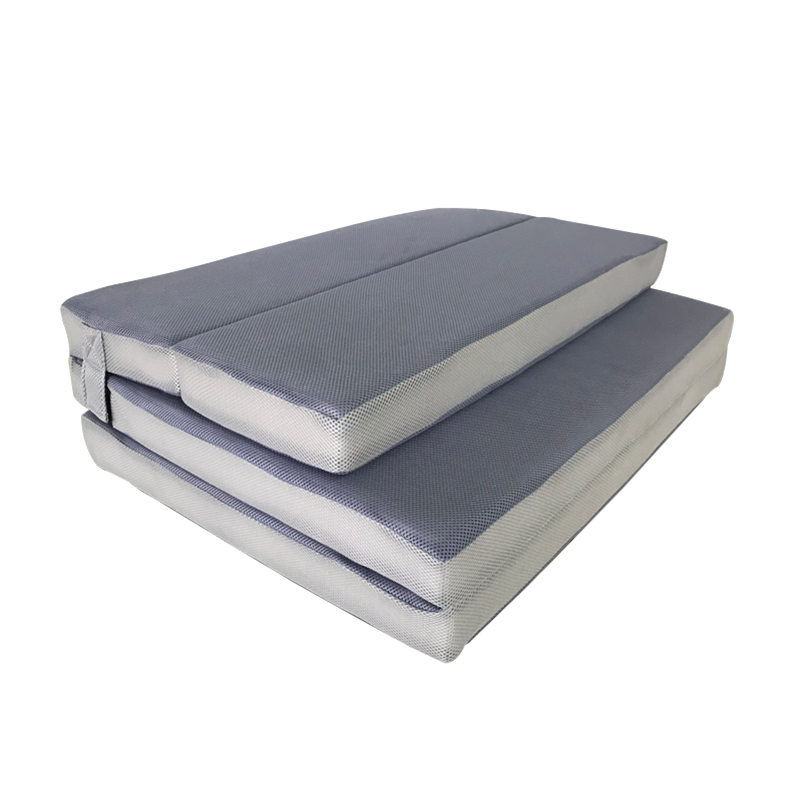
If a mattress cover needs to be stored temporarily, such as during a move or seasonal swap, it should always be completely dry before folding it into a storage bag. Storing a slightly damp cover, even one that feels dry to the touch on the surface, can lead to a musty smell developing inside a sealed bag within a matter of days.
A breathable cotton storage bag is generally a better choice than a fully sealed plastic bag, since it allows a small amount of air exchange that helps prevent trapped moisture. Storing the cover in a cool, dry closet rather than a damp basement or garage further reduces the risk of mildew developing during long-term storage.
Frequently Asked Questions
Can a memory foam mattress cover be washed in a washing machine?
Yes, if it is a removable, zippered cover labeled machine washable on its care tag. Use a cold, gentle cycle with mild detergent and skip the dryer entirely.
Can water damage memory foam under the cover?
Yes. If water reaches the foam layer itself, it can take a long time to dry and may develop mold or an unpleasant odor. This is why non-removable covers should only be spot cleaned, never soaked.
Is it safe to use a dryer on a memory foam mattress cover?
It is generally not recommended. Dryer heat can shrink stretch fabrics and, in some cases, cause the cover to fit poorly afterward. Air drying flat is the safer option.
How long does it take for a mattress cover to dry after washing?
Typically between twelve and forty-eight hours depending on fabric thickness, room humidity, and airflow. A fan or dehumidifier can speed this up considerably.
What is the best way to remove yellow stains from a mattress cover?
A baking soda paste left on the stain for fifteen to twenty minutes, followed by a light detergent wash or spot clean, works well on most sweat-related yellow discoloration.
Can vinegar be used safely on a memory foam mattress cover?
Yes. Diluted white vinegar is a mild, effective odor neutralizer that is generally safe for most mattress cover fabrics and evaporates without leaving a lasting smell.
Should a mattress protector be used along with the cover?
Yes, using a separate waterproof mattress protector on top of the cover is one of the simplest ways to reduce how often the cover itself needs deep cleaning, since it intercepts most spills before they reach the fabric.
Why does a mattress cover sometimes smell musty even after washing?
A musty smell after washing usually means the cover was not completely dry before being stored or reassembled. Trapped moisture allows bacteria and mildew to grow, even in small amounts that are not immediately visible.
How can dust mites be reduced on a memory foam mattress cover?
Regular vacuuming with an upholstery attachment, frequent sheet washing, and keeping bedroom humidity moderate all help limit the conditions dust mites need to thrive in fabric surfaces.
Is it normal for a mattress cover to shrink slightly after the first wash?
A very small amount of shrinkage, often less than a few percent, can happen on the first wash of certain stretch-knit fabrics as the fibers settle. Following cold water and air-drying instructions closely minimizes this effect.