

 English
 عربى
عربى
Content
- 1 Can You Wash a Memory Foam Pillow in the Washing Machine?
- 2 Why Washing Machines Damage Memory Foam Pillows
- 3 Solid vs. Shredded: How Memory Foam Pillow Type Changes Everything
- 4 How to Properly Clean a Memory Foam Pillow — All Methods Explained
- 5 How to Machine Wash Your Memory Foam Pillow Cover
- 6 Drying a Memory Foam Pillow Properly — The Most Important Part
- 7 Routine Maintenance to Keep Your Memory Foam Pillow Clean Longer
- 8 Common Mistakes People Make When Washing Memory Foam Pillows
- 9 Signs Your Memory Foam Pillow Needs Cleaning Right Now
- 10 When to Replace Your Memory Foam Pillow Instead of Cleaning It
- 11 FAQ: Washing Memory Foam Pillows
Can You Wash a Memory Foam Pillow in the Washing Machine?
The short answer: for most Memory Foam Pillows, no — the foam core should never go into a washing machine. Machine agitation tears the cellular structure of solid memory foam, while excess water trapped deep inside the pillow creates the perfect environment for mold and mildew. However, there is an important distinction to understand from the start. Shredded memory foam pillows — where the fill consists of loose foam pieces rather than a single block — may tolerate a gentle machine cycle, but only if the care label explicitly permits it. The cover of virtually any memory foam pillow, on the other hand, is almost always machine washable.
If your pillow has a solid one-piece foam core, skip the washer entirely. Spot cleaning and hand washing in a tub are your safest routes. If you own a shredded memory foam pillow, check the tag first and follow exactly what the manufacturer recommends — some brands allow a delicate cycle with cold water, others do not. Regardless of pillow type, the foam itself should never go into a dryer. Heat breaks down memory foam and can cause permanent deformation.
Why Washing Machines Damage Memory Foam Pillows
Memory foam is an open-cell polyurethane material engineered to respond to body heat and pressure. Its structure — thousands of tiny interconnected air pockets — gives the pillow its characteristic feel and support. That same structure makes it vulnerable to mechanical stress and water saturation.
When a Memory Foam Pillow enters a washing machine, two damaging forces act on it simultaneously:
- Agitation: The spin cycle creates centrifugal force and tumbling motion that the open-cell foam cells simply cannot withstand. Cells tear, crack, and collapse unevenly, leaving the pillow lumpy and less supportive. According to sleep experts at Sleep Foundation, machine agitation can cause memory foam to lose its shape entirely and become permanently less supportive (sleepfoundation.org).
- Water retention: Memory foam acts like a dense sponge. Once saturated, it holds moisture deep in its core far longer than the surface suggests. Using or storing a pillow before it has dried completely — which can take 24 hours or more — puts you at serious risk of mold and mildew growth inside the foam.
- Heat damage: Dryer heat, even on a low setting, can melt or deform the foam. Some sources note that high heat may literally cause the foam to lose its viscoelastic properties, making it feel stiff rather than pressure-sensitive.
These three factors combine to explain why every major pillow authority — from The Company Store to GhostBed — consistently advises keeping the foam core out of the washing machine. The risk of permanent damage simply outweighs any convenience.
Solid vs. Shredded: How Memory Foam Pillow Type Changes Everything
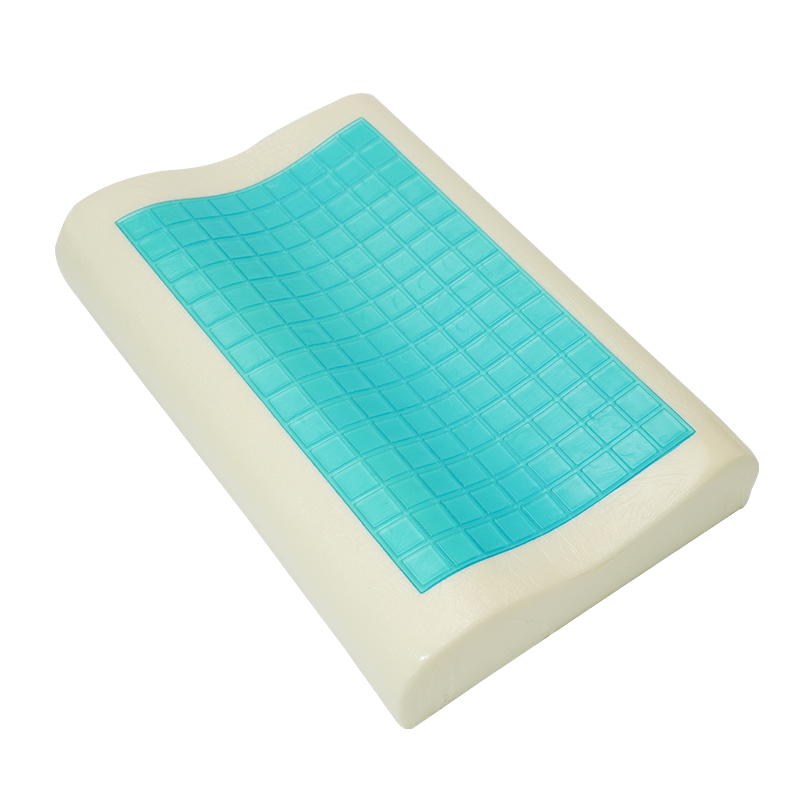
Not all Memory Foam Pillows are built the same way, and understanding the difference between solid and shredded foam changes which cleaning methods are available to you.
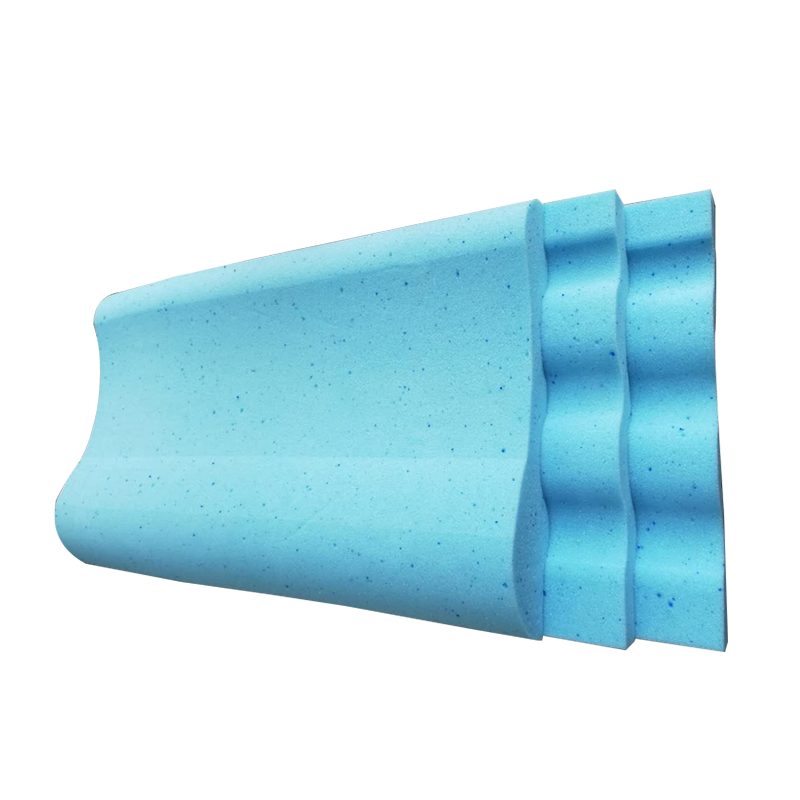
A single contiguous block of foam. The most common form. Popular for contour and cervical support pillows. Because the foam is one piece, water soaks into a large, undivided mass — making it extremely difficult to dry evenly and thoroughly. Machine washing almost always results in tearing or cracking. Cleaning method: spot clean or gentle hand wash only.
Filled with small, loose pieces of memory foam — sometimes mixed with other materials like microfiber. Because the fill is not a single block, some shredded designs tolerate a delicate machine cycle, provided the outer fabric casing is strong enough. However, as noted by Sleep Foundation, only follow this route if the manufacturer's care label specifically recommends it (sleepfoundation.org). Many shredded pillows still cannot be machine-washed.
| Feature | Solid Memory Foam | Shredded Memory Foam |
|---|---|---|
| Machine wash foam? | No | Only if care label says so |
| Machine wash cover? | Yes (check label) | Yes (check label) |
| Hand wash foam? | Yes, gently | Yes, with care |
| Spot cleaning? | Recommended first step | Recommended first step |
| Dryer? | No heat — never | Air-only or no-heat only |
| Drying time | 24 hours or more | 24–48 hours |
| Vacuum cleaning? | Yes — safe for all types | Yes — safe for all types |
How to Properly Clean a Memory Foam Pillow — All Methods Explained
There are three main approaches to cleaning a Memory Foam Pillow, each suited to different situations. Start with the gentlest method — spot cleaning — and only move to deeper methods when necessary.
Method 1: Spot Cleaning (Best for Fresh Stains)
Spot cleaning is the recommended first response for any stain on a memory foam pillow. It uses minimal water, protects the pillow's internal structure, and dries quickly. This should be your go-to for coffee spills, skin oil marks, or any isolated discoloration.
- Remove the pillowcase and any removable cover. Wash these separately in the machine on a gentle cycle.
- Mix a small amount of mild liquid detergent with lukewarm water — roughly one teaspoon of detergent per cup of water.
- Dip a clean, white cloth into the solution and wring out most of the liquid so the cloth is damp, not dripping.
- Blot the stained area, working from the outer edges of the stain toward the center. Never scrub — scrubbing spreads the stain and can damage the foam surface.
- Rotate the cloth to a clean section as the stain transfers onto it. Continue blotting until the stain lifts.
- Dampen a second clean cloth with plain water and blot the area again to remove any soap residue. Leftover detergent can attract more dirt over time.
- Press a dry towel firmly onto the area to absorb as much moisture as possible.
- Allow the pillow to air-dry completely in a well-ventilated area before putting it back in its cover. This may take several hours.
For stubborn stains such as blood or sweat build-up, an enzymatic cleaner diluted with water can be more effective than standard detergent. Spray lightly, blot, then rinse with a damp cloth.
Method 2: Full Hand Wash in a Bathtub (For Deeper Cleaning)
When spot cleaning is not enough — for example, after extended use without cleaning, or when odor has developed throughout the pillow — a hand wash in a bathtub provides deeper cleaning without the destructive agitation of a washing machine. Only proceed with this method if the care label does not explicitly prohibit submersion.
- Fill a clean bathtub or large basin with cool or lukewarm water. Avoid hot water — it sets stains rather than removing them.
- Add approximately 1 tablespoon of mild, gentle detergent per gallon of water. Mix until dissolved.
- Submerge the Memory Foam Pillow in the soapy water. Press down gently with both hands so the water permeates the foam. Do not twist, wring, or squeeze aggressively — this tears the foam cells.
- Continue pressing and releasing the pillow for several minutes, working the soapy water through the entire pillow.
- Drain the soapy water. Refill the tub with clean, cool water and submerge the pillow again. Press and release repeatedly until the water runs clear and no soap remains.
- Lift the pillow and press it gently against the side of the tub to expel as much water as possible. Never wring or twist.
- Lay the pillow flat on several large, dry towels. Roll the pillow inside the towels and press firmly to absorb more moisture. Repeat with fresh dry towels.
- Transfer the pillow to a flat, ventilated surface to air-dry. Allow at least 24 hours, flipping the pillow every few hours to ensure even drying. A fan placed nearby speeds up the process without using heat.
According to BedMart's care guide, you should not use the pillow or place it back in a pillowcase until it is completely dry at the core — even if the outside feels dry to the touch (shopbedmart.com). Moisture trapped inside fosters mold growth that you cannot see until it becomes a serious problem.
Method 3: Baking Soda and Vacuuming (For Odor and Dust Removal)
This dry method is ideal for regular maintenance and freshening between deep cleans. It removes dust, dead skin cells, and neutralizes odors without introducing any moisture to the foam.
- Remove the pillowcase and cover.
- Sprinkle a generous layer of baking soda evenly across one side of the Memory Foam Pillow.
- Let the baking soda sit for at least 30–60 minutes. For strong odors, leave it for up to two hours.
- Using the upholstery brush attachment on your vacuum cleaner, thoroughly vacuum the baking soda off the pillow surface.
- Flip the pillow over and repeat on the other side.
This method is safe for all memory foam types, including solid and shredded, and requires no drying time. Sleep Foundation recommends doing this quick freshening routine every 1–2 months between deeper cleans (sleepfoundation.org).
Method 4: Shredded Memory Foam — When Machine Washing Is Allowed
If you own a shredded Memory Foam Pillow and the care label explicitly states machine washing is permitted, here is the safest way to do it:
- Remove the outer pillow cover and wash it separately.
- Place the pillow in the washing machine. If washing only one pillow, add a large towel or second pillow to balance the drum load and reduce stress on the foam.
- Select a cold water, delicate or gentle cycle. Use a small amount of mild detergent — avoid fabric softeners, bleach, or harsh chemicals.
- Run an extra rinse cycle to ensure all detergent is removed from the foam.
- Remove the pillow immediately after the spin cycle ends. Do not leave it sitting wet in the drum.
- Press the pillow gently to expel water — do not wring. Lay flat on a ventilated surface to air-dry. Allow 24–48 hours. According to Puffy's care guide, positioning a fan or dehumidifier near the pillow and rotating it occasionally speeds drying significantly (puffy.com).
One brand-specific example from a shredded bamboo memory foam pillow manufacturer instructed: wash in cold water on a regular cycle with no bleach, washing two pillows at once to balance the machine, then tumble dry on permanent press with normal heat for 2–3 hours (bobistheoilguy.com). This illustrates that some shredded foam designs are more robust — but this guidance only applies to that specific product. Always default to your own pillow's care tag.
How to Machine Wash Your Memory Foam Pillow Cover
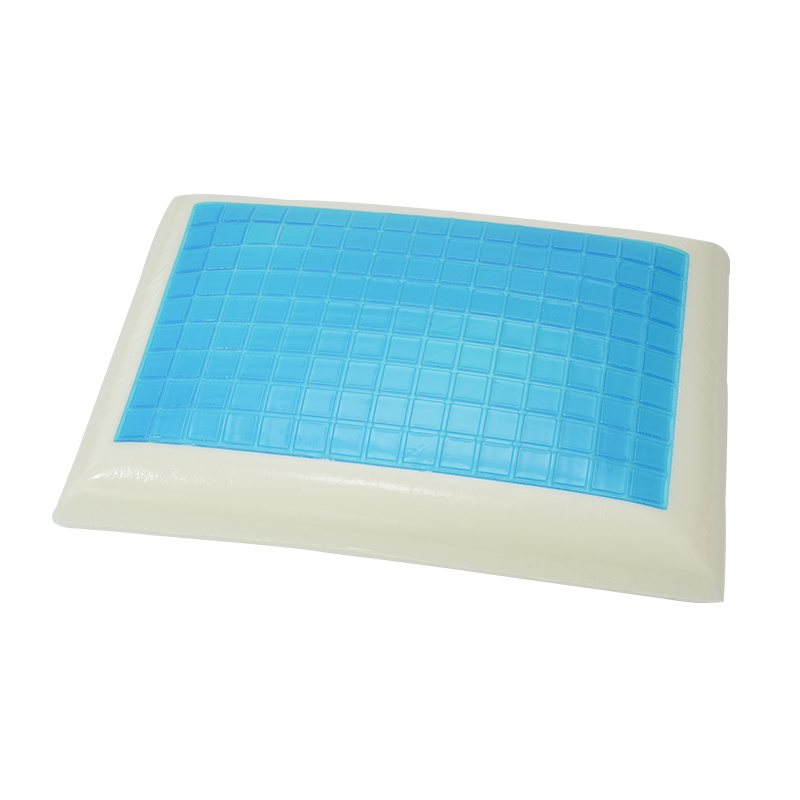
While the foam core of most Memory Foam Pillows is off-limits for the washing machine, the removable outer cover is an entirely different story. Most covers — whether bamboo, cotton, polyester, or blended fabrics — are designed to be removed and machine-washed regularly. This is actually a critical part of pillow maintenance, because a clean cover prevents sweat, oils, and dead skin cells from seeping down into the foam itself.
To machine wash the cover:
- Unzip the cover and remove it from the foam insert before washing.
- Check the care label for specific washing temperature recommendations. Most foam pillow covers wash well on a gentle or normal cycle in warm or cool water.
- Use a mild liquid detergent. Avoid bleach, which can weaken fabric fibers and irritate sensitive skin.
- Dry the cover on low heat or air-dry to prevent shrinking. Most covers can tolerate a low tumble-dry cycle.
- Wash the cover at least every 2–4 weeks alongside your pillowcase. More frequent washing is recommended if you sweat heavily during sleep.
Note that some covers — particularly those made from silk or specialty fabrics — may require hand washing or dry cleaning. Always refer to the tag on the cover itself, not just the main pillow label.
Routine Maintenance to Keep Your Memory Foam Pillow Clean Longer
The best cleaning routine is one that reduces how often deep cleaning is necessary. A few simple habits can extend the time between washes while keeping your Memory Foam Pillow fresh, supportive, and hygienic.
Use a Pillow Protector
A pillow protector is a zippered fabric barrier that goes between the memory foam and your pillowcase. It forms a washable shield against sweat, oils, dead skin cells, and allergens. BedMart recommends pillow protectors as one of the most effective tools for extending pillow life and reducing the frequency of deep cleaning (shopbedmart.com). Wash the protector every 1–2 months alongside your bedding.
Wash Your Pillowcase Weekly
Your pillowcase collects more sweat, bacteria, and skin oil than most people realize. Washing it every week — or at minimum every two weeks — significantly reduces how much of that material seeps down to the foam core. A clean pillowcase is the first layer of defense for your memory foam pillow.
Air Out the Pillow Regularly
Every few weeks, remove the pillowcase and cover and let the Memory Foam Pillow rest in a shaded, well-ventilated area for a few hours. This allows any accumulated moisture to evaporate and keeps the foam from developing musty odors. Avoid placing it in direct, intense sunlight for more than 30 minutes at a time.
Deodorize Monthly with Baking Soda
Even if the pillow does not have visible stains, a monthly baking soda treatment keeps odors from developing. Sprinkle, wait an hour, vacuum off. This is the quickest way to maintain freshness between major cleaning sessions.
Address Spills Immediately
The faster you act on a spill or stain, the easier it is to remove. Fresh stains respond to simple blotting with a damp cloth. Old, set-in stains require enzymatic cleaners and significantly more effort. Keep a mild detergent solution in a small spray bottle near your bedside for rapid response.
Schedule Deep Cleans Every 2–3 Months
Sleep Foundation recommends cleaning the foam at least twice a year, though every two to three months is better practice if you sleep with a warm body temperature or perspire heavily (sleepfoundation.org). Deep cleaning removes allergens, dust mites, and microbial buildup that accumulates invisibly over time.
Common Mistakes People Make When Washing Memory Foam Pillows
Many people who wash memory foam pillows for the first time end up damaging them because they apply the same logic used for regular cotton or down pillows. Here are the most frequent mistakes and how to avoid them:
Putting the Foam Core in the Washing Machine Assuming Gentle Cycle Is Safe
The "gentle" or "delicate" cycle still involves spin agitation and centrifugal force. For a solid memory foam block, even this level of movement is enough to cause tearing and structural collapse. A gentle cycle is only potentially appropriate for certain shredded foam designs, and only with explicit manufacturer approval.
Putting the Pillow in the Dryer on Low Heat
Even "low heat" in most residential dryers reaches temperatures that can warp, deform, or melt memory foam. The heat disrupts the viscoelastic properties that make the foam comfortable. Always air-dry. The only machine drying that may be acceptable for some shredded foam designs is a no-heat or air-fluff setting, and only if the manufacturer permits it.
Wringing or Twisting the Foam to Remove Water
Twisting the foam creates extreme internal stress that tears the open-cell structure. Always press water out gently, or roll the pillow inside dry towels. Even if the pillow looks intact after wringing, the internal damage may reduce its support noticeably within a few weeks of use.
Using the Pillow Before It Is Fully Dry
Memory foam retains moisture in its core long after the surface feels dry. A pillow that goes back into a pillowcase while still damp internally can develop mold or mildew within days. Always wait the full 24 hours (or 24–48 hours for shredded foam) and do a final squeeze test before returning the pillow to use.
Using Bleach or Harsh Chemical Cleaners
Bleach and strong chemical cleaners degrade the polymer structure of memory foam, leading to brittleness, discoloration, and reduced lifespan. They also leave chemical residues that may irritate skin or airways. Always use mild liquid detergent, enzyme-based cleaners designed for delicate materials, or a simple baking soda solution.
Washing in Hot Water
Hot water sets protein-based stains (blood, sweat) instead of releasing them, and it accelerates foam degradation. Always use cool or lukewarm water — never hot — when cleaning any memory foam material.
Signs Your Memory Foam Pillow Needs Cleaning Right Now
Many people clean their memory foam pillow on a schedule, but certain conditions call for immediate attention regardless of the last cleaning date.
- Yellow or brown discoloration: Often caused by accumulated sweat and skin oils oxidizing over time. This is a clear signal that a deep hand wash is needed.
- Persistent odor: A musty or sour smell indicates bacterial or mold growth inside the foam. Begin with baking soda treatment; if the smell persists after drying, a full hand wash may be necessary.
- Visible stains: Any stain visible through the pillowcase or cover requires spot cleaning. The longer a stain sits, the harder it is to remove.
- Allergy flare-ups during sleep: If you notice increased sneezing, congestion, or itchy eyes that correlate with sleep, your pillow may have accumulated enough allergens, dust mites, or mold spores to warrant a thorough clean. According to BedMart, memory foam pillows naturally resist dust mites, but this resistance diminishes when the foam becomes saturated with sweat and oils over time (shopbedmart.com).
- After illness: If you or a family member has been ill and used the pillow, clean it promptly once they have recovered to eliminate any remaining pathogens.
- Reduced support or uneven feel: If the pillow feels lumpy, flat, or fails to spring back to shape within a few seconds of pressing, this may indicate foam breakdown. Cleaning will not fix structural damage — at this point, replacement is the appropriate step.
When to Replace Your Memory Foam Pillow Instead of Cleaning It
Cleaning can extend the life of a Memory Foam Pillow, but no amount of cleaning reverses structural degradation. Knowing when to replace your pillow is just as important as knowing how to clean it.
Eachnight.com notes that memory foam pillows typically should be replaced every one to three years (eachnight.com). Higher-quality models may last up to three years with proper care; budget options may need replacing after 12–18 months.
| Symptom | Clean | Replace |
|---|---|---|
| Surface stain or odor | Yes | Not needed |
| Odor that persists after thorough cleaning and drying | Try once more | Strong signal to replace |
| Visible mold inside the foam | No | Yes — immediately |
| Pillow does not return to shape after pressing | No | Yes |
| Waking with neck pain or headaches | No | Yes — foam has lost support |
| Tears or cracks in the foam material | No | Yes |
| Pillow over 2–3 years old with regular use | Consider | Worth evaluating |