

 English
 عربى
عربى
Content
- 1 The Short Answer: How to Clean a Memory Foam Mattress Topper
- 2 Why Memory Foam Requires a Different Cleaning Approach
- 3 Supplies You Need Before You Start
- 4 Routine Maintenance: Keeping Your Memory Foam Mattress Topper Fresh Between Deep Cleans
- 5 Spot Cleaning Fresh Stains on a Memory Foam Mattress Topper
- 6 How to Remove Specific Stain Types From a Memory Foam Mattress Topper
- 7 How to Deep Clean a Memory Foam Mattress Topper by Hand
- 8 Dealing With Odors in a Memory Foam Mattress Topper
- 9 Proper Drying Techniques That Protect Your Memory Foam Mattress
- 10 How to Protect a Memory Foam Mattress Topper From Future Stains
- 11 When to Replace Rather Than Clean a Memory Foam Mattress Topper
- 12 Cleaning a Memory Foam Mattress Topper With a Cover vs. Without
- 13 Frequently Asked Questions About Cleaning Memory Foam Mattress Toppers
The Short Answer: How to Clean a Memory Foam Mattress Topper
You cannot toss a memory foam mattress topper in the washing machine. The agitation and water saturation will tear apart the foam cells and ruin its structure permanently. Instead, the correct approach depends on what you are dealing with: spot cleaning works for fresh stains, baking soda deodorizes the surface, and a gentle hand wash in a bathtub is reserved for full deep cleans. Drying completely — which can take 24 to 48 hours — is non-negotiable. Putting a damp memory foam mattress back on your bed creates mold within days.
This guide covers every scenario in detail, from a quick coffee spill at 11 PM to a full seasonal refresh of your memory foam mattress topper, along with the exact products and techniques that protect the foam rather than degrade it.
Why Memory Foam Requires a Different Cleaning Approach
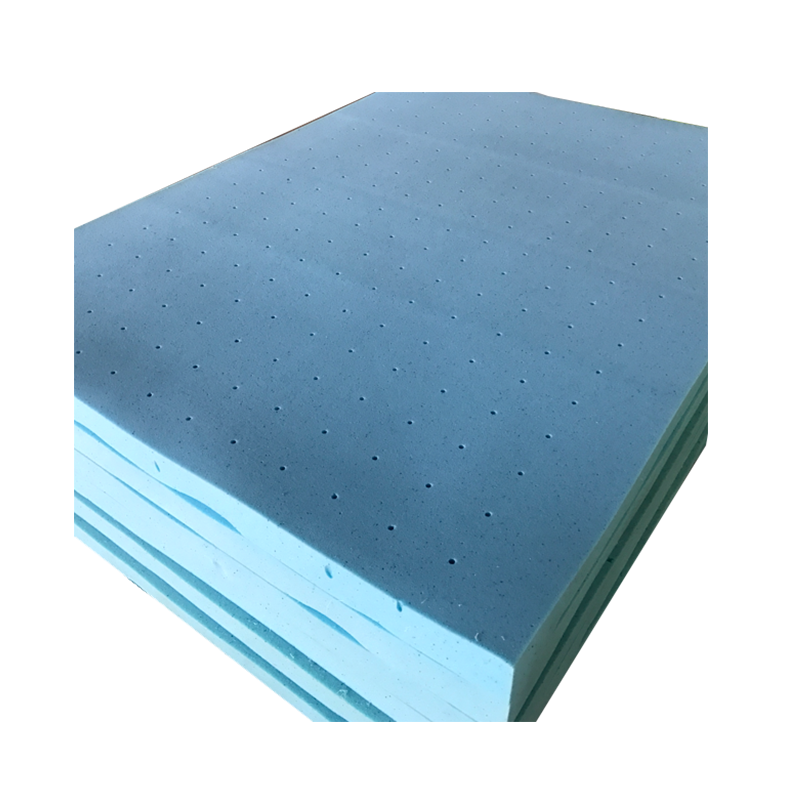
Standard mattress cleaning advice does not apply to memory foam. The material is viscoelastic polyurethane foam, engineered with millions of interconnected open cells that respond to heat and pressure. This is exactly what makes a memory foam mattress topper so comfortable — and exactly what makes it vulnerable to water.
When water penetrates deep into memory foam, those open cells trap moisture for extended periods. A 3-inch memory foam topper can hold water in its core for up to 72 hours even under ideal drying conditions. At room temperature and normal humidity, mold colonies can begin forming within 24 to 48 hours of water exposure. The foam also breaks down chemically when exposed to harsh detergents, heat above 50°C (122°F), or mechanical stress — which is why a washing machine is completely off-limits.
Understanding this helps explain every step in the cleaning process below. Every instruction exists to remove dirt and odor while keeping moisture exposure minimal and drying time as short as possible.
What Happens If You Machine Wash Memory Foam
Washing machine cycles create two problems simultaneously. First, the spin cycle applies centrifugal forces that physically tear apart the foam's cell structure, causing it to crumble or develop permanent depressions. Second, the foam absorbs an enormous volume of water — a queen-sized memory foam topper can absorb over 10 liters — making it nearly impossible to dry before mold sets in. Many people who machine wash their memory foam topper find it starts to fall apart in clumps within the first wash. That is not recoverable. The topper must be replaced.
Supplies You Need Before You Start
Having everything ready before you begin prevents the foam from sitting wet while you search for products. These are the items that cover every cleaning scenario for a memory foam mattress topper:
- White distilled vinegar (not apple cider vinegar, which leaves its own stain)
- Baking soda (at least one full box for a queen-sized topper)
- Mild liquid dish soap or enzyme-based laundry detergent
- Cold water in a spray bottle
- Multiple clean white cloths or microfiber towels
- A vacuum cleaner with an upholstery attachment
- Hydrogen peroxide 3% solution (for urine or blood stains)
- A fan or access to a well-ventilated space with low humidity
Avoid bleach entirely. Bleach degrades polyurethane foam at the molecular level, breaking down the cell walls and causing the foam to yellow, stiffen, and eventually crumble. Even diluted bleach solutions are too aggressive for memory foam.
Routine Maintenance: Keeping Your Memory Foam Mattress Topper Fresh Between Deep Cleans
Most of the work in keeping a memory foam mattress topper clean happens between washes. A solid maintenance routine reduces how often you need to do a full clean and significantly extends the topper's lifespan. Quality memory foam toppers cost anywhere from $80 to $400 depending on thickness and brand — regular maintenance protects that investment.
Weekly Airing and Vacuuming
Once a week, when you change your bed sheets, remove the memory foam topper and prop it up against a wall near an open window for at least 2 hours. This allows accumulated body moisture to evaporate from both surfaces. A human body releases approximately 500 mL of moisture per night through perspiration, much of which is absorbed by your mattress topper. Regular airing is the single most effective way to prevent odor buildup.
After airing, use the upholstery attachment on your vacuum cleaner and go over both sides of the topper in slow, overlapping passes. This removes dead skin cells, dust mites, pet dander, and hair that work their way through sheets and into the foam surface. Dust mites thrive in foam at temperatures between 20°C and 25°C — vacuuming regularly keeps their population manageable.
Monthly Baking Soda Treatment
Once a month, do the following:
- Strip the bed completely and take the topper outdoors or to a well-ventilated room.
- Sprinkle a generous, even layer of baking soda across the entire top surface.
- Let it sit for a minimum of 8 hours — overnight is ideal. Baking soda is a natural deodorizer that neutralizes acidic odor compounds rather than just masking them.
- Vacuum up all the baking soda thoroughly using the upholstery attachment.
- Flip the topper and repeat on the other side.
You can add 10 to 15 drops of lavender or tea tree essential oil to the baking soda before sprinkling if you want a light scent. Tea tree oil also has antimicrobial properties that offer a modest benefit against surface bacteria.
Spot Cleaning Fresh Stains on a Memory Foam Mattress Topper
Speed is critical with stains. The faster you act, the less the liquid penetrates into the foam's interior. A stain that is 5 minutes old will clean up in under 10 minutes. The same stain left for 3 hours may require 30 minutes of work and still leave a faint mark. Here is the correct process for fresh stains:
Step 1 — Blot, Never Rub
Use a clean dry cloth and press it firmly against the stain to absorb as much liquid as possible. Apply pressure and hold for 10 to 15 seconds, then lift straight up. Repeat with fresh sections of cloth. Rubbing spreads the stain outward and pushes it deeper into the foam — resist the instinct to scrub.
Step 2 — Apply a Cleaning Solution
Mix one teaspoon of mild dish soap with two cups of cold water in a spray bottle. Lightly mist the stained area — you want the surface damp, not soaked. Let the solution sit for 5 minutes to break down the stain. For protein-based stains like sweat, milk, or food, add one tablespoon of white vinegar to the mixture. The mild acidity helps denature proteins and lift them from the foam fibers.
Step 3 — Blot Again and Rinse
Blot the area again with a clean cloth, working from the outer edges of the stain toward the center to avoid spreading. Then lightly mist with plain cold water to rinse away soap residue. Blot dry again. Leaving soap in the foam causes it to attract dirt over time and can irritate skin. Repeat this rinse-and-blot cycle two to three times until no soap residue remains.
Step 4 — Accelerate Drying
Point a fan directly at the cleaned area and leave it running for at least 4 to 6 hours before replacing sheets. If possible, take the topper to a room with direct sunlight — UV light also has a mild antimicrobial effect. Do not use a hair dryer or any direct heat source. Memory foam begins to break down at temperatures above 50°C, and a hair dryer on high can easily exceed 80°C.
How to Remove Specific Stain Types From a Memory Foam Mattress Topper
Different stains respond to different treatments. Using the wrong approach — for example, hot water on a protein stain — can permanently set the stain into the foam. The table below summarizes the best approach for each common stain type:
| Stain Type | Best Cleaning Solution | Water Temperature | Key Tip |
|---|---|---|---|
| Urine | 3% hydrogen peroxide + baking soda + dish soap | Cold | Act within 30 minutes; enzyme cleaner for set stains |
| Blood | Cold water + small amount of dish soap | Cold only | Hot water sets blood permanently; hydrogen peroxide for dried blood |
| Sweat / Yellow stains | White vinegar + water (1:1 ratio) | Cold | Baking soda layer after vinegar neutralizes odor |
| Food and drink | Dish soap + cold water | Cold | Scrape solids off first before applying any liquid |
| Vomit | Enzyme-based cleaner + baking soda | Cold | Remove solids first; enzyme cleaner breaks down organic matter |
| Pet accidents | Enzyme-based pet odor cleaner | Cold | Enzyme cleaners are essential — regular soap cannot break down pet urine proteins |
Removing Urine Stains and Odor From a Memory Foam Mattress Topper
Urine stains are the most common and most challenging to deal with on a memory foam mattress. The uric acid crystals in urine bond to foam and re-activate every time they get damp — which is why a topper can smell like urine even after multiple cleanings if it was not treated correctly the first time.
For fresh urine, blot up as much as possible immediately, then mix: 240 mL of 3% hydrogen peroxide, 3 tablespoons of baking soda, and a few drops of dish soap. Apply this mixture to the stain using a spray bottle and let it sit for 10 to 15 minutes. The hydrogen peroxide oxidizes the uric acid, the baking soda neutralizes odor, and the soap lifts the residue. Blot dry and allow to air dry completely.
For old or set urine stains, a commercial enzyme cleaner is far more effective than a DIY solution. Products like Nature's Miracle or Rocco and Roxie contain protease enzymes that literally digest the organic compounds in urine. Apply generously, cover with a damp cloth to keep the cleaner active, and leave for 30 minutes to an hour before blotting dry. You may need to repeat the process two or three times for heavily set stains.
Removing Blood Stains From Memory Foam
The absolute rule for blood is cold water only. Blood contains hemoglobin, a protein that coagulates and permanently bonds to fibers when exposed to heat. Even warm water will set a blood stain. For fresh blood, blot up as much as possible, then apply a small amount of cold water mixed with a drop of dish soap. Blot and repeat. For dried blood, a small amount of undiluted 3% hydrogen peroxide applied directly to the stain will cause it to foam and lift the oxidized blood from the foam. Blot immediately after the foaming stops.
How to Deep Clean a Memory Foam Mattress Topper by Hand
A full hand wash in a bathtub should be done no more than once or twice a year. This method gives the topper a thorough clean while keeping moisture as controlled as possible. Plan this for a warm, dry day when you have access to outdoor space or excellent indoor airflow, because the drying process will take the entire day.
- Vacuum first. Before any water touches the topper, vacuum both sides thoroughly to remove surface debris. Wet debris is much harder to remove than dry debris.
- Fill a bathtub with lukewarm water. The water should be cool to the touch — body temperature at most, around 35°C to 37°C. Add a small amount of mild liquid detergent, no more than one tablespoon for a full bathtub.
- Submerge and gently press. Place the topper in the water and gently press down on it in sections. Do not wring, twist, or scrub. Use a circular pressing motion to work the soapy water through the foam. Spend about 5 minutes on this step for a standard queen-sized topper.
- Drain and rinse. Drain the soapy water, refill with clean lukewarm water, and repeat the gentle pressing motion to rinse. This step usually needs to be done two to three times until the water runs clear and no soap bubbles appear when you press the foam.
- Remove excess water. Carefully lift the topper out of the tub — it will be much heavier when wet. Press it gently against the side of the tub to squeeze out water, but never wring or twist it. Roll it loosely in several large dry towels and press firmly to absorb additional moisture.
- Dry flat in a ventilated space. Lay the topper flat on a clean surface, ideally outdoors in a shaded area with good airflow. Direct sunlight can yellow the foam over time with repeated exposure, so shade is preferable. Flip the topper every 2 to 3 hours to ensure even drying. Use fans to increase airflow. The topper must be completely dry before being placed back on the bed — press into the center of the foam to check; any coolness indicates remaining moisture.
At average room temperature with a fan running, a 2-inch topper typically dries in 8 to 12 hours. A 4-inch topper may need a full 24 hours. In humid climates or cooler temperatures, allow even more time. When in doubt, wait longer.
Dealing With Odors in a Memory Foam Mattress Topper
Memory foam naturally off-gasses when new — this is the distinctive chemical smell that accompanies most new foam products. It comes from volatile organic compounds (VOCs) used in the manufacturing process. This smell typically dissipates within 48 to 72 hours of initial unpackaging if the topper is aired out in a ventilated room. Speeding up this process by placing it outdoors in fresh air for a day is effective and safe.
Body odors that develop over months of use are addressed most effectively with the baking soda treatment described in the maintenance section above. For persistent or strong odors that do not respond to baking soda alone, a light spritz of diluted white vinegar (1 part vinegar to 2 parts water) applied to the surface and allowed to dry completely will neutralize most odor compounds. The vinegar smell itself dissipates completely as it dries, usually within an hour.
Mold odor is a distinct problem. If your memory foam mattress topper smells musty or earthy — similar to old paper or a damp basement — there is a high probability that mold or mildew is growing inside the foam. Surface mold can sometimes be treated with a solution of equal parts water and rubbing alcohol applied lightly to the visible area and allowed to dry completely in sunlight. However, mold that has penetrated the interior of memory foam cannot be safely removed, and the topper should be replaced. Sleeping on a moldy foam surface poses real respiratory health risks, particularly for people with asthma or mold sensitivities.
Proper Drying Techniques That Protect Your Memory Foam Mattress
Drying is where most people make mistakes. The urgency to get back to a usable bed leads to shortcuts that either damage the foam or leave hidden moisture behind. Here are the methods that work and the ones to avoid:
Safe Drying Methods
- Electric fan: The most practical method for indoor drying. Position the fan 30 to 60 cm from the topper and direct it across the surface. Flip the topper every 2 to 3 hours.
- Open air in shade: Ideal on a warm, breezy day with low humidity. Outdoor air movement dries foam much faster than still indoor air.
- Dehumidifier: Running a dehumidifier in the room significantly accelerates drying by lowering ambient humidity. Particularly useful in climates where outdoor humidity is high.
- Air conditioning: Running an air conditioner reduces indoor humidity and moves air, both of which help. More effective when combined with a fan.
Methods to Avoid
- Tumble dryer: Even on the lowest heat setting, the combined heat and mechanical tumbling will destroy the foam's structure. Some dryers set to "air only" and no heat are less damaging, but the physical movement is still a problem for most foam toppers.
- Hair dryer or heat gun: Concentrated heat above 50°C breaks down polyurethane. The foam will become brittle, lose its pressure-relieving properties, and may develop permanent hard spots.
- Direct sunlight for extended periods: Brief sun exposure is fine and beneficial for UV sterilization. However, leaving foam in direct sun for multiple hours repeatedly causes UV degradation, yellowing, and brittleness over time.
- Placing back on the bed before fully dry: This is the most common mistake and leads directly to mold growth inside the foam.
How to Protect a Memory Foam Mattress Topper From Future Stains
Prevention is dramatically more effective than cleaning. A good protector reduces how often you need to clean the foam itself and can double or triple the topper's useful lifespan.
Using a Waterproof Mattress Protector
A waterproof mattress protector placed over the memory foam topper (and under your fitted sheet) is the single most effective protective measure. Look for a protector with a terry cotton top layer and a thin polyurethane backing — this combination is breathable enough not to trap heat while still blocking liquid. Vinyl or plastic-backed protectors are waterproof but not breathable and create a sweaty sleeping environment that accelerates the growth of bacteria in the foam.
A quality waterproof protector costs between $30 and $80 and can be machine washed regularly. This is far more practical than trying to keep the foam itself clean. Wash the protector every 2 to 4 weeks along with your sheets.
Positioning the Topper Correctly
Place the memory foam topper on top of your mattress with the smooth side facing up (unless the manufacturer specifies otherwise). Ensure it is centered and fits the mattress dimensions correctly — a topper that hangs over the edge is more likely to flex and develop creases, which over time can cause the foam to crack at those stress points.
Rotating the Topper
Unlike innerspring mattresses, memory foam toppers should not be flipped (the top and bottom surfaces are typically different). However, rotating the topper 180 degrees every 3 to 6 months distributes wear evenly. This is particularly important for couples where one person is significantly heavier than the other, as the heavier side will develop a body impression more quickly without rotation.
When to Replace Rather Than Clean a Memory Foam Mattress Topper
Even with excellent care, memory foam toppers have a finite lifespan. Knowing when to replace rather than continue cleaning saves you time and money, and more importantly, ensures you are sleeping on a surface that is actually supporting your body correctly.
Consider replacement when you notice any of the following:
- Permanent body impressions deeper than 1.5 cm that do not recover within a few hours of getting out of bed. This indicates the foam cells have permanently collapsed and the topper no longer provides even support.
- Lumps, crumbling sections, or visible tears in the foam — signs of structural breakdown that cannot be repaired.
- A persistent musty odor that returns even after thorough cleaning — a strong indicator of mold deep within the foam.
- Visible mold patches that are widespread or that return after treatment.
- The topper is more than 3 to 5 years old and has been in regular daily use. High-quality toppers from reputable brands can last up to 5 years with good care; budget options often need replacement at 2 to 3 years.
- You are waking up with increased back or hip pain that was not present when the topper was newer — a sign it is no longer providing the pressure relief you need.
Memory foam toppers are not designed to last the same lifespan as a full memory foam mattress, which is typically 8 to 12 years. Toppers are thinner and experience more relative compression per unit of foam. When it is time to replace, recycle the old foam if possible — many furniture retailers accept foam for recycling rather than sending it to landfill.
Cleaning a Memory Foam Mattress Topper With a Cover vs. Without
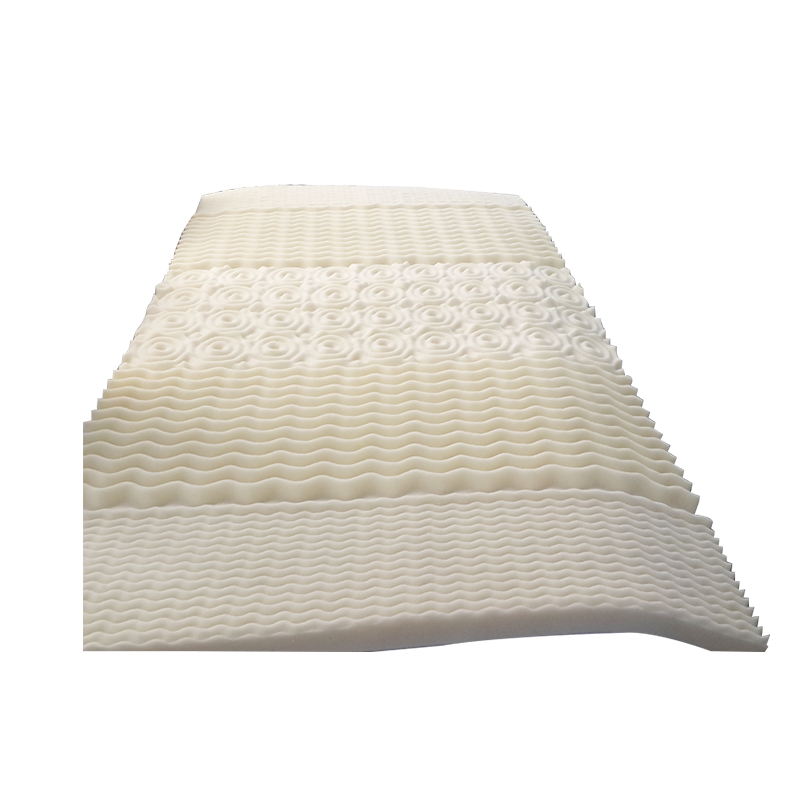
Many memory foam mattress toppers come with a removable fabric cover, typically made from bamboo, cotton, or a polyester-cotton blend. If your topper has a removable cover, always check the care label on the cover before washing it. Most covers can be machine washed in cold water on a gentle cycle and either tumble dried on low or laid flat to dry. Washing the cover separately and frequently — every 2 to 4 weeks — dramatically reduces how much dirt, sweat, and oil reaches the foam itself.
If your topper does not have a cover, or if the cover has been removed for washing, never put the bare foam in the washing machine. Follow the spot-cleaning and hand-washing methods described above for the foam itself.
When reattaching a cover after washing, make sure both the foam and the cover are completely dry before zipping the cover back on. Enclosing a damp foam core inside a tight-fitting cover creates the ideal conditions for mold growth — darkness, confined moisture, and a warm temperature.
Frequently Asked Questions About Cleaning Memory Foam Mattress Toppers
Can I use a steam cleaner on a memory foam mattress topper?
Steam cleaners are not recommended for memory foam. Steam introduces heat and moisture simultaneously — both of which are damaging to foam. The heat can degrade the foam's viscoelastic properties, and the moisture penetrates deep where it is slow to evaporate. If you have a handheld steam cleaner and want to use it on the surface only — holding it 15 to 20 cm away for no more than a few seconds per section — the damage will be minimal, but this offers little benefit over other methods and carries more risk. Stick to baking soda, vinegar, and the blot-and-dry technique.
How often should a memory foam mattress topper be cleaned?
For routine maintenance: vacuum and air out weekly, apply baking soda monthly. Spot clean immediately whenever a spill or accident occurs. A full hand wash should be done no more than once or twice a year — excessive washing accelerates foam degradation. If you use a good waterproof protector and wash it regularly, the foam itself may only need a full clean once a year or less.
Can I use a carpet cleaner or upholstery shampooer on memory foam?
Upholstery cleaning machines inject cleaning solution and then extract it, which can work on the surface of memory foam if used carefully. The key risk is over-saturation — if the machine injects more liquid than it extracts, the foam core will be left wet. If you use this method, use the lowest solution setting, make only one or two passes per area, and follow immediately with thorough fan drying. This approach works better for surface refreshing than for deep stain removal.
My new memory foam mattress topper smells very strongly. Is it safe to sleep on?
The off-gassing smell from new memory foam is caused by VOCs released from the manufacturing process. While the smell can be unpleasant, the VOC levels in CertiPUR-US certified foam are tested to be within safe limits for human exposure. Air the topper out in a ventilated room for 24 to 72 hours before use. If you are particularly sensitive to chemical smells, waiting 3 to 5 days before sleeping on it is a reasonable precaution. Look for toppers with CertiPUR-US or OEKO-TEX certification, which indicates the foam has been tested for harmful substances and meets established safety standards.