

 English
 عربى
عربى
Content
- 1 The Short Answer: Center Your Head, Let the Foam Conform, and Give It Time
- 2 How Memory Foam Actually Works While You Sleep
- 3 Sleeping Positions and How to Use a Memory Foam Pillow for Each One
- 4 Choosing the Right Loft and Firmness for Your Body
- 5 The Break-In Period: What to Expect in the First Few Weeks
- 6 Common Mistakes That Reduce Memory Foam Pillow Performance
- 7 Addressing the Heat Problem: How to Sleep Cooler on Memory Foam
- 8 How to Tell If Your Memory Foam Pillow Is Actually Supporting You Correctly
- 9 Caring for Your Memory Foam Pillow to Maximize Its Lifespan
- 10 Memory Foam Pillow vs Other Pillow Types: A Practical Comparison
- 11 Tips for Transitioning From a Traditional Pillow to Memory Foam
The Short Answer: Center Your Head, Let the Foam Conform, and Give It Time
To sleep on a memory foam pillow correctly, place your head in the center of the pillow, allow your neck to rest naturally without tucking your chin or tilting your head back, and give the foam at least 2 to 4 weeks to fully break in and conform to your head shape. Unlike traditional pillows, a memory foam pillow responds to your body heat and weight, slowly molding around your head and neck to provide customized support. The goal is to keep your spine in a neutral alignment from your lower back all the way through your cervical vertebrae.
Many people make the mistake of treating a memory foam pillow like a standard polyester-fill pillow — fluffing it, folding it, or sleeping with their head off to one side. These habits work against the material's core design. Memory foam is engineered to distribute pressure evenly across a surface when used flat and correctly positioned. Once you understand how the material works, using it becomes intuitive.
How Memory Foam Actually Works While You Sleep
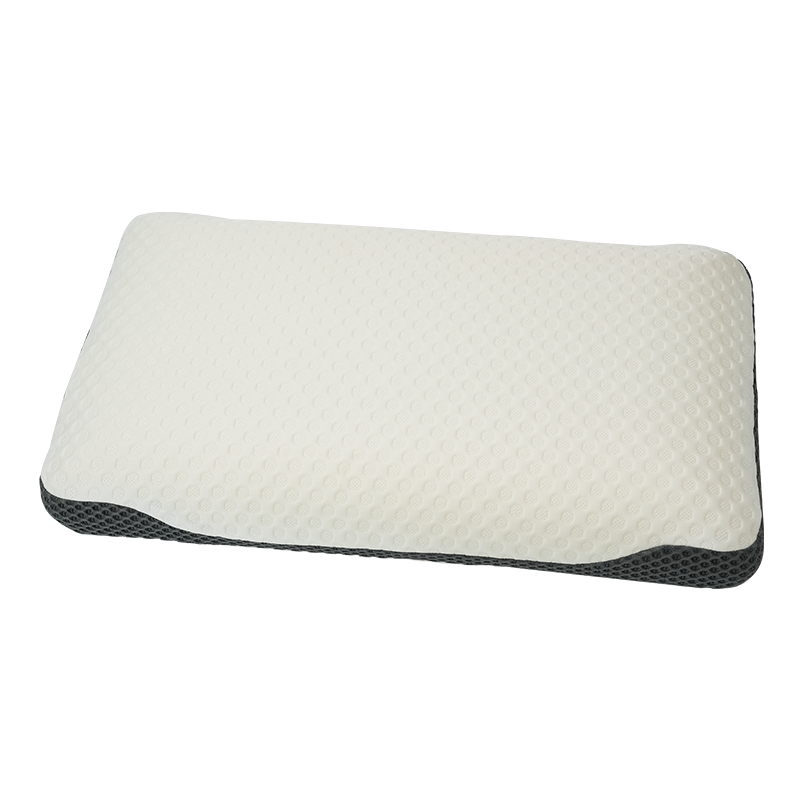
Memory foam — originally developed by NASA in the 1960s for aircraft seat cushioning — is a viscoelastic polyurethane material. The term "viscoelastic" means it has both viscous and elastic properties. When pressure is applied, it deforms slowly. When pressure is removed, it returns to its original shape gradually rather than snapping back instantly. This slow response is exactly what makes a memory foam pillow different from latex or down alternatives.
The foam reacts to two specific triggers: heat and pressure. Your body heat softens the foam in the areas where your head and neck make contact, allowing it to sink in and cradle those exact curves. Areas not in contact with your body remain firmer. This selective softening creates a personalized contour that a standard pillow can never replicate.
There are three main types of memory foam pillows currently on the market:
- Solid memory foam: A single block of foam, often contoured. Provides the most consistent support but retains the most heat.
- Shredded memory foam: Loose foam pieces inside a fabric shell. More breathable, adjustable in loft, and closer in feel to traditional pillows.
- Gel-infused memory foam: Standard memory foam mixed with gel beads or a gel layer. Designed to draw heat away from the sleeper and sleep cooler than regular foam.
Each type requires the same basic sleeping approach, but shredded memory foam gives you more flexibility to adjust the fill before settling on a position for the night.
Sleeping Positions and How to Use a Memory Foam Pillow for Each One
Your sleeping position determines everything about which memory foam pillow you need and how you should use it. Using the wrong loft height or wrong positioning technique for your sleep style will negate most of the pillow's benefits.
Back Sleepers
Back sleepers need a medium-loft memory foam pillow, typically between 3 and 5 inches in height. The pillow should support the natural curve of the neck without pushing the head too far forward. A contoured memory foam pillow with a cervical ridge — a raised section that sits under the neck — is ideal for back sleepers because it cradles the neck at the correct angle while letting the back of the skull rest in a lower center section.
Position your head dead center on the pillow so the cervical ridge falls exactly under your neck, not under your skull. Your chin should be level — neither tucked toward your chest nor tilted upward. If you find the foam too firm initially, try warming the room slightly before sleep, as higher ambient temperature softens the foam faster.
A secondary tip for back sleepers: place a second memory foam pillow under your knees. This reduces lumbar pressure significantly, and combined with proper head support, creates full-body spinal alignment from top to bottom.
Side Sleepers
Side sleeping is the most common position worldwide, with estimates suggesting that over 60% of adults sleep on their side. It is also the position where pillow loft matters most. A side sleeper needs a pillow high enough to bridge the gap between the mattress and the ear, keeping the head level with the spine rather than dropping toward the mattress or being propped too high.
For side sleepers, a high-loft memory foam pillow of 4 to 6 inches is typically appropriate, though exact sizing depends on shoulder width. Broader shoulders require more loft. If you use a shredded memory foam pillow, add or remove fill until your head sits level with your spine when viewed from the front — a good partner check or a mirror positioned at bed height can help verify this.
Rest the side of your head — not your ear — on the pillow. Your bottom ear should remain free from excessive compression. Many side sleepers also benefit from hugging a body pillow or placing a pillow between their knees to reduce hip rotation and lower back strain.
Stomach Sleepers
Stomach sleeping is the most problematic position for spinal health, and most sleep specialists recommend transitioning away from it. That said, if you are a committed stomach sleeper, use either no pillow at all or a very thin, low-loft memory foam pillow of 2 inches or less. A thick pillow forces the neck into severe extension, which compresses the cervical vertebrae and can cause significant neck and shoulder pain over time.
A soft, shredded memory foam pillow with most of the fill removed can work reasonably well for stomach sleepers. Turn your head to one side as naturally as possible and allow the thin foam to support whatever slight curvature exists without forcing any extreme rotation.
Combination Sleepers
Combination sleepers — people who move between two or more positions throughout the night — face the biggest challenge with a solid contoured memory foam pillow, because a contour designed for one position may not suit another. The best option for combination sleepers is a medium-loft shredded memory foam pillow that can adapt as you shift positions. The loose fill redistributes itself as you move, whereas a solid block pillow keeps a fixed shape regardless of your position.
Choosing the Right Loft and Firmness for Your Body
Loft refers to the height of a pillow when it is laying flat and uncompressed. Firmness refers to how much the foam resists compression. Both variables affect how a memory foam pillow performs for a specific sleeper, and they are related but not the same thing — a pillow can be high-loft and soft, or low-loft and firm.
| Sleep Position | Recommended Loft | Recommended Firmness | Best Foam Type |
|---|---|---|---|
| Back | 3–5 inches | Medium | Contoured solid or gel-infused |
| Side | 4–6 inches | Medium-firm | Solid or shredded |
| Stomach | 0–2 inches | Soft | Shredded (fill removed) |
| Combination | 3–5 inches | Medium | Shredded (adjustable) |
Body weight also influences which firmness works best. Heavier individuals — generally those over 230 pounds — tend to compress foam more deeply and may find a medium-firm pillow with higher density more supportive than a soft option. Lighter individuals under 130 pounds often find that a medium or even soft memory foam pillow provides ample support without feeling overly rigid.
The Break-In Period: What to Expect in the First Few Weeks
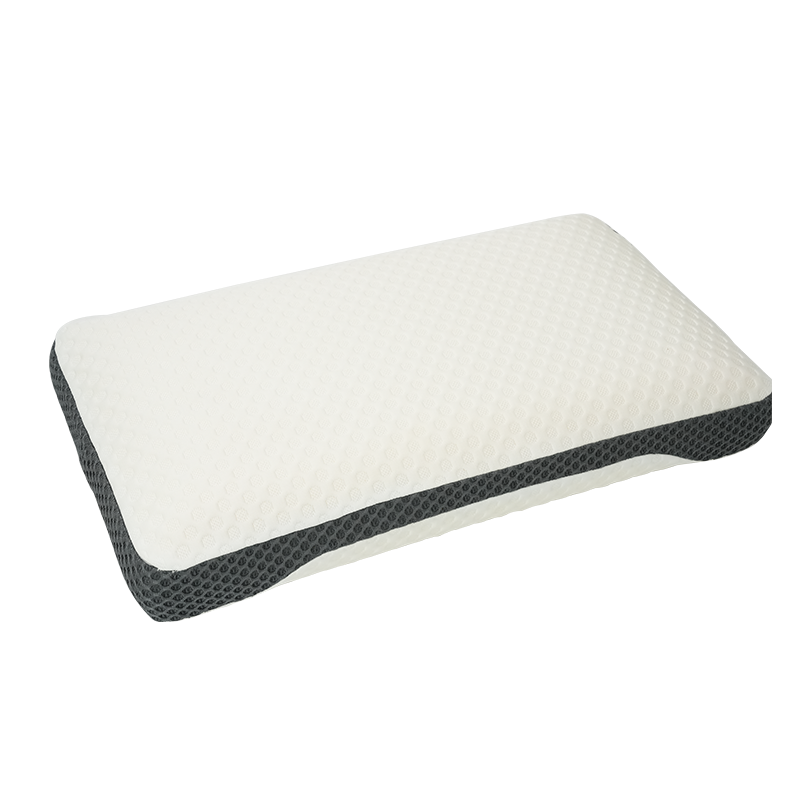
One of the most frequent complaints from new memory foam pillow users is that the pillow feels too firm and uncomfortable during the first several nights. This is completely normal. Most memory foam pillows require a break-in period of 14 to 30 nights before they fully soften and conform to your individual head and neck shape.
During the first week, the foam may feel noticeably stiffer than expected, especially in colder rooms. Cold temperatures significantly increase foam density and resistance. If your bedroom temperature is below 65°F (18°C), you may find the pillow much firmer than the same pillow would feel in a warmer room. Raising the room temperature to between 68°F and 72°F (20°C to 22°C) can noticeably soften the foam and make the initial adjustment period more comfortable.
A few things to do during the break-in period:
- Sleep on the pillow every night without reverting to your old pillow, even if the first week feels uncomfortable. Switching back and forth resets the break-in process.
- In the morning, knead or gently press the foam to help loosen up the cellular structure more quickly.
- Keep the pillow flat on the mattress in its intended orientation rather than folding or stacking it, which can create uneven wear patterns in the foam.
- If the pillow came vacuum-sealed, allow it to fully expand for at least 24 to 72 hours before using it for the first time. Some memory foam pillows take up to three days to reach their full intended shape after unboxing.
After the break-in period, if the pillow still feels wrong — either too firm or too soft — the issue is likely a mismatch between the pillow's loft or firmness and your sleep position, not a defect in the foam itself.
Common Mistakes That Reduce Memory Foam Pillow Performance
Even a high-quality memory foam pillow will underperform if used incorrectly. These are the most widespread mistakes sleepers make.
Folding the Pillow Under Your Head
Folding a memory foam pillow doubles its loft and creates an uneven support surface. Unlike a feather or polyester pillow that folds softly, memory foam resists folding and can stress the internal foam cells, leading to premature breakdown. Always use a memory foam pillow flat, at its designed loft height.
Using a Pillowcase That Is Too Tight
A pillowcase that compresses a memory foam pillow prevents it from fully expanding and conforming. Standard pillowcases sized for traditional pillows often fit too tightly around denser memory foam options. Look for pillowcases labeled "oversized" or purchase a size up from your pillow's listed dimensions to give the foam room to breathe and expand properly.
Placing the Pillow in the Wrong Orientation
Contoured memory foam pillows are asymmetrical by design. One side has a higher loft and one side has a lower loft. Using the wrong side for your sleep position eliminates the ergonomic benefit entirely. Most contoured pillows include orientation instructions — follow them carefully. Back sleepers typically use the lower center, while side sleepers use the raised lateral edges.
Skipping the Pillow Protector
Memory foam is not washable in most cases. It absorbs sweat, skin oils, and dust mites over time, which accelerates breakdown and affects hygiene. A waterproof or moisture-wicking pillow protector placed between the foam and the pillowcase protects the foam and extends its usable lifespan by two to three years on average.
Expecting Immediate Comfort
Returning a memory foam pillow after two or three nights because it feels uncomfortable is a very common mistake. As discussed above, the first two weeks are always the most difficult. Committing to the full break-in period before judging the pillow's comfort level gives the material time to adapt and gives your body time to adjust to proper spinal alignment — which may feel unfamiliar at first if you have been sleeping with poor alignment for years.
Addressing the Heat Problem: How to Sleep Cooler on Memory Foam
Heat retention is the most commonly cited complaint about memory foam pillows. Traditional memory foam traps body heat because its dense cell structure limits airflow. For hot sleepers, this can make a memory foam pillow uncomfortable, particularly during warm months or in warmer climates. However, several practical strategies reduce this problem considerably.
- Choose open-cell or gel-infused memory foam. Open-cell foam has a more porous internal structure that allows air to circulate. Gel-infused memory foam draws heat away from the contact surface. Both options sleep measurably cooler than traditional closed-cell foam.
- Use a breathable pillowcase material. Bamboo-derived rayon, Tencel (lyocell), and linen pillowcases wick moisture and allow far more airflow than standard cotton or polyester options.
- Try a shredded memory foam pillow. The gaps between shredded pieces allow consistent airflow throughout the fill, making shredded options significantly cooler than solid block foam.
- Keep the bedroom at 65–68°F (18–20°C). This temperature range is widely cited in sleep research as optimal for falling and staying asleep. It also helps moderate the surface temperature of your memory foam pillow.
- Flip the pillow mid-night. If you wake up and feel the pillow is warm, flipping it to the cooler side provides immediate relief. With a solid foam pillow, the underside remains significantly cooler than the top surface where your head has been resting.
How to Tell If Your Memory Foam Pillow Is Actually Supporting You Correctly
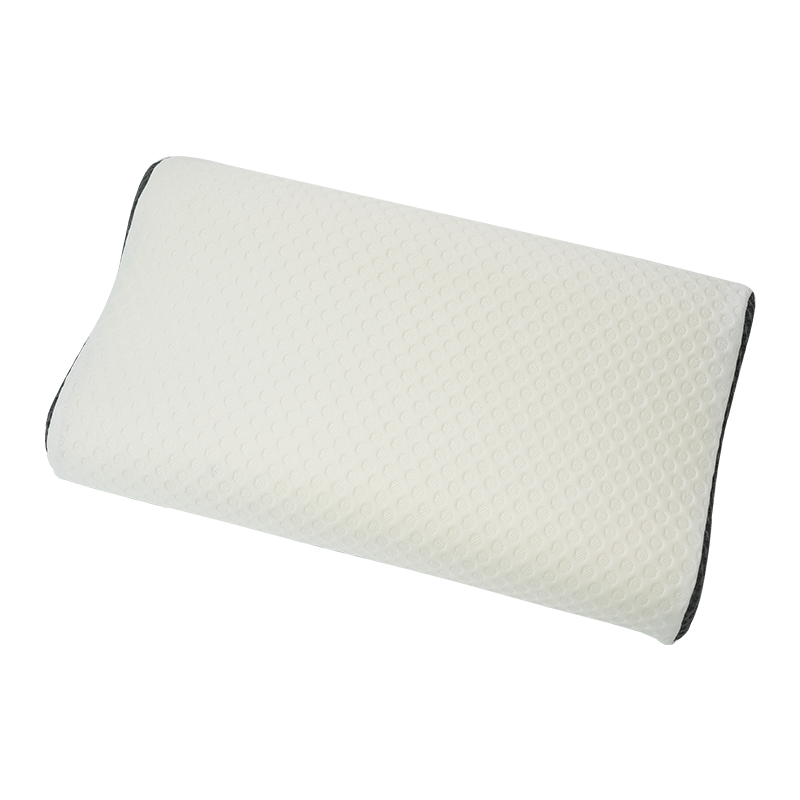
Many people use pillows — memory foam or otherwise — that provide incorrect support without realizing it. Identifying whether your memory foam pillow is working properly requires checking a few key things.
Spinal Alignment Check
The clearest test is visual. Have someone photograph or video you lying in your usual sleep position from the side. Your spine — from your tailbone through the base of your skull — should form a relatively straight line when you are on your back, or a gentle S-curve that maintains its natural shape when you are on your side. If your head is noticeably angled upward or downward, the loft is wrong.
Morning Symptom Check
A properly fitted memory foam pillow should result in:
- Reduced or absent neck stiffness in the morning compared to your previous pillow.
- No new shoulder or upper back tension upon waking.
- No headaches attributed to neck strain.
- A feeling of having rested well, rather than having wrestled with your pillow all night.
If you continue to experience neck pain after the full break-in period, the pillow may be the wrong loft for your shoulder width and sleep position. Try a different loft height before concluding that memory foam is not right for you.
The Pressure Point Test
Press your hand flat into the center of the memory foam pillow and release. Properly functioning foam should hold the impression of your hand for 5 to 10 seconds and then slowly return to its original shape. If the impression disappears instantly, the foam has little to no viscoelastic property and behaves more like standard foam. If the impression never recovers, the foam has broken down and the pillow needs replacing.
Caring for Your Memory Foam Pillow to Maximize Its Lifespan
A quality memory foam pillow used and maintained correctly can last 3 to 5 years. Improper care dramatically shortens this, sometimes to under a year. Here is what proper care looks like.
Washing Guidelines
Most solid memory foam pillows should never be machine washed or put in a dryer. The agitation of a washing machine tears apart the foam's internal cell structure, and the heat of a dryer can permanently distort the shape and density. Instead, spot clean the foam with a damp cloth and mild detergent, then air dry completely before using — which can take 24 hours or more. Never use the pillow while it is still damp, as moisture trapped inside the foam encourages mold growth.
Shredded memory foam pillows with a removable, washable outer shell can often have the shell machine washed on a gentle cycle. The shredded fill inside can sometimes be hand washed in a bathtub with cold water, then left to air dry for 48 to 72 hours, though this depends on the specific product instructions.
Airing Out the Pillow
Memory foam can develop a musty or chemical smell over time if not aired out regularly. Every month or so, remove the pillowcase and protector and leave the foam in a well-ventilated area — ideally near an open window — for several hours. This dissipates accumulated moisture and keeps the foam smelling fresh. New memory foam pillows also often arrive with a noticeable chemical smell from the manufacturing process. This outgassing is normal and harmless, and it typically dissipates within 24 to 48 hours of airing.
When to Replace a Memory Foam Pillow
Replace your memory foam pillow when:
- The foam no longer springs back after pressing — this indicates the viscoelastic property has broken down.
- You can see or feel lumps, collapsed areas, or permanent indentations in the foam surface.
- You begin waking up with neck pain that you did not have when the pillow was newer.
- The pillow develops persistent odors that do not resolve after airing out, which can indicate mold or bacterial buildup inside the foam.
- It has been in use for more than 5 years, regardless of how it appears externally.
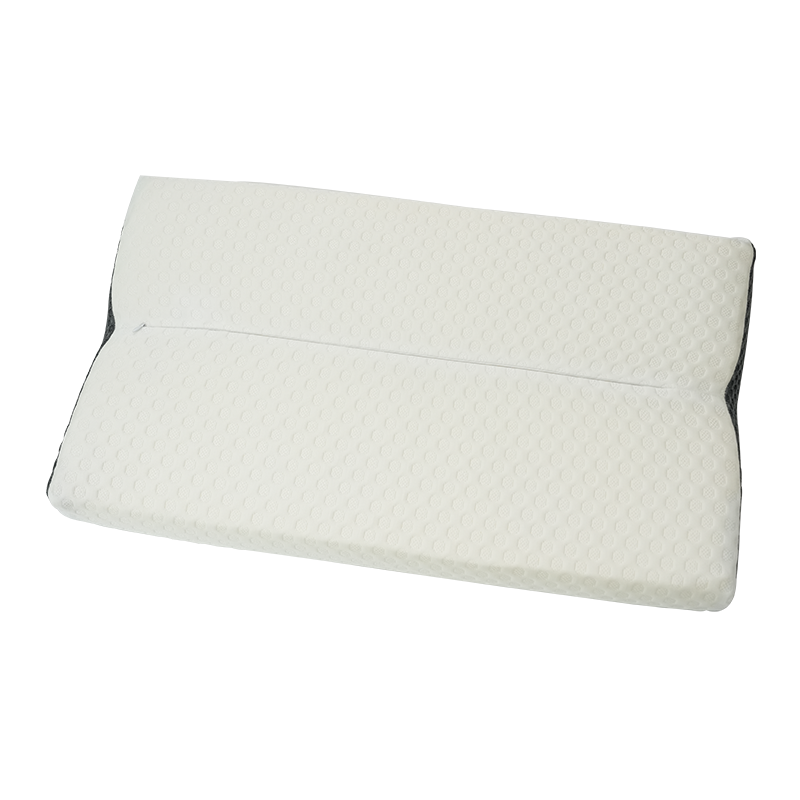
Memory Foam Pillow vs Other Pillow Types: A Practical Comparison
Understanding where a memory foam pillow fits relative to other pillow materials helps you confirm whether it is the right choice for your sleep needs.
| Pillow Type | Support Level | Heat Retention | Lifespan | Adjustability |
|---|---|---|---|---|
| Memory foam (solid) | Excellent | High | 3–5 years | None |
| Memory foam (shredded) | Very good | Moderate | 3–4 years | High |
| Latex | Excellent | Low–moderate | 5–8 years | None |
| Down / feather | Low–moderate | Low | 2–3 years | Moderate |
| Polyester fiberfill | Low | Low | 1–2 years | Low |
Memory foam consistently outperforms most alternatives in targeted support and pressure relief. Its main competition is latex, which offers similar ergonomic benefits with better durability and lower heat retention — but at a significantly higher price point. For most sleepers looking for improved neck and cervical spine support without spending on latex, a memory foam pillow remains the best-value option.
Tips for Transitioning From a Traditional Pillow to Memory Foam
Switching from a soft, familiar pillow to a memory foam pillow is a bigger adjustment than most people expect. Your body has adapted to the support pattern — however poor — of your current pillow. Retraining your neck and shoulder muscles to function in a properly aligned position takes time and can cause temporary discomfort that has nothing to do with the new pillow being wrong.
- Start with naps. Use the memory foam pillow during daytime naps while continuing to use your old pillow at night for the first week. This gives your neck time to adapt in shorter sessions without disrupting your sleep significantly.
- Stretch your neck daily. Gentle neck stretches — slow side-to-side tilts, chin tucks, and slow head rotations — help loosen muscles that have been held in misaligned positions for years and prepare them to adjust to correct support.
- Stay consistent. Alternating between your old and new pillow within the same night resets the adaptation process each time. Commit to the memory foam pillow exclusively once you begin the transition.
- Check your mattress. A memory foam pillow cannot compensate for a badly sagging or overly firm mattress. If your mattress does not provide adequate spinal support in the lower body, even the best memory foam pillow will not eliminate back or neck pain.
Most people who switch to a correctly fitted memory foam pillow and give the process adequate time report a meaningful reduction in morning neck stiffness and an improvement in overall sleep quality within the first month. The investment in getting the transition right — choosing the right loft, using it correctly, and staying consistent — pays off in noticeably better rest and less pain over time.