

 English
 عربى
عربى
Content
- 1 Can You Actually Sleep Without a Pillow? The Honest Answer
- 2 Who Might Actually Benefit From Sleeping Without a Pillow
- 3 What Happens to Your Body When You Stop Using a Pillow
- 4 How to Transition Away From a Pillow Safely (If You Still Want to Try)
- 5 Why Most People Still Need a Pillow — And Why Pillow Choice Matters More Than You Think
- 6 Pillow Loft Guide: Matching Height to Your Body and Sleep Style
- 7 Positions and Techniques for Sleeping With Minimal Pillow Support
- 8 Common Reasons People Want to Sleep Without a Pillow — And Better Solutions
- 9 Signs That Pillow-Free Sleep Is Hurting You
- 10 Choosing a Memory Foam Pillow If You Decide to Go Back to Pillow Support
- 11 The Bottom Line on Sleeping Without a Pillow
Can You Actually Sleep Without a Pillow? The Honest Answer
Yes, some people can sleep without a pillow — but whether it's a good idea depends almost entirely on your sleep position and your spine's unique needs. For stomach sleepers, ditching the pillow can actually reduce neck strain by allowing the spine to stay more neutral. For back and side sleepers, however, removing a pillow typically creates more problems than it solves: the head drops too far down or tilts at an uncomfortable angle, putting stress on cervical vertebrae and the surrounding muscles.
This is why the question "how to sleep without a pillow" doesn't have a single universal answer. What works for one person can leave another waking up with neck pain, shoulder tension, or tingling in the arms. Before abandoning your pillow entirely, it's worth understanding what a pillow actually does for your body — and what you're giving up when you remove it.
The spine's natural cervical curve needs support. When you lie down, gravity pulls your head toward the mattress. A pillow fills the gap between your head and the sleep surface, keeping your neck aligned with the rest of your spine. Without that support, the muscles in your neck have to compensate all night — often leading to stiffness, soreness, or headaches by morning.
Who Might Actually Benefit From Sleeping Without a Pillow
While sleeping without any pillow support isn't recommended for most adults, there are specific situations where reducing or removing pillow support makes real sense:
Stomach Sleepers
If you sleep on your stomach, a thick pillow actually forces your neck into an unnatural upward angle for hours at a time. Sleep specialists consistently note that stomach sleepers are better off with either no pillow or an extremely thin one — something under 3 inches in loft. Using no pillow in this position keeps the neck closer to neutral and reduces the rotational stress that causes morning neck pain in stomach sleepers.
People With Very Flat Mattresses or Firm Sleep Surfaces
On an exceptionally firm, flat surface — like a traditional Japanese futon or a floor mat — the body doesn't sink in the way it does on a modern mattress. In these cases, the gap between head and surface is smaller, and a very low-profile surface or no pillow at all can be sufficient for back sleepers with a naturally flat cervical curve.
Children Under Two Years Old
Pediatric guidelines from the American Academy of Pediatrics recommend keeping pillows, loose bedding, and other soft objects out of the sleep environment for infants and toddlers under 18–24 months, primarily due to suffocation risks. For young children, sleeping without a pillow is the safest option.
Temporary Pillow Transition Periods
Some people go through a brief period without a pillow when transitioning between pillow types — for example, when switching from a very high-loft traditional pillow to a properly fitted memory foam pillow. During that adjustment, sleeping at a lower loft can help the neck muscles adapt before committing to a new support level.

What Happens to Your Body When You Stop Using a Pillow
Understanding the physical effects of pillow removal helps you make an informed decision rather than just guessing. These are the changes most people report when they stop using a pillow, divided by sleep position:
| Sleep Position | Effect of Removing Pillow | Recommended Action |
|---|---|---|
| Stomach | Reduces neck hyperextension, may ease pain | Try no pillow or ultra-thin pillow (<3 inches) |
| Back | Head drops back, cervical curve unsupported | Keep a low-to-medium loft pillow (4–6 inches) |
| Side | Significant lateral neck bend, shoulder strain | Use a firm, high-loft pillow (5–7 inches or more) |
| Combination | Variable — depends on dominant position | Use an adjustable or responsive pillow |
Beyond neck alignment, removing a pillow can also affect blood circulation to the head, facial fluid drainage (which some people believe reduces morning puffiness), and even breathing patterns. Some anecdotal reports suggest that people who sleep on firm surfaces without pillows experience fewer wrinkles from pillow compression — though there's limited clinical data to strongly support this claim.
On the negative side, the most commonly reported effects of abruptly removing a pillow include: morning stiffness in the neck and upper back, increased muscle soreness between the shoulder blades, tension headaches originating at the base of the skull, and numbness or tingling in the arms due to nerve compression during sleep.
How to Transition Away From a Pillow Safely (If You Still Want to Try)
If you've decided to experiment with pillow-free sleep — or significantly reduce your pillow loft — the worst thing you can do is go cold turkey overnight. Your neck muscles, ligaments, and the soft tissue around your cervical spine have adapted to a certain head position during sleep. Changing that abruptly can cause several nights of real discomfort and muscle guarding.
A safer approach involves a gradual reduction over two to four weeks:
- Week 1: Replace your current pillow with a significantly thinner or softer option — something that still provides some support but noticeably less than what you're used to. This is a good time to experiment with a low-loft memory foam pillow, which contours to a reduced height without the pillow collapsing unevenly.
- Week 2: Fold a thin blanket or towel to about 1–2 inches and use that in place of a pillow. This gives you a consistent, flat surface without the head elevation of a standard pillow.
- Week 3: Try sleeping on the mattress surface directly for part of the night — perhaps the first hour or two — and then transitioning to your thin folded blanket when needed.
- Week 4 and beyond: Attempt full pillow-free sleep. Track how you feel each morning. If you notice consistent neck pain, shoulder tightness, or numbness, that's a clear signal your body needs support.
During this process, adding some light stretching in the morning — particularly neck tilts, chin tucks, and shoulder rolls — can help your muscles adapt faster and reduce morning soreness.
Why Most People Still Need a Pillow — And Why Pillow Choice Matters More Than You Think
Here's a perspective that gets lost in the "should I ditch my pillow" debate: the problem most people are trying to solve by removing their pillow isn't actually caused by having a pillow — it's caused by having the wrong pillow. A pillow that's too high, too flat, too soft, or made from a material that doesn't respond properly to head movement can create the same neck pain, stiffness, and poor sleep quality that a no-pillow setup produces.
This is where the conversation about a Memory Foam Pillow becomes relevant. Unlike traditional down, polyester fiberfill, or latex pillows, memory foam pillows are engineered to conform precisely to the shape of your head and neck — distributing pressure evenly and maintaining that support position throughout the night without the pillow shifting, bunching, or going flat.
How Memory Foam Differs From Other Pillow Materials
Standard polyester pillows lose about 50% of their original loft within the first year of use, meaning the support you thought you were getting when you bought the pillow is significantly reduced over time. Down and feather pillows offer luxurious softness but very little cervical support — they compress under the weight of your head and don't push back to maintain alignment.
A Memory Foam Pillow operates differently. The viscoelastic material responds to body heat, softening slightly to mold around the unique contours of your neck and head. When you shift positions, the foam slowly readjusts rather than leaving an empty void or creating a hard ridge. This means the pillow maintains functional support regardless of minor position changes during the night.
Research published in sleep and orthopedic health journals has found that memory foam cervical pillows can significantly reduce neck pain and improve sleep quality compared to regular fiber pillows — with some studies reporting a 40% reduction in reported neck pain after switching to a properly fitted contour memory foam pillow.
Types of Memory Foam Pillows Worth Knowing About
- Solid contour memory foam pillows: These feature a molded shape with a lower loft on one side and a higher loft on the other, designed specifically for spinal alignment. Back sleepers typically prefer the lower contour; side sleepers often need the higher side.
- Shredded memory foam pillows: Made from small pieces of memory foam inside a pillow shell, these are adjustable — you can remove or add fill to customize the loft and firmness to your exact preference. This makes them versatile for combination sleepers.
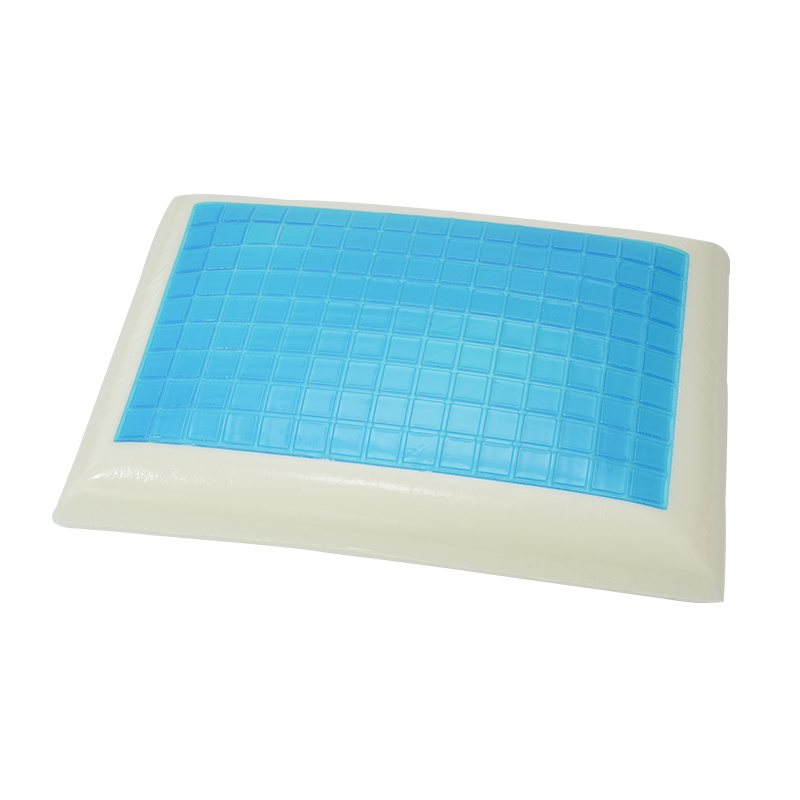
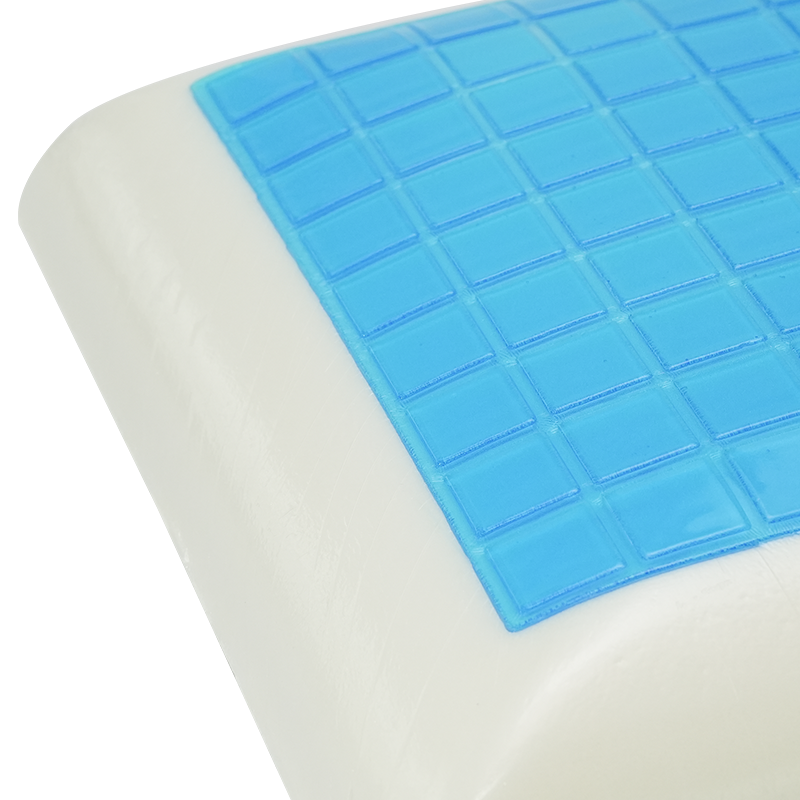
- Gel-infused memory foam pillows: Standard memory foam retains heat, which some people find uncomfortable. Gel-infused variants incorporate cooling gel beads or a gel layer to help regulate temperature throughout the night.
- Ventilated memory foam pillows: Feature airflow channels or perforations throughout the foam to increase breathability, making them a good option for hot sleepers who want memory foam's support without the heat retention.
Pillow Loft Guide: Matching Height to Your Body and Sleep Style
One of the biggest reasons people consider sleeping without a pillow is that their current pillow is simply the wrong height — too tall, too flat, or inconsistent. Getting the right loft is arguably more important than getting the "right" material. Here's a practical breakdown:
| Sleeper Type | Recommended Loft | Best Pillow Type | Notes |
|---|---|---|---|
| Stomach sleeper | 0–3 inches | Ultra-thin memory foam or no pillow | Consider a pillow under the pelvis instead |
| Back sleeper (average build) | 4–5 inches | Contour memory foam pillow | Cervical contour fills the neck gap |
| Back sleeper (broad shoulders) | 5–6 inches | Medium-firm memory foam | Wider necks need more fill |
| Side sleeper (average build) | 5–7 inches | Firm solid or shredded memory foam | Fill the gap between ear and shoulder |
| Side sleeper (broad shoulders) | 6–8 inches | High-loft shredded memory foam | Shoulder width determines loft need |
A quick way to test whether your current pillow loft is correct: lie in your usual sleep position and have someone look at your neck from the front or back. If your neck tilts upward toward the ceiling or bends down toward the mattress, your loft is wrong. Your spine should trace a straight, neutral line from your tailbone up through your neck to the base of your skull.
Positions and Techniques for Sleeping With Minimal Pillow Support
If you're committed to experimenting with reduced pillow support, certain sleep positions and body positioning techniques can make pillow-free or low-pillow sleep more tolerable and less likely to cause injury.
The Prone (Stomach) Position With Head to the Side
If you must sleep on your stomach, using no pillow under your head while placing a thin pillow under your lower abdomen can reduce lumbar strain and keep the pelvis in a more neutral position. Some people also find that turning onto one side partway — essentially a semi-prone position — is more comfortable than fully face-down, and this hybrid position may work with or without a pillow depending on the individual.
Supine (Back) Position on a Very Firm Surface
Some people who practice traditional floor sleeping — a practice still common in parts of Japan and South Korea — report that sleeping supine on a firm futon without a head pillow is comfortable for them. However, this typically works only for people whose neck has a very flat cervical curve, since a pronounced neck curve requires more support to maintain. If you try this, placing a pillow under the knees while lying on your back significantly reduces lumbar pressure and can make the overall position more sustainable even without head support.
Using Your Arm as a Support Substitute
Some side sleepers naturally slide an arm under their head when sleeping without a pillow. While this provides a degree of loft, it also compresses the ulnar nerve in the arm — the nerve that runs from the neck down through the elbow — and is a common cause of the "dead arm" sensation people wake up with. If you find yourself doing this, it's a sign your body is instinctively seeking the loft that a properly fitted pillow would provide.
Common Reasons People Want to Sleep Without a Pillow — And Better Solutions
In most cases, the desire to sleep without a pillow is actually a symptom of a specific problem that can be addressed more effectively through other means. Here are the most common motivations and what actually resolves them:
Morning Neck Pain
If you wake up with neck pain, the instinct is to blame the pillow and remove it. But more often, the problem is pillow height mismatch, not pillow existence. A Memory Foam Pillow with an appropriate loft for your sleep position is far more likely to resolve morning neck pain than no pillow at all. Cervical contour memory foam pillows in particular — which have a raised edge to support the neck and a lower center for the head — are commonly recommended by physical therapists for people with chronic neck pain.
Sleep Overheating
Traditional memory foam retains body heat, which is a legitimate concern for hot sleepers. The solution isn't to remove the pillow — it's to choose a gel-infused or copper-infused memory foam pillow, or a shredded memory foam variant that allows significantly more airflow. Phase-change material covers and breathable Tencel or bamboo pillowcases can also dramatically reduce heat retention without sacrificing support.
Facial Wrinkles or Acne
Pillow compression creases are a real cosmetic concern for some people. Rather than sleeping without a pillow, switching to a silk or satin pillowcase dramatically reduces fabric friction on the skin. Some people also experiment with contoured "anti-wrinkle" pillows that are shaped to minimize face contact. These approaches preserve cervical support while addressing the skincare concern.
Pillow Going Flat Overnight
If your pillow deflates or compresses flat during the night, you're essentially already sleeping without adequate pillow support by morning — which may be causing your discomfort. This is a common problem with low-quality polyester fill pillows. A solid memory foam pillow or high-density shredded memory foam pillow maintains its loft throughout the night, since the foam doesn't compress permanently the way synthetic fill does. This is one of the most practical reasons to switch to memory foam over experimenting with no pillow.
Signs That Pillow-Free Sleep Is Hurting You
Whether you're in the middle of a pillow-free experiment or have been sleeping without a pillow for a while, these are the warning signs that your body needs cervical support:
- You wake up with stiffness in your neck that takes more than 30 minutes to resolve
- You experience headaches that begin at the base of the skull shortly after waking
- Your upper back or shoulder blades feel tight or tender in the mornings
- You notice numbness, tingling, or weakness in your hands or fingers — signs of possible cervical nerve compression
- You're waking up more frequently during the night and repositioning more than usual
- Your sleep quality, measured by how rested you feel in the morning, has declined since removing your pillow
Any of these symptoms appearing consistently over more than a week is a clear indicator that pillow-free sleep isn't working for your body. At that point, the right response isn't to push through — it's to reconsider your support needs and find a pillow solution that actually fits your sleep style, sleep position, and body dimensions.
Choosing a Memory Foam Pillow If You Decide to Go Back to Pillow Support
If your pillow-free experiment has taught you that you need support — or if you're simply looking to upgrade from a pillow that's been causing problems — a memory foam pillow is worth serious consideration. Here's what to look for:
Density
Memory foam pillow density is measured in pounds per cubic foot (PCF). A density of 3.0–5.0 PCF is generally considered ideal for pillows — dense enough to maintain shape and support without being so rigid it creates pressure points. Lower-density foams (under 2.5 PCF) compress too easily and don't provide consistent support; higher-density foams (above 6.0 PCF) can feel uncomfortably firm and heavy.
CertiPUR-US Certification
Memory foam is a synthetic material, and lower-quality foam can off-gas volatile organic compounds (VOCs) that cause headaches and respiratory irritation. Look for memory foam pillows certified by CertiPUR-US, which verifies that the foam has been tested for harmful chemicals including heavy metals, formaldehyde, and phthalates. This certification is a meaningful indicator of foam quality and safety.
Trial Period and Return Policy
Memory foam pillows typically require a 2–4 week adjustment period before the full benefit is felt. Reputable manufacturers offer sleep trials of at least 30 days — some extend to 60 or 100 days. Always buy from a brand that offers a meaningful trial period, since a memory foam pillow needs time to break in to your specific head weight and sleep patterns before you can accurately assess it.
Pillow Cover and Maintenance
Memory foam itself cannot be machine washed — exposure to water breaks down the foam structure. Always choose a memory foam pillow that comes with a removable, machine-washable cover. Most quality memory foam pillows include a zippered inner cover made from bamboo, Tencel, or polyester blend fabrics that are designed to be laundered regularly. The foam core itself should be spot-cleaned only and allowed to air dry completely before being covered.
On average, a quality memory foam pillow lasts 2–3 years before the foam begins to break down and lose its supportive properties — significantly longer than the 6–18 months typical of polyester fill pillows. This lifespan advantage, combined with the consistent support throughout the night, makes a well-chosen memory foam pillow a more economical and ergonomically effective long-term investment than repeatedly replacing cheaper alternatives.
The Bottom Line on Sleeping Without a Pillow
Sleeping without a pillow is viable for a specific group of people — primarily stomach sleepers and those using very firm, low-profile sleep surfaces — but for the majority of adults who sleep on their back or side, pillow-free sleep creates more cervical stress than it relieves. The neck needs support to maintain its natural curve during the 7–9 hours of relative stillness that quality sleep involves.
If you've been struggling with sleep quality, neck pain, or morning stiffness, the problem is far more likely to be pillow incompatibility than pillow existence. A properly fitted Memory Foam Pillow — matched to your sleep position, shoulder width, and mattress firmness — will almost always outperform no-pillow sleep for back and side sleepers, and often resolves the very problems that motivated the pillow-removal experiment in the first place.
If you're curious about pillow-free sleep, by all means try it — but do so gradually, track your symptoms honestly, and be prepared to return to a supportive pillow if your body signals that it needs one. Good sleep is too important to sacrifice for the sake of an experiment that isn't working.