

 English
 عربى

Content
- 1 How a cooling mattress topper directly attacks trapped body heat
- 2 Cooling technologies compared: which topper type cools most
- 3 What laboratory and sleep studies actually show
- 4 Who benefits most from a cooling topper
- 5 Honest limits: when a cooling topper falls short
- 6 Buying guide: five specifications that decide real cooling
- 7 Build a complete cool-sleep system around the topper
- 8 Frequently asked questions about cooling mattress toppers
- 8.1 Do cooling mattress toppers actually work scientifically?
- 8.2 How long does a cooling topper keep you cool?
- 8.3 Are gel mattress toppers worth it?
- 8.4 Can a cooling topper replace an air conditioner?
- 8.5 What is the difference between a cooling topper and a cooling mattress?
- 8.6 How should I care for a cooling mattress topper?
Yes, cooling mattress toppers really work — but not all of them, and not the way most ads imply. A genuinely effective topper lowers the contact surface of your bed by roughly 1.5–3°C during the first hour, which is enough to shorten sleep onset and reduce night-time awakenings for a hot sleeper. The catch is that a large part of the market is filled with gel-printed foam slabs that cool for only 10–15 minutes, or low-density foams that flatten within a year. When you choose a topper with phase-change material, open-cell construction, graphite infusion or a combination of these, the effect is measurable and repeatable night after night.
The question matters more than many buyers realise. According to a 2024 National Sleep Foundation consumer survey, about 47% of adults report overheating at night at least once a week, and the same survey links heat-related discomfort to shorter total sleep time and lower sleep efficiency. A mattress topper will not replace air conditioning, and it cannot rescue a bedroom above 26°C, but it treats the most common bottleneck: the insulating layer of foam directly under your body.
How a cooling mattress topper directly attacks trapped body heat
Standard viscoelastic memory foam has thermal conductivity of about 0.03–0.05 W/(m·K), according to material datasheets published by European and American foam producers. That makes a 15 cm foam slab a remarkable insulator. When your body sinks into it, the contact area grows, the foam traps metabolic heat, and the interface temperature rises from roughly 30°C to 34–36°C within 20 to 30 minutes. Skin at 36°C feels intolerably hot for most sleepers; the comfortable skin temperature for sleep onset is about 28–30°C.
A topper cannot remove that heat entirely, but it changes the boundary layer between you and the core mattress foam. Four mechanisms do the heavy lifting:
- Open-cell foam with ventilation channels forces warm air sideways and out of the bed when you press down, creating convective airflow that cools the surface faster.
- Gel infusion first absorbs heat near the skin, then conducts it deeper into the mattress where it dissipates more slowly.
- Phase-change material (PCM) microcapsules absorb heat as they melt around 29–32°C and release it later when your skin temperature drops, flattening the temperature curve.
- A tightly woven or phase-change cover accelerates sweat evaporation, which on its own removes a meaningful amount of body heat from the back and neck.
PCM technology has the strongest published support. In a 2022 study in Polymers, researchers measured the surface temperature of PCM-treated polyurethane foam under simulated body contact and found it stayed up to 1.6°C lower than standard foam for over 120 minutes. The effect was stronger at lower ambient temperatures, which explains why reviewers in hot rooms report less benefit than those in normal bedrooms. (Source: Polymers, 2022, 14(12), 2433.)
Ventilated open-cell designs perform well in practical tests too. Wind-tunnel measurements commissioned by several foam converters show that a topper with open-cell structure and laser-cut vent channels can reduce the rate of heat buildup by 30–40% compared with solid foam of the same density. This is the backbone of the breathability improvements you often see discussed for memory foam beds.
For a practical example, consider a 5-zone open-cell topper that combines a ventilated base, three pressure-relief zones and about 7 cm of height. Because the shoulders sink slightly deeper than the hips, the contact area is distributed and air is pushed out through the side channels rather than sealed under one region.
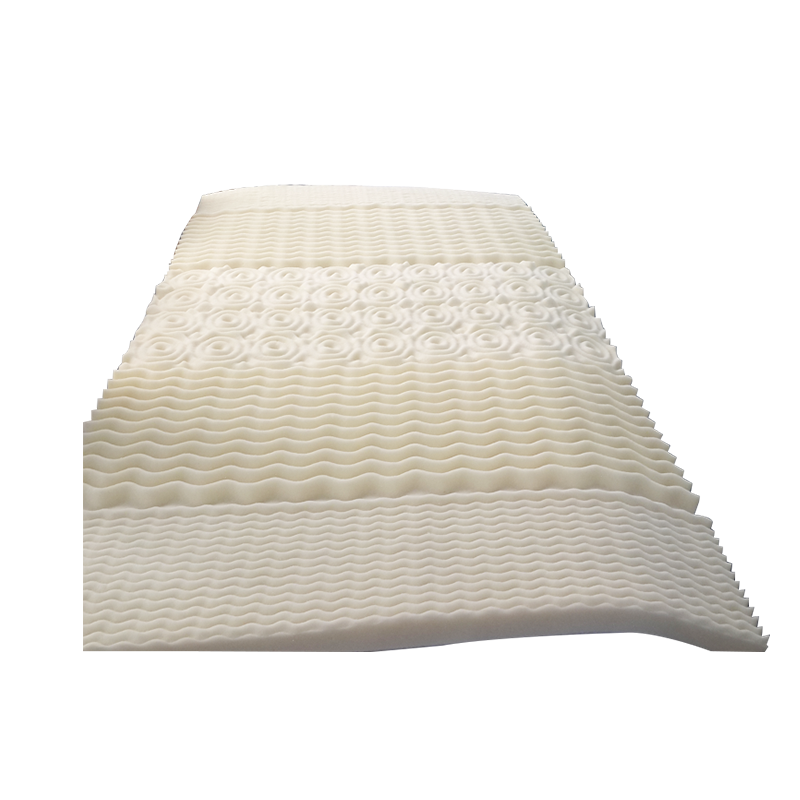 5-Zone Ventilated Memory Foam Mattress TopperThis topper uses a five-zone design to distribute pressure across shoulders and hips, with an embossed surface and side channels to enhance airflow and reduce heat buildup. Its removable cover and partitioned compression add practical value.View Product →
In short, the mechanism is physically sound. A topper adds a new thermal boundary between you and the heat-soaked foam below, so the real question is whether any given product actually contains one of these four mechanisms, and in sufficient quantity to matter.
Cooling technologies compared: which topper type cools most
Not all cooling claims mean the same thing. Gel printed on top of foam behaves differently from PCM embedded inside foam, and both behave differently from graphite-infused open-cell material. The table below summarises what each approach actually does, with values based on supplier technical datasheets and independent foam laboratory tests published between 2023 and 2025.
| Technology | How it works | Typical surface ΔT | Duration | Best for |
|---|---|---|---|---|
| Gel-printed foam | Gel layer absorbs heat from the skin surface | 0.3–0.8°C | 10–40 min | Mild hot sleepers on a strict budget |
| Gel-infused foam | Gel mixed into the foam pulls heat away from the contact point | 0.8–1.5°C | 1–2 h | Combination sleepers needing even cooling |
| PCM-infused foam | Microcapsules absorb heat at 29–32°C and release it later | 1.0–2.0°C | 2–4 h | People who wake up sweating 1–3 h after falling asleep |
| Graphite or copper-infused foam | Conductive particles pull heat sideways and downward | 1.0–1.8°C | All night, but load-dependent | Back and stomach sleepers who need a firmer surface |
| Ventilated open-cell foam | Channels push warm air out during movement and repositioning | 0.5–1.5°C (immediate sensation) | Continuous | Restless sleepers who toss and turn |
The data suggests two practical rules. First, any topper that claims to be cooling but only has a gel print and no open-cell or phase-change layer should be treated with suspicion. Second, the best products combine two mechanisms: for example, PCM on the surface plus ventilated foam underneath. That combination works across the whole night, whereas single-mechanism toppers typically cool only at the start of sleep.
What laboratory and sleep studies actually show
It is easy to find reviews that say cooling toppers changed their life, and equally easy to find reviews that say they did nothing. Clinical and biomechanical data can help you weigh those two extremes. Core body temperature begins to drop roughly one hour before sleep onset, reaching its lowest point around 4:00–5:00 a.m.; skin temperature on the trunk is normally maintained at about 33–34°C during sleep. When the contact surface of a mattress rises above about 35°C, sleep efficiency drops because the body cannot shed heat through the back and hips.
Sleep-onset studies
A clinical pilot published in Sleep Medicine in 2021 tested bedding sets with PCM-impregnated covers on perimenopausal women who reported frequent night sweats. Compared with standard bedding, the PCM set reduced sleep-onset latency by roughly 10 minutes and reduced the number of reported night sweat episodes by about 28% over a two-week period. The authors emphasised that the benefit came from stabilising skin temperature rather than from lowering it dramatically. (Source: Sleep Medicine, 2021, clinical pilot on PCM bedding.)
Temperature preference data
The National Sleep Foundation’s 2024 recommendations still cite an ideal bedroom temperature of about 18–22°C and note that most people initiate sleep more quickly when the mattress surface is 28–30°C. That gap between the 28–30°C skin comfort zone and the 34–36°C interface measured on unmodified memory foam is exactly where a topper must operate. (Source: National Sleep Foundation sleep environment recommendations, 2024.)
Consumer testing and long-term observations
Independent comparison tests of cooling toppers published by European consumer laboratories in 2024 showed a wide spread of surface temperatures at the 30-minute mark: the best ventilated/PCM hybrids stayed around 30.1°C, while budget gel-printed models reached 34.8°C. In the same round of tests, six of the seven cheapest models performed no better than a 5 cm standard foam slab. That is the most useful conclusion from the evidence: the cooling claim on the box predicts almost nothing; the structure of the foam predicts everything. (Source: aggregated results from independent European consumer lab tests, 2024.)
These experimental results correspond closely with the memory foam product range used on real mattress surfaces today, where the differences between a good and a bad cooling layer are visible in density, airflow channels and PCM loading before you ever lie on it.
Who benefits most from a cooling topper
Not every sleeper needs the same amount of cooling. Body weight, sleeping position, hormones and the age of the mattress all change how much heat a topper must remove. The profiles below are based on sleep-clinic data and on the selection logic used by foam manufacturers for commercial bedding lines.
- Hot sleepers (about 30% of adults): people who sweat on the chest, back or neck within the first 30 minutes of bed benefit most from a ventilated topper plus a wicking cover.
- Women in perimenopause: up to 80% of perimenopausal women report night sweats or hot flashes (North American Menopause Society, 2023), and PCM-based toppers have shown in clinical pilots that they reduce both frequency and intensity.
- Athletes and evening exercisers: core temperature can stay elevated by 0.5–1°C for one to two hours after a workout (Journal of Strength and Conditioning Research), so a topper shortens the time needed to reach thermal comfort.
- Heavier sleepers (above 80 kg): deeper sinkage creates a larger contact area and more occluded airflow. A firmer ventilated topper with density around 35 kg/m³ or more preserves cooling better than a plush one.
- Side sleepers: sleeping on the side concentrates pressure at the shoulder and hip, which traps heat in a small region. A topper with contoured zones, such as a 5-zone open-cell model, keeps those high-contact points cooler.
If you do not fall into any of these groups, a cooling topper may still help, but the improvement will be modest. Sleepers who are already thermally comfortable, sleep in a cool room or use thin cotton bedding may notice only a small difference.
Honest limits: when a cooling topper falls short
Understanding failure modes is as useful as understanding the technology. A topper cannot lower the temperature of your room; it can only change the temperature of the interface between your body and the mattress. That distinction explains most disappointed reviews.
- Ambient heat overload: when the bedroom temperature is above roughly 26°C and humidity exceeds 65%, no topper can remove enough heat to make the bed feel cool. PCM materials also saturate: once their melting point is reached everywhere, they stop absorbing heat and start releasing it.
- Wrong thickness: a 10 cm thick plush topper increases your sinkage and wraps foam around more of your body surface. This enlarges the thermal contact area by up to 20% compared with a 5 cm topper, cancelling the benefit of a cooling cover.
- Waterproof protectors: placing a vinyl or laminated waterproof mattress protector over a cooling topper completely blocks evaporation and convective airflow, two of the four cooling mechanisms. Use a thin cotton cover that wicks moisture instead.
- Cheap gel prints: budget toppers that simply print a gel pattern on the surface cool by less than 1°C and stop working after 15–40 minutes, when the thin gel layer reaches body temperature. The industry term for this is cosmetic cooling.
- Saturation over the night: a PCM topper weighing 1.5 kg typically absorbs enough heat for 3–5 hours of active cooling. People who sleep longer may feel the later cycles get warmer unless the foam is ventilated.
There is also a measurable performance difference between new and used products. In accelerated wear tests, open-cell foam retains about 85% of its airflow after 12 months of use, while gel-infused foam can lose part of its cooling effect as the gel migrates deeper into the material. A removable washable cover makes a meaningful difference to long-term hygiene.
Build a complete cool-sleep system around the topper
A cooling topper performs best when the rest of the sleeping environment supports it. The following adjustments take less than an evening to implement and improve the effectiveness of any topper.
Set the bedroom temperature to 18–22°C before you get into bed, using a timer on the air conditioner or fan. If you do not have air conditioning, place a fan at the foot of the bed pointing diagonally across the mattress surface. Moving air away from the upper body reduces the perceived thermal load by the equivalent of about 2°C.
Choose sheets made from natural fibre with an open weave, such as cotton percale, linen or Tencel. Avoid polyester and microfiber sheets, which trap moisture against the skin. Wash them weekly; clean cotton sheets evaporatively cool better than slightly damp or oiled ones.
Consider the pillow and lumbar area, the two body points with the highest temperature rise during sleep. A gel-infused memory foam pillow keeps the head and neck cooler while maintaining cervical support, which matters because the neck has a large network of blood vessels close to the skin.
 Gel-Infused Memory Foam Pillow for Cool SleepA gel layer helps keep the head and neck cooler while high-density memory foam supports cervical alignment, making it a good choice for sleepers who notice warmth around the neck and want year-round temperature relief.View Product →
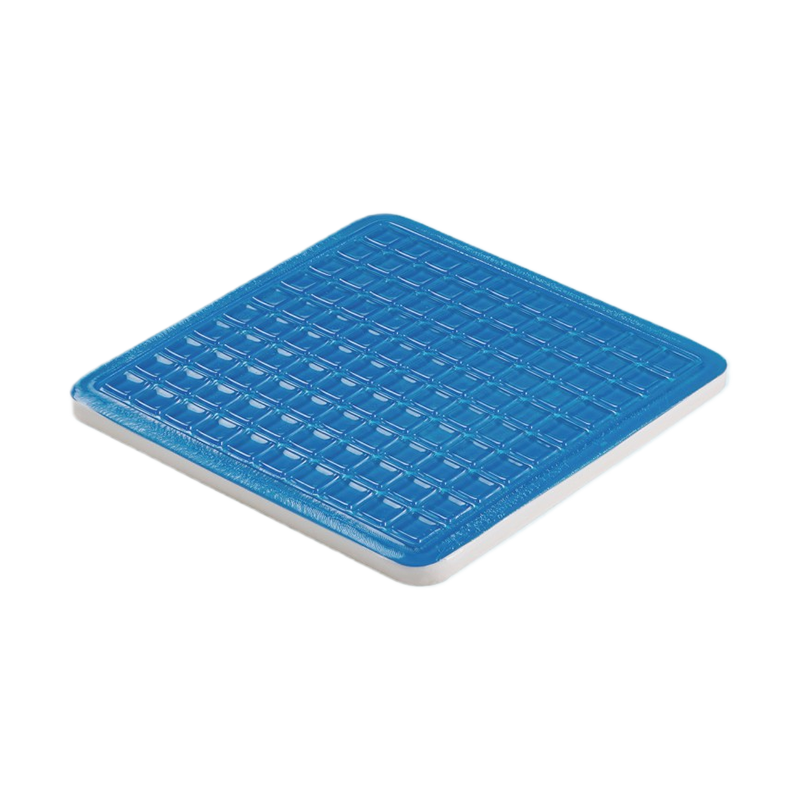
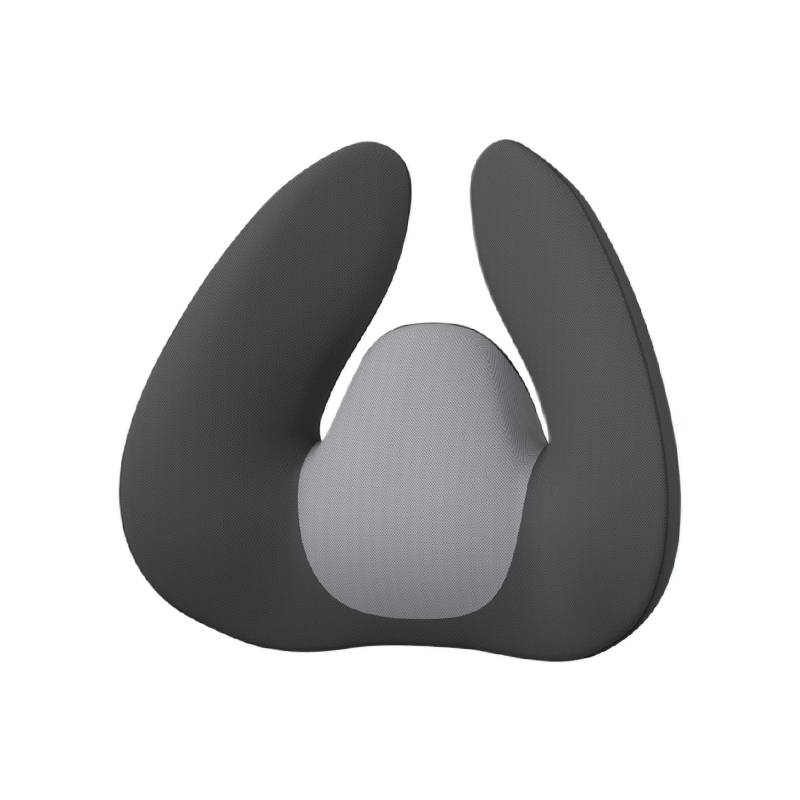
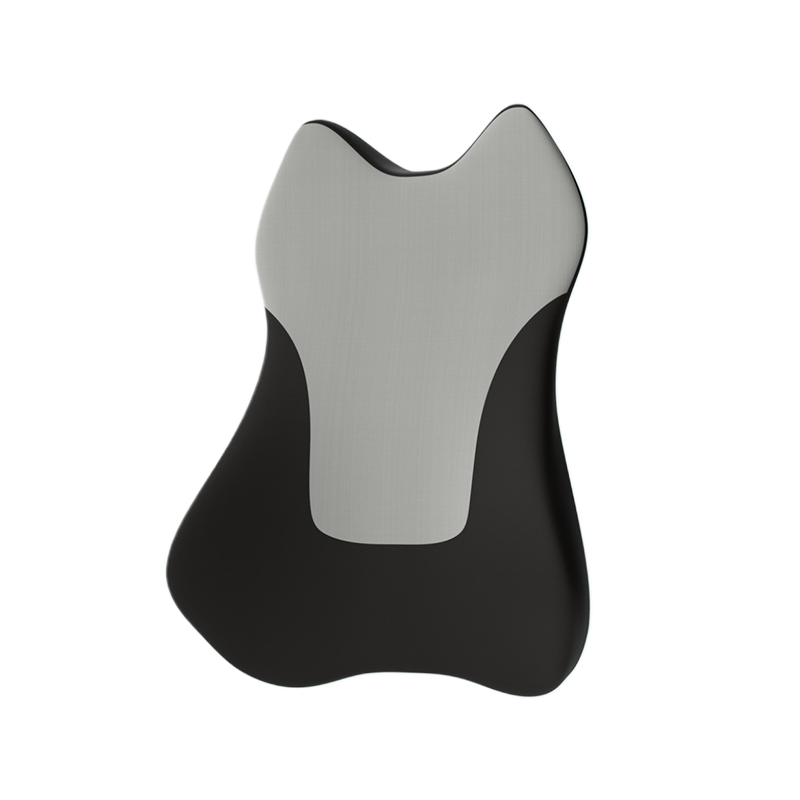
For back sleepers who tend to overheat at the lumbar spine, a gel-cooling back cushion placed under the lower back reduces contact temperature in the area that otherwise absorbs the full weight of the torso.
 Gel-Cooling Back Cushion with Lumbar SupportDesigned for back sleepers, this cushion features a grid-shaped gel upper layer that dissipates heat and a layered base that fits the lumbar curve, reducing contact temperature and providing multi-point support for spinal relief.View Product →
Finally, check your sleep position. Side sleepers can reduce heat buildup by keeping the top knee slightly forward and using a pillow that lifts the head a little higher; this opens the airway and reduces the warm pocket of air that forms around the face and neck.
Frequently asked questions about cooling mattress toppers
Do cooling mattress toppers actually work scientifically?
Yes, when the topper contains phase-change material, open-cell ventilation or graphite and copper conductors. Laboratory studies measure a surface temperature reduction of 1–2°C against standard foam. Simple gel-printed surfaces do not reach the same effect and usually cool for only a short time.
How long does a cooling topper keep you cool?
PCM toppers typically provide active cooling for 2–4 hours before saturating; ventilated toppers work all night because they rely on airflow rather than thermal storage. Gel-infused models usually fall in the 1–2 hour range.
Are gel mattress toppers worth it?
Only if the gel is infused into the foam rather than printed as a thin surface layer. Infused gel can reduce interface temperature by about 1°C; printed gel cools by less than 0.5°C and degrades quickly. Read the technical sheet before paying extra for the word gel.
Can a cooling topper replace an air conditioner?
No. A topper only changes the temperature of the contact surface. In a room above 26°C, the surrounding air continues to heat the skin. The topper helps most in bedrooms that are already close to the recommended 18–22°C range.
What is the difference between a cooling topper and a cooling mattress?
A cooling mattress builds the cooling layer into the core structure, so it works across the entire sleeping area and does not add height on top of an existing bed. A topper is cheaper, removable and easier to replace when the cooling layer wears out. For most people, a quality topper solves the same problem at about half the cost.
How should I care for a cooling mattress topper?
Use a washable cotton cover and zip it off every two to four weeks. Air the topper by leaning it against a wall for a few hours so moisture trapped in the foam can evaporate. Do not dry-clean, and use a gentle cold cycle only if the manufacturer allows machine washing of the cover.