

 English
 عربى

Content
- 1 How Memory Foam Works: The Mechanics Behind the Name
- 2 What Memory Foam Actually Does for Your Body
- 3 Where Memory Foam Works Best: Sleep, Seating, and Back Support
- 4 Memory Foam vs. Latex vs. Innerspring: How the Materials Compare
- 5 Density, Firmness, and Feel: What the Numbers Mean
- 6 Who Benefits Most from Memory Foam
- 7 Common Memory Foam Concerns and Practical Solutions
- 8 The Bottom Line
- 9 Frequently Asked Questions
Memory foam does three things at once: it distributes your body weight evenly across a wide surface, it conforms to the shape of your body in response to heat and pressure, and it slowly returns to its original form once the pressure is removed. Those three behaviors are what make the material feel custom-molded to your body, and they are also what produce the most commonly reported benefits: less joint pain, better spinal alignment, and more restful sleep.
Viscoelastic polyurethane foam, the technical name for memory foam, was developed in the mid-1960s as part of a NASA research program on crash protection for aircraft seats. The material remained a niche product for decades and only entered the bedding and seating mainstream in the 1990s. Today, memory foam appears in pillows, mattresses, mattress toppers, seat cushions, neck pillows, and lumbar supports across every price range. If you are trying to decide whether to add a memory foam product to your home, office, or vehicle, you need to understand not just what it feels like, but what it actually does to your body. For a look at the range of products built around this material, you can browse our complete memory foam product lineup.
How Memory Foam Works: The Mechanics Behind the Name
Memory foam is classified as a viscoelastic polymer. That means it behaves like a very thick liquid: when force is applied, the material deforms, but the deformation happens slowly and continues over time rather than instantly. The human body is a source of both pressure and heat, and memory foam responds to both signals. Warm areas of the foam soften, allowing the material to flow around the shape of the body part that is pressing into it. When you move, the previously compressed areas stay compressed for a short interval before gradually rebounding to their original profile.
Three phases describe a single memory foam cycle:
- Contact: your body presses into the foam surface and initial compression begins immediately.
- Conforming: body heat softens the adjacent foam cells, and the foam slowly redistributes material around your contour over the next 30 to 90 seconds.
- Recovery: once pressure is removed, the compressed cells expand and the surface returns to its original shape, typically within 2 to 10 seconds depending on density and temperature.
The recovery speed is where different memory foam formulations differ. Classic viscoelastic foam recovers slowly, which creates the deep hug sensation. Many newer foams recover in 1 to 3 seconds and feel springier. Neither is objectively better; the right choice depends on whether you prefer a cradled feel or a more responsive surface. Temperature matters too. Because the foam softens with heat, a memory foam product in a cold room will feel noticeably firmer during the first few minutes of contact. Open-cell and gel-infused variants commonly used today are designed to reduce the friction-generated heat at the skin surface by moving air more effectively through the foam structure. This mechanism applies across all product formats, from a thin seat cushion to a thick mattress topper.
What Memory Foam Actually Does for Your Body
Three physiological effects are directly linked to memory foam: pressure redistribution, spinal alignment, and motion isolation.
1. Pressure redistribution. Memory foam spreads the load of your body over its entire contact area instead of concentrating it on bony prominences such as the shoulder, hip, and pelvis. Pressure-mapping studies performed on viscoelastic foam consistently show peak interface pressures that are substantially lower than those recorded on conventional polyurethane foam or innerspring units. For sleeping and sitting, this reduction in peak pressure translates into fewer wake-ups caused by discomfort, less numbness in the arms or legs, and a reduced tendency to toss and turn during the night.
2. Spinal alignment. A properly selected memory foam pillow or mattress allows the heavier parts of the body, such as the hips and shoulders, to sink deeper while lighter parts, such as the waist and neck, receive support at a higher level. This contouring action helps the spine maintain its natural S-curve while sleeping, which is why side sleepers are often the biggest beneficiaries. The deeper sinkage redistributes the body into a more neutral position, keeping the head and neck in line with the thorax. In seating, the same principle applies: a memory foam seat cushion tilts the pelvis slightly forward, which reduces the tendency to slouch.
3. Motion isolation. The viscous structure of memory foam absorbs kinetic energy locally. When a partner shifts position in bed, the deformation in one area does not propagate across the surface the way it travels through springs or latex. This is a measurable advantage for couples: independent tests on a 50 kg foam sample typically show negligible disturbance beyond a 10 cm radius from the point of impact. That is why memory foam mattresses are recommended for people who share a bed with someone who moves during sleep.
Where Memory Foam Works Best: Sleep, Seating, and Back Support
Sleep: pillows and mattress surfaces
The most common memory foam application is sleep support. A pillow made from slow-recovery foam keeps the head cradled while maintaining a constant gap between the ear and the shoulder, which is critical for side sleepers. Contour pillows add a raised neck ridge and a hollowed center for the head, a geometry that reduces pressure on the cervical spine and keeps the airway more open during sleep.
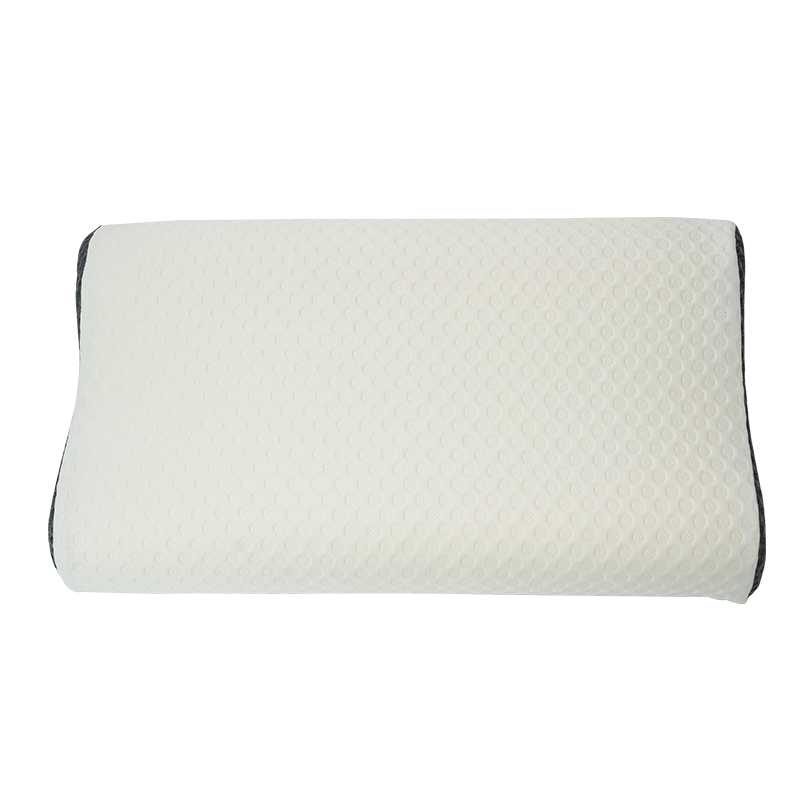 High-Density Memory Foam Contour Pillow with Dual Loft HeightsThis contour pillow uses slow-rebound foam to cradle the head and support the cervical spine, with two height options for back, side, or stomach sleepers. Its raised neck ridge and hollowed center help keep the airway open while reducing pressure.View Product →
For a deeper look at what separates a good memory foam pillow from a poor one, read this overview of the features and benefits of memory foam pillows. The construction, the height of the loft, and the density of the foam all influence how much pressure relief you actually experience in bed.
Seating: long hours at a desk
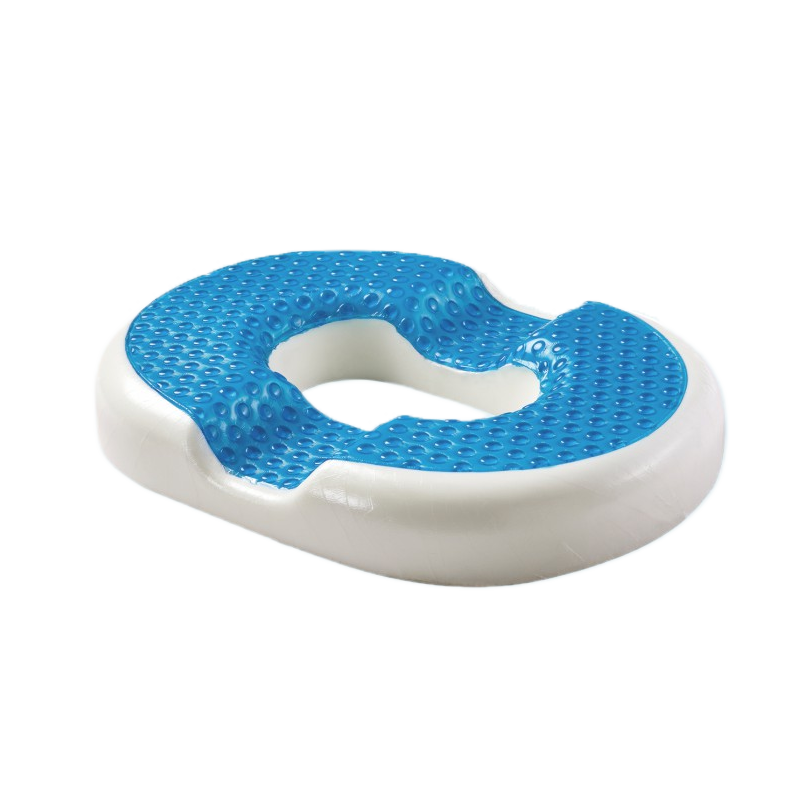
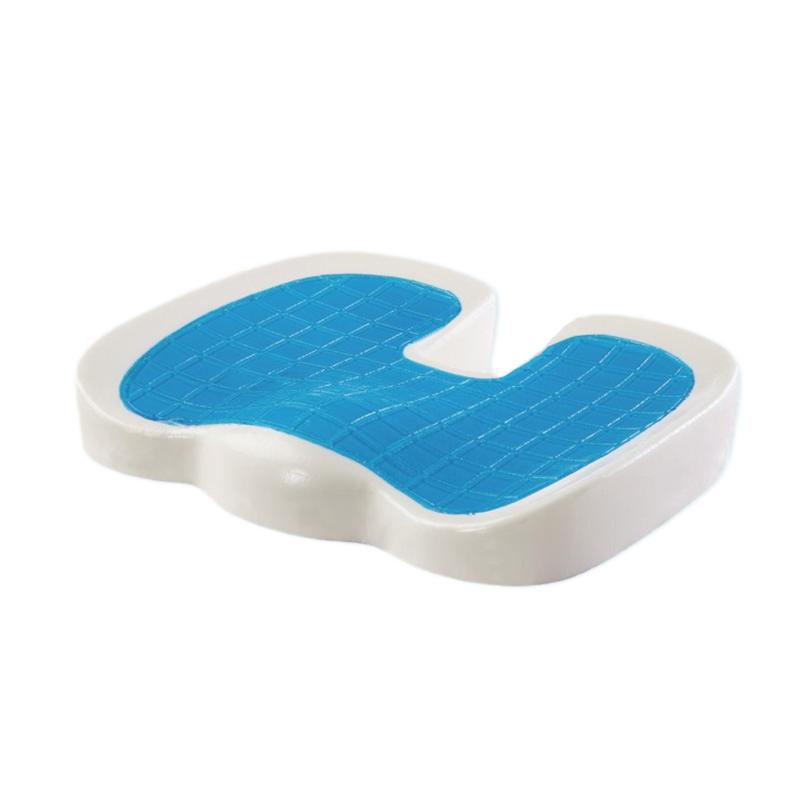
Office chairs and hard stadium seats put direct pressure on the ischial tuberosities, the two bones at the base of your pelvis. A memory foam seat cushion dissipates that pressure and prevents the legs from feeling numb or tingly after several hours of sitting. The effect is most noticeable for anyone who works at a desk for more than 5 hours per day. Gel-infused versions add a heat-drawing layer that keeps the thighs and underside of the legs cooler throughout the workday, which reduces the sweaty discomfort that some users associate with ordinary dense foam.
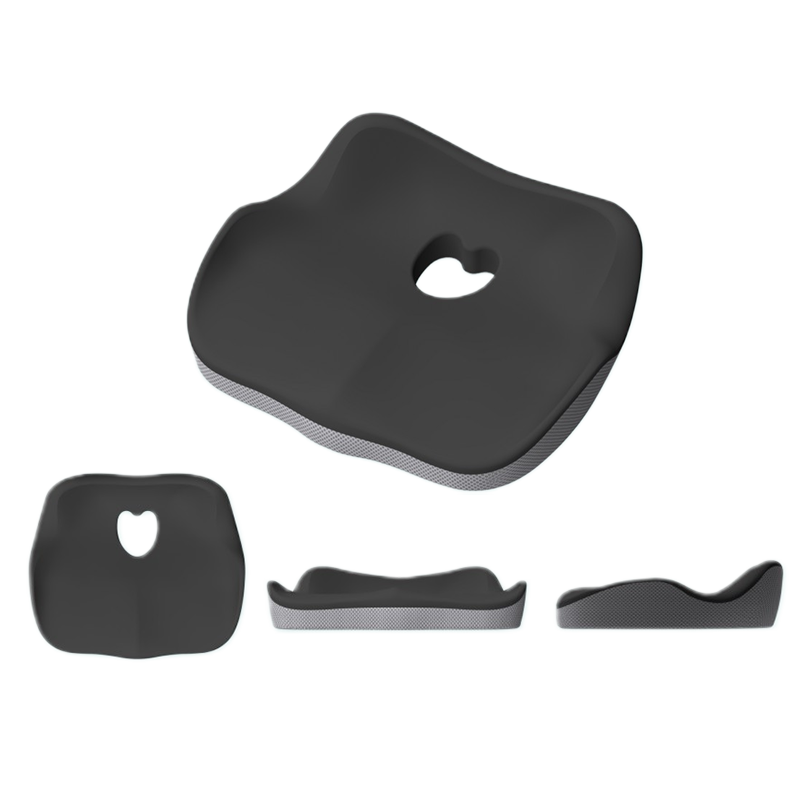
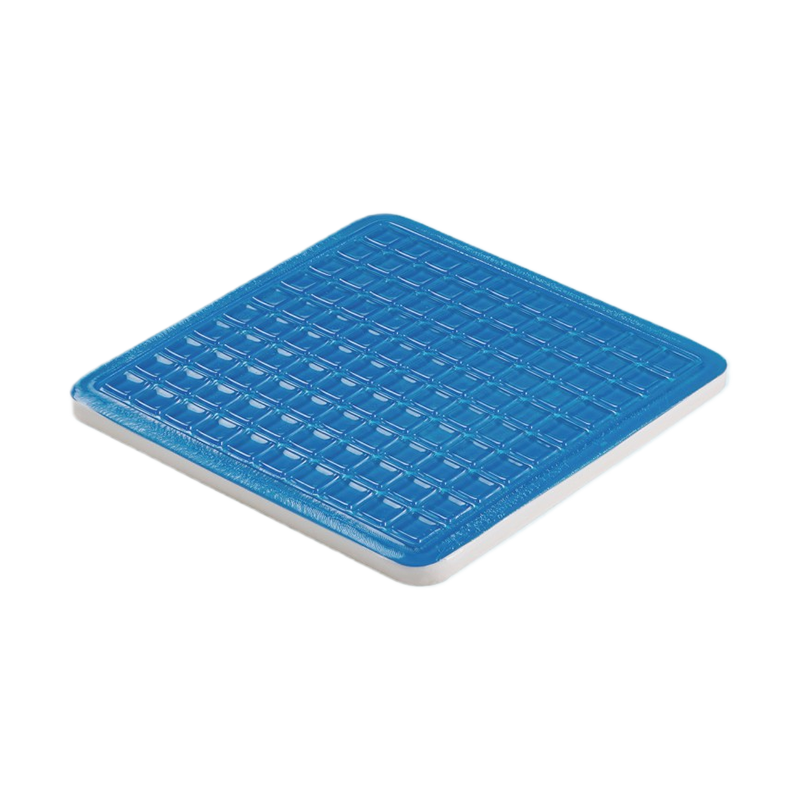 Gel-Infused Memory Foam Square Seat Cushion with 3D AirflowA square seat cushion combining a cooling gel top layer with memory foam base to dissipate heat and reduce pressure on the buttocks and spine, ideal for long hours of seated work or driving.View Product →
Back support: driving and office chairs
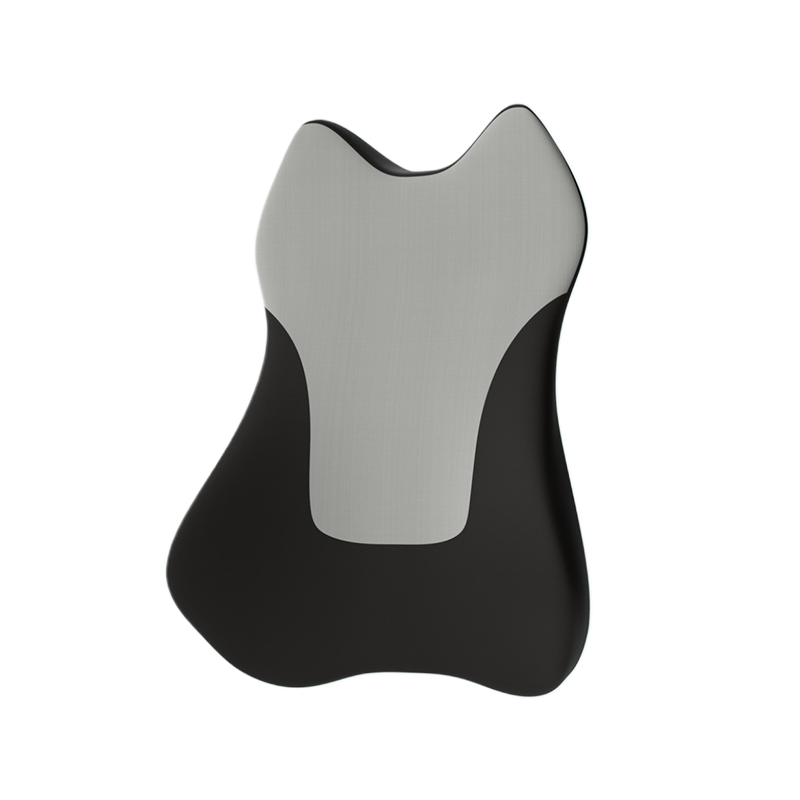
Memory foam lumbar supports appear in two main situations: long-distance driving and seated work. A lumbar support sits in the curve of the lower back and keeps the spine in a neutral lordotic position. Because the foam slowly yields to body heat, it does not produce the hard pressure points that fixed cushions often cause. The forward pressure of the car seat is absorbed gradually instead of pushing back sharply, and this is why drivers who cover more than 300 km per day frequently report less lower-back fatigue when they switch to a memory foam support.
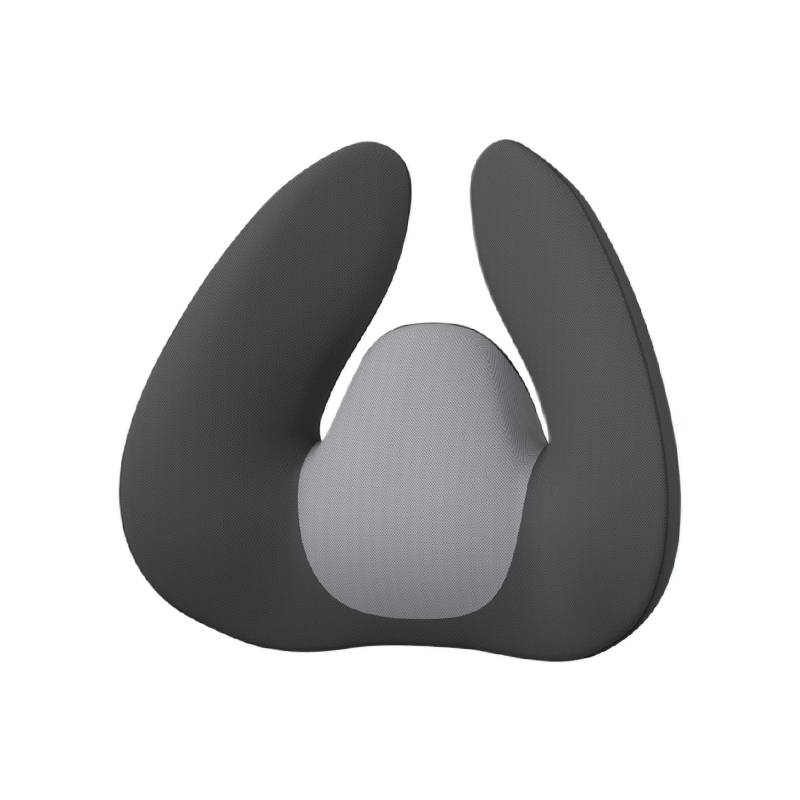
 Compact Double-Sided Memory Foam Lumbar Support CushionA small, portable lumbar cushion with a thickened, dual-sided design and anti-slip rear insert. It fits the curve of the lower back, supports the coccyx, and suits car seats or office chairs.View Product →
Shredded memory foam is a separate category worth mentioning. Instead of one molded block, shredded foam fills a pillow cover with small pieces of viscoelastic foam. The result is adjustable loft, meaning you can remove or add filling to customise the pillow height. This design also improves airflow between the foam pieces, which makes shredded memory foam a common choice for people who want the pressure-relieving properties of memory foam but dislike the dense feel of a solid block.
Memory Foam vs. Latex vs. Innerspring: How the Materials Compare
Understanding what memory foam does becomes easier when you put it next to the alternatives. Latex is a natural rubber foam that responds quickly and bounces back immediately. Innerspring units rely on steel coils that deflect under pressure and push back with a spring force. Memory foam sits between these two extremes: it moves slowly, absorbs energy, and does not push back.
| Property | Memory foam | Latex | Innerspring |
|---|---|---|---|
| Response to pressure | Slow, body-contouring | Fast, bouncy | Immediate |
| Pressure relief | Excellent | Very good | Moderate to low |
| Motion isolation | Excellent | Good | Poor |
| Typical lifespan | 5 to 8 years at high density | 8 to 12 years | 5 to 8 years |
| Best suited for | Pressure relief, couples, side sleepers | Users who want responsiveness plus cushioning | People who prefer a traditional firm spring feel |
These differences explain why the same material choice is rarely ideal across all categories. A responsive surface may feel comfortable initially, but memory foam's slower displacement is precisely what creates the significantly lower peak pressure that keeps joints comfortable over an entire night.
Density, Firmness, and Feel: What the Numbers Mean
The two specifications that determine how a memory foam product will feel are density and firmness. Density is measured in kilograms per cubic meter (kg/m3) and expresses how much foam material is packed into a given volume. It has no direct relation to how soft the foam feels, but higher density always means better durability and better support per unit of compression. The common bands are:
- Low density (24 to 40 kg/m3): light, soft, budget-friendly, but it can bottom out within 1 to 2 years of daily use.
- Medium density (40 to 60 kg/m3): the best balance for most sleepers and sitters; comfortable and durable.
- High density (60 to 85 kg/m3 and above): premium feel, excellent recovery, and typically a 6- to 8-year useful life in a pillow or mattress topper.
Firmness is measured by the Indentation Load Deflection (ILD) standard, which records how many kilograms of force are needed to compress a foam sample by a fixed percentage, usually 25 percent. Lower ILD numbers mean a softer feel.
| ILD range | Feel | Recommended for |
|---|---|---|
| 10 to 14 | Soft, plush | Lightweight people, side sleepers |
| 15 to 20 | Medium-soft | Average weight, combination sleepers |
| 21 to 28 | Medium-firm | Heavier users, back sleepers |
| 29 to 35 | Firm | Stomach sleepers, users who want minimal sinkage |
Body weight plays a larger role in memory foam selection than most buyers expect. A 55 kg sleeper on a firm 30 ILD foam will barely sink into the surface and may feel like the foam is not doing anything. A 100 kg sleeper on a soft 12 ILD foam will sink deeply and may hit the base of the pillow or mattress. Match the softer ILD range to lighter users and the firmer range to heavier users, and you will get much closer to the ideal balance of contour and support.
Who Benefits Most from Memory Foam
Memory foam is not the right answer for everyone, but there are four clear groups that consistently report the biggest improvement.
- Side sleepers. Side sleeping places roughly 25 percent of body weight on the shoulder and hip. A memory foam surface lets these areas sink into the foam while keeping the spine in one plane, which reduces the sensation of pressure on the shoulder joint.
- People who share a bed. The motion isolation described earlier means one person's tossing and turning does not wake a light-sleeping partner. This is often the deciding factor for couples when they replace their mattress.
- Desk workers and long-distance drivers. Prolonged sitting on a rigid seat generates mechanical pressure on the soft tissue under the pelvis. A memory foam cushion or lumbar support reduces the peak pressure during an 8-hour workday or a long drive. The effect is most significant for people who weigh under 80 kg and find standard office chairs uncomfortable.
- Older adults with reduced subcutaneous tissue. As skin and fat layers thin with age, bony prominences become more sensitive. Memory foam's pressure-diffusing properties are a practical way to make sleep and seating less painful.
At the other end, memory foam is a poor match for people who like a very firm, bouncy sleep surface, anyone who sleeps hot and can only tolerate breathable materials, or heavier users who need an extra-firm formulation to avoid a bottomed-out feel.
Common Memory Foam Concerns and Practical Solutions
Heat retention. Classic memory foam is denser than other foams, so body heat has a harder time escaping. Modern open-cell, gel-infused, and phase-change formulations address this directly. A gel-cooling version can keep the surface about 2 to 4 degrees Celsius closer to room temperature after 30 minutes of contact in comparative tests, so if you sleep warm, look specifically for an open-cell or gel-infused product rather than basic memory foam.
Off-gassing. A fresh memory foam product may emit a noticeable smell for the first 24 to 72 hours, especially in a warm closed room. The odor comes from volatile organic compounds released during the curing process. Ventilate the room for two or three days, and the smell typically disappears completely. Unwrapping the product immediately and placing it in a well-ventilated area shortens this window considerably.
Initial stiffness in cold weather. Because the softening mechanism depends on body heat, a pillow or cushion placed in a cold room feels firm for the first 10 to 15 minutes. Products with an open-cell structure recover their function much faster in cold conditions, which is worth remembering if you keep a spare pillow in a car or garage.
Durability and permanent indentations. If the density is below 30 kg/m3 or the product is repeatedly compressed in exactly the same spot, such as a pillow under a very heavy head, it can develop a permanent depression. Choosing a density of 40 kg/m3 or more reduces the risk significantly. Rotating a mattress topper every three months also extends the life of the foam by distributing wear across different zones.
The Bottom Line
Memory foam works through viscoelasticity: body heat softens the foam, pressure repositions the material, and the foam slowly returns to its original shape when the pressure disappears. For most people, the practical result is noticeably lower pressure on the hips, shoulders, lower back, and pelvis, which translates into less discomfort during sleep, longer productive hours at a desk, and fewer aches after a long drive.
The key to getting what you want from memory foam is not choosing the most expensive option, but choosing the specification that matches your body weight, sleeping position, and temperature preferences. Start with a density of at least 40 kg/m3, pick a firmness based on your preferred sleeping position, and select a gel-infused or open-cell formula if you sleep warm. Those three decisions will make a much bigger difference than the brand name on the label.
Frequently Asked Questions
What does memory foam do?
Memory foam distributes body weight evenly, conforms to the shape of your body under heat and pressure, and slowly returns to its original shape. This reduces peak pressure on joints, supports spinal alignment, and isolates motion so movements do not travel across the surface.
Is memory foam good for back pain?
For many people, yes. The contouring action supports the natural curve of the spine and reduces pressure on the lower back. However, the right density and firmness matter. A foam that is too soft can cause the hips to sink out of alignment, while a foam that is too firm gives less pressure relief. Memory foam pillows are widely recommended specifically for cervical neck pain because they keep the head and neck aligned.
Does memory foam work differently in winter?
Yes. A cooler room temperature makes memory foam feel noticeably firmer during the first minutes of contact because the softening mechanism relies on body heat. Open-cell and gel-infused variants perform better in cold environments because their structure allows heat to reach the inner layers faster.
How long does memory foam last?
At a density of 40 to 60 kg/m3, a memory foam pillow or cushion generally maintains its performance for 3 to 5 years, while a mattress topper can last 5 to 8 years. High-density foam above 60 kg/m3 moves those numbers upward. Low-quality foam under 30 kg/m3 can soften permanently within 1 to 2 years.
Does gel memory foam actually sleep cooler?
Gel-infused memory foam conducts heat away from the skin more quickly than basic memory foam because gel has higher thermal conductivity than air-filled foam cells. In practice, the difference is meaningful for warm sleepers, although a true cooling effect also requires a breathable fabric cover and open-cell foam construction.
How do I choose the right memory foam density?
Choose 40 to 60 kg/m3 for general use. Choose 60 kg/m3 or above if you weigh more than 80 kg, use the product daily for several hours, or want maximum durability from a mattress topper. Choose 24 to 40 kg/m3 only for low-cost seasonal products that will not be used daily.