

 English
 عربى

Content
- 1 Why Do Pillows Turn Yellow? The Five Causes Behind the Stain
- 2 The Chemistry of Yellowing: Why Oxidation Affects Memory Foam Too
- 3 Does a Yellow Pillow Affect Health and Sleep Quality?
- 4 How to Prevent Pillows From Turning Yellow
- 5 How to Remove Yellow Stains From Pillows, Step by Step
- 6 When Should You Replace a Yellowed Pillow?
- 7 Choosing a Pillow That Stays White Longer
- 8 Pillow Yellowing FAQ
- 8.1 Is a yellow pillow dirty even if I use a clean pillowcase?
- 8.2 Can I remove yellow stains from a memory foam pillow?
- 8.3 Why did my pillow turn yellow after only a few months?
- 8.4 Does sunlight dry out or whiten a yellow pillow?
- 8.5 Should I wash a new pillow before using it?
- 8.6 How can I tell if yellowing is from sweat or from skincare products?
- 8.7 How often should I wash my pillow protector?
- 9 The Bottom Line: Keep the Core Dry and the Barrier Clean
The short answer: a yellow pillow is the accumulated result of sweat, facial oil, dead skin cells, saliva, and skincare products soaking through the cover and into the filling, then oxidizing into colored compounds as they react with oxygen. Your body chemistry determines how fast this happens, your pillow's construction determines how deep it penetrates, and your laundry routine determines whether it stays visible or keeps coming back. In most cases, yellowing is reversible on the outside and preventable on the inside once you know exactly which mechanism is working on your pillow.
This guide covers the five primary causes of pillow yellowing, the chemical reactions behind them, the health implications of sleeping on a stained pillow, step-by-step cleaning methods, replacement timelines, and practical buying criteria for pillows that stay fresher longer. You will also find a detailed FAQ at the end for quick answers to the most common questions.
Why Do Pillows Turn Yellow? The Five Causes Behind the Stain
1. Sweat and Overnight Moisture
During eight hours of sleep, the average adult loses roughly 250 to 500 ml of fluid through sweat and respiration, according to thermoregulation research in sleep medicine. Your head and neck sit directly against the pillow, so that moisture has nowhere to go except into the cover and the filling. Sweat contains urea, lactic acid, ammonia, and salts. When these compounds concentrate in a fabric and react with oxygen, they form brownish-yellow oxidation products. The more you sweat at night because of a warm room, heavy bedding, or your body's natural thermostat the faster the discoloration appears and the deeper it soaks in.
2. Natural Body Oils and Dead Skin Cells
Sebaceous glands on the scalp and face secrete sebum, a complex oil made of squalene, wax esters, triglycerides, and fatty acids. Over the course of the night, this oil transfers to the pillowcase and soaks through to the layers beneath. Squalene in particular is highly reactive with oxygen and is known to darken into a yellow-brown residue on fabrics over time. In addition, the average person sheds around 500 million skin cells per day, and a good share of those cells flakes off onto the pillow, providing food for dust mites and bacteria. This combination of oil and protein creates the stubborn, waxy yellow stain that ordinary detergent often fails to remove.
3. Skincare Products, Cosmetics, and Hair Treatments
What you put on your body before bed can stain a pillow faster than biology alone. Moisturizers containing plant oils or butters, retinol and vitamin C serums, leave-in conditioners, dry oils, and self-tanner can all transfer onto the pillow within minutes. Self-tanning products are a common cause of orange-brown patches because dihydroxyacetone reacts with amino acids in sweat and skin. Acne creams containing benzoyl peroxide can also cause bleached or yellowish spots when they come into contact with fabric overnight. If your staining pattern looks patchy and concentrated along the cheek or hairline, cosmetics are the likely culprit.
4. Saliva and Drooling
Many side and stomach sleepers produce small amounts of saliva at night. Saliva contains enzymes, mucins, and bacteria, and when it dries into fabric it leaves a stiff, yellowish mark that is easy to notice on white pillows. Even if you do not think of yourself as a drooler, trace amounts of saliva land on the pillow as you swallow or change sleeping positions. Over months, these small contributions add up to visible discoloration around the edge or the center of the pillow, depending on your sleep posture.
5. Humidity, Heat, and Environmental Exposure
External factors speed up the chemical reactions already taking place inside a pillow. High humidity keeps biological residue moist, which accelerates bacterial growth and oxidation. Direct sunlight can yellow polyurethane foam through UV radiation. Dust and airborne pollution settle on the pillow and add to the mix of particles that darken the surface. A pillow used in a humid climate or on a bed near a window will typically show yellowing sooner than an identical pillow used in a dry, dark room.
| Cause | Main mechanism | Typical appearance |
|---|---|---|
| Sweat and fluids | Urea, lactic acid, and salts oxidize | Large pale-yellow patches in the center |
| Skin oils | Sebum lipids darken on exposure to oxygen | Yellowish smear where the head rests |
| Skincare products | Cosmetic oils and active ingredients react with fabric | Mottled orange-brown spots along the cheek |
| Saliva | Enzymes and bacteria dry into fibers | Stiff yellow marks near the edges |
| Environment | Humidity, heat, and UV speed up oxidation | Even yellowing over the whole surface |
The Chemistry of Yellowing: Why Oxidation Affects Memory Foam Too
Understanding the chemistry changes how you clean. Most people assume a yellow pillow has simply become dirty, but a large part of the color change is an oxidation reaction the same chemistry that turns a sliced apple brown or ages rubber. The unsaturated fats in sebum react with oxygen to form peroxides and aldehyde compounds that have a yellow tint. Once those compounds form, ordinary soap alone cannot break them down. That is why enzyme-based cleaners and oxidizing agents such as hydrogen peroxide work better than plain detergent on pillow stains.
Memory foam has two yellowing paths. First, it behaves like any pillow: it absorbs sweat, oil, and cosmetic residue through the cover. Second, the foam itself yellows with age. Memory foam is an open-cell polyurethane material, and polyurethane is prone to photo-oxidation and thermal oxidation. Over years of use, heat from your head and oxygen in the air cause the polymer chains to degrade, producing yellow chromophores within the foam core. This internal yellowing is completely unrelated to hygiene even an unused pillow stored in a warm room for a decade will gradually take on a yellow tone.
The density and open-cell structure of the foam determine how fast both types of yellowing occur. Lower-density foams have more exposed surface area and tend to soak up oils faster; higher-density foams with a controlled vent design keep the structure more stable over time. If you want to understand how foam formulation changes long-term performance, read our detailed explanation of how density and ventilation affect pillow performance. The article breaks down measurable differences in compression resistance, airflow, and heat buildup that directly influence stain penetration and service life.
- Body oils oxidize into yellow compounds that bind tightly to fabric fibers.
- Polyurethane foam naturally yellows through polymer oxidation, independent of dirt.
- Higher-density foam and breathable vent designs slow down oil absorption and moisture retention.
- Chemical stain removal requires an oxidizer or enzyme, not just detergent.
For a factory that manufactures memory foam pillows, the practical lesson is that stain resistance and yellowing resistance are engineered at the material stage, not solved at the washing machine. Foam formulation, cover fabric, moisture-wicking additives, and gel cooling infusions all change how quickly a pillow shows its age. That is why two pillows that look identical in the store may age very differently over two years of nightly use.
Does a Yellow Pillow Affect Health and Sleep Quality?
A yellow stain is not just a cosmetic issue. It tells you that organic material has been building up inside the pillow, and that material feeds a microscopic ecosystem. A widely reported study by Dr. Arthur Tucker at St Bartholomew's Hospital in London estimated that up to 10% of the weight of a two-year-old pillow can be composed of dust mites, dead skin cells, and dust mite droppings. Dust mites thrive on the same proteins that cause your pillow to yellow, which means a visibly stained pillow already contains enough food for significant mite populations.
- Dust mites and their droppings are a common trigger for nighttime nasal congestion, sneezing, and allergy symptoms.
- Bacteria colonize damp, oily pillow fibers; certain strains can contribute to breakouts and folliculitis when the pillow repeatedly contacts the face.
- Yellow pillows gradually stiffen and clump, which reduces neck support and can disturb sleep quality.
- A pillow that smells musty or sour may contain mold spores, especially if the core has stayed damp for long periods.
The guidance from sleep and hygiene organizations is consistent: pillows should be replaced every one to two years for hygiene reasons, even if the pillow still looks structurally fine. According to the Sleep Foundation, replacement timelines vary by material, but the hygiene argument alone justifies a two-year limit for most pillows. If you have allergies, use a protective cover that can be unzipped and machine-washed, and replace the pillow on the shorter end of that timeline.
How to Prevent Pillows From Turning Yellow
Prevention is easier than stain removal because once oil and protein reach the foam core, no amount of surface washing can fully reverse it. The following steps are ranked from most effective to least, based on how much biological residue each one keeps away from the pillow.
- Install a washable pillow protector. A cotton or waterproof-backed protector sits between your pillowcase and the pillow. It catches sweat, oil, and drool before they reach the core. Buy two so you can swap them while one is in the wash.
- Wash pillowcases and protectors weekly. For dust mite control, use water at or above 60°C (140°F) if the fabric allows it. Hot water and a thorough rinse cycle remove the salts and proteins that soap alone leaves behind.
- Shower or wash your face before bed. Removing sweat, sebum, and skincare residue at the sink or in the shower reduces what transfers to the pillow in the first hour of sleep.
- Let skincare absorb before lying down. Moisturizers and serums need about 10 to 15 minutes to penetrate the skin. Sleeping immediately after application transfers a visible amount of product to the fabric.
- Keep the bedroom cooler and air out the pillow daily. A bedroom temperature between 18 and 22°C (65 to 72°F) lowers nighttime sweating. Air the pillow for an hour on a drying rack or in a well-ventilated room so trapped moisture can evaporate.
- Rotate and fluff the pillow. Rotating distributes oil absorption over both surfaces, and fluffing keeps the filling from compacting into a dense, yellowed core.
For people who sleep hot, a gel-cooling memory foam pillow helps reduce contact heat and decreases overnight sweating, which directly reduces the amount of sweat available to stain the pillow. A cooling layer also makes the bedroom temperature habit easier to maintain.
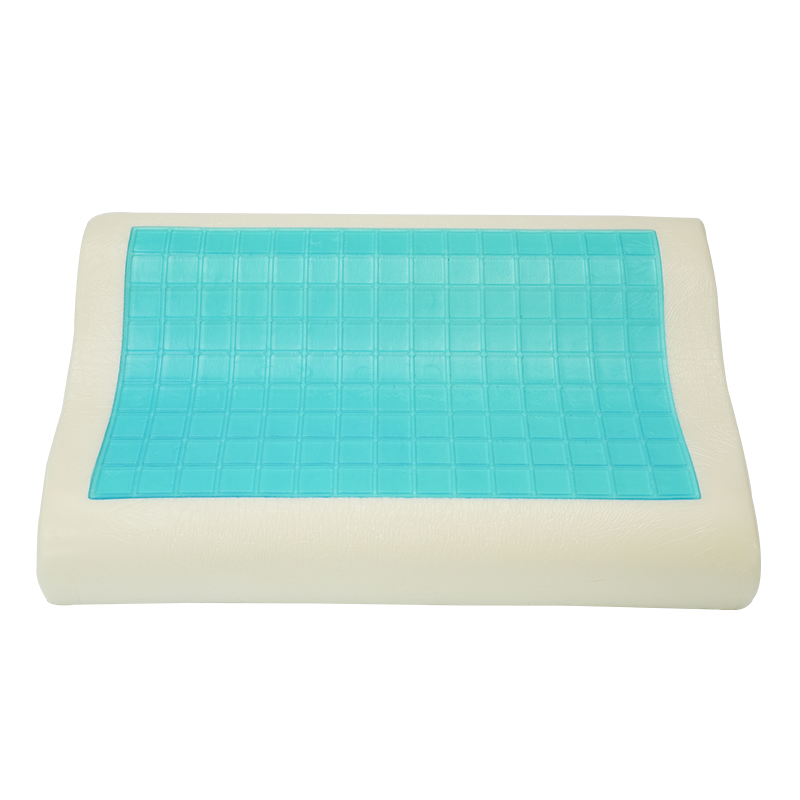 Contour Memory Foam Gel Cooling Pillow with Ergonomic Wave ShapeThis ergonomic wave-shaped pillow combines high-density memory foam with a cooling silicone gel layer, helping reduce contact heat and night sweating to keep the surface cleaner and support a comfortable sleep temperature.View Product →
How to Remove Yellow Stains From Pillows, Step by Step
The right cleaning method depends on the filling. Washable fillings such as down, feather, and polyester can be laundered in a machine. Memory foam almost always cannot. These instructions separate the two groups so you do not ruin a pillow while trying to save it.
For Washable Pillows: Down, Feather, Polyester
- Read the care label. If the pillow is machine-washable, note the maximum water temperature and any restrictions on dryer use.
- Pretreat the yellowed area. Apply a small amount of enzyme-based laundry detergent directly to the stain, or make a paste of baking soda and water. Gently rub with a soft brush and let it sit for 15 minutes.
- Wash two pillows together to balance the machine. Use warm water, a gentle cycle, and a mild detergent. Add oxygen-based bleach (sodium percarbonate) if the label allows it.
- Run an extra rinse cycle to remove all soap. Residual detergent traps dirt and can actually make future yellowing worse.
- Dry completely. Use low heat with dryer balls for down, and medium heat for polyester. Stop only when the pillow has zero damp spots, because moisture left in the core breeds mildew. Add a clean tennis ball or dryer ball to break up clumps.
For Memory Foam Pillows
- Never machine wash or submerge a memory foam pillow. Water destroys the open-cell foam structure, and drying it fully is nearly impossible without professional equipment.
- Spot clean with diluted detergent: mix a few drops of mild liquid soap or baby shampoo with warm water.
- For stains, use diluted hydrogen peroxide (1 part 3% hydrogen peroxide to 3 parts water), applied with a white microfiber cloth. Peroxide is an oxidizing agent that breaks down the yellow chromophores in sweat and sebum.
- Rinse by dabbing with a second cloth dampened with cold water only, then blot dry.
- Dry flat in a warm, ventilated room away from direct sunlight, and allow 24 to 48 hours before using.
| Method | Best for | Risk level | Frequency |
|---|---|---|---|
| Baking soda + vinegar | Washable fillings | Low | Monthly |
| Hydrogen peroxide spot treatment | Memory foam | Medium; always dilute | As needed |
| Enzyme detergent soak | Down, feather, polyester | Low when the label allows | Every 3 to 6 months |
| Oxygen-based bleach | White washable pillows | Low; chlorine-free | Quarterly |
Do not use chlorine bleach on memory foam or on any pillow that contains polyurethane. Chlorine bleach degrades the foam structure and leaves an unpleasant chemical residue. If the yellow stain has reached the core and you can smell a sour or musty odor even after cleaning, the residue has colonized the interior. At that point, replacement is the only reliable fix.
When Should You Replace a Yellowed Pillow?
Replacement is usually cheaper than an allergy flare-up or a skin infection spread over a six-month period. You do not need to wait until a pillow is deeply stained to replace it. The signs below can appear well before the visible yellowing makes the pillow embarrassing to use, so it is worth checking your pillow every few months.
- The stain does not fade after two full cleaning attempts.
- The pillow has a persistent musty or sour smell, even when completely dry.
- The foam has lost its rebound: it takes more than a few seconds to return to shape after pressure.
- The pillow feels lumpy, flat, or noticeably thinner on one side.
- You wake up with neck pain and the pillow no longer holds its original loft.
- You have allergy symptoms that improve when you are away from your bedroom.
| Material | Typical lifespan | Notes |
|---|---|---|
| Memory foam | 2 to 3 years | High-density foam can last 3 years; low-density degrades faster |
| Latex | 3 to 4 years | Naturally resistant to dust mites |
| Down / feather | 2 to 3 years | Requires proper drying to prevent clumping and odor |
| Polyester | 6 months to 2 years | Compresses quickly; needs regular washing |
If your memory foam pillow is less than two years old but has yellowed to the core, factor environmental humidity and night sweating into the diagnosis. It does not necessarily mean the foam is faulty; it means the pillow was used without an effective moisture barrier. For a replacement, choose a foam pillow with a dense cell structure and a washable protective cover so the next pillow lasts closer to three years.
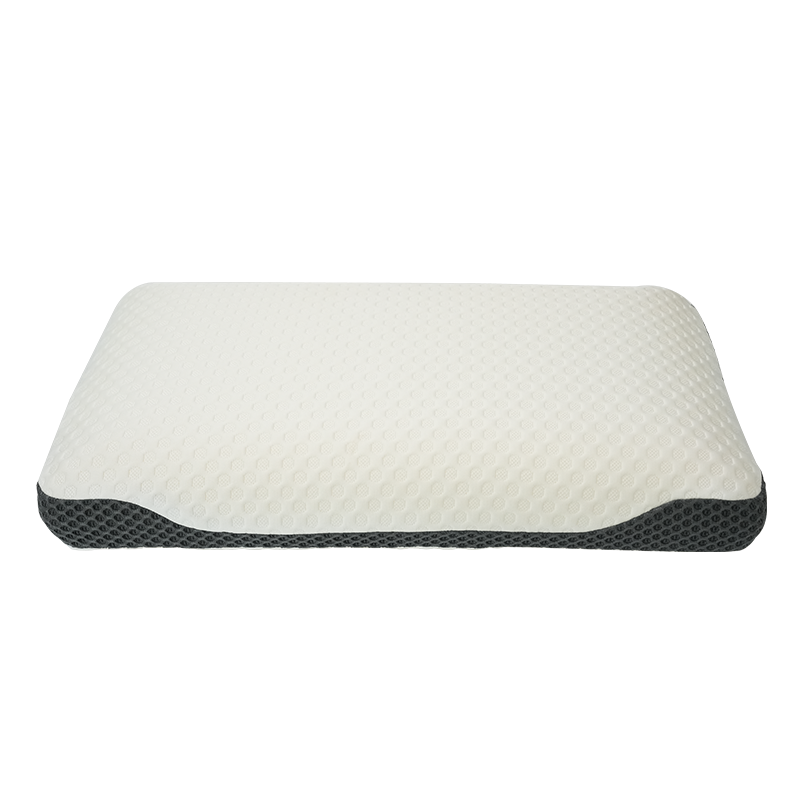 Traditional High-Density Memory Foam Pillow for Neck SupportFeaturing high-density memory foam that adapts to body temperature and pressure, this pillow maintains the natural cervical curve and evenly disperses pressure, addressing the need for a denser cell structure to slow yellowing.View Product →
Choosing a Pillow That Stays White Longer
When the goal is to delay yellowing, the purchase decision matters more than the cleaning routine. Five product features consistently reduce discoloration. You can check these specifications on the product page before you buy, and you can ask the manufacturer directly if a specification is not listed.
| Feature | Why it helps |
|---|---|
| Removable, washable cover | Lets you launder the protective layer without damaging the filling |
| Moisture-wicking cover fabric | Moves sweat away from the face, so less soaks into the core |
| Gel infusion or cooling layer | Lowers skin temperature and reduces night sweating |
| Open-cell high-density foam | Less absorbent surface, better airflow, slower oxidation |
| Deeper vent structure | Shorter evaporation time for moisture that still gets inside |
A factory-direct memory foam pillow manufacturer can tell you the density, foam formulation, and cover options before you commit to a purchase. This matters because the cleaning behavior of a pillow is tied to the raw material chosen at the start. A pillow made with higher-density foam and a moisture-wicking cover will stay visually clean for months longer than a budget pillow with the same external look.
If you prefer a cooler surface with extra airflow, TPE foam pillows are a newer material option worth considering. TPE, or thermoplastic elastomer, has an open lattice structure that dries quickly and does not absorb oil the way conventional polyether foam does. As a result, yellowing tends to progress more slowly on TPE pillows, and everyday cleaning is simpler because you can rinse the lattice structure without destroying the material.
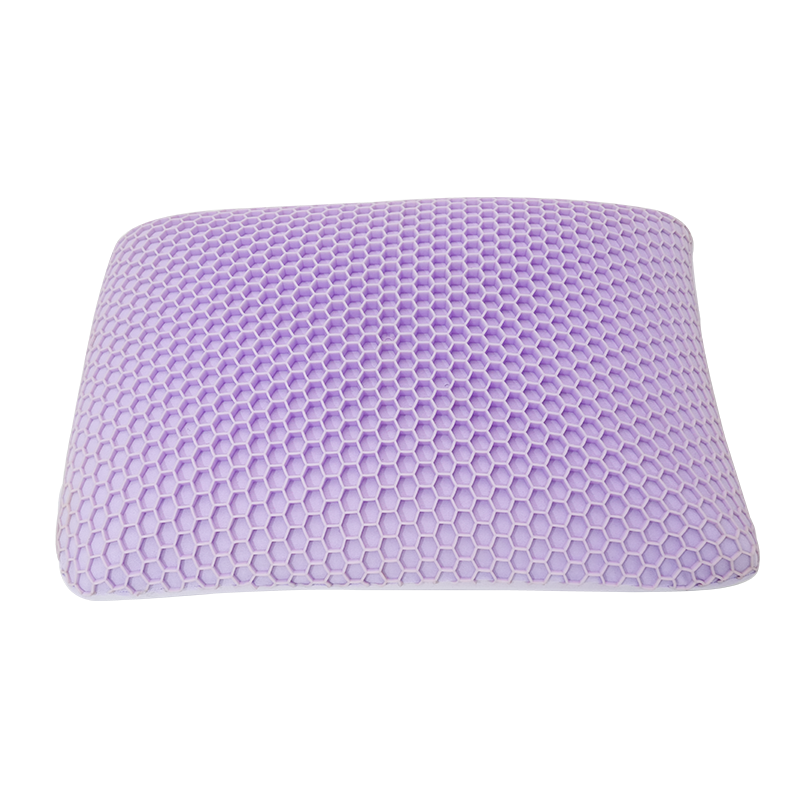 TPE Memory Foam Pillow with Washable Hollow GridMade from environmentally safe TPE with an open hollow lattice, this pillow resists oil absorption, dries quickly, and is fully washable, simplifying cleaning while providing ergonomic neck support and long-lasting rebound.View Product →
Pillow Yellowing FAQ
Is a yellow pillow dirty even if I use a clean pillowcase?
Yes. A pillowcase is not a waterproof barrier. Every night, sweat and oil pass through it. The pillow protector is the actual line of defense; the pillowcase mainly protects against surface dirt. If you have never washed or replaced the protector, the pillow itself can become yellow despite weekly pillowcase changes.
Can I remove yellow stains from a memory foam pillow?
You can fade them with a diluted hydrogen peroxide spot treatment, but you cannot fully remove stains that have penetrated the foam core because the foam absorbs liquid and holds it. Surface cleaning and prevention work much better than attempting a deep recovery after months of untreated staining.
Why did my pillow turn yellow after only a few months?
Fast yellowing usually means high night sweat, heavy skincare or hair products, high humidity, or a low-density foam with a thin cover. In some cases, it indicates the foam itself is oxidizing quickly because of the raw material formulation. Check your sleep environment first, then look at the pillow's material density.
Does sunlight dry out or whiten a yellow pillow?
Sunlight can bleach stains on the outer cover, but UV radiation accelerates the oxidation of polyurethane foam and makes the core yellower over time. Air-dry pillows in the shade or in a well-ventilated room rather than placing them directly under the sun.
Should I wash a new pillow before using it?
For washable pillows, one wash removes manufacturing residues and is generally a good idea. For memory foam, follow the manufacturer's instructions and do not submerge it. Instead, wipe the surface with a damp cloth and air it for a day before first use.
How can I tell if yellowing is from sweat or from skincare products?
Pattern is the clue. Sweat and oils concentrate where your head sits, typically the center of the pillow. Skincare products often show up as irregular patches along the cheek or hairline, with a stronger orange tone. If the stain is only on one side, you can also check which side of the bed you sleep on and how you apply products at night.
How often should I wash my pillow protector?
Wash the protector every one to two weeks, at the same frequency as your pillowcase if you sleep hot or use heavy skincare products. If you have allergies, wash both in hot water at 60°C (140°F) to kill dust mites and remove the protein residues that attract them.
The Bottom Line: Keep the Core Dry and the Barrier Clean
Pillows turn yellow because the human body transfers sweat, oil, saliva, and skincare residue to the fabric every single night, and oxygen does the rest. The stain can be lightened on a washable pillow and partially faded on a memory foam pillow, but the most effective strategy is to keep moisture and oil away from the core: use a machine-washable pillow protector, wash the layers weekly, air the pillow daily, and replace it every one to three years depending on the material.
When you shop for a new pillow, choose one with a removable washable cover, breathable open-cell foam, and a moisture-wicking layer. Those small material choices delay the yellowing process by months and keep your sleeping surface visibly and hygienically cleaner. A yellow pillow is never a mark of failed hygiene alone; it is a timeline of how your body and your environment interact with the materials on your bed.