

 English
 عربى
عربى
Content
- 1 Why Memory Foam Mattresses Hold Odors That Spring Mattresses Do Not
- 2 The Complete Step-by-Step Guide to Deodorizing a Memory Foam Mattress
- 3 The Baking Soda Treatment: Amounts, Timing, and Vacuuming Technique
- 4 Using White Vinegar and Enzyme Cleaners for Stubborn Odors
- 5 Common Mistakes That Permanently Ruin Memory Foam
- 6 How to Stop Odors From Coming Back
- 7 When Deodorizing Is Not Enough: Signs It Is Time to Replace
- 8 Frequently Asked Questions
- 8.1 How often should I deodorize my memory foam mattress?
- 8.2 Can I use baking soda on a memory foam mattress?
- 8.3 How do I get the new mattress chemical smell out quickly?
- 8.4 Can I wash a memory foam mattress in the washing machine?
- 8.5 How long does a baking soda treatment take?
- 8.6 Does vinegar damage memory foam?
- 8.7 How do I get sweat smell out of a memory foam mattress?
- 8.8 Can I use a steam cleaner on memory foam?
A memory foam mattress usually starts to develop an odor after about 12 to 18 months of nightly use. The smell is a clear signal that sweat, body oils, and dead skin cells have accumulated deep inside the open-cell structure of the foam. The direct answer to how to deodorize a memory foam mattress is to apply a generous layer of baking soda, let it sit for six to eight hours, and vacuum it off with a HEPA-filter vacuum. For odors that have been building up for months, a light mist of diluted white vinegar before the baking soda treatment will break down the organic residues responsible for that musty smell. If you repeat that routine every six to eight weeks, the mattress will stay fresh for years.
The reason so many people struggle with this problem is that they rely on quick fixes like fabric sprays or scented candles. Those products only mask the odor temporarily and add oily residue that traps new smells. The methods described in this guide attack the odor at its source by neutralizing the chemical compounds that actually cause it. To understand which treatment fits your situation, it helps first to know why memory foam holds onto smells so stubbornly. You can read more about the physical behavior of foam in this overview of the features and advantages of memory foam mattresses.
Why Memory Foam Mattresses Hold Odors That Spring Mattresses Do Not
Memory foam is made from polyurethane, a material with an open-cell structure that is excellent at absorbing pressure but poor at releasing moisture. When you sleep, your body loses roughly 450 milliliters of water per night through skin respiration and sweating. Research on sleep physiology has shown that about two-thirds of that moisture ends up in your bedding and the upper layer of the mattress. Traditional cotton-wrapped spring cores allow some airflow through the springs and surrounding padding, but memory foam does not. The trapped moisture sits inside the foam cells, creating a damp environment where bacteria and dust mites thrive.
Beyond the biological causes, memory foam also has a chemical odor when it is new. A 2020 paper published in the Journal of Environmental Management found that polyurethane foam products emit volatile organic compounds such as toluene and ethylbenzene during the first three to six months after manufacturing. This "new mattress smell" is different from the musty biological odor that develops later and requires a different set of treatments. Understanding which type of smell you are dealing with is the first step toward choosing the right deodorizing method.
The biological odor is the one most people encounter after a year or two of use. Ammonia derivatives from sweat and butyric acid from skin degradation are the main culprits. These compounds are acidic, and that is exactly why baking soda works so well on them. The chemical odor, by contrast, is best removed with airflow and absorbent materials rather than wet treatments. Environmental odors usually indicate a deeper moisture problem, and vinegar can help because its acidity suppresses the growth of mold and mildew on the surface.
The Complete Step-by-Step Guide to Deodorizing a Memory Foam Mattress
If the mattress is moderately soiled rather than deeply stained, follow these steps in order. Each stage builds on the previous one, so do not skip the vacuuming phase. Skipping the initial vacuum is the most common reason a treatment fails, because loose skin flakes and dust mite droppings remain on the surface and become food for odor-causing bacteria.
- Strip all bedding and wash it in the hottest water the fabric care label allows. Dust mites are killed at temperatures above 60 degrees Celsius, which is 140 degrees Fahrenheit. Washing the sheets removes a large portion of the sweat and skin flakes that would otherwise recontaminate the mattress within one night.
- Vacuum the bare mattress with the upholstery attachment. Make overlapping passes across the entire surface and pay special attention to the seams and edges where dust accumulates. This step removes the dry debris that would otherwise make the next stages less effective.
- Sprinkle baking soda evenly over the mattress from a distance of about 30 centimeters. Use a sifter or a fine mesh sieve to create a uniform layer no thicker than 2 millimeters. Rub it gently into the fabric with your hand so it settles a little closer to the foam without clumping.
- Let the baking soda sit for at least six hours. Longer is better; an overnight treatment of ten hours gives the sodium bicarbonate time to adsorb odor molecules into its crystalline structure. Do not shorten this step, because the adsorption rate is still climbing after four hours.
- Vacuum thoroughly with a HEPA-filter vacuum. The HEPA filter captures the bicarbonate powder along with the odor particles that became stuck to it. If you do not have a HEPA vacuum, use a vacuum with a clean filter and empty it afterward.
- If the odor persists, mist the mattress with diluted white vinegar and repeat steps three through five after 24 hours. Vinegar works on a different class of odor compounds, so the combination of the two treatments often resolves issues that each one alone cannot.
- Air out the mattress in a well-ventilated room. Open the windows or run a dehumidifier to pull residual moisture out of the foam. Air circulation is the cheapest and most underused tool in odor management.
What about memory foam pillows?
Pillows made from the same foam material develop odors on a faster timescale because they are in direct contact with the face and hair, where body oils concentrate. The same baking soda and vacuum technique works on memory foam pillows, but the treatment time can be shortened to four hours because a pillow is much thinner than a mattress. A contour pillow that is 12 centimeters thick will release trapped moisture faster than a mattress core of 20 centimeters or more. Replacing worn pillows is also an important part of keeping the whole sleep environment fresh.
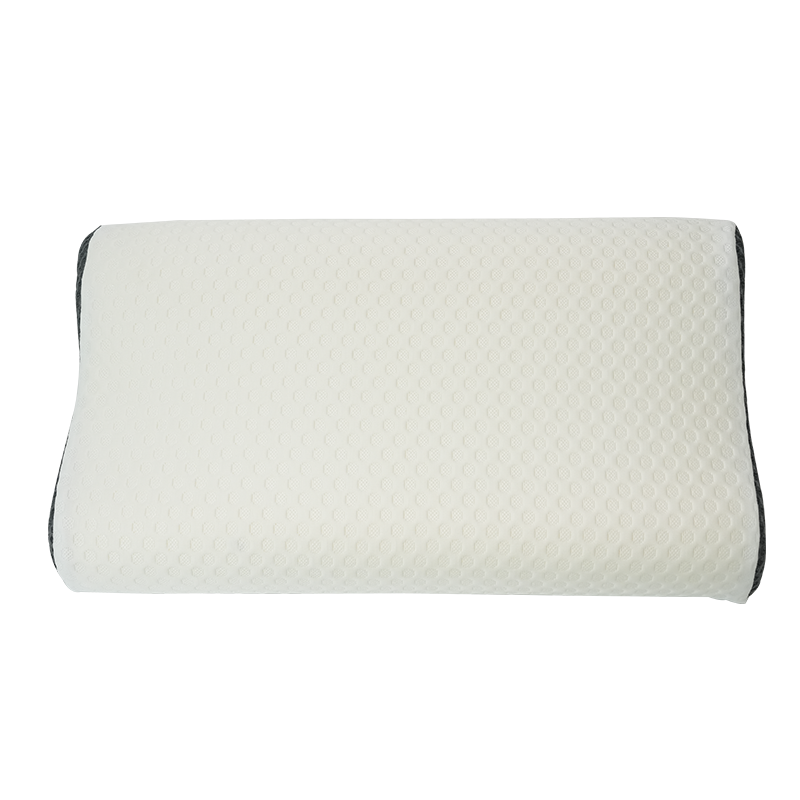 Memory foam contour pillow for neck support and odor controlThis contour pillow features high-density memory foam designed to align with your neck curve, reducing pressure and promoting deeper sleep. Its breathable construction helps manage moisture and odors, making it a practical upgrade for a fresher sleep environment.View Product →
The Baking Soda Treatment: Amounts, Timing, and Vacuuming Technique
Baking soda is one of the most effective household deodorizers because of its chemical nature. When sodium bicarbonate dissolves in water, it produces a mildly alkaline solution with a pH of around 8.3. Many odor compounds, particularly those associated with sweat and body oils, are acidic. The bicarbonate reacts with those acids and neutralizes them into odorless salts and carbon dioxide. This is not masking; it is a genuine chemical reaction that removes the source of the smell. Independent material science testing has shown that sodium bicarbonate also works through physical adsorption, meaning the odor molecules become trapped in the powder's crystalline lattice rather than simply being covered up.
How much baking soda do you need?
For a queen-size mattress that is about 152 by 203 centimeters, one 500-gram box of baking soda is enough for a single application. Half a box works for a single bed or a couch cushion. The baking soda must be dry when applied; do not mix it with water or any liquid first, because moist baking soda can dissolve into the foam and leave a powdery residue that is hard to remove and can attract new moisture.
How long should you leave it on?
Adsorption testing of sodium bicarbonate as an odor control agent shows that maximum adsorption occurs between six and ten hours. A one-hour application removes only about 30 percent of the odor-causing particles. Leaving the powder on for longer than 24 hours adds no significant benefit and can create a crusty surface if the room has high humidity. The sweet spot for a thorough treatment is eight hours, which is exactly why the overnight application is recommended.
How to vacuum it off correctly
Use a canister vacuum with a motorized brush head for the best results. The brush agitates the foam surface and pulls the bicarbonate crystals out of the open cells. Pass the vacuum nozzle slowly, taking about three seconds per 30-centimeter strip. It usually takes 10 to 15 minutes to cover a queen-size mattress thoroughly. Do not use a handheld dustbuster; it lacks the suction power needed to lift the powder out of the foam.
Using White Vinegar and Enzyme Cleaners for Stubborn Odors
White vinegar is a different kind of tool than baking soda. It contains acetic acid at around 5 percent concentration, and when diluted with warm water at a 1:1 ratio, it lowers the surface pH to about 4. In that acidic environment, most odor-causing bacteria lose the ability to produce the enzymes that create smells. Fungal spores that cause the damp, musty odor also struggle to spread on an acidic surface. That is why vinegar is the go-to treatment for mold-related odors on foam, according to cleaning guidance from the International Association of Certified Home Inspectors.
How to apply the vinegar mist correctly
Mix equal parts distilled white vinegar and warm water in a spray bottle. Spray from a distance of about 30 centimeters so the foam gets a light coat rather than a soak. The liquid should never pool or run off the mattress. Water is the enemy of memory foam because it breaks down the polyurethane formula, so a mist is all you need. After the vinegar has dried for about 30 minutes, follow with the baking soda treatment described above. The two treatments complement each other: vinegar handles the microbial population, and baking soda neutralizes the residual odor compounds.
When to bring in an enzyme cleaner
Enzyme cleaners are a third option for protein-based stains such as urine, blood, or heavy sweat buildup. Products that contain protease and lipase enzymes break down the proteins and fats that make up those body fluids. Apply the enzyme cleaner directly to the affected spot, leave it for the time specified on the label, and blot it dry with a clean cloth. Most enzyme cleaners need a dwell time of 20 to 30 minutes on a mattress surface. Do not oversaturate the area; you want the foam to be damp, not wet. After blotting, the treated spot should be completely dry within a few hours.
Common Mistakes That Permanently Ruin Memory Foam
Memory foam is a sensitive material, and some well-intentioned cleaning actions cause permanent damage. Avoid the following practices at all costs:
- Do not soak the mattress with water. Excessive moisture destroys the polyurethane cell structure and prevents the foam from returning to its original shape. A soaked memory foam mattress can take weeks to dry and will never regain the same level of pressure relief.
- Do not put a memory foam mattress in a washing machine. The agitation will tear the foam, and the spin cycle will compress it permanently. Only the removable cover can be machine washed; the foam layer must stay dry.
- Do not use a steam cleaner. The heat and steam push moisture deep into the foam, and temperatures above 70 degrees Celsius can start to melt the foam's internal viscoelastic matrix. Once that happens, the foam loses its ability to rebound and feels permanently flat.
- Do not use chlorine bleach. Sodium hypochlorite chemically degrades polyurethane, causing the foam to become brittle and crumble. Bleach also leaves a strong chemical residue that is hard to remove and can be harmful to breathe.
- Do not use fabric softener. Softeners leave a waxy residue that closes the foam cells to airflow and acts as a magnet for new odor molecules. The mattress surface becomes progressively stickier and more attractive to dust.
- Do not rely on scented candles, incense, or perfumed sprays. They cover the smell temporarily and add more oily residues to the foam surface. Many home fragrance products contain phthalates that are themselves volatile organic compounds, so the problem becomes worse in the long run.
- Do not scrub the mattress vigorously. This creates friction that breaks the fabric cover and compresses the foam cells into permanent indentations. Always use a gentle blotting motion for liquid treatment and a slow vacuum pass for dry treatments.
How to Stop Odors From Coming Back
The best way to deal with mattress odor is to prevent it from developing in the first place. Three conditions need to be maintained in the bedroom to keep the smell from returning.
Keep bedroom humidity below 50 percent
Indoor humidity is the biggest driver of both biological and environmental odors. Guidance issued by the U.S. Environmental Protection Agency on indoor air quality states that dust mite populations decrease dramatically in environments with humidity below 50 percent. Use a dehumidifier during humid seasons, or simply air the mattress out once per week by stripping the bed and opening the windows for 30 minutes. A digital hygrometer in the bedroom costs around 10 dollars and gives you a clear reading of whether the conditions are right.
Use a waterproof mattress protector
A high-quality protector with a polyurethane membrane prevents 99 percent of moisture from reaching the foam. It also guards against spilled drinks, pet accidents, and bed-wetting incidents. A breathable protector does not make the bed hot; it passes air while blocking liquids. For an added layer of freshness, also use a fitted mattress pad that can be washed as often as the sheets. This two-layer system keeps the foam almost completely insulated from the moisture and skin flakes that cause odors.
Follow a maintenance schedule
The table below is a practical maintenance schedule that mattress manufacturers use to keep foam products in good condition without overworking the material. It spreads the workload across the year so that no single cleaning session has to be too intensive.
The breathability of the foam itself also affects how quickly odors return. When you buy a new mattress or a topper, look for designs with ventilated zones or a cooling gel layer that promotes air movement around the foam cells. Understanding how breathability influences odor and temperature regulation will help you pick a product that needs less maintenance. A 5-zone memory foam topper with added ventilation channels is a good example of a design that directly addresses the moisture retention problem. The zonation creates air pockets that allow moisture to escape through the low-density areas while the high-density zones continue to support the body.
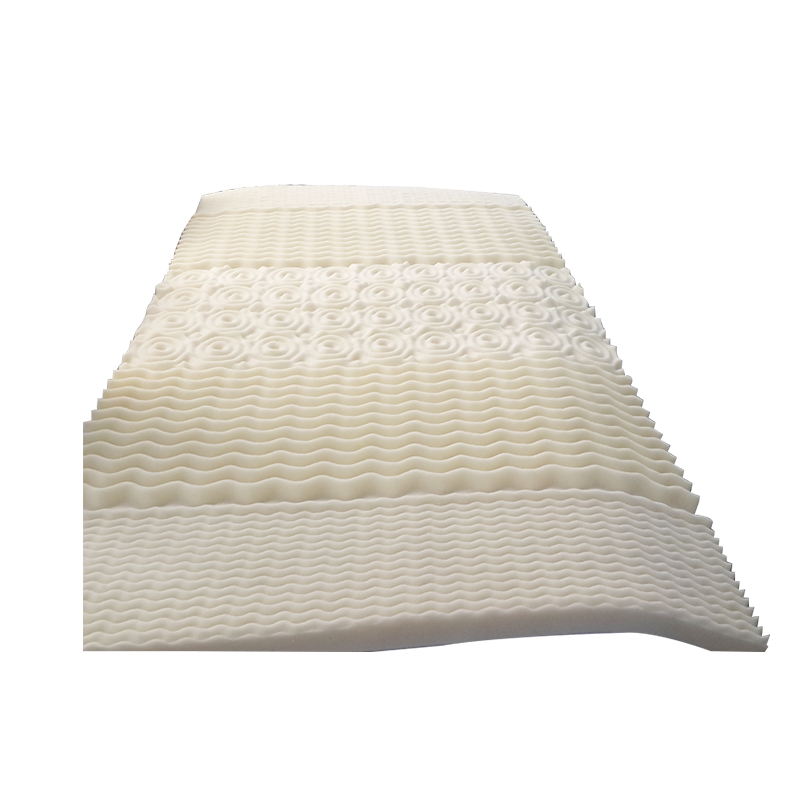 5-zone memory foam topper with ventilation for breathabilityThe five-zone design distributes support across different body areas while embossed layers enhance airflow, helping to dissipate heat and moisture. This feature directly addresses odor retention, offering a more hygienic and comfortable sleep surface.View Product →
When Deodorizing Is Not Enough: Signs It Is Time to Replace
At a certain point, no amount of baking soda and vinegar will fix a mattress. If the odor returns within 48 hours of a full treatment and the mattress is more than seven years old, the foam has likely reached the end of its useful life. The polyurethane bonds break down over time, and the open cells that once trapped odor particles now release them back into the room as the material degrades.
The first specific sign is a permanent hollow where you sleep. Most mattress warranties define an acceptable sag as no deeper than 1.5 centimeters, but the actual standard varies by brand. If the foam has sunk more than 1.5 centimeters and does not spring back, the structure is broken. That hollow collects more moisture and sweat with every night, which creates a new odor no matter how often you clean it.
Other red flags include visible flaking of foam through tears in the cover, black or dark green spots that indicate surface mold, and a persistent chemical smell that does not fade after 90 days of airing. Breathing in mold spores or intense volatile organic compounds can be a health concern, especially for people with asthma, allergies, or a compromised immune system. If you notice any of these signs, replacement is the safer choice.
A replacement memory foam topper is a cost-effective option when the core of the bed is still supportive but the surface is too worn to keep clean. A new topper provides a fresh, odor-free layer that is easier to maintain and does not require replacing the entire mattress. A standard memory foam topper typically lasts three to four years under normal use, and the cost is significantly lower than a full mattress replacement.
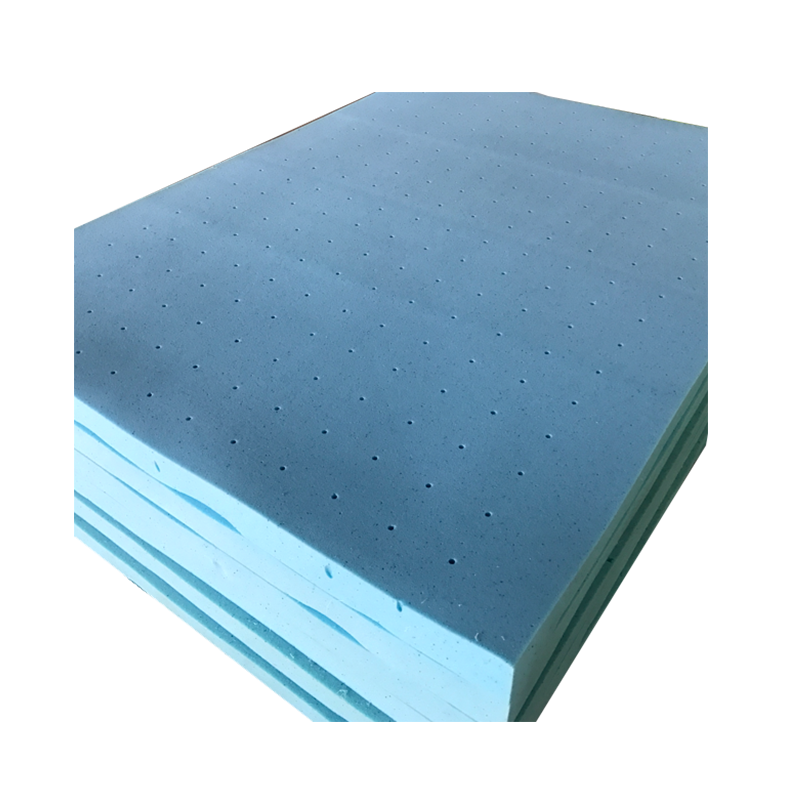 Customizable memory foam topper for a fresh sleep layerMade from soft MDI foam, this topper adapts to your body and provides pressure relief for shoulders, back, and waist. Its breathable material helps keep the sleep environment dry, and it serves as a cost-effective way to refresh an older mattress without full replacement.View Product →
Frequently Asked Questions
How often should I deodorize my memory foam mattress?
For normal use, once every six to eight weeks is enough. If you or your partner sweat heavily, or if there has been a spill, repeat the baking soda treatment within 48 hours. Odor is easier to manage when it is caught early.
Can I use baking soda on a memory foam mattress?
Yes. Baking soda is safe for polyurethane foam when applied dry. The powder should be vacuumed off thoroughly after six to eight hours. The key is to vacuum well so no residue remains to attract new moisture.
How do I get the new mattress chemical smell out quickly?
Air the mattress in a well-ventilated room for 72 hours. Place two or three activated charcoal bags near the surface to absorb volatile organic compounds. Avoid washing the mattress to remove the smell, because water will make it worse by trapping the VOCs inside the foam.
Can I wash a memory foam mattress in the washing machine?
No. The machine agitation breaks down the foam structure and destroys the mattress. Only the removable cover can go in the washing machine, and even then it should be washed on a gentle cycle and air-dried.
How long does a baking soda treatment take?
The minimum effective time is six hours. Ten hours is optimal, which means you can apply it in the morning and vacuum it off before bed. Leaving it on for less than four hours is not worthwhile because the adsorption rate is still building.
Does vinegar damage memory foam?
Diluted white vinegar is safe if used as a light mist. Saturating the mattress with vinegar damages the foam because the liquid breaks down the polymer structure. Always use a 1:1 dilution and spray from a distance so the foam only gets damp, not wet.
How do I get sweat smell out of a memory foam mattress?
First, spot-clean the affected area with an enzyme cleaner. Then apply baking soda over the whole mattress, let it sit for ten hours, and vacuum thoroughly. Repeat if necessary. Sweat smell is one of the most persistent biological odors and may require two treatment cycles.
Can I use a steam cleaner on memory foam?
No. Steam heat pushes moisture into the foam and can melt the internal viscoelastic structure. Use dry methods such as vacuuming and baking soda instead. If a stain needs wet treatment, use a spray bottle and blot, never steam.