

 English
 عربى
عربى
Content
- 1 How Long Does a Memory Foam Pillow Last? The Direct Answer
- 2 What Actually Determines How Long a Memory Foam Pillow Lasts
- 3 Seven Clear Signs Your Memory Foam Pillow Needs Replacing
- 4 How to Make Your Memory Foam Pillow Last Longer
- 5 Memory Foam Pillow Lifespan vs Other Fill Materials
- 6 What to Look For When Buying a Durable Memory Foam Pillow
- 7 Memory Foam Pillow Lifespan FAQ
- 8 Final Verdict: When Should You Replace Yours?
How Long Does a Memory Foam Pillow Last? The Direct Answer
If you want the short answer first: a memory foam pillow lasts two to three years with normal nightly use. A pillow built with high-density foam, above 40D, and protected by a washable cover can regularly stretch to four or even five years. On the other side, budget pillows with density below 30D often lose their support within 12 to 18 months, especially when the sleeper is heavier or the bedroom runs warm and humid.
The real lifespan is not a calendar date. It is the point where the foam no longer returns to its original shape fast enough to support your head and neck through the night. Two pillows bought on the same day can age at completely different speeds depending on density, room temperature, body weight, and how the pillow is cared for.
The table below gives a practical lifespan estimate based on foam density, which is the most reliable specification to check when judging durability.
| Foam Density | Typical Lifespan | Feel Profile | Best Match |
|---|---|---|---|
| 25D-35D | 12-18 months | Soft, fast sink-in | Lightweight back sleepers |
| 35D-45D | 2-3 years | Balanced contour, moderate rebound | Most sleepers |
| 45D-55D | 3-5 years | Firm, slow recovery, strong support | Side sleepers and heavier sleepers |
| 55D+ | 5+ years | Very firm, minimal contour | Commercial seating, not typical sleep use |
What Actually Determines How Long a Memory Foam Pillow Lasts
Knowing that the average is two to three years is useful, but the more practical question is: why do some pillows feel brand new after four years while others develop a permanent crater in eight months? Factory durability testing and consumer sleep research point to five main variables.
Foam Density and Formulation
Density, measured in D units, tells you how much polyurethane foam is packed into each cubic meter. A 25D pillow is mostly air and degrades quickly. A 50D pillow contains about twice the material and is much more resistant to compression fatigue. The density and vent design of memory foam directly change how long the pillow holds its shape and how well it recovers after each night.
Sleeper Weight and Sleep Position
Heavier sleepers press deeper into the foam, which accelerates cell wall breakdown. A 60 kg person and a 95 kg person can wear out the same pillow at very different rates. Side sleepers also concentrate pressure in a smaller shoulder-and-neck area, which creates more localized stress on the foam. In factory wear tests, a 90 kg simulator compressed low-density pillows to 80 percent of their original height after roughly 250 nights of simulated use.
Room Temperature and Humidity
Memory foam is temperature-sensitive by design. Warm, humid environments soften the foam and speed up the breakdown of its open-cell structure. A pillow used in a hot, poorly ventilated bedroom will feel softer sooner and lose support faster than an identical pillow in a cool, dry room. Keeping your bedroom below 24 degrees Celsius and maintaining moderate humidity slows down this process.
Hours of Use per Night
A guest pillow used for two weeks a year can last a decade. The same pillow used for eight hours every single night will be done in two years. This is why replacement guidance almost always assumes nightly, full-time use. If a pillow is used only for afternoon naps or occasional guests, adjust the timeline accordingly.
Maintenance and Protection
Oils, sweat, and skin flakes from your face and hair penetrate the foam faster than most people expect. Once these contaminants reach the inner foam, they weaken the cell structure and accelerate odor buildup. A zippered, washable protector is the single most effective way to preserve a memory foam pillow. A well-protected pillow consistently outperforms an unprotected one in durability comparisons, regardless of density.
If you are shopping for a replacement, a traditional memory foam pillow with a density spec of 40D or higher is a reasonable baseline for longevity in everyday use.
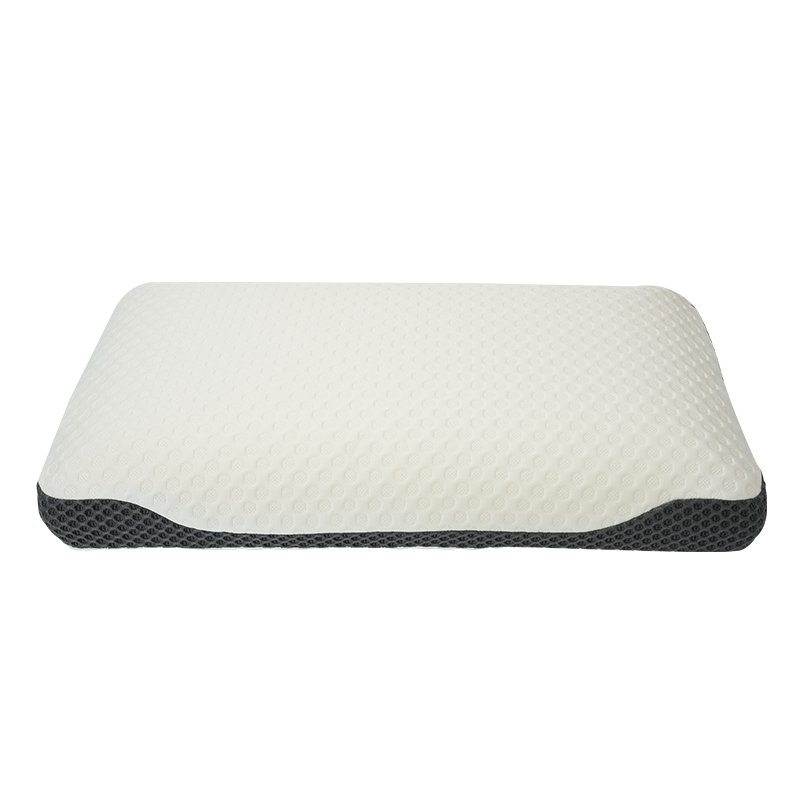 Wholesale Memory foam traditional pillow Suppliers, OEM/ODM Company - Nantong RaNantong Ramya Home Technology Co, ltd is China OEM/ODM Memory foam traditional pillowsuppliers and wholesale company, Customizable produc...View Product →
Seven Clear Signs Your Memory Foam Pillow Needs Replacing
Instead of circling the calendar, check the pillow itself. These seven warning signs are consistent across foam testing reports and sleep clinic guidance. If you notice two or more of them, replacement is overdue.
- The pillow no longer bounces back. Press your hand into the center for ten seconds and release. If the indentation takes more than five seconds to disappear, the foam has lost its recovery memory. This is the earliest and most objective sign of foam fatigue.
- You wake up with neck or shoulder pain. A worn pillow no longer keeps your cervical spine in neutral alignment. If the pain fades during the day and returns each morning, the pillow is a prime suspect.
- The surface feels lumpy or crumbly. Run your fingers across the pillow. Clumps, hard spots, or a grainy texture mean the internal cell walls are rupturing. In shredded foam pillows, this appears as broken granules that can no longer support the head evenly.
- Yellowing, flaking, or powdering foam. Oxidation is a natural part of foam aging. When you see yellow patches on the surface or fine dust coming off the edges, the material is breaking down chemically. At this stage, the pillow is also shedding micro-particles into the air you breathe.
- A persistent odor that washing cannot remove. Fresh memory foam has a temporary factory smell that fades within days. A lingering musty or sour smell after the pillow has been aired and its cover washed means sweat, oils, and bacteria have penetrated deep into the foam core.
- Allergy symptoms spike at night. Sneezing, a stuffy nose, or itchy eyes that appear only in bed can be triggered by dust mites and mold accumulating inside an old pillow. The foam itself does not feed mites, but the absorbed skin flakes trapped in it do.
- You wake up with numbness or tingling. When compressed foam can no longer cushion the nerves in your neck and shoulder, you may feel pins and needles in your arm or hand during the night. This is a strong signal that the pillow is too flat or too hard in the wrong places.
How to Make Your Memory Foam Pillow Last Longer
Durability is not purely a function of foam quality. The way you care for the pillow can add one to two years to its working life. The following practices come straight from the maintenance routines we recommend to our wholesale clients.
- Use a washable pillow protector from day one. A waterproof or water-resistant protector blocks sweat, oil, and dust from reaching the foam. Wash the protector every one to two weeks. This simple habit prevents most contamination that causes foam breakdown.
- Never machine-wash the foam core. Memory foam absorbs water like a sponge and takes days to dry. The agitation of a washing machine tears the cell walls apart, permanently ruining the pillow. Spot-clean with a damp cloth and mild detergent, then air-dry completely.
- Air the pillow out monthly. Hang it or lay it flat in a shaded, ventilated area for a few hours. This releases trapped moisture and helps the foam recover its shape. Keep it away from direct sunlight, which accelerates oxidation and yellowing.
- Keep the bedroom cool and dry. Aim for 18 to 24 degrees Celsius and keep humidity below 60 percent. Hot, damp conditions soften the foam and speed up internal degradation. A dehumidifier in humid climates can meaningfully extend pillow life.
- Rotate the pillow head-to-toe every two weeks. If your pillow is symmetrical, rotating it distributes wear across both ends. This is especially helpful for side sleepers, who put continuous pressure on one side.
- Do not fold, stack, or store it compressed. Memory foam keeps a shape memory, so folding or heavy stacking creates permanent creases. When storing a spare pillow, lay it flat or roll it loosely in breathable fabric.
Memory Foam Pillow Lifespan vs Other Fill Materials
Memory foam sits in the middle of the pillow durability spectrum. The table below compares typical lifespans across common pillow fills, based on data from consumer sleep research and laboratory wear testing.
| Pillow Type | Average Lifespan | Support Style | Maintenance Level |
|---|---|---|---|
| Memory Foam | 2-3 years | Molded contour, slow response | Spot clean only |
| Solid Latex | 5-8 years | Elastic pushback, quick rebound | Air out, spot clean |
| Down and Feather | 3-5 years | Soft, plush, requires fluffing | Professional cleaning |
| Polyester Fiberfill | 1-2 years | Medium, clumps over time | Machine washable |
| Buckwheat Hull | 5-10 years | Firm, adjustable, breathable | Wash shell, dry hulls |
If you value the contouring feel that memory foam provides but want longer durability, the solution is not switching to latex. It is choosing a higher-density foam pillow in the first place. When comparing options, the memory foam pillow collection produced by our factory covers contour, gel-cooling, and traditional shapes, each with a clear density specification so you know what you are buying.
What to Look For When Buying a Durable Memory Foam Pillow
The best way to avoid replacing your pillow every year is to buy the right one from the start. Here is the buying checklist we give to importers and distributors who source pillows from our factory. The same criteria applies to anyone buying online.
Check the Density Specification on the Label
A reputable manufacturer publishes the density openly. Look for 40D to 50D for a balance of softness and longevity. If the product page does not state density, treat the pillow as low-density until proven otherwise.
Match the Shape to Your Sleep Position
A contour memory foam pillow with a raised neck roll and a recessed center is the most durable choice for side sleepers because the thicker sections resist flattening longer. Back sleepers often prefer a lower profile traditional pillow. Stomach sleepers should pick the thinnest option available.
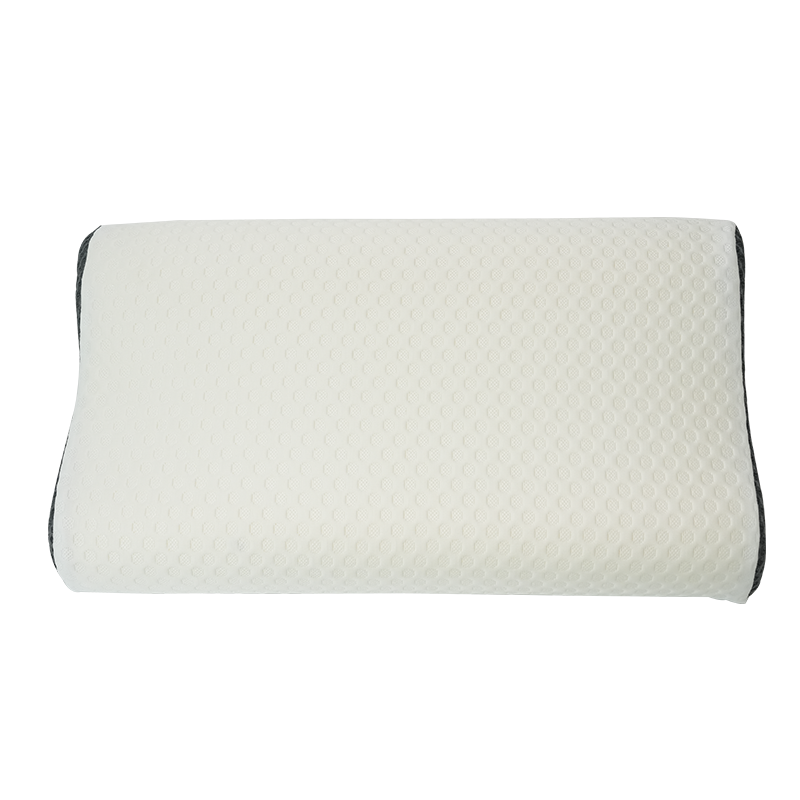 Wholesale Memory foam contour pillow Suppliers, OEM/ODM Company - Nantong Ramya Nantong Ramya Home Technology Co, ltd is China OEM/ODM Memory foam contour pillowsuppliers and wholesale company, Customizable production...View Product →
Look for a Removable, Washable Cover
A zippered outer cover made from cotton, bamboo viscose, or a cotton-poly blend is essential. It keeps oils and moisture away from the foam and can be laundered weekly. Pillows without removable covers have a much higher risk of premature odor and degradation.
Consider Gel or Ventilated Layers for Hot Sleepers
Memory foam sleeps warmer than latex or fiber. Gel-infused layers and open-vent structures reduce heat retention, which not only improves comfort but also slows down heat-related foam breakdown. A cooler pillow is a longer-lasting pillow.
Decide Between Solid and Shredded Foam
Solid molded pillows offer the most consistent support and often the longest lifespan. Shredded pillows are adjustable and more breathable, but the foam pieces rub against each other and can compress faster. If you choose shredded, higher density pieces will hold up better. You can also explore the full product catalog to compare how our factory builds both types.
Memory Foam Pillow Lifespan FAQ
Why does my memory foam pillow go flat?
The open-cell structure of memory foam is made of thousands of tiny air pockets. Each night of use compresses these cells. Over time, the cell walls lose elasticity and can no longer spring back. Low-density foam has fewer and thinner cell walls, so it flattens much faster. Heat and body weight accelerate the process.
Can I wash a memory foam pillow in the washing machine?
No. Machine washing destroys the foam cell structure by saturating it with water and subjecting it to mechanical agitation. The pillow will lose its shape and support after even one wash. Instead, wash the removable cover and spot-clean the foam core with a damp cloth. Allow it to air-dry fully in a shaded place before reuse.
How do I know if my memory foam pillow is too old to use?
Use the hand-pressure test. Press your palm into the center for ten seconds. If the dent takes more than five seconds to recover, the foam has lost its memory function. Also check for yellowing, crumbling, a permanent odor, and morning neck pain. Two or more of these signs mean it is time to replace the pillow, regardless of how long you have owned it.
Do shredded memory foam pillows last as long as solid ones?
Generally no, because the individual foam pieces rub against each other and break down faster than a single molded block. However, a shredded pillow made from high-density foam pieces can still serve two to three years, and it has the advantage of being refillable. When the pieces compact, you can add fresh fill instead of replacing the whole pillow. A bamboo charcoal shredded memory foam pillow also adds natural odor absorption, which keeps the fill fresher for longer.
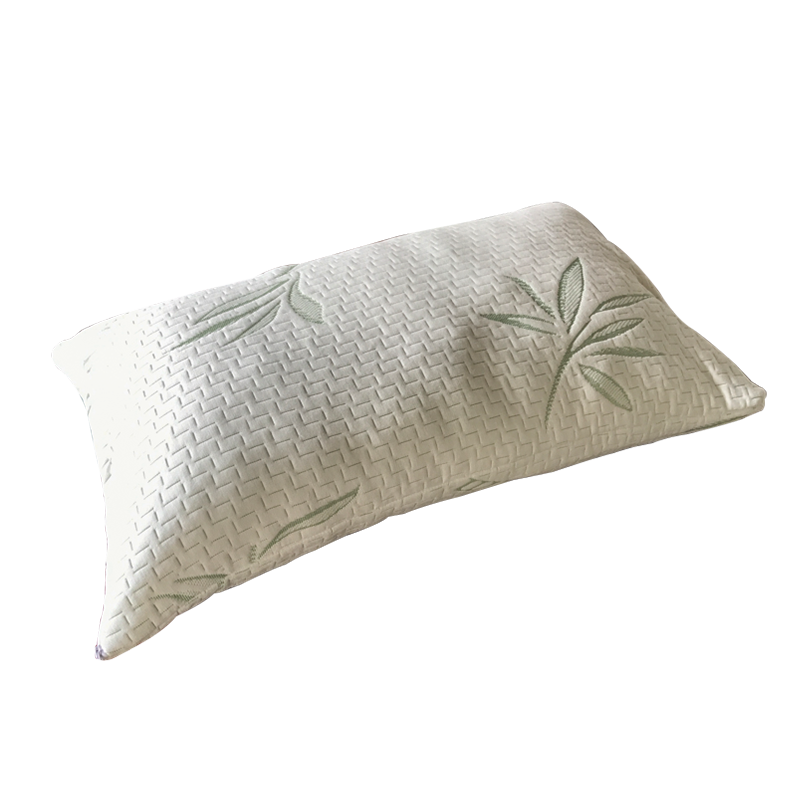 Wholesale Bamboo shredded memory foam pillow Suppliers, OEM/ODM Company - NantonNantong Ramya Home Technology Co, ltd is China OEM/ODM Bamboo shredded memory foam pillowsuppliers and wholesale company, Customizable pr...View Product →
Will a firmer memory foam pillow last longer?
Firmness and density are related but not identical. A pillow can feel firm because of its formulation even at moderate density. What matters for durability is density, not just how firm it feels. A 45D pillow will outlast a 30D pillow even if the 30D feels firmer due to a stiffer formulation. Always check the density number rather than relying only on the firmness description.
Are memory foam pillows worth replacing at the 2-year mark?
Yes, especially when the alternative is waking up with neck pain or sleeping on a pillow full of dust mites and absorbed oils. The ergonomic benefits of memory foam only exist while the foam is still elastic enough to conform to your head and neck. Once it loses that property, the pillow is effectively a flat slab of degraded foam.
Final Verdict: When Should You Replace Yours?
The practical takeaway is simple. Plan to replace your memory foam pillow every two to three years with nightly use. If you bought a high-density pillow above 45D and protected it with a washable cover, test it before replacing at the three-year mark. Many 50D pillows still pass the hand-pressure test at that age and can serve a fourth year comfortably.
If you bought a budget pillow under 35D, start checking it after 12 months and expect to replace it by the 18-month point. Durability and foam density go hand in hand, and the small price difference between a 30D pillow and a 45D pillow pays for itself many times over if the denser pillow lasts twice as long.
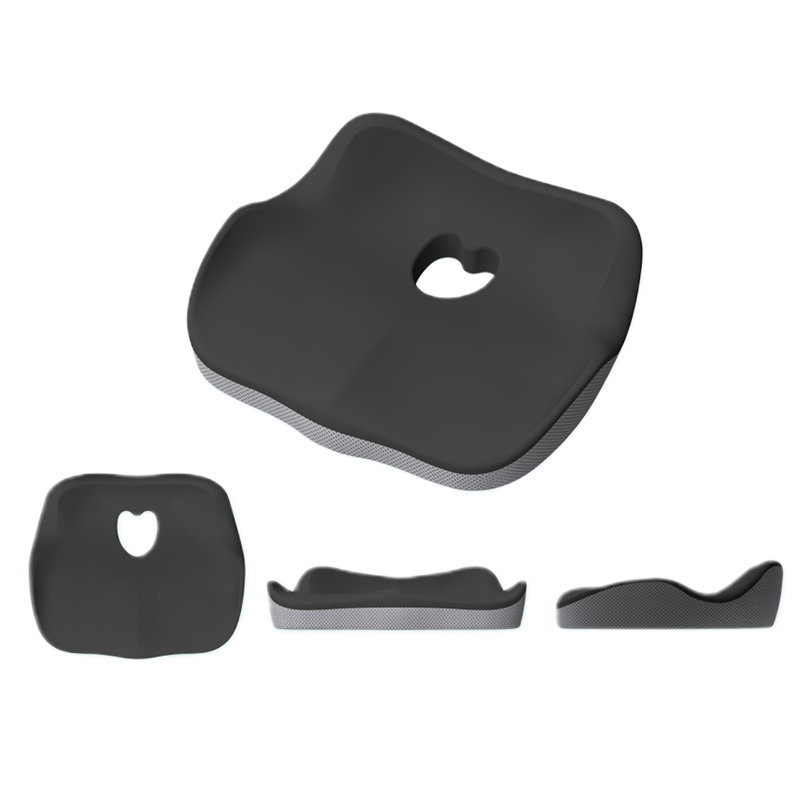
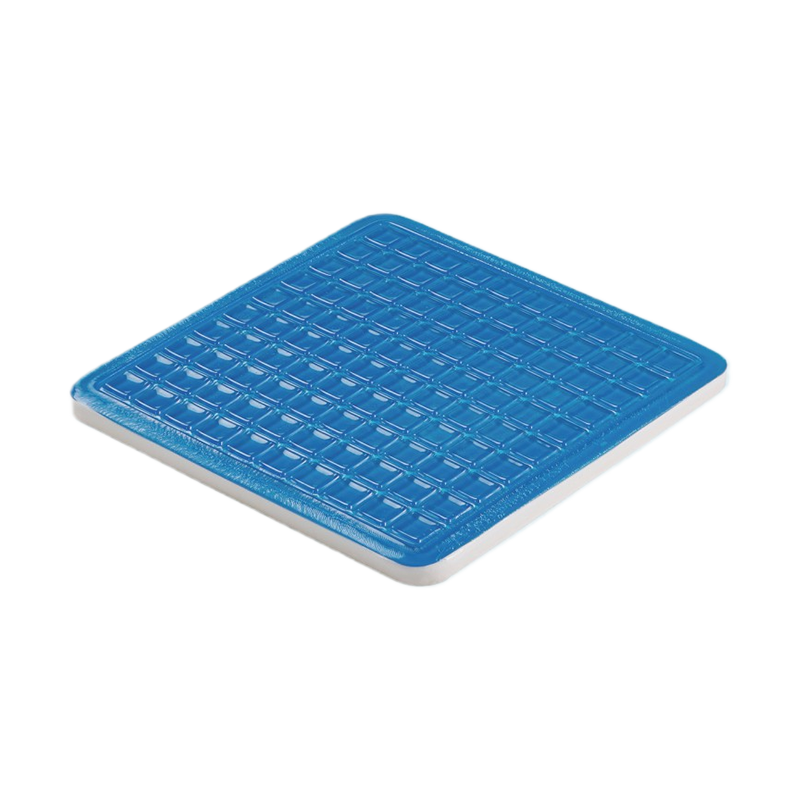
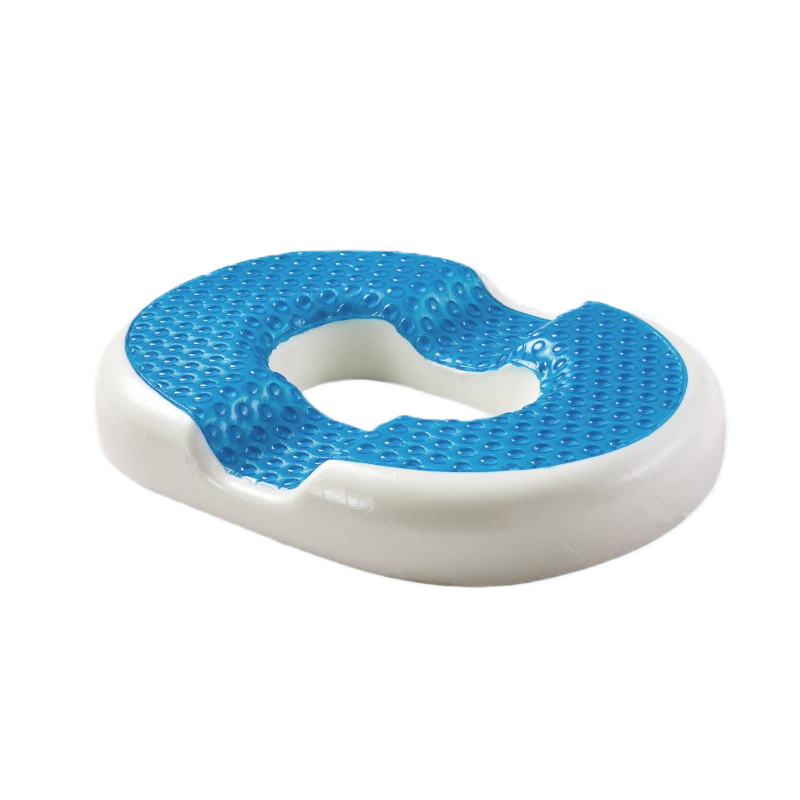
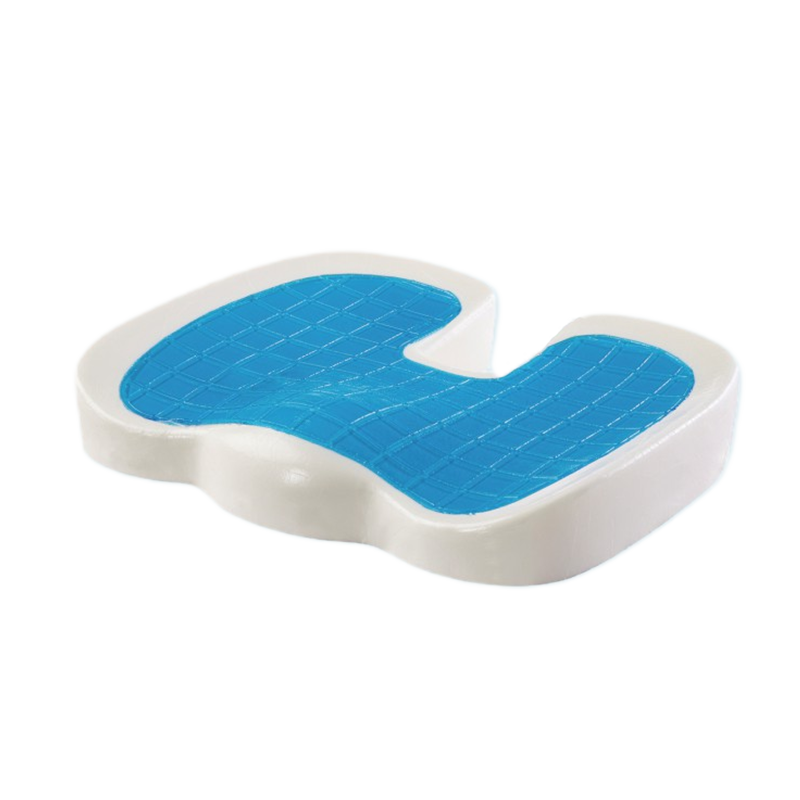
For anyone managing a household, hotel, or wholesale bedding inventory, a simple rotation system works well. Mark each pillow with its purchase date and replace them on a fixed schedule rather than waiting for visible failure. And when the time comes to replace your pillows, do not forget that the same memory foam cushion range from our factory follows the same density principles for seat cushions and lumbar supports. A coherent foam product strategy across your bedding and seating areas makes maintenance and budgeting far more predictable.
The bottom line: memory foam pillows last two to three years on average, up to five years with high density and good care, and as little as one year if you buy the cheapest option and skip the protector. Check density first, protect the foam, watch for the seven signs, and replace before your neck pays the price.