

 English
 عربى
عربى
Content
- 1 The Short Answer: Age Is Secondary, Function Tells the Truth
- 2 Why Mattress Age Matters More Than You Think
- 3 Method 1: Find the Date on the Manufacturer's Label
- 4 Method 2: The 1.5-Inch Sag Test
- 5 Method 3: The Foam Recovery and Edge Support Test
- 6 Method 4: Smell, Stains, and Morning Allergy Signals
- 7 Normal Lifespan by Mattress Type
- 8 Why Two Mattresses of the Same Age Can Feel Decades Apart
- 9 Can a Mattress Topper Buy You Extra Time?
- 10 What to Do When the Tests Confirm the Mattress Is Too Old
- 11 Frequently Asked Questions About Mattress Age
- 11.1 1. How do I tell how old a mattress is if the label has no date?
- 11.2 2. What does "MFG" mean on a mattress label?
- 11.3 3. My mattress is ten years old but still looks clean. Should I replace it anyway?
- 11.4 4. Does a 15-year warranty mean the mattress should last 15 years?
- 11.5 5. Can cleaning an old mattress make it last longer?
- 11.6 6. How do I know whether my mattress or pillow is causing neck and shoulder pain?
- 11.7 7. Should I replace the bed frame at the same time as the mattress?
- 12 Final Recommendation: Let the Tests Decide
The Short Answer: Age Is Secondary, Function Tells the Truth
The first time you wonder how old your mattress is, the question usually shows up with a stiff lower back, a visible dip in the middle, or a mattress that came with the rental. You may have no receipt, no purchase date, and no idea who slept on it before you. None of that stops you from getting a reliable answer in about five minutes.
Start with the manufacturer's date on the label, because that is the only precise calendar answer. If the label is torn or faded, switch to physical measurements: a sag deeper than 1.5 inches, foam that recovers slowly or not at all, and morning discomfort that disappears once you are out of bed. If the date is over eight years old or the sag exceeds 1.5 inches, the mattress has crossed the normal replacement line. Across the four methods in this guide, we will cover seven replacement signals: age past the material's lifespan, sag beyond 1.5 inches, slow foam recovery, morning stiffness, lingering odor, stains and dust, and bedroom allergy symptoms.
30-second age check: read the date printed on the label; press one palm into the sleep surface for five seconds and time the recovery; lay a yardstick across the deepest point and measure the gap with a ruler. The label gives you the exact number. The physical results give you the practical decision.
Why Mattress Age Matters More Than You Think
Mattress age matters on three separate fronts: mechanical support, hygiene, and cost. These three lines tend to converge around the same point in the mattress's life, which is why age works as a rough guide even though two identical mattresses can fail at very different moments.
Mechanical support. Every night of sleep compresses the foam cells and the coils inside the mattress. Over time the cell walls weaken, the coils lose their temper, and the surface starts to behave like a hammock instead of a flat support plane. You do not see most of this from the outside; you only feel it as a deepening valley under your hips and a strange hollow under your shoulder.
Hygiene. Allergy research organizations regularly quote the same uncomfortable math: an average sleeper sheds about 1.5 pounds of dead skin cells each year, and night sweat seeps into the same layers by the liter. Entomology field studies of household dust have counted dust mite populations ranging from a few hundred thousand to more than a million individuals in older bedding. The older the mattress, the more organic material sits inside the comfort layer.
Cost. Replacement is expensive, so most people hold on. But holding on past the useful window costs sleep quality, and chronic bad sleep has a measurable effect on focus, mood, and recovery. The honest financial comparison is not "new mattress versus old mattress"; it is the cost of a new mattress against weeks of substandard sleep and noticeably slower work output.
Method 1: Find the Date on the Manufacturer's Label
This is the only method that gives you an exact calendar answer. The manufacturer's label is usually sewn into the side seam at the foot end of the mattress, hidden under the fitted sheet. On some models the date is printed on the trim at the head end, on the underside of the mattress, or directly on the foam base beneath a zippered cover.
Look for the printed line "Date of Manufacture", "MFG Date", or a two-letter month plus a two-digit year such as "09/21". "MFG" simply means manufactured, so "MFG 03/2021" means the mattress was assembled in March 2021. A few brands skip the words entirely and use a serial number where the first two digits represent the year; for example, a serial beginning with "19" in the code corresponds to a 2019 production date.
If the label has been cut off or worn out, your fallback sources, in order of reliability, are the purchase receipt, email invoice, delivery confirmation, warranty registration card, and any photo you took when the bed was set up. Keep one nuance in mind: the manufacture date is more honest than the purchase date because a mattress can spend months in warehouse inventory before it reaches the customer.
Method 2: The 1.5-Inch Sag Test
The ruler test is the standard way to measure mattress wear because it measures the result of hundreds of nights of pressure instead of relying on how the mattress looks at a glance. Follow these five steps:
- Strip off the fitted sheet, mattress protector, and any topper.
- Place the mattress on the floor or on a frame with the slats flat; a sagging frame will add a false dip.
- Lay a straight edge, such as a long yardstick, across the widest part of the mattress exactly where your hips rest.
- Use a ruler to measure the gap between the lower edge of the yardstick and the mattress surface at the deepest point.
- Repeat the measurement near both edges and at the foot end, then note the largest value.
The threshold to remember is 1.5 inches, which is approximately 38 mm. This is not an arbitrary number chosen by sleep blogs. Mattress makers use the same 1.5-inch body-impression threshold in their structural checks to decide when the support core has been permanently compressed. When the indentation passes that line, no amount of fluffing or rotation will bring the foam back.
You do not have to wait for the full 1.5 inches to feel the damage. A sag of half an inch, about 13 mm, already creates a visible valley that can pull your spine out of a neutral line. Treat readings above 0.5 inches as a warning level and readings above 1.5 inches as a confirmed structural failure.
Method 3: The Foam Recovery and Edge Support Test
Memory foam has a specific recovery curve when it is healthy. Press a palm into the surface, hold for five seconds, release, and count the time it takes to spring back. Fresh memory foam normally recovers in 3 to 8 seconds. If the dent takes 30 seconds or longer to disappear, the foam cell structure has collapsed; if the dent stays permanently, the mattress is no longer serving its main purpose.
Test the edges separately. Sit down on the side of the mattress and then move to the center. A mattress with good edge support should let you sit near the edge without sliding off or rolling into a slope. If the edge compresses dramatically and the center sags lower than the edges, the perimeter foam has worn down and the whole support layer is likely past its usable life.
A third variation of the support test is the side-lying check: lie on your side and slide your hand flat under the dip at your waist. If your hand squeezes through with room to spare, your hips are sinking deeper than your shoulders, which means the support core is allowing uneven sinkage. This single test catches the problem that most people describe as "the mattress feels soft, but I still wake up sore."
Method 4: Smell, Stains, and Morning Allergy Signals
Your nose is a poor date reader, but it is a brutally honest age detector. A mattress that keeps a musty odor after airing has spent years absorbing sweat and skin moisture. Yellow or brown stains in the sleeping zone and dark gray dust along the seams are equally clear evidence that the inner layers are decomposing rather than merely aging.
- Musty or sour smell that returns within minutes of making the bed
- Yellow, brown, or rust-colored stains you cannot remove with normal cleaning
- Dark dust or particles appearing under the mattress cover
- Waking with a stuffy nose, sneezing, or itchy eyes that improve away from the bedroom
- A persistent feeling of dampness at the foot end of the sheets, even after airing
Hygiene signals become the decisive factor after the eighth or ninth year. In allergy research, old bedding is consistently listed as one of the top sources of indoor allergens because the dust mite population grows in step with the mattress's age. Dust mites do not bite, but their waste particles are a common morning allergy trigger, and the concentration inside a decade-old mattress is far higher than inside a three-year-old one.
Normal Lifespan by Mattress Type
The 7-to-10-year rule is a general average; each material type has its own comfortable window. Use the following table as a planning frame rather than a strict countdown.
| Mattress type | Usual lifespan | First typical sign of trouble |
|---|---|---|
| Memory foam | 8-10 years | permanent body indentation, slow recovery |
| Innerspring | 6-8 years | mid-mattress sag, squeaks, springs through the top layer |
| Hybrid | 7-10 years | edge collapse, foam top worn, coil feel when lying down |
| Latex | 10-12 years | surface cracks, reduced rebound, less sagging |
These ranges assume one or two average adult sleepers. Households with restless children, pets that share the bed, or heavy use in guest rooms can move the number two or three years to the left. Guest room mattresses that are barely used can stretch the life expectancy beyond the range.
Why Two Mattresses of the Same Age Can Feel Decades Apart
The manufacture date tells you when the mattress was made; it does not tell you how dense, how durable, or how well supported it was. Foam density is the main quality variable. Low-end polyurethane cores run around 1.5 to 2.5 pounds per cubic foot, while quality memory foam layers run in the 3.5 to 5.0 pounds per cubic foot range. The denser the foam, the slower its cell walls collapse under nightly pressure; that difference is why two ten-year-old memory foam mattresses can sleep completely differently.
Foundation quality matters just as much. A mattress placed on bent metal rails or sagging wooden slats will develop valleys much faster than the same mattress on a flat, rigid frame. A solid base with slats spaced a maximum of 2.75 inches apart, or a solid platform, gives the mattress the conditions it was designed for. Without that base, even a premium mattress will age ahead of schedule.
So treat the date, the density, and the foundation as a single story. The date starts the clock; the density sets the durability; the foundation either protects or destroys the foam. The physical tests from the previous sections are the only neutral referee among all three.
Can a Mattress Topper Buy You Extra Time?
This is the most common practical question after someone discovers their mattress is old, and the honest answer has two parts. A topper can extend the comfortable surface life of a moderately worn mattress by six to twelve months, which gives you time to plan a replacement on your own schedule. But a topper cannot repair a failed support core. If the sag is deeper than 1.5 inches, a topper just creates a soft bridge over a valley, and your spine will still sink out of alignment every night.
The sensible use of a topper is on a mattress that is structurally sound but surface-tired: the foam feels hard, the old comfort layer feels uneven, and the measured sag is well under an inch. In that situation, a 5-zone memory foam mattress topper can restore a flatter, more even sleeping surface while you decide what comes next. Just remember the distinction: the topper is a comfort accessory, not a structural repair. Understanding how a mattress supports you over the long term helps you make that call; you can read more about the features and advantages of memory foam mattresses in our separate guide.
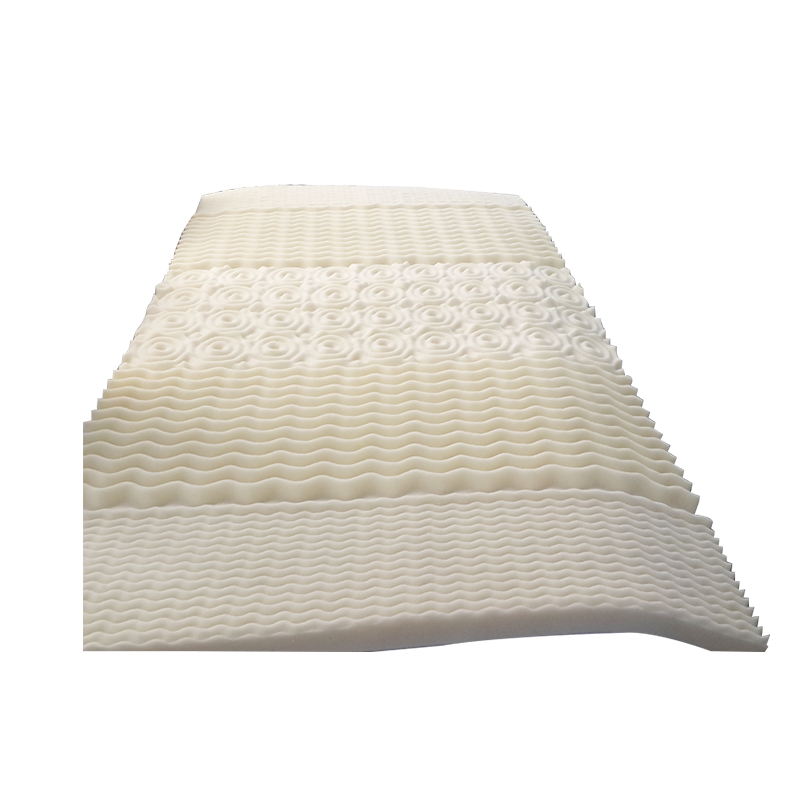 Wholesale 5 Zone memory foam mattress topper Suppliers, OEM/ODM Company - NantonNantong Ramya Home Technology Co, ltd is China OEM/ODM 5 Zone memory foam mattress toppersuppliers and wholesale company, Customizable pr...View Product →
What to Do When the Tests Confirm the Mattress Is Too Old
When at least two of the three major signals align - an age beyond the material's normal window, a sag above 1.5 inches, and morning discomfort that disappears during vacations or weekends - replacement becomes the correct financial decision. The used mattress market looks cheap, but after reading the dust mite and dead skin numbers above, the bargain is much less convincing. A used mattress is also a transfer of the previous owner's hygiene history and wear pattern.
When you shop for a replacement, compare measurable characteristics rather than marketing phrases. Look at foam density in the specification sheet, the depth of the comfort layers, zoned support construction, edge-sag resistance, and breathability. A thin construction sold as "memory foam" but offering no zoned structure and no edge support will reproduce the same problems within a few years. If you sleep warm, pay special attention to how a new material moves heat and air; the guide to improving the breathability of a memory foam mattress explains what works in practice.
If the support core is failing but the room layout, frame, and budget need more time, a fresh memory foam mattress topper can act as a temporary sleeping surface while you plan the full replacement. Do not forget the pillow while you are at it; pillows lose their loft and shape much faster than mattresses, and a decade-old pillow undermines even a brand-new mattress. A contour memory foam pillow supports the neck curve better than an old, flattened one and completes the alignment equation on the new or refreshed sleeping surface.
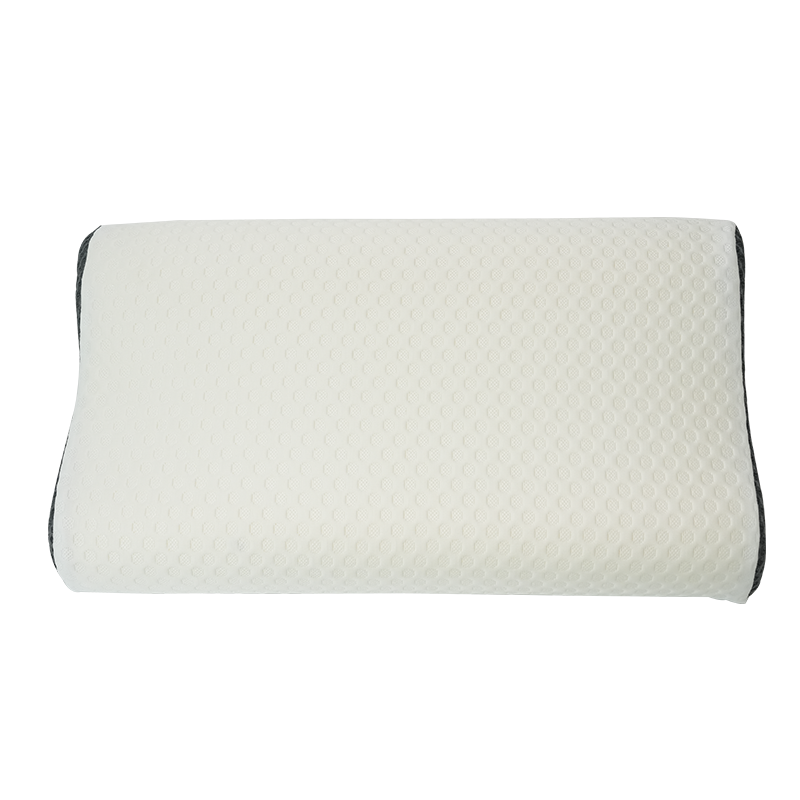 Wholesale Memory foam contour pillow Suppliers, OEM/ODM Company - Nantong Ramya Nantong Ramya Home Technology Co, ltd is China OEM/ODM Memory foam contour pillowsuppliers and wholesale company, Customizable production...View Product →
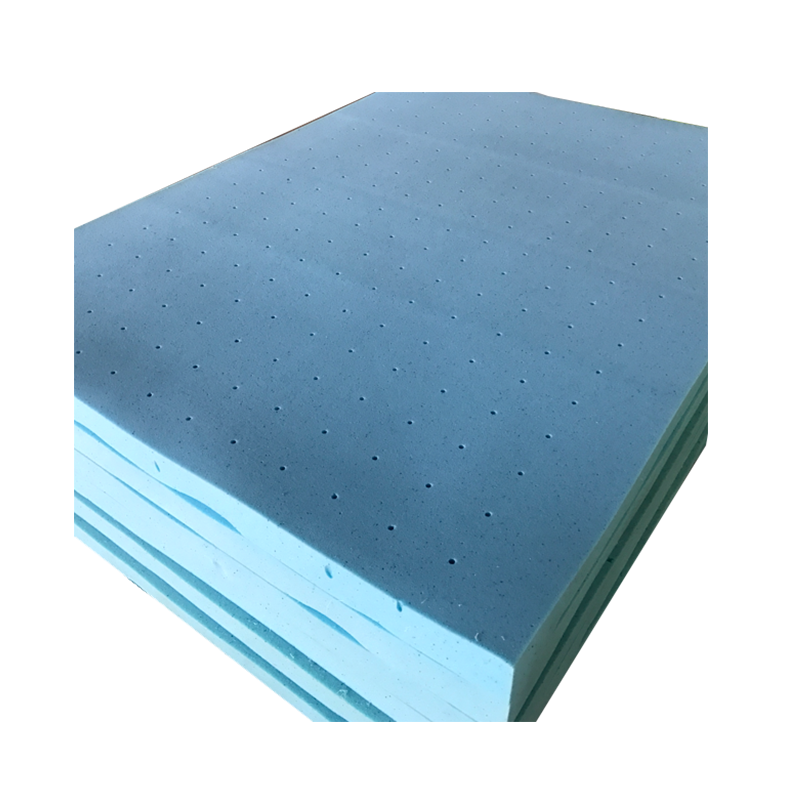 Wholesale Memory foam topper mattress Suppliers, OEM/ODM Company - Nantong RamyaNantong Ramya Home Technology Co, ltd is China OEM/ODM Memory foam topper mattresssuppliers and wholesale company, Customizable productio...View Product →
Frequently Asked Questions About Mattress Age
1. How do I tell how old a mattress is if the label has no date?
Look for the serial number first; on many mattresses the first two digits encode the year of production. If the serial is meaningless, check the purchase receipt, email invoice, or delivery confirmation. When no document exists, fall back on the physical tests in this guide: a sag deeper than 1.5 inches, slow foam recovery, and persistent odor are all age symptoms even if no calendar date survives.
2. What does "MFG" mean on a mattress label?
"MFG" is an abbreviation for "manufactured". A label reading "MFG 09/21" means the mattress was assembled in September 2021. It is usually printed on the same tag as the serial number and the model name; it is not the purchase date and it is not the delivery date. The manufacture date is the true starting point of the mattress's life.
3. My mattress is ten years old but still looks clean. Should I replace it anyway?
A clean surface can hide a dead support core. Run the three tests: measure the sag, time the foam recovery, and note whether you wake stiff on ordinary mornings but feel better during holidays. If at least two tests point to failure, replace the mattress even though the cover looks fresh. Fabrics hold up better than foam and coils.
4. Does a 15-year warranty mean the mattress should last 15 years?
No. A warranty period defines coverage against specific structural failures, most commonly a body impression of 1.5 inches or deeper. Comfort is subjective, and a mattress can lose its comfort while still staying within the warranty threshold. Treat the warranty as a protection floor, not a comfort guarantee.
5. Can cleaning an old mattress make it last longer?
Vacuuming with a HEPA filter, sprinkling baking soda, and airing the mattress for a few hours can reduce dust and surface odor and may add a few months of usability. However, these actions cannot bring collapsed memory foam back to life or restore springs that have lost their tension. Structural damage is permanent.
6. How do I know whether my mattress or pillow is causing neck and shoulder pain?
Change one variable at a time. Swap only the pillow for one that matches your sleeping position and keep everything else identical for one week. If the pain stays exactly the same, the problem is more likely the mattress, because the mattress controls your hip and spine alignment. A practical second test: sleep on a firm camping mat on the floor with a good pillow for one night; if the neck pain improves, the mattress is the long-term culprit.
7. Should I replace the bed frame at the same time as the mattress?
Only if the frame shows damage: bent rails, broken slats, or visible sagging. A damaged frame will compress the support foam unevenly and create premature indentations in a brand-new mattress. If the frame is flat and solid, keep it and spend the money on the mattress itself.
Final Recommendation: Let the Tests Decide
You now have four practical routes to the answer: the label date, the 1.5-inch ruler test, the foam recovery test, and the allergy and odor signals, plus a lifespan table for each material type. Work through them in this order: read the date, measure the sag, test the recovery, and trust your morning symptoms. When two outcomes point toward failure, stop searching for the exact birthday and start planning the replacement.
When you replace, do not stop at the mattress. Check the pillow, the mattress pad, and the foundation at the same time; the neck and the lower back share one alignment line, so a new mattress with an old pillow is only half a solution. For guidance on the pillow half of that equation, read our overview of the features and benefits of memory foam pillows. The goal of the entire exercise is not to obsess over the age number; it is to make sure the surface under your body still does its job night after night.