

 English
 عربى
عربى
Content
- 1 The straight answer: change it every 7 days
- 2 What actually builds up on a pillowcase in 7 nights
- 3 Is once a week enough for your skin type?
- 4 Seasons, sweat, and other factors that change the schedule
- 5 The right way to wash a pillowcase
- 6 Does the fabric change how often you need to wash?
- 7 The pillowcase is only half the equation: caring for the pillow inside
- 8 Signs you are not changing your pillowcase often enough
- 9 FAQ: pillowcase change frequency, washing, and skin
- 9.1 How often should I change my pillowcase if I have acne?
- 9.2 Can changing my pillowcase every night really help my skin?
- 9.3 Does flipping the pillowcase to the other side count as a change?
- 9.4 What water temperature kills dust mites in pillowcases?
- 9.5 How often should I wash the pillow itself?
- 9.6 Do special anti-acne pillowcases remove the need for frequent washing?
- 10 Build a simple 7-day pillowcase routine
Change your pillowcase once a week. That is the shortest, safest answer for most adults. If you have oily or acne-prone skin, or if allergies leave you with a stuffy nose every morning, change it every 2-3 days instead. And while you are treating an active breakout, a fresh pillowcase each night gives your skin the cleanest possible surface during sleep, a habit that dermatologists often recommend before adding any new skincare product.
The rest of this guide explains why the 7-day baseline exists, how to adapt the schedule to your skin type and lifestyle, the correct washing method, and how to keep the pillow inside the case genuinely clean.
The straight answer: change it every 7 days
The one-week baseline is supported by the American Academy of Dermatology, which recommends washing pillowcases and sheets once a week to control the dust mites, skin oils, and bacteria that build up in bedding. One week is also the point at which the fabric becomes visibly or noticeably dirty for most people, both by appearance and by smell.
Use this quick reference to find your personal frequency:
- Normal skin, average sleep temperature, no allergies: once every 7 days
- Oily, combination, or acne-prone skin: every 2-3 days
- Active breakout or acne treatment: daily for a few days, then every 2-3 days
- Seasonal allergies, asthma, or eczema: every 2-3 days, more often during pollen peaks
- Heavy night sweats or hot sleeping: every 2 days
- Babies, toddlers, and young children: every 2-3 days because of drool and sweat
These intervals are not a strict medical formula; they are practical limits that keep the fabric clean before bacteria have time to multiply to a level your skin can feel.
What actually builds up on a pillowcase in 7 nights
The pillowcase is the fastest-contaminated item in your bed because it sits in direct, prolonged contact with the wettest parts of your body: your face, your neck, and your hair. According to the Sleep Foundation, the average sleeper loses roughly a pint, about 500 ml, of sweat overnight. Add the sebum your skin releases, dead skin cells, leftover skincare products, and saliva, and the fabric becomes a warm, damp film by the morning.
That film does not stay invisible. Ohio State University extension research estimates that a single used mattress can hold anywhere from 100,000 to 10 million dust mites, and up to 10 percent of the weight of a two-year-old pillow can be dead mites and their droppings. Dust mites feed on the skin cells you shed every night, which is why a weekly washing habit is not just about looking clean, it is about keeping the living organisms in your bed under control.
| Contaminant | How it gets there | Why it matters |
|---|---|---|
| Sebum (skin oil) | Transferred from your face, neck, and hair while you sleep | Clogs pores and feeds the bacteria that cause breakouts |
| Sweat | Overnight perspiration, especially in warm rooms | Creates damp fabric that encourages bacterial growth and odor |
| Dead skin cells | Natural skin turnover while you lie still | Attracts dust mites, which thrive on skin flakes |
| Dust mite waste | Mites feed on skin cells and leave droppings | A common trigger for sneezing, congestion, and morning allergies |
| Hair and skincare residue | Left on hair and skin before bed | Transfers onto fabric and can irritate sensitive skin |
| Saliva and drool | Escapes the mouth during deep sleep | Adds moisture and bacteria; causes yellowing over time |
| Pet dander | Pets sleeping on or near the bed | Worsens allergy symptoms even if you do not have direct contact |
The bottom line: by the end of a week, a pillowcase has accumulated a full cycle of oils, sweat, cells, and microscopic organisms. Replacing it weekly keeps that load below the level where most people notice skin or allergy reactions.
Is once a week enough for your skin type?
The 7-day rule works for the average sleeper, but your skin type is the single biggest factor that should move the schedule.
Oily and acne-prone skin: shorten it to 2-3 days
Oily skin releases more sebum, and acne-prone skin carries higher levels of Cutibacterium acnes, the bacteria that feed on that oil. A pillowcase that touches your face for eight hours becomes an oily culture medium. Dermatology practices consistently advise that people with oily or breakout-prone skin change their pillowcase every 2-3 days, and every night during an active flare. If you are using acne treatments such as benzoyl peroxide or retinoids, the combination of treatment residue and skin oil makes a clean case even more important.
Normal or dry skin: your weekly schedule can stay
If your skin is neither very oily nor prone to flare-ups, weekly changes are usually enough. One caveat: dry skin sheds more visible flakes, which increases the food available for dust mites. If you wake up with an itchy face or a rough texture, move to every 5 days and use a moisturizer that protects your skin barrier before bed.
Allergies, eczema, and asthma: every 2-3 days
For people with hay fever, pet allergies, eczema, or asthma, the issue is not just acne bacteria; it is dust mite allergens and environmental pollen that settle into the fabric. Washing every 2-3 days drastically reduces allergen load. During peak pollen season, some allergy specialists suggest washing every other day. Use unscented detergent and run an extra rinse cycle so no soap residue remains to irritate sensitive skin.
Babies and toddlers drool more, sweat more through their scalps, and have thinner, more reactive skin. A child's pillowcase should be changed every 2-3 days. If your child sleeps with a plush toy, wash that too, because it carries the same oils and allergens.
Not sure which category you fall into? Run a two-week experiment. Change your pillowcase twice a week, keep everything else the same, and photograph your skin each morning. If your skin looks calmer and your morning congestion disappears, your old schedule was the problem.
Seasons, sweat, and other factors that change the schedule
The calendar matters almost as much as your skin type. In summer, higher humidity and warmer nights mean more perspiration. Most people who wash once a week in winter need to wash twice a week from June through August. In winter, the opposite issue appears: dry skin flakes more, so dust mite food increases, and heated rooms make some sleepers sweat under heavy blankets.
A few situational changes also justify an immediate pillowcase swap. After an illness with fever or night sweats, change the case as soon as you recover, because the fabric has absorbed significant moisture and bacteria. If you exercise in the evening and go to bed without showering, change it every other day. If you allow a pet onto the bed, your pillowcase collects dander even when you do not touch the animal directly; a 2-3 day schedule keeps allergic symptoms lower.
Hot sleepers have an additional option: reduce the amount of sweat your pillowcase absorbs in the first place. A contour memory foam gel cooling pillow pulls heat away from the head and neck, which cuts down overnight perspiration and keeps the fabric drier between washes. Less moisture on the fabric means fewer bacteria and a lower risk of odor, even if your weekly routine occasionally slips.
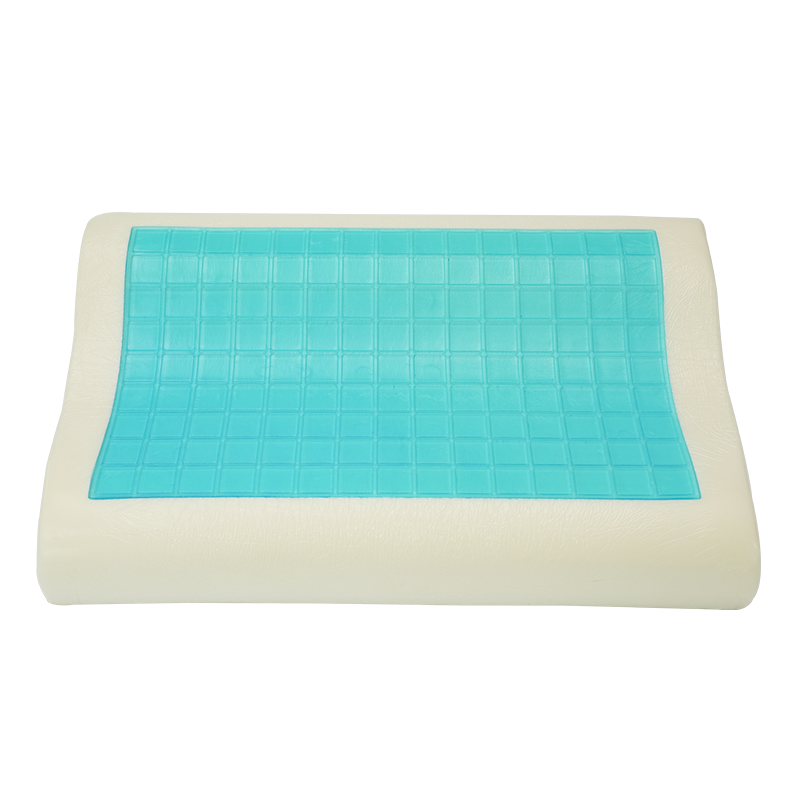 Wholesale Contour memory foam gel cooling pillow Suppliers, OEM/ODM Company - NaNantong Ramya Home Technology Co, ltd is China OEM/ODM Contour memory foam gel cooling pillowsuppliers and wholesale company, Customizabl...View Product →
The right way to wash a pillowcase
Change frequency matters, but washing technique decides whether you are actually removing the problem or just making the fabric look clean.
Water temperature: go hot enough to kill dust mites
Most allergy organizations recommend washing pillowcases at 60°C (140°F) to kill dust mites. Cold and warm water removes visible dirt but leaves the mite population largely intact. Check the care label first: cotton and most cotton-polyester blends handle 60°C well, while silk and some synthetic fabrics require cooler water.
Detergent and fabric softener
Use a gentle, unscented liquid detergent if you have sensitive skin. Skip fabric softener entirely: it coats cotton fibers and reduces absorbency and breathability, which makes the pillowcase feel less fresh by morning. If your skin reacts easily, run an extra rinse cycle to remove detergent residue.
Drying
Tumble dry cotton pillowcases on high heat, which adds another mite-killing step. Air-dry silk and delicate fabrics in the shade. Never put a pillowcase away slightly damp; residual moisture lets mildew and bacteria multiply in the drawer or closet.
A step-by-step pillowcase wash routine
- Remove the pillowcase and turn it inside out to expose the side that touched your skin.
- Pre-treat visible spots, such as makeup or drool marks, with a small amount of gentle stain remover.
- Machine wash in hot water, 60°C (140°F) whenever the label allows.
- Use an extra rinse cycle to flush out all detergent residue.
- Dry completely on high heat for cotton, or air-dry for delicate fabrics.
- Store clean cases flat or folded in a dry drawer, away from dust and pet hair.
Washing your pillowcase on the same day each week, for example on laundry day, turns this from a chore into a routine that takes less than a minute to set up.
Does the fabric change how often you need to wash?
Fabric choice affects how your skin feels during the night, but it does not change the biological reality: every material collects oil and sweat. The smoothest silk case still needs washing on the same 7-day baseline. The table below compares the most common pillowcase materials.
| Material | Main benefit | Typical wash frequency | Care note |
|---|---|---|---|
| Cotton | Absorbent, breathable, affordable | Every 7 days; every 2-3 days for oily skin | Machine wash hot; high-heat dry |
| Silk | Smooth surface, less friction on skin and hair | Every 7 days | Hand wash or delicate cycle; air-dry |
| Satin (polyester) | Low friction, helps reduce hair frizz | Every 7 days | Machine wash cold; gentle cycle |
| Linen | Very breathable, dries quickly | Every 7 days | Machine wash warm; line dry |
| Bamboo-derived (viscose) | Soft, moisture-wicking, temperature regulating | Every 7 days | Machine wash cold; low-heat dry |
The material inside the pillowcase also affects moisture. A bamboo shredded memory foam pillow uses a breathable bamboo-blend cover and shredded foam fill, which lets air circulate around your face instead of trapping heat. Less trapped heat means less sweat, which means the pillowcase stays fresher by the fifth or sixth day.
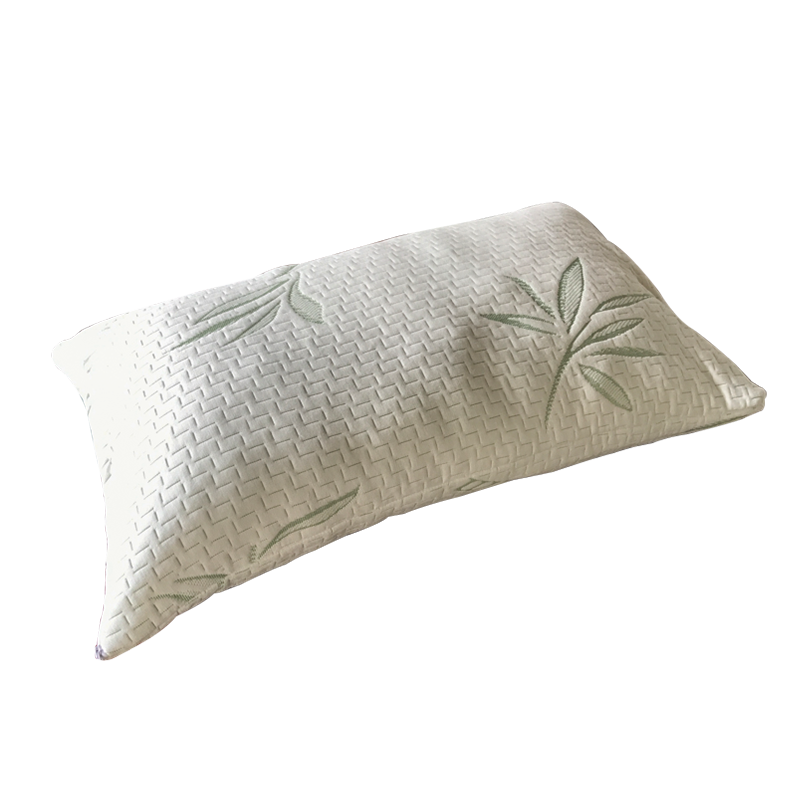 Wholesale Bamboo shredded memory foam pillow Suppliers, OEM/ODM Company - NantonNantong Ramya Home Technology Co, ltd is China OEM/ODM Bamboo shredded memory foam pillowsuppliers and wholesale company, Customizable pr...View Product →
The pillowcase is only half the equation: caring for the pillow inside
A pillowcase reduces but does not eliminate contamination. Sweat and oils gradually migrate through the fabric into the pillow core, especially if you sleep on the same side every night. That is why the pillow itself needs its own care schedule, and why your choice of pillow matters for the long term.
Memory foam pillows should never go into a washing machine. The foam absorbs water, breaks down internally, and traps detergent residue. Instead, spot-clean the cover with a damp cloth and a little mild soap, then air-dry completely before putting the case back on. If you are tempted to skip this step, learn why a memory foam pillow cannot be fully washed and what damage water does to the foam structure.
A high-quality memory foam traditional pillow with a zippered, washable cover makes this routine simpler: wash the pillowcase every 7 days and the inner pillow cover once a month. The foam core stays protected, and you get consistent neck support without the odor that older pillows develop.
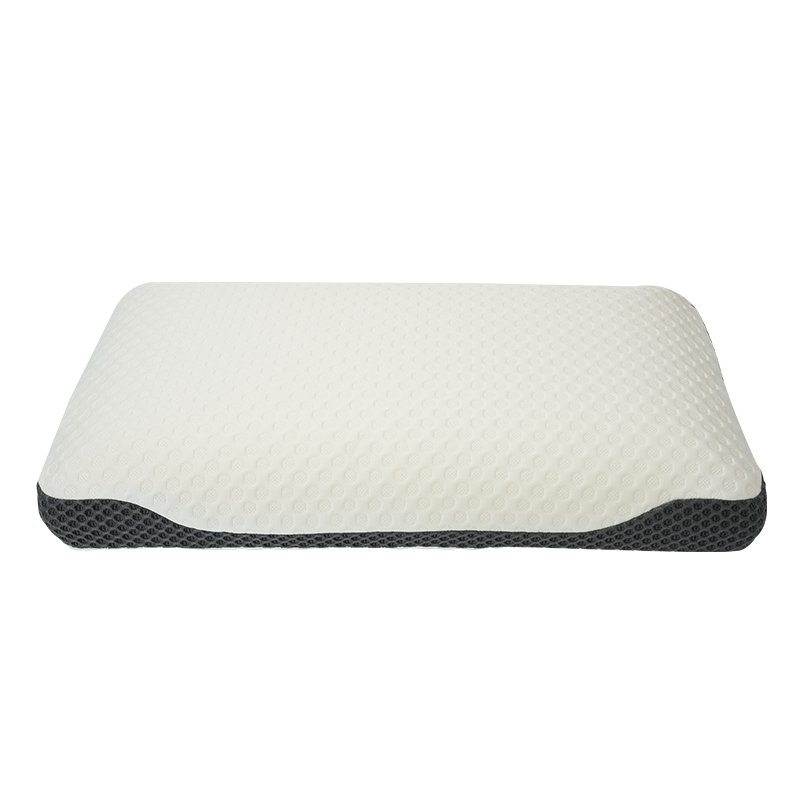 Wholesale Memory foam traditional pillow Suppliers, OEM/ODM Company - Nantong RaNantong Ramya Home Technology Co, ltd is China OEM/ODM Memory foam traditional pillowsuppliers and wholesale company, Customizable produc...View Product →
Replacement timing matters too. The Sleep Foundation recommends replacing pillows every 1-2 years. When the pillow no longer springs back to its original shape, develops a permanent odor, or shows yellowing through the cover, it is time to replace it. If you are comparing options, review the main features and benefits of memory foam pillows before choosing a new one.
Pillow construction also influences hygiene. The way a pillow wicks moisture and vents heat directly affects how much sweat reaches the cover. Our detailed guide on how density and vent design affect memory foam pillow performance explains why an open-cell structure stays cooler and drier than a dense, solid block of foam.
Keep these three pillow-care habits in your weekly rotation:
- Use a washable pillow protector under your pillowcase and wash it every 2 weeks.
- Air out the pillow each morning before making the bed so trapped moisture can escape.
- Spot-clean any spill immediately; do not let moisture soak into the foam core.
When the case, the protector, and the pillow core each have a schedule, your bed stays clean from the outside in.
Signs you are not changing your pillowcase often enough
If any of these signs sound familiar, your current schedule is probably too relaxed. Move to every 2-3 days or daily for a week and watch whether the symptoms calm down.
- New breakouts concentrated on the cheek, chin, or jawline, the parts of your face that press into the pillow
- Itchy or red skin in the morning, or a rough texture that improves after you wash your face
- Stuffy nose, sneezing, or puffy eyes when you wake up, even without a cold
- A sour, musty odor when you lean close to the pillow
- Yellowing or dark spots that do not come out with one wash
- Eczema or acne that worsens even though your skincare routine has not changed
These signs usually appear gradually, which is why people often blame skincare products or stress. If the pattern is strongest in the morning and concentrated on the side of your face that touches the pillow, the fabric is the likely culprit.
FAQ: pillowcase change frequency, washing, and skin
How often should I change my pillowcase if I have acne?
Every 2-3 days is the standard advice for acne-prone skin. During an active breakout, change it daily for a week to give your face a clean surface while acne medication works.
Can changing my pillowcase every night really help my skin?
Yes, especially while treating acne. A nightly change reduces the bacterial and oily load on your skin overnight. The trade-off is laundry volume, so most people use nightly changes only during flare-ups and fall back to every 2-3 days for maintenance.
Does flipping the pillowcase to the other side count as a change?
No. The underside has collected just as much oil, sweat, and skin cells, it simply feels newer. Washing is the only effective reset.
What water temperature kills dust mites in pillowcases?
Dust mites and their allergens are effectively killed at 60°C (140°F). Most cotton pillowcases can be washed at this temperature; check the care label before using hot water on silk or delicate synthetic blends.
How often should I wash the pillow itself?
Memory foam pillows cannot be fully machine washed, so spot-clean the surface every few months and air them out regularly. Replace the pillow itself every 1-2 years, depending on how well it holds its shape.
Do special anti-acne pillowcases remove the need for frequent washing?
Copper-infused and silver-treated fabrics may offer mild antimicrobial benefits, but they still collect the same oils, sweat, and dead skin cells. A treated surface can reduce bacterial growth, but it cannot remove the film that builds up on the fabric. Keep the same washing schedule regardless of the fabric claims.
Build a simple 7-day pillowcase routine
The easiest way to make a habit stick is to connect it to something you already do. Use this three-step routine to keep your pillowcase, and your skin, on schedule without thinking about it:
- Keep 2-3 clean pillowcases per bed so a midweek change never requires an emergency laundry run.
- Change the pillowcase on the same day you change the sheets, usually Sunday or your standard laundry day.
- If your skin is oily or your allergies are active, add a second change on Wednesday.
| Day | Action | Why it works |
|---|---|---|
| Sunday | Change pillowcase and sheets | Resets the entire bed on a predictable weekly cycle |
| Wednesday | Change pillowcase only | Reduces oil and bacteria midweek for oily, acne-prone, or allergy-prone sleepers |
| After illness or night sweats | Change immediately, even if Sunday is far away | Prevents re-exposure to concentrated sweat and bacteria |
A clean pillowcase is the least expensive skincare product you can own. One simple weekly habit reduces the oils, bacteria, dust mites, and allergens that your face touches for eight hours every night. Start with the 7-day baseline, adjust for your skin type and season, and keep the pillow itself on a regular care schedule. Your skin, your nose, and your pillow will all last longer.