

 English
 عربى
عربى
Content
- 1 What Is the Typical Mattress Lifespan?
- 2 7 Clear Signs Your Mattress Needs Replacement
- 2.1 1. Visible Sagging or Indentations
- 2.2 2. You Wake Up with Pain and Stiffness
- 2.3 3. Your Sleepless Nights Are Increasing
- 2.4 4. You Can Feel the Springs or Old Foam
- 2.5 5. You and Your Partner Find It Hard to Sleep in the Same Bed
- 2.6 6. Allergies or Breathing Issues Get Worse
- 2.7 7. The Mattress Smells or Looks Worn Out
- 3 How Memory Foam Mattresses Age Differently
- 4 Proven Ways to Increase Mattress Lifespan
- 5 FAQ About Mattress Replacement
Most mattress manufacturers and sleep experts agree that a quality mattress should be replaced every 7 to 10 years. However, the real answer depends on how it feels, how it supports your body, and whether you wake up with aches or poor sleep quality. The moment your bed stops restoring you, it is time for a change.
If you have been sleeping on the same mattress for more than eight years and you are not sure whether to buy a new one, this article will help you make an evidence-based decision. We will walk through the measurable signs of wear, the lifespan of different mattress types, and the specific behavior of memory foam that affects replacement timing. You will also get practical tips to extend the life of your current bed and a clear FAQ at the end.
What Is the Typical Mattress Lifespan?
The lifespan of a mattress varies by material, build quality, and how heavily it is used. Industry data shows that innerspring mattresses generally last 5 to 7 years, while foam and hybrid models can reach 10 years or more. But these are averages, not guarantees. A mattress that is used every night by two adults will wear out faster than a guest-bed mattress that is used once a week.
| Mattress Type | Average Lifespan | Primary Wear Sign |
|---|---|---|
| Innerspring | 5-7 years | Visible sagging, coil feel |
| Memory foam | 7-10 years | Permanent indentations |
| Latex | 10-15 years | Softening, less support |
| Hybrid | 7-10 years | Edge collapse, lost support |
The table above helps you benchmark your own bed. If your mattress is already past its expected range, it is not automatically bad, but it deserves a careful check for the signs below. Remember that the number of years is a starting point, not a rule.
7 Clear Signs Your Mattress Needs Replacement
You do not need to rely on a general rule. The strongest evidence comes from what you feel and see. Here are seven concrete signals that a mattress has lost its ability to provide proper support and comfort.
1. Visible Sagging or Indentations
Press your hand or a weight into the surface. If an indentation of 1.5 inches (38 mm) or deeper remains after you get up, the foam or coil support has degraded. This is the most reliable physical test. For memory foam, a heavy sleep position can leave a permanent valley after years of nightly pressure. You can place a straight edge across the mattress; if there is a noticeable gap under the straight edge at the center, the support core is compromised.
2. You Wake Up with Pain and Stiffness
A mattress that no longer supports your spine alignment forces your muscles to compensate overnight. If you experience lower back, shoulder, or neck pain more than twice a week in the morning, your sleep surface is failing. The pain usually improves once you replace the bed. Track your pain patterns for two weeks to confirm that it is not coming from a new exercise routine or an underlying health issue.
3. Your Sleepless Nights Are Increasing
Tossing and turning is not just a habit. A worn-out mattress loses pressure relief, causing you to shift positions to find a comfortable spot. If you remember sleeping through the night in your first year but now wake up repeatedly, the mattress is no longer doing its job. The average sleeper changes position 60 to 80 times a night. A healthy mattress absorbs the pressure of each move without disturbance.
4. You Can Feel the Springs or Old Foam
When you lie on your side, sharp pressure points from coils or a bottoming-out foam layer are hard to ignore. Also, if the mattress feels lumpy or has hard spots, the internal structure has broken down. This directly reduces the quality of your rest. In memory foam, a bottoming-out sensation means the foam has lost its elasticity and is now compressing all the way to the support layer.
5. You and Your Partner Find It Hard to Sleep in the Same Bed
Motion transfer becomes a bigger issue with aging mattresses. When one person moves, the old foam distributes the movement too well, waking the other. Modern memory foam designs are better at absorbing motion, but an aged foam loses that property. If your partner's every toss wakes you up, test the mattress by rolling over in one spot. Heavy vibration across the surface is a clear signal.
6. Allergies or Breathing Issues Get Worse
Over time, mattresses accumulate dust mites, skin flakes, and allergens. While cleaning helps, deep-set contamination cannot be fully removed. If you feel congested or sneezy at night, and it is worse when you lie on your bed, a new mattress may be the cleanest solution. The American Academy of Allergy, Asthma & Immunology mentions that dust mite allergens are a common trigger for nighttime symptoms, so a fresher sleep surface is a practical step.
7. The Mattress Smells or Looks Worn Out
Stains, tears, and a musty odor are not just cosmetic. They indicate moisture and mold risk. A mattress that visibly loses its shape, especially around the edges, is no longer providing a safe and healthy sleep surface. If the fabric is torn and the inner foam is exposed, replace it immediately, because this creates a direct pathway for contaminants.
How Memory Foam Mattresses Age Differently
Memory foam is known for excellent pressure relief and motion isolation, but it has its own lifespan pattern. Unlike innerspring, it does not produce a loud squeak. Instead, it gradually softens and loses its ability to bounce back. The main test is whether the foam returns to its original shape within a few seconds after pressure.
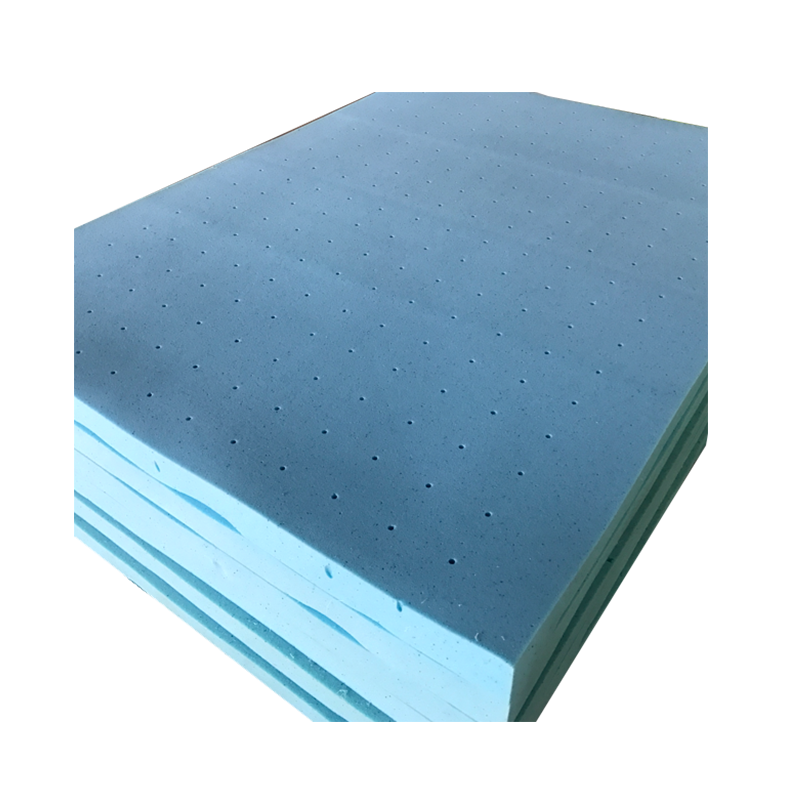 Memory Foam Topper with MDI Material and Custom SizesThis MDI memory foam topper adapts to your body curves, relieving pressure and improving sleep comfort, while custom sizing options help extend the life of your current mattress before replacement is needed.View Product →
For memory foam mattress toppers, you may notice the same slow softening. Many people extend their mattress life by adding a new topper, but the topper itself also ages. If the topper develops a permanent body impression, it must be replaced too. A quality memory foam mattress from an experienced manufacturer should hold its shape for 8 to 10 years under normal use. To check your own mattress, place a 2 kg weight on the surface for one minute, then remove it. If it takes more than 30 seconds to recover, the foam is failing.
High-density memory foam tends to last longer than lower-density foam. The density affects the foam's ability to recover its original contour. Understanding the key features and advantages of memory foam mattresses helps you evaluate how long your bed will last. In manufacturing, we often see that a mattress with a density of 50 kg/m³ or more will maintain its recovery properties significantly longer than a 35 kg/m³ foam.
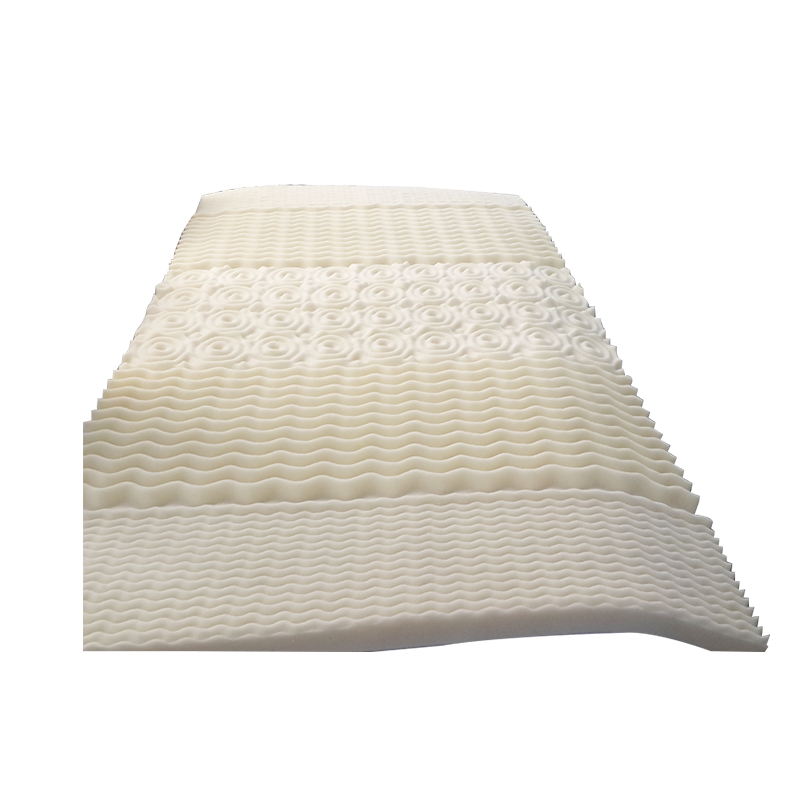 5-Zone Memory Foam Topper with Removable Washable CoverFeaturing a five-zone design for targeted support and an embossed breathable surface, this topper enhances airflow and comfort, potentially delaying the need for a full mattress replacement.View Product →
Breathability is another factor. As foam ages, its cell structure changes, and it may become less breathable. You can read about improving memory foam mattress breathability to see how ventilation affects your sleep over time. If you already use a topper, a zoned design can target different body areas. The 5-zone structure provides extra firmness where you need it, which can delay the need for a full replacement.
Proven Ways to Increase Mattress Lifespan
A mattress is an investment. With the right habits, you can often push it past the average lifespan without sacrificing comfort. These practical methods are easy to implement and make a measurable difference.
- Rotate the mattress every three months. Alternating the head and foot positions prevents one area from bearing the same weight night after night.
- Use a breathable mattress protector. It blocks spills, dust, and skin flakes before they reach the foam, reducing odour and allergen buildup.
- Keep the room humidity below 50 percent. Excessive moisture can degrade foam materials faster and encourage mildew growth. A dehumidifier is especially useful during the damp season.
- Clean spills immediately and avoid eating in bed. Liquid that penetrates the fabric can break down the foam adhesive and cause permanent odors.
- Add a mattress topper. A high-quality topper absorbs the immediate pressure on your body and effectively changes the comfort layer without changing the support core.
Remember that these steps slow down wear, but they cannot reverse it. If you reach the point where the foam no longer recovers its shape, no amount of maintenance will bring back the original support. That is when replacement becomes a health decision, not just a preference.
FAQ About Mattress Replacement
How often should I replace a memory foam mattress?
For high-density memory foam, expect 8 to 10 years of nightly use. If you are sleeping on it every day, check for permanent indentations and morning pain after year seven. With lighter use, you may get closer to 12 years.
Can a mattress last longer than 12 years?
Some latex and high-quality hybrid models can reach 15 years. But if you are sleeping on a 12-year-old memory foam mattress, the support core has almost certainly softened beyond a level that protects your spine. The length of time is not the problem; the level of support is.
Is it worth buying a new mattress if I use a topper?
A topper improves comfort, but it cannot fix a sagging support core. If your mattress has a visible dip in the middle, a topper will only hide the problem for a short time. If your mattress is still in good shape, a topper can effectively extend its comfortable life by two to three years.
How do I test if my mattress is still supportive?
Lie down in your usual sleep position and have a partner or another person take a picture. A straight line along your spine should remain almost level. If there is a noticeable curve at your lower back, the mattress is allowing your hips to sink too deep. Additionally, press your hand into the surface and see how long the indentation takes to disappear. More than 10 seconds is a warning sign.
Does mattress firmness change with age?
Yes. A mattress that started out firm can slowly feel softer because the foam loses its resilience. Many people interpret this as the mattress becoming more comfortable, but it actually means less support. A firmer feel that turns into a medium or soft feel is a common sign of foam degradation.