

 English
 عربى

Content
- 1 Read the Care Label and Identify the Fill Before Anything Else
- 2 Four Numbers That Matter More Than the Detergent You Choose
- 3 What You Need Ready Before You Start
- 4 How to Machine Wash a Duvet, Step by Step
- 5 How to Hand Wash a Duvet in a Bathtub
- 6 Washing Down and Feather Duvets Without Losing the Loft
- 7 Drying a Duvet Fully: The Step Most People Rush
- 8 Duvet, Cover and Topper: What Actually Goes in the Machine
- 9 Six Mistakes That Cut a Duvet's Life Short
- 10 Spot Cleaning Between Washes
- 11 How Often Should You Wash a Duvet?
- 12 Choosing Bedding That Survives Repeated Washing
- 13 Frequently Asked Questions About Washing a Duvet
- 13.1 Can I wash a duvet in a normal household washing machine?
- 13.2 What temperature should I wash a duvet at?
- 13.3 Should I use fabric softener on a duvet?
- 13.4 How do I dry a duvet without a tumble dryer?
- 13.5 How do I stop down from clumping in the wash?
- 13.6 Can I machine wash a memory foam mattress topper?
- 13.7 Do I need to wash the duvet cover with the duvet?
- 13.8 What if the care label is missing?
Most duvets can be washed at home, and the small group that cannot will normally say so on the care label. The reliable default for a down or feather duvet is a gentle wash at 30 degrees Celsius (86 degrees Fahrenheit) in a large front-loading drum, a mild non-biological liquid detergent, a spin of 400 to 600 rpm, and a long, patient, low-heat dry with two or three dryer balls tumbling inside. Synthetic duvets tolerate more heat, up to 40 degrees Celsius (104 degrees Fahrenheit), and often dry in two hours. Wool, silk, and any duvet bonded to a memory foam layer should stay out of the washing machine entirely.
The details matter because a duvet is essentially a large sealed bag of fill. Water, heat and mechanical action change how that fill behaves. Down collapses and clumps when it stays wet too long, polyester fibres lose loft when they are spun hard or dried hot, and wool fibres felt when temperature and agitation swing too far. Get the temperature, the agitation and the drying right, and a duvet comes back looking close to the day you bought it.
- Temperature: 30 degrees Celsius for down and feather, 40 degrees Celsius for polyester and microfibre, no machine wash for wool or silk.
- Spin: keep it low, around 400 to 600 rpm, so the fill is not crushed against the shell fabric.
- Dry time: budget three to five hours in a tumble dryer for down, one to two hours for synthetic, and up to 48 hours flat air drying.
Read the Care Label and Identify the Fill Before Anything Else
Every duvet sold in the past two decades carries a care label with wash symbols and, usually, a fill description. Both matter. A tub symbol with a number tells you the maximum water temperature. A tub with a hand inside means hand wash only. A crossed-out tub means professional cleaning, and a circle means the item can be tumble dried. If the label says dry clean only, believe it, because there is a reason the manufacturer accepted the extra cost of that instruction.
Fill type drives almost every decision that follows. The table below summarises what each common fill can survive.
| Fill type | Best method | Maximum water temperature | Typical drying time |
|---|---|---|---|
| Down and feather | Machine wash, gentle cycle, front loader | 30 C (86 F) | 3 to 5 hours tumble dry on low |
| Polyester and hollowfibre | Machine wash, synthetics cycle | 40 C (104 F) | 1 to 2 hours on low heat |
| Microfibre blends | Machine wash, gentle cycle | 40 C (104 F) | 1 to 2 hours on low heat |
| Wool | Wool cycle at 30 C with wool-safe detergent, or professional clean | 30 C (86 F) | About 24 hours, flat, away from heat |
| Silk | Hand wash cold or professional clean | 30 C (86 F), cold preferred | 24 to 36 hours, flat, in shade |
| Memory foam topper or pillow insert | Spot clean only, cover removed and washed separately | Not applicable | 12 to 24 hours indoors, away from direct sun |
If the label is missing, treat the duvet as the most delicate version of its apparent fill. Guessing upward is how a shell fabric shrinks one size and a down duvet starts shedding feathers through the seams.
Four Numbers That Matter More Than the Detergent You Choose
Detergent brand rarely decides whether a duvet survives. Four numbers do, and they are worth memorising.
- 30 and 40: the two temperatures that cover down and synthetic duvets. Above 40, polyester shells begin to lose shape and down quills turn brittle over repeated washes.
- 600 rpm: the ceiling for spin speed. Faster spins squeeze the fill into dense bands that are hard to redistribute later.
- 7 kilograms: the minimum drum capacity for washing a king-size duvet comfortably, and 8 to 9 kilograms is better. A double duvet needs at least 6 kilograms. A drum that is too small means the duvet never opens out, detergent stays trapped, and the rinse cycle cannot reach the middle.
- 100 percent: the level of dryness required before the duvet goes back on the bed. Ninety-five percent dry is the same thing as mould waiting to happen.
A useful reality check before you load the machine: a wet king-size down duvet can weigh well over 5 kilograms, and all of that weight pulls on the seams while the drum turns. That is why front loaders beat top loaders with a central agitator, and why running one duvet per load is not wasteful but correct.
What You Need Ready Before You Start
Ten minutes of preparation saves an afternoon of cleanup. Have these items within reach.
- A mild, non-biological liquid detergent. Liquid dissolves faster than powder in a cool, short cycle, which matters when the drum is full of fabric.
- Two or three dryer balls, or clean tennis balls if that is what you have. They break up clumps in the drum far more effectively than shaking by hand.
- A front-loading machine, or a launderette drum if your home machine is smaller than 6 kilograms.
- A drying rack plus two towels if you plan to air dry, since the towels help wick water out before the rack stage.
- A spare duvet or cover so the bed stays usable while the main duvet dries. It removes the temptation to put a damp duvet back on the bed.
How to Machine Wash a Duvet, Step by Step
- Inspect the seams and the shell. Small splits become large ones once wet fill pushes through, so stitch or patch them before washing.
- Remove the duvet cover and wash it separately. Washing both together makes an unbalanced load that the machine cannot rinse properly.
- Load the duvet alone, loosely folded. If it fills more than two thirds of the drum, take it to a launderette with a larger machine.
- Add liquid detergent at the dose printed on the bottle, or slightly less. Extra detergent does not clean better, it rinses out worse and leaves residue in the fill.
- Skip fabric softener and bleach completely. Softener coats fibres so they hold moisture and lose loft, and bleach weakens both down quills and cotton shells.
- Choose the gentle, delicate or synthetics program and set the temperature to 30 degrees Celsius for down, 40 degrees Celsius for polyester.
- Add an extra rinse. Most modern machines have a button for this, and it is the single most useful setting when washing bulky items.
- Set the spin to 400 to 600 rpm. A duvet that comes out dripping is normal; a duvet that comes out compressed into a brick is not.
- Unload the moment the cycle ends. A duvet left sitting damp in a sealed drum for four hours develops the musty smell that no second wash fully removes.
- Move straight into drying, which is covered in detail further down.
How to Hand Wash a Duvet in a Bathtub
Hand washing is slower but gentler, and it is the right route for a summer-weight down duvet, an antique quilt, or any duvet whose label says hand wash only. A standard bathtub holds a double duvet without much trouble; a king-size one will need patience and two people.
- Fill the tub with lukewarm water about 10 to 15 centimetres deep, no hotter than 30 degrees Celsius, and stir in a small amount of mild liquid detergent.
- Lower the duvet in and press it down until it is fully submerged. It will float at first and take a few minutes to absorb water.
- Knead gently with both hands, working from the edges toward the middle, for five to ten minutes. Do not scrub, twist or lift the duvet while it is heavy with water.
- Drain the tub and refill with clean cool water. Press the duvet repeatedly to push soapy water out, then drain again. Expect two or three rinses before the water runs clear.
- Press the remaining water out by folding the duvet and leaning on it, not by wringing. Then lay it on two towels, roll the whole bundle up and press again to pull out more moisture.
- Dry it flat on a rack, turning and shaking it every couple of hours until no cool, damp patches remain.
Washing Down and Feather Duvets Without Losing the Loft
Down is a natural cluster that traps air between its filaments. That structure is what keeps you warm, and it is also the first thing to suffer from harsh treatment. Three habits protect it.
Use a mild, non-biological detergent
Enzyme-heavy biological powders are designed to break down protein stains, and down is largely protein. Repeated exposure strips the natural oils that keep the filaments flexible, which is why a duvet that was washed with the wrong detergent for years feels flat and slightly crunchy. A dedicated down wash or a simple non-biological liquid is the safer choice.
Never wring, never over-spin
Wet down clumps into dense knots under pressure. Press the water out by folding and leaning, or let a 400 rpm spin do the work, then go straight to drying.
Dry with movement, not with heat
Two or three dryer balls bouncing inside the drum break clumps apart as the duvet turns, and a low heat setting does the rest. High heat dries the outer shell while the middle stays damp, which is exactly how a duvet ends up smelling musty two days later.
Drying a Duvet Fully: The Step Most People Rush
A duvet that is still slightly damp in the middle will develop mildew within a day or two, and the smell is almost impossible to remove without another full wash. Drying deserves as much attention as washing.
Tumble drying
Use the low heat setting and run the cycle in blocks rather than one long stretch. Take the duvet out every 30 minutes, shake it, feel for lumps, and put it back. A down duvet commonly needs three to five hours of cumulative drying time. Synthetic duvets are usually done in one to two hours. Dryer balls are worth the small cost, since they shorten drying time and separate the fill as it dries.
Air drying
Lay the duvet flat across a drying rack or two parallel racks, never draped over a single line where it can stretch out of shape. Turn and shake it every two hours because fill migrates toward the lowest point as it drains. Indoor drying in a ventilated room is better than outdoor drying in strong sun, since ultraviolet light fades shells and weakens fibres over time. Expect 24 to 48 hours for a down duvet and 12 to 24 hours for a synthetic one.
How to confirm it is genuinely dry
- Hold the duvet up and run both hands across the whole surface. Cool patches in the centre mean damp fill.
- Squeeze a fistful of fill. It should spring back immediately, not stay compressed.
- Smell the centre seam. Any trace of mustiness means more drying time, not less.
- Weigh the duvet in your hands if you know its dry weight. Water adds obvious heft.
Duvet, Cover and Topper: What Actually Goes in the Machine
A modern bed is a stack of layers, and each layer has a different relationship with water. The duvet cover is easy: wash it weekly or fortnightly at 40 degrees Celsius with the rest of your bedding, and it will protect the duvet underneath from most of the skin oils, sweat and dust that would otherwise reach it.
The duvet itself gets washed far less often, as described below. The layer people most often get wrong is the one underneath, the mattress topper. Memory foam is an open-cell polyurethane structure, which means it absorbs water like a sponge and releases it very slowly. A soaked topper can take two or three days to dry in the middle, and by then the foam may have started to break down and smell.
The practical rule is simple: wash the removable cover, spot clean the foam. Use a cloth wrung out in cool water with a drop of mild detergent, dab rather than rub, then blot dry with a towel and let the topper air out flat, away from radiators and direct sun. Never put a memory foam topper or pillow insert into a washing machine, and never soak it in a bathtub.
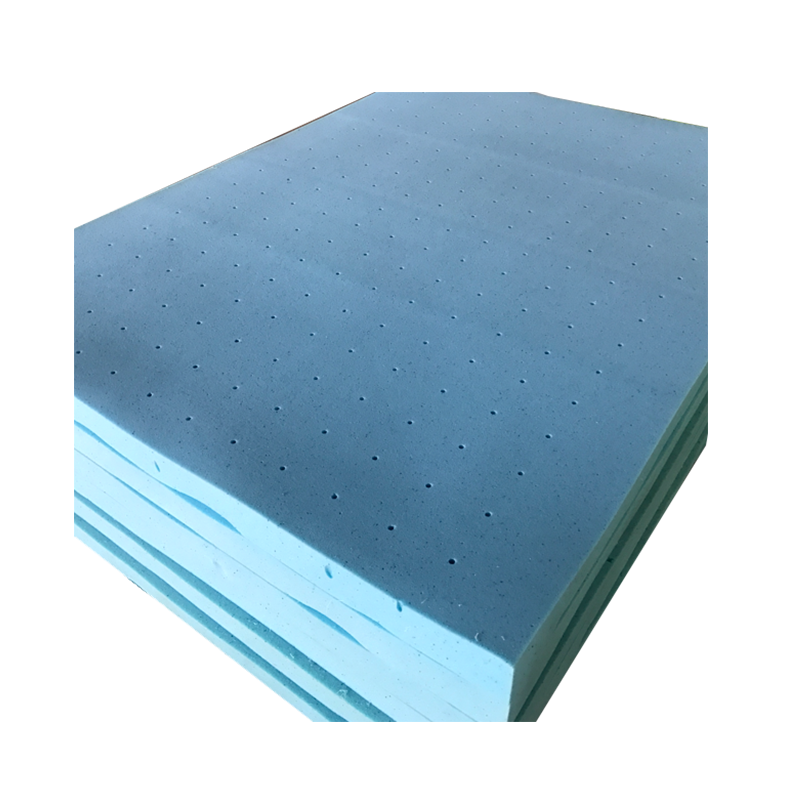 Memory foam topper mattressMade of high-quality MDI material, the unique memory foam design can intelligently sense human pressure, perfectly fit the body curve, provide all-round support, effec...View Product →
Six Mistakes That Cut a Duvet's Life Short
- Cramming the drum. A duvet needs room to open and turn. When it cannot, detergent stays inside the fill and the rinse water never reaches the middle.
- Reaching for fabric softener. Softener leaves a waxy film on fibres, which reduces breathability and loft. It also holds moisture, which makes the drying stage longer and the musty smell more likely.
- Assuming hotter is cleaner. Some households wash bedding at 60 degrees Celsius to reduce dust mites in the bedding. That can work for cotton sheets, but a duvet shell may shrink and down quills become brittle at that temperature. Check the label before choosing heat over a longer, gentler cycle.
- Drying in full sun for a whole day. A short airing in the shade is fine. Hours of direct ultraviolet light fade colours and weaken fibres.
- Storing a duvet in a plastic bag. Plastic traps any residual moisture. A breathable cotton storage bag keeps the fill dry and lets it recover its loft between seasons.
- Leaving it in the machine. An hour is fine, a night is not. Damp fill in a closed drum is the fastest route to a permanent smell.
Spot Cleaning Between Washes
Not every mark justifies a full wash. Handling small problems quickly keeps the duvet out of the machine for months longer.
Spills and stains
Blot with a clean cloth immediately, working from the outside of the stain toward the centre so it does not spread. For protein-based marks such as milk or blood, use cold water, since warm water sets them. Mix a few drops of mild liquid detergent in cool water, dab it on, then blot with a cloth rinsed in plain water to remove residue. Let the area air dry completely.
Odours
Air the duvet outdoors in the shade for an hour or two on a dry, breezy day. For lingering smells, sprinkle a thin layer of baking soda over the surface, leave it for 30 minutes, then shake or vacuum it off. It absorbs odour without adding moisture.
Pets and accidents
Act within the hour. Blot up liquid, then treat the area with cool water and mild detergent, and dry it thoroughly with a towel before letting it air. If the duvet gets soaked through, a full gentle wash is usually less risky than leaving concentrated residue inside the fill.
How Often Should You Wash a Duvet?
Less often than sheets, more often than most people assume. The table below reflects typical household use with a duvet cover in place.
| Item | Typical interval | Notes |
|---|---|---|
| Duvet cover | Every 7 to 14 days | Wash at 40 C with the rest of the bedding |
| Synthetic duvet | Every 3 to 6 months | Dries quickly, so it is the easiest to keep on schedule |
| Down or feather duvet | Every 12 to 24 months | Longer interval is fine when a cover is always used |
| Duvet used without a cover | Every 4 to 8 weeks | Direct contact with skin means faster soil build-up |
| Duvet in an allergy or pet household | Every 2 to 3 months | Air the duvet weekly between washes |
| Memory foam topper cover | Every 4 to 6 weeks | Remove the foam core first and spot clean it separately |
Two habits stretch those intervals: airing the bed every morning by folding the duvet back for 15 to 20 minutes before making it, and rotating between two duvets by season so each one spends part of the year clean and stored.
Choosing Bedding That Survives Repeated Washing
If you wash bedding on a schedule for years, the construction of the product matters as much as the fill. Three features separate a duvet or topper that lasts a decade from one that needs replacing after three washes.
- A tight, down-proof shell. Closely woven fabric stops fine fill from migrating through the seams during the spin cycle.
- Reinforced double-stitched seams. That is where a wet duvet carries the most stress, and it is the first place a cheap one fails.
- Removable, washable covers on foam products. Memory foam cannot be machine washed, so the cover has to take the abuse.
That last point shapes how memory foam products are designed for the export market. Nantong Ramya Home Technology, working alongside the Sijieer manufacturing facility, builds its foam range with zip-off covers precisely so that the part touching skin and hair can go into a normal 40 degrees Celsius wash while the foam core stays out of the water. For a buyer sourcing bedding, that single design decision removes most of the returns caused by washing mistakes.
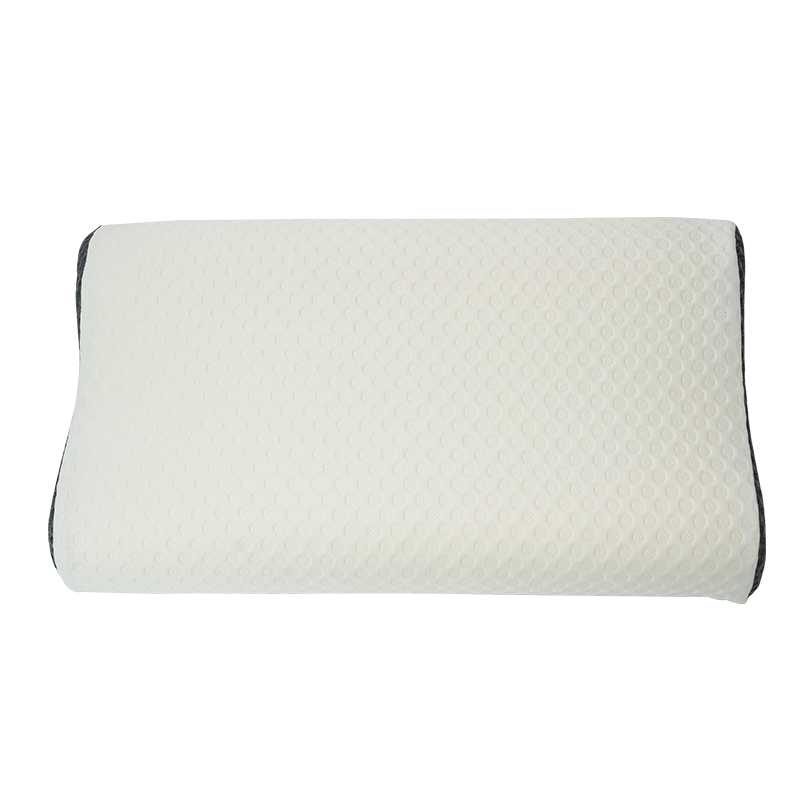 Memory foam contour pillowOur memory foam uses high-density, low-rebound technology, which can automatically adjust the support strength according to the weight and body temperature of the head...View Product →
The same logic applies to the pillow layer. A memory foam pillow with a removable cover can be kept fresh weekly with a cover wash and a monthly airing, without ever soaking the foam. Toppers follow the same routine, and if you want a step-by-step version of the foam side of bedding care, there is a practical guide on cleaning methods for memory foam cushions that covers spot treatment in more depth.
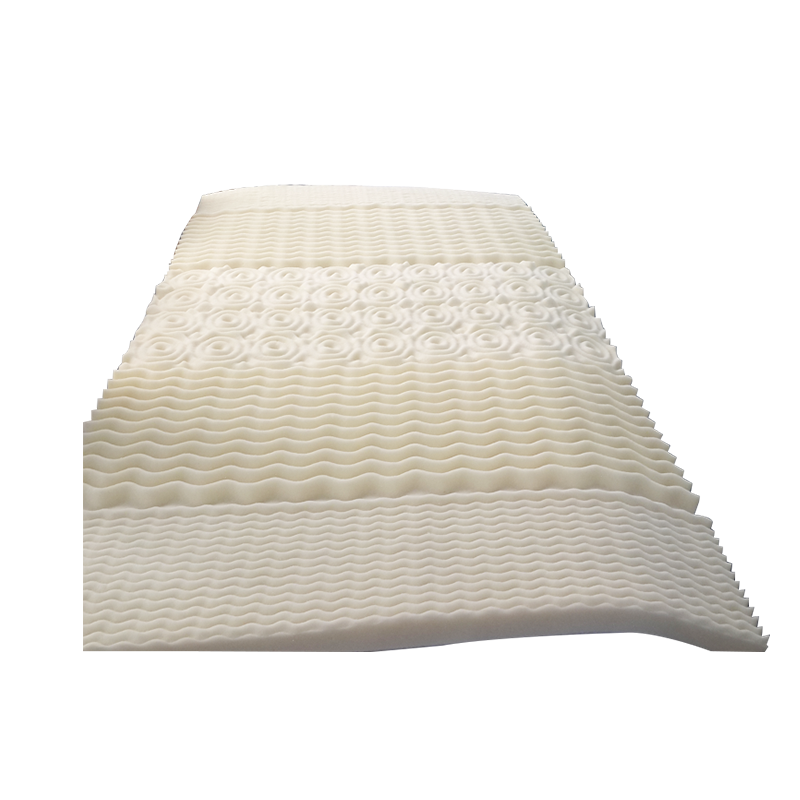 5 Zone memory foam mattress topperThe unique five-zone design provides different support for different parts of the human body, from the head, shoulders to the hips and legs, to fully relieve pressure ...View Product →
Frequently Asked Questions About Washing a Duvet
Can I wash a duvet in a normal household washing machine?
Usually yes, as long as the drum is large enough. For a double duvet you want at least a 6 kilogram machine, and for a king size, 7 kilograms or more. Load it on its own, use a gentle cycle and a low spin, and check that the duvet can move freely when the drum starts turning.
What temperature should I wash a duvet at?
Thirty degrees Celsius is the safe default for down and feather duvets. Polyester and microfibre duvets handle 40 degrees Celsius well. Anything above 40 increases the risk of shell shrinkage and fill damage, so if the label does not explicitly allow it, stay at 30 or 40.
Should I use fabric softener on a duvet?
No. Softener leaves a film on fibres that reduces loft, traps moisture and can make the duvet feel clammy. A mild liquid detergent plus an extra rinse does more for comfort than softener ever will.
How do I dry a duvet without a tumble dryer?
Press the water out by rolling the duvet in towels, then lay it flat across two drying racks in a ventilated room. Turn and shake it every two hours so the fill does not sink to one side. A down duvet may take up to 48 hours this way, and it must be completely dry before it goes back on the bed.
How do I stop down from clumping in the wash?
Use a low spin speed, avoid wringing, and dry the duvet with two or three dryer balls on a low heat setting, pausing every 30 minutes to shake it out. Clumps usually mean the middle is still damp, so keep going rather than giving up early.
Can I machine wash a memory foam mattress topper?
No. Memory foam absorbs water and dries very slowly, and the movement of a wash cycle can tear the cell structure. Remove the cover and wash that instead, then spot clean the foam with cool water and a little mild detergent and air it flat indoors.
Do I need to wash the duvet cover with the duvet?
No, and you should not. Washing them together creates an unbalanced load that rinses poorly. Wash the cover weekly with your sheets and give the duvet its own separate cycle when its turn comes.
What if the care label is missing?
Treat the duvet as the most delicate version of whatever it appears to be. Wash at 30 degrees Celsius on a gentle cycle with a low spin, add an extra rinse, and air dry it flat. If the fill feels like foam or the shell looks like silk, do not machine wash it at all.
Washing a duvet is not complicated once the three variables are fixed: temperature, agitation and drying. Thirty degrees for down, forty for synthetic, a low spin, no softener, and enough patience to dry the middle completely. Do those things and a good duvet will survive a decade of seasonal washing without losing its loft or its shape.
The layer underneath deserves the same attention, but a different method. Covers go in the machine, foam stays out of it, and spot cleaning plus regular airing keeps the whole stack fresh between deep washes. Set a reminder for the cover every two weeks and for the duvet twice a year, and the job stops being a chore you dread.