

 English
 عربى

Content
- 1 The Short Answer: Satin Is a Weave, Silk Is a Fiber
- 2 How Each Pillowcase Type Is Actually Built
- 3 Satin vs Silk vs Cotton Sateen: Side-by-Side Comparison
- 4 Why the Pillowcase Changes How a Memory Foam Pillow Behaves
- 5 Matching the Case to Your Sleeping Position
- 6 Care and Durability in Real Use
- 7 What Belongs on the Spec Sheet When You Order at Scale
- 8 Price Benchmarks and What Actually Drives Them
- 9 Five Mistakes That Show Up Again and Again
- 10 Pairing a Case With a Memory Foam Pillow in Practice
- 11 Frequently Asked Questions
- 11.1 Is satin always silk?
- 11.2 Is silk always shiny?
- 11.3 Which one is better for hair?
- 11.4 Can silk pillowcases go in a washing machine?
- 11.5 Does a silk pillowcase make a memory foam pillow hotter or cooler?
- 11.6 What momme weight should I buy?
- 11.7 Do pillowcases affect whether a memory foam pillow keeps its shape?
- 11.8 Which is the better value overall?
The Short Answer: Satin Is a Weave, Silk Is a Fiber
Satin is a weave structure. Silk is a fiber. Those two words describe completely different things, and that is exactly why so many shoppers end up comparing a polyester pillowcase against a mulberry silk one without noticing the mismatch.
A satin pillowcase can be woven from polyester, nylon, cotton, bamboo viscose or genuine silk. A silk pillowcase is usually woven in a satin or charmeuse construction, simply because that weave shows off the fiber's natural luster, but silk also comes as crepe, habotai and plain weave with a matte surface.
If what you want is the slick, cool, low-friction feel most buyers are chasing, the weave decides the initial feel and the fiber decides how long that feel survives. Polyester satin delivers most of the tactile benefit at roughly a quarter of the price and takes cold machine washing without complaint. Silk wins on moisture handling, breathability and friction against hair and skin, and it pays for that advantage with a higher price and stricter care rules.
On silk labels, momme weight is the number that predicts durability. Sixteen momme is the entry level, 19 momme is the common middle, 22 momme is the usual choice for nightly use, and 25 to 30 momme sits in luxury territory. Cases below 16 momme tend to wear thin along the seam and the fold line inside a year of daily use.
How Each Pillowcase Type Is Actually Built
Satin Weave: Long Floats and Low Friction
In a satin weave, warp yarns float over four, five or eight weft yarns before interlacing again. Those long floats create an almost unbroken surface. Fewer interlacing points means less surface texture, less friction and a larger continuous contact area, which is why satin feels cooler on first touch than a plain-weave cotton case of similar weight.
The same structure explains the main weakness. Floats snag. A zipper pull, a ring prong or a rough fingernail can lift a float and leave a permanent run that cannot be repaired, which is why satin cases should never be washed in the same load as items with exposed hardware.
Silk Fiber: Protein Filament With High Moisture Regain
Silk is a continuous filament of fibroin spun by the silkworm. Standard textile references put silk's moisture regain at roughly 11 percent at 20 degrees Celsius and 65 percent relative humidity, against under 1 percent for polyester. In daily use that gap shows up as a drier pillow surface, because the fiber pulls vapor away from the skin and releases it instead of holding it in a film.
That same property explains silk's weaknesses. It water-spots, and repeated washing with alkaline detergent degrades the fibroin over time. A pH-neutral wash and a mesh bag are not optional accessories for a silk case; they are part of the product's working life.
Polyester Satin and Cotton Sateen: The Practical Middle
Polyester satin is an extruded filament fabric. It is hydrophobic, holds dye well, resists creasing and survives a cold machine cycle for years. It also builds static in dry rooms and holds warmth against the face, which matters more than most people expect once a memory foam pillow is underneath it. Cotton sateen sits between the two options: breathable and grippy, but with noticeably higher friction and a real pilling risk when the yarn is short-staple and the thread count is inflated for marketing purposes.
Satin vs Silk vs Cotton Sateen: Side-by-Side Comparison
The table below puts the three most common pillowcase choices next to each other on the properties that actually change how a pillow feels and how long the case lasts.
| Attribute | Polyester Satin | Mulberry Silk (Satin Weave) | Cotton Sateen |
|---|---|---|---|
| Base fiber | Synthetic filament | Protein filament (fibroin) | Cotton staple |
| Moisture regain | Under 1 percent | About 11 percent | About 8 percent |
| Surface friction | Low | Very low | Moderate to high |
| Heat retention against the face | High | Low to moderate | Moderate |
| Weight or quality index | Often 80 to 120 gsm | 16 to 19 momme entry, 22 momme daily, 25 to 30 momme luxury | 300 to 600 thread count claimed |
| Washing | Cold machine cycle | Hand wash or mesh bag, neutral pH | Warm machine cycle |
| Typical retail band per piece | 8 to 25 USD | 35 to 120 USD | 12 to 40 USD |
Why the Pillowcase Changes How a Memory Foam Pillow Behaves
Memory foam is viscoelastic. It responds to pressure and to temperature at the same time. Most formulations begin to soften within 10 to 15 minutes of body contact, and that is exactly why the surface layer of bedding matters more than most buyers assume.
A tightly woven polyester satin case traps warmth and perspiration at the pillow surface. The foam underneath warms faster, softens faster and lets the head sink a few millimetres deeper than it did when the pillow was cool. On a contour pillow that shift can move the neck support out of position by the middle of the night, which is the point where people start blaming the foam instead of the cover.
A silk case with roughly 11 percent moisture regain moves vapor away from the foam and keeps the microclimate closer to room temperature, so the loft you felt at bedtime is closer to the loft you feel at three in the morning. Swapping the case is often a bigger sleep-quality change than swapping the pillow.
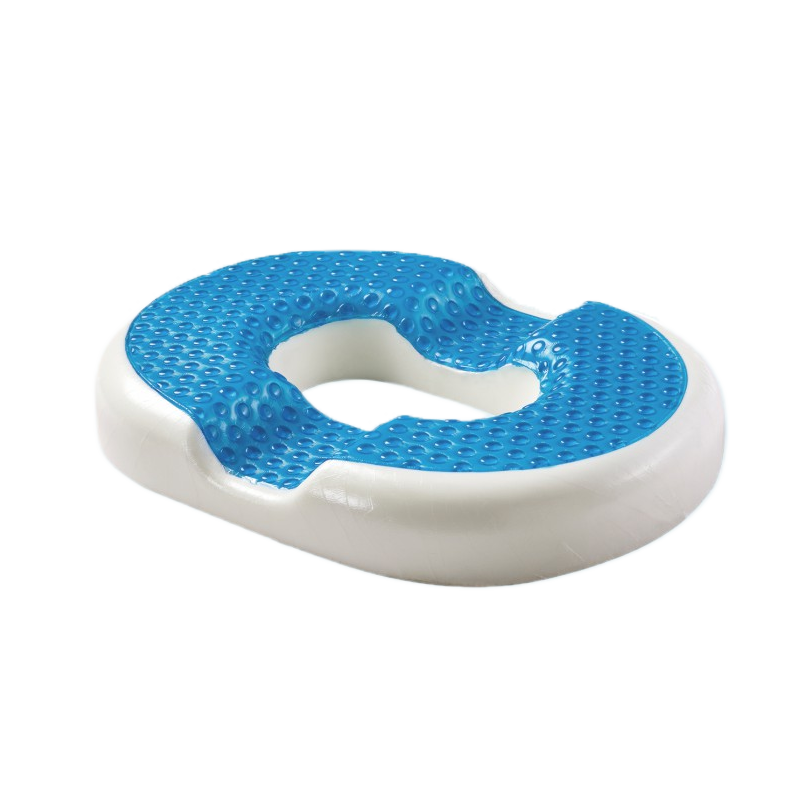
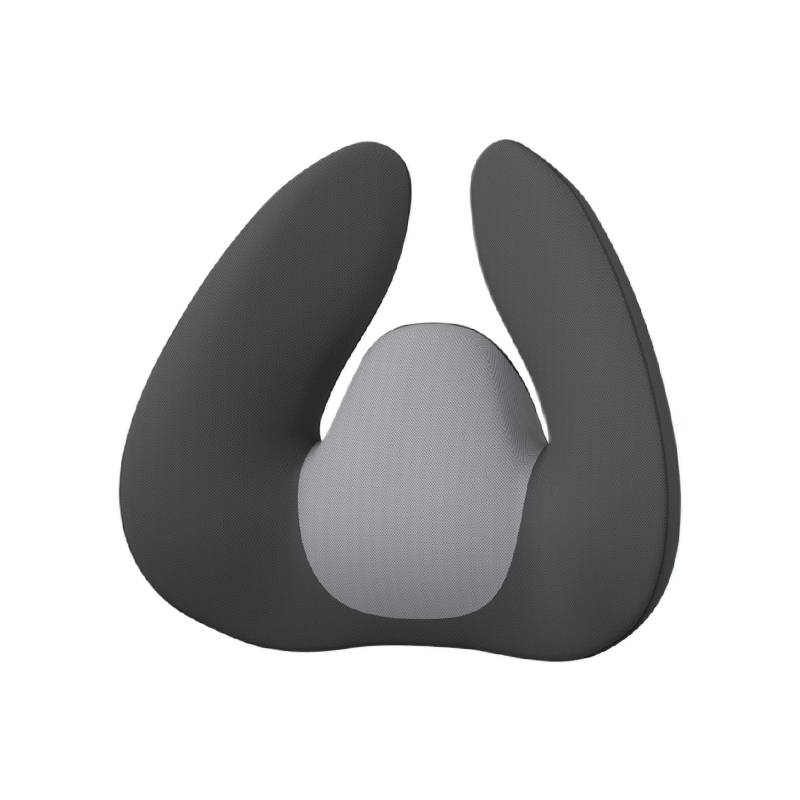
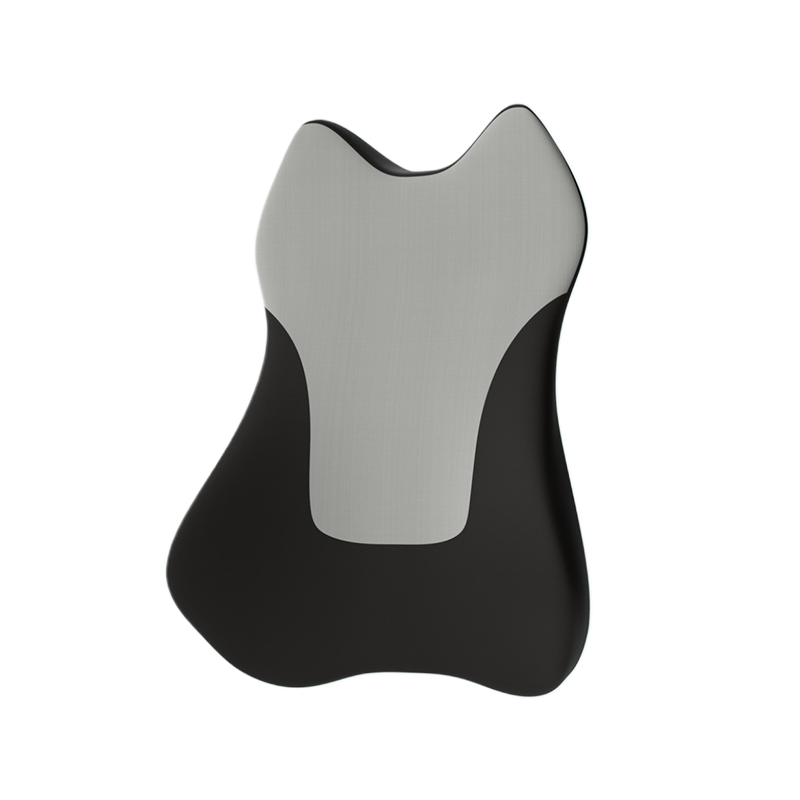
 Memory foam gel pillowThe gel material in this pillow has low-temperature properties. It can keep cool regardless of spring, summer, autumn or winter, providing a comfortable sleeping envir...View Product →
Gel-infused foams attack the same problem from the inside by pulling heat away from the contact patch, and pairing that construction with a breathable case keeps the effect working. If you want the construction details first, our overview of the features and benefits of memory foam pillows covers density, cell structure and ventilation in more depth.
Matching the Case to Your Sleeping Position
Side Sleepers
Side sleepers need loft between roughly 10 and 13 centimetres to keep the cervical spine level. Both silk and polyester satin work here, but be aware that low-friction fabric lets the pillow slide against the sheet. A generous gusset and an envelope closure hold the insert in place better than a plain open-end case.
Back Sleepers and Neck Support
Back sleepers usually do best with a contour shape and a moderate loft. A satin or charmeuse case here is more than decoration: the reduced friction means less drag on the hair and less sideways pull on the jaw, which matters for people who wake up with creases across the cheek.
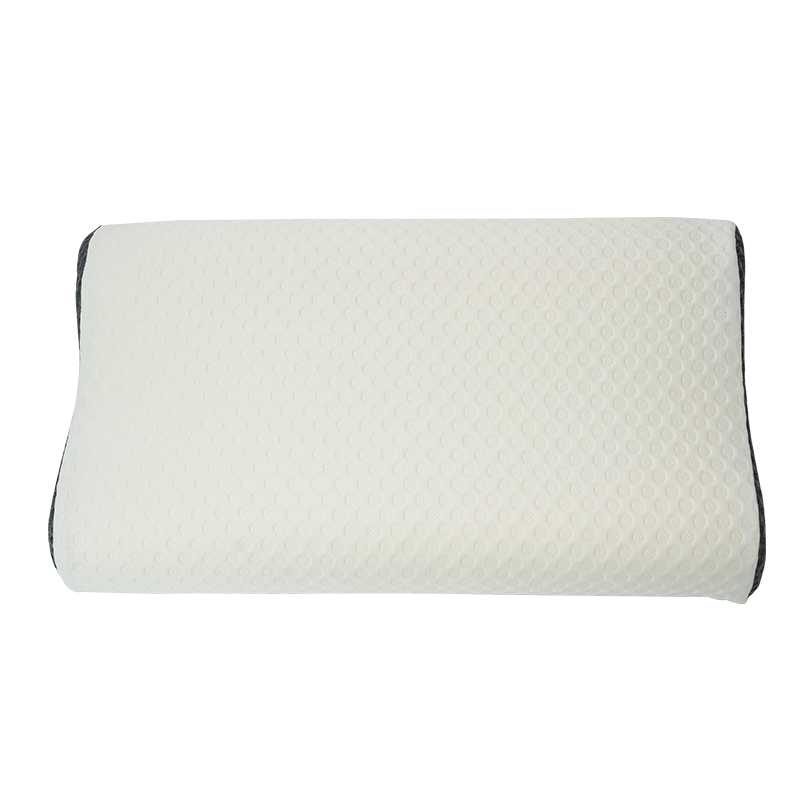 Memory foam contour pillowOur memory foam uses high-density, low-rebound technology, which can automatically adjust the support strength according to the weight and body temperature of the head...View Product →
Stomach Sleepers
Stomach sleepers need the thinnest loft available, and grip often beats slickness. Cotton sateen or a satin case with a textured reverse keeps a very low pillow from shooting out from under the head during the night.
Hot Sleepers and Night Sweaters
For anyone who wakes up damp, the fiber choice outweighs the weave. Silk and bamboo viscose satin handle vapor far better than heavyweight polyester satin, and a heavy polyester case over a memory foam pillow in a warm room is the combination most likely to produce a sweaty two in the morning.
Care and Durability in Real Use
Durability differences between the two show up fast in a real laundry routine. Silk cases commonly last 12 to 24 months with frequent washing; polyester satin cases usually hold their appearance for 18 to 36 months under the same schedule.
- Wash silk in a mesh bag at 30 degrees Celsius with a pH-neutral detergent, then dry flat away from direct sun.
- Skip bleach and fabric softener on both fibers; softener leaves a coating that reduces silk's moisture regain.
- Never tumble dry silk. The heat and the tumbling action both shorten its life.
- Polyester satin can go through a cold machine cycle, but wash it inside out and separate it from anything with zippers or hooks.
- Iron silk at low temperature while still slightly damp, or not at all if the finish is a crepe.
What Belongs on the Spec Sheet When You Order at Scale
When these cases are sourced for a brand or a retail program, small wording decisions turn into returns six months later. The points below are the ones that cause the most disputes between buyers and factories.
- State momme with a tolerance, for example 22 momme plus or minus 1 momme, and confirm the test method used.
- Set shrinkage allowances separately for each fiber: silk commonly moves 3 to 5 percent, polyester satin usually stays under 2 percent.
- Specify cut orientation along the float direction so the sheen runs the same way on every panel.
- Define closure type, gusset depth and finished dimensions against the actual pillow insert, not a generic standard size.
- Ask for colorfastness to crocking at grade 3 to 4 or better on dark shades, or the dye will transfer onto light sheets.
- Agree stitch density and seam allowance in writing; silk seam slippage is far easier to prevent than to fix after shipment.
Price Benchmarks and What Actually Drives Them
Typical factory quotes for export orders land in a fairly narrow band, and knowing that band makes negotiation much simpler.
- Polyester satin pillowcase: roughly 1.80 to 3.50 USD per piece at container volume.
- 19 momme silk charmeuse: roughly 12 to 22 USD per piece depending on grade and finishing.
- 22 momme silk charmeuse: roughly 16 to 30 USD per piece, with hand-rolled edges pushing toward the top of the range.
- Retail pricing usually multiplies the landed cost by three to four times, which is why the same 6 dollar difference at the factory becomes a 20 dollar gap on the shelf.
Four factors move the number more than anything else: fiber grade, momme, closure construction and whether the edges are sewn by hand. Dyeing method matters less than buyers expect, unless the color is a deep black or a saturated jewel tone.
Five Mistakes That Show Up Again and Again
- Treating satin and silk as one category. A listing that says "satin silk pillowcase" without a fiber specification is telling you nothing about what you will receive.
- Buying 16 momme silk and expecting three years of nightly use. That weight is a starting point, not a workhorse grade.
- Ignoring shrinkage allowances in the pre-production sample, then discovering the finished case is one and a half centimetres short after the first wash.
- Putting heavyweight polyester satin over a memory foam pillow for a hot sleeper, then attributing the sweating to the foam.
- Specifying depth from a catalogue instead of measuring the pillow insert, especially with contour and gel pillows that have an uneven profile.
Pairing a Case With a Memory Foam Pillow in Practice
The combination that satisfies the largest number of sleepers is a 22 momme silk or a mid-weight bamboo satin case over a memory foam pillow with a ventilated or gel-infused core. That pairing keeps friction low, keeps vapor moving and keeps the foam at a temperature where its support does not collapse overnight.
For shoppers who prefer a flatter, more traditional pillow profile, a cut memory foam pillow gives a softer initial feel and accepts a standard-size case without a fight, which keeps the fabric from stretching across the corners. Match the case depth to the pillow height plus two centimetres of working room.
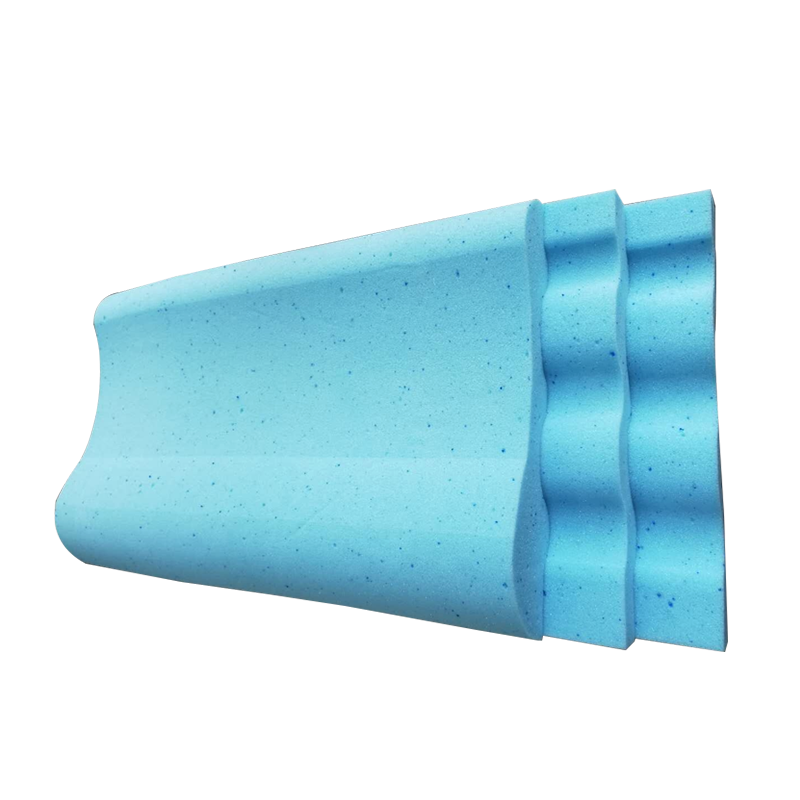 Cut memory foam soft traditional pillowThe core of the pillow is made of memory foam material, and different density and color foam options can be provided according to customer needs to meet diverse market...View Product →
Whichever route you take, buy the case with the same intent you used to choose the pillow. Fabric, foam density and loft all work as one system, and changing one part of that system changes the way the other two perform.
Frequently Asked Questions
Is satin always silk?
No. Satin describes the weave, and the vast majority of satin pillowcases sold at low price points are polyester. If the fiber content is not stated as 100 percent silk, treat the item as a synthetic satin.
Is silk always shiny?
No. Silk woven in a satin or charmeuse construction has a strong sheen, while crepe, habotai and plain-weave silk look matte. The shine comes from the weave, not from the fiber itself.
Which one is better for hair?
Silk has the lowest friction of the two, so it produces less drag on hair strands overnight. Polyester satin is a close second for most people, and the difference is far more noticeable on fine or chemically treated hair than on short, coarse hair.
Can silk pillowcases go in a washing machine?
Some can, on a delicate cold cycle inside a mesh bag with a pH-neutral detergent. If the manufacturer specifies hand wash only, follow that instruction, because alkaline detergent and agitation are what break down the fibroin over repeated cycles.
Does a silk pillowcase make a memory foam pillow hotter or cooler?
Cooler in practice. Silk's moisture regain of roughly 11 percent moves vapor away from the foam surface, so the foam stays closer to room temperature and keeps more of its original loft through the night.
What momme weight should I buy?
Nineteen momme is the sensible entry point for regular use, 22 momme is the standard for nightly washing and long-term wear, and 25 momme and above is a luxury purchase where the main gain is feel rather than durability.
Do pillowcases affect whether a memory foam pillow keeps its shape?
They can. A non-breathable case raises the temperature at the contact patch, which softens viscoelastic foam and lets the head sink deeper. Over months of nightly compression, that extra sinking shows up as a flatter, less supportive pillow.
Which is the better value overall?
For most households, polyester satin gives roughly 80 to 90 percent of the tactile benefit at about a quarter of the cost and with much lower care effort. Silk is worth the premium if you sleep hot, have fragile hair, or want the lowest possible friction against skin.