

 English
 عربى
عربى
Content
- 1 Can You Machine Wash a Foam Mattress Pad?
- 2 What You Need Before Cleaning a Foam Mattress Pad
- 3 How to Spot Clean a Foam Mattress Pad Step by Step
- 4 How to Deep Clean a Foam Mattress Pad with Baking Soda and Vinegar
- 5 How to Dry a Foam Mattress Pad Without Damaging It
- 6 How Often Should You Wash or Clean a Foam Mattress Pad?
- 7 Common Mistakes That Ruin Foam Mattress Pads
- 8 How to Keep Your Foam Mattress Pad Fresh Between Washes
- 9 When to Replace a Foam Mattress Pad Instead of Washing It
- 10 Frequently Asked Questions About Washing Foam Mattress Pads
- 10.1 Can I wash a foam mattress pad in a washing machine?
- 10.2 How long does a foam mattress pad take to dry?
- 10.3 Can I steam clean a foam mattress pad?
- 10.4 What is the best cleaner for a foam mattress pad?
- 10.5 How do I remove yellow stains from a foam mattress pad?
- 10.6 Is baking soda safe for a foam mattress pad?
- 10.7 What happens if a foam mattress pad gets wet?
- 10.8 Can a foam mattress pad be dry cleaned?
- 11 Final Care Summary: The Bottom Line
The short answer is simple: never machine wash a foam mattress pad. The foam absorbs 10 to 15 times its own weight in water, becomes extremely heavy, and the washing machine's agitation cycle permanently damages its internal structure. The safe way to wash a foam mattress pad is through spot cleaning with mild detergent, regular vacuuming with an upholstery attachment, baking soda deodorizing, and an occasional deep cleaning using vinegar and cold water. This guide provides the exact step-by-step methods, tools you need, drying times, and maintenance schedules that will keep your memory foam pad fresh, hygienic, and supportive for years to come.
Can You Machine Wash a Foam Mattress Pad?
No. A foam mattress pad should never go into a washing machine. Unlike a cotton sheet or a thin mattress protector, a foam pad is a single continuous block of polyurethane or memory foam. When you submerge it in water, the foam acts like a sponge and soaks up far more water than you would expect.
Here is exactly what happens at each stage of a washing machine cycle when a foam pad is inside:
Polyurethane and memory foam are viscoelastic materials engineered to respond to heat and pressure, not to water. The cellular network that gives the pad its cushioning ability deteriorates when exposed to the kinds of mechanical stress found inside a washing machine. Even a single machine wash can reduce a foam pad's useful lifespan from 7 to 10 years down to just a few months.
What You Need Before Cleaning a Foam Mattress Pad
Gathering the right supplies before you start is the most underrated part of caring for a foam mattress pad. The wrong cleaning agent can melt, discolor, or break down the foam structure. The right one cleans the surface without compromising the material.
Your Essential Cleaning Kit
- Mild liquid dish soap — about one tablespoon mixed with two cups of cold water is enough for most cleaning jobs
- White household vinegar — excellent for neutralizing odors and breaking down organic stains
- Baking soda — the most effective deodorizing agent for foam and a gentle way to draw out trapped moisture
- Vacuum with an upholstery attachment — your first line of defense against dust, dust mites, and pet hair
- Soft microfiber cloths — use these instead of abrasive sponges or brushes to protect the foam surface
- Clean spray bottle — for mixing your own diluted cleaning solution
- A large towel or plastic sheeting — to protect your floor from any liquid drips
Avoid these at all costs: bleach, ammonia, hydrogen peroxide in high concentrations, commercial upholstery cleaners containing perchloroethylene or d-limonene, and any abrasive cleaning pads. These chemicals oxidize the polyurethane, cause discoloration and brittleness, and permanently compromise the pad's structural integrity.
How to Spot Clean a Foam Mattress Pad Step by Step
Spot cleaning handles the most common issues: sweat marks, coffee or tea spills, food stains, and small urine accidents. It takes about 15 to 30 minutes of active work, plus 12 to 48 hours of drying time. Here is the exact method we recommend.
Step 1: Vacuum the Entire Surface
Attach the upholstery tool to your vacuum cleaner and go over the pad in slow, overlapping strokes. Cover every square inch. This removes the top layer of dust, pet dander, and debris so that you do not rub dirt deeper into the foam when you move on to the stain.
Step 2: Blot the Stain, Never Scrub
Press a dry microfiber cloth firmly onto the stain. Blotting pulls liquid out of the foam without breaking the cell walls. Scrubbing pushes the stain deeper into the pad and can create permanent fibers and dents on the surface. Repeat this process with a clean section of the cloth until no more liquid transfers to the cloth.
Step 3: Apply a Mild Soap Solution
Mix one teaspoon of mild dish soap with two cups of cold water in a clean spray bottle. Lightly mist the stained area. Do not saturate the foam. Then blot the area again with a clean, damp cloth to lift the stain particles away from the surface.
Step 4: Rinse with Plain Cold Water
Dampen another clean cloth with cold water only and blot the soapy area. This removes soap residue, which would otherwise attract more dirt or leave a sticky film on the foam. Repeat until you cannot feel any soap when you press the cloth against the pad.
Step 5: Help the Stain with Vinegar (Optional)
If the stain carries an odor, mix equal parts white vinegar and cold water in a spray bottle. Mist the area lightly, let it sit for 2 to 3 minutes, then blot with a clean cloth. Vinegar breaks down many odor-causing compounds naturally. Rinse afterward with plain cold water.
Step 6: Air Dry Completely
Move the pad to a well-ventilated space or place it outdoors in the shade. Set up a fan to keep air moving across the surface. Do not use a hair dryer, radiator, or any direct heat source. The standard safe air-drying time for a spot-cleaned area is about 12 to 24 hours, but the whole pad can take up to 48 hours to fully dry if the moisture worked its way deeper into the foam.
The material science behind why foam needs this gentle treatment is worth understanding. If you want to learn more about how the internal structure of foam affects its durability and care needs, read our detailed article on features and advantages of memory foam mattresses. The same principles apply to mattress pads and toppers.
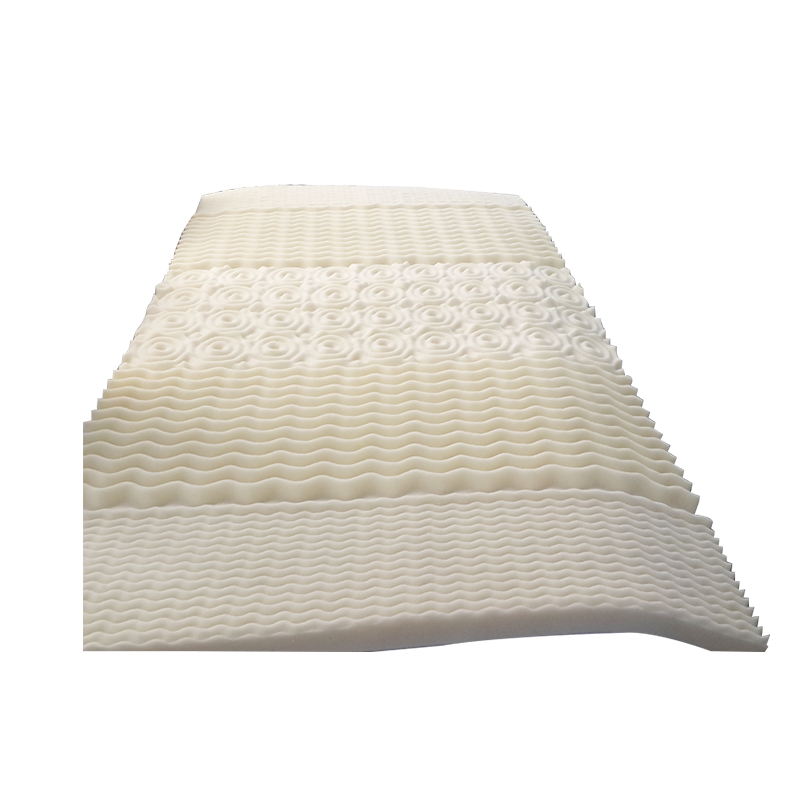 Five-Zone Memory Foam Mattress Topper with Removable CoverIt offers targeted support to different body parts through its five-zone design, and its embossed top layer improves airflow for a cooler sleep. The removable, machine-washable cover simplifies maintenance, making it a practical choice for deep cleaning.View Product →
How to Deep Clean a Foam Mattress Pad with Baking Soda and Vinegar
Deep cleaning is different from spot cleaning. A deep clean removes embedded dust, dust mites, allergens, and odors that spot cleaning cannot reach. The recommended frequency for deep cleaning is every 2 to 3 months, or every month if you sleep with pets, have allergies, or sweat heavily during sleep.
The Baking Soda Deodorizing Method
Baking soda is the most reliable natural deodorizer for memory foam. It works by absorbing volatile odor compounds and drawing moisture out of the foam cells through osmosis. Here is the exact process:
- Strip the bed and remove the foam pad from the mattress. Place it on a clean, flat surface such as a large table or a clean floor covered with a sheet.
- Sprinkle a generous layer of baking soda over the entire surface. Use approximately 1 to 2 cups depending on the size of your pad.
- Work the powder gently into the foam with your palms in slow circular motions. Do not rub aggressively; baking soda is mildly abrasive and harsh rubbing can scuff the surface.
- Let the powder sit for at least 2 hours. For the best results, leave it overnight. During this time, the baking soda absorbs moisture, neutralizes acids, and captures trapped odor molecules.
- Vacuum the pad thoroughly with the upholstery attachment. Go over each area slowly two or three times. All the powder must be removed, as leftover baking soda can feel gritty and accelerate surface wear.
The Vinegar Steam Approach
If you own a fabric steamer, you can use it on a low heat setting to sanitize the surface of a dense memory foam pad. Keep the nozzle at least 15 cm away from the surface, move continuously, and never let one spot get wet. Immediately blot any condensation with a dry towel. Steam cleaning is an advanced method and should only be attempted on foam pads that have a relatively dense structure, not on soft, low-density foam.
Pro tip: A high-quality foam mattress pad with a dense, open-cell structure and a removable cover is significantly easier to deep clean and will retain its shape for much longer. When shopping, look for a pad with higher density, which translates to better air circulation and less moisture trapping.
How to Dry a Foam Mattress Pad Without Damaging It
Drying is where most people accidentally destroy a foam mattress pad. When you apply direct heat to wet foam, the outer layer dries rapidly while the inside remains damp. This creates a hard, crusty shell on the surface and traps moisture in the core, breeding mold.
Never use a tumble dryer, hair dryer, radiator, or any direct heat source to dry a foam mattress pad. The safest and most effective drying method is continuous air circulation at room temperature.
Step-by-Step Drying Guide
- Lay the pad flat on a clothes drying rack, a large clean table, or a dry flat surface outdoors.
- Position a fan directly toward the pad. Continuous air movement is the single most effective way to speed up drying.
- Flip the pad every 2 hours so both sides receive equal airflow. If you are drying it indoors, keep the window open if possible.
- Check the center of the pad with the palm of your hand. If it feels cooler or heavier than the surrounding air, moisture is still trapped inside.
- If drying outdoors, bring the pad inside before the evening dew settles. Direct sunlight should be avoided; UV rays degrade polyurethane foam and shorten its lifespan.
The most reliable way to confirm that a foam pad is completely dry is to press your palm firmly into its center for 5 seconds. If it feels cool, clammy, or heavier than expected, it still has moisture inside and needs more drying time.
How Often Should You Wash or Clean a Foam Mattress Pad?
This is one of the most common search questions that come along with "how to wash a foam mattress pad." The honest answer is that the frequency depends on your usage pattern, your sleeping environment, and whether you use a mattress protector underneath the pad.
The single easiest way to reduce your cleaning burden is to use a washable mattress protector underneath the foam pad. A good protector catches body oils, sweat, and allergens before they reach the foam. The protector can go into a regular washing machine, while the foam pad only needs occasional maintenance.
Common Mistakes That Ruin Foam Mattress Pads
When people search for "how to wash a foam mattress pad," they are often trying to fix a problem caused by one of these mistakes. Each error below has a clear reason why it damages the foam permanently.
Machine Washing the Pad
A saturated foam pad can weigh 20 to 30 pounds or more. The washing machine's drum rotates at 500 to 1,000 RPM during the spin cycle, putting the full weight of the wet foam behind each rotation. No foam structure is designed to handle that kind of stress. The result is a permanently warped pad.
Using Bleach or Solvent-Based Cleaners
Bleach oxidizes polyurethane foam, causing it to turn yellow, become brittle, and crumble within weeks. Ammonia-based and solvent-based cleaners can melt the cell structure entirely. If a cleaner smells like strong chemicals, do not use it on a foam pad.
Soaking the Pad in Water
Some online guides recommend filling a bathtub with soapy water and soaking the pad. This is the worst thing you can do. Water penetrates to the center of the foam and takes weeks to fully evaporate, even if you think you pressed it out. During those weeks, mold and mildew multiply inside the pad.
Wringing or Twisting the Wet Pad
Twisting a wet foam pad to squeeze out water causes permanent deformation of the foam cells. The pad will not return to its original flat shape, and you will feel the difference every time you lie on it.
Using Direct Heat to Dry
Hair dryers, tumble dryers, and radiators all produce the same destructive result. The outer surface dries fast while the interior stays wet. This creates a hard, shriveled skin over a damp core. It can also be a fire hazard if a dryer is left running unattended.
Ignoring Stains for Too Long
The longer a stain sits, the deeper it penetrates into the open-cell foam structure. A fresh coffee spill can be removed in minutes. A dried, set-in stain from two weeks ago might never come out completely.
How to Keep Your Foam Mattress Pad Fresh Between Washes
You do not need to deep clean a foam pad every week to keep it fresh. A few simple habits will maintain a hygienic, comfortable sleeping surface with minimal effort.
Weekly Routine
- Vacuum the entire surface with the upholstery attachment. This removes dust, dust mites, and hair before they get embedded.
- Air out the pad by standing it upright or placing it in a well-ventilated room for a few hours. This lets trapped humidity escape.
- Wash the fitted sheet and mattress protector on a normal machine cycle. The protector does most of the work to keep the pad clean.
Monthly Routine
- Sprinkle baking soda over the pad, let it sit for 2 to 3 hours, then vacuum thoroughly. This absorbs odor-causing compounds and pulls out residual humidity.
- Inspect the surface for any new stains or damage. Spot clean them immediately before they set.
- Rotate the pad 180 degrees so that pressure is distributed evenly and you do not develop a permanent body impression in one area.
Foam pads made from higher-density memory foam tend to have better airflow and are less prone to trapping odors. For a deeper dive into the material science, see our article on how the breathability of a memory foam mattress can be improved. The same principles apply to mattress pads.
When to Replace a Foam Mattress Pad Instead of Washing It
No amount of cleaning can fix a foam pad whose internal structure has broken down. Cleaning only addresses surface dirt, bacteria, and odors. If you notice any of the following signs, the pad has reached the end of its useful life and should be replaced.
Signs That Indicate Replacement
- A permanent body indentation deeper than 2 cm that remains after you get up from the bed.
- A musty odor that returns within a few days after a thorough deep clean. This is a strong indicator of mold or mildew inside the foam.
- Crumbling or flaking foam along the edges or corners. This means the polyurethane is breaking down.
- Visible cracks or splits in the foam surface that widen when you press on them.
- The pad no longer provides support and you can feel the mattress or bed frame directly beneath you when lying down.
The average lifespan of a high-quality foam mattress pad is 7 to 10 years with regular maintenance. Lower-density pads, or pads that are used without a protector, often need to be replaced after 3 to 5 years because the foam cells compress and lose resilience.
If you are looking for a replacement, remember that a pad with a zippered removable cover gives you the biggest maintenance advantage. You can take the cover off and machine wash it separately, which means the foam underneath only needs spot cleaning and periodic vacuuming.
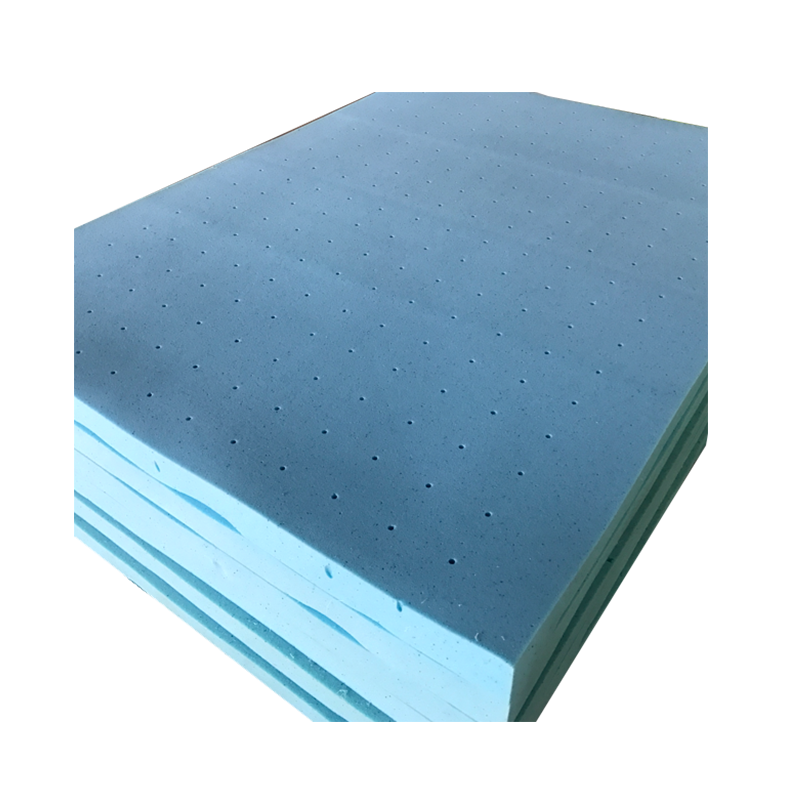 Customizable Memory Foam Mattress Topper with Removable CoverMade from MDI memory foam, this topper contours to your body, relieving pressure on shoulders, back, and waist. Its removable cover allows easy washing, and it comes in any size for a personalized fit.View Product →
Frequently Asked Questions About Washing Foam Mattress Pads
Can I wash a foam mattress pad in a washing machine?
No. The foam absorbs too much water, becomes extremely heavy, and is damaged by the agitation and spin cycles. Use spot cleaning and air drying methods instead to preserve the foam for many years.
How long does a foam mattress pad take to dry?
A spot-cleaned pad with airflow will dry in about 24 to 36 hours at room temperature. A heavily moistened pad can take 72 hours or more, and in humid environments (above 70 percent relative humidity), it can take up to a week. Always check the center of the pad for cold or clammy spots before putting it back on the bed.
Can I steam clean a foam mattress pad?
Yes, but only with a fabric steamer set to low heat, kept at least 15 cm away from the surface, and moved continuously. Do not let the pad become wet. Immediately blot any condensation and allow it to air dry fully.
What is the best cleaner for a foam mattress pad?
Mild liquid dish soap mixed with cold water is the safest general-purpose cleaner. For odor removal, use a 1:1 mixture of white vinegar and cold water. Avoid bleach, ammonia, hydrogen peroxide, and commercial solvent-based upholstery cleaners.
How do I remove yellow stains from a foam mattress pad?
Yellow stains usually come from body oils and sweat that have oxidized over time. You can try a very diluted hydrogen peroxide solution mixed at 1 part peroxide to 10 parts cold water. Test it on a hidden corner first. Blot, rinse with water, and air dry. Do not use hydrogen peroxide on colored foam.
Is baking soda safe for a foam mattress pad?
Yes, baking soda is safe and highly effective for deodorizing foam. Sprinkle it over the surface, let it sit for at least 2 hours, then vacuum thoroughly. Never use baking soda as a scrub, since it is mildly abrasive and can scuff the foam if rubbed in hard.
What happens if a foam mattress pad gets wet?
If the pad gets soaked, move it to a well-ventilated area immediately, position a fan directly at it, and do not use any direct heat. The foam will absorb the water, so expect an extended drying time. If you see dark spotting or smell a musty odor during drying, the moisture has created mold and the pad should be replaced.
Can a foam mattress pad be dry cleaned?
Most dry cleaners will not accept a foam mattress pad because the dry-cleaning solvents can permanently damage polyurethane foam. Stick to spot cleaning and vacuuming at home.
Final Care Summary: The Bottom Line
To wrap everything up into one simple conclusion: wash a foam mattress pad by spot cleaning with mild soap, vacuuming it regularly with an upholstery attachment, deodorizing it with baking soda, and letting it air dry fully. Never machine wash, wring, or apply direct heat to a foam pad.
Consistency beats intensity. A quick vacuum every week and a baking soda refresh every month will do far more for your foam mattress pad than an occasional aggressive deep clean. If you pair your pad with a washable mattress protector, most of the maintenance stays on the protector, which you can wash in a normal machine cycle.
A well-made foam pad with a removable cover is the smartest choice for anyone who wants a clean, healthy sleeping surface without spending every weekend on maintenance. The right material, the right structure, and the right care habits will give you 7 to 10 years of comfortable, fresh sleep.
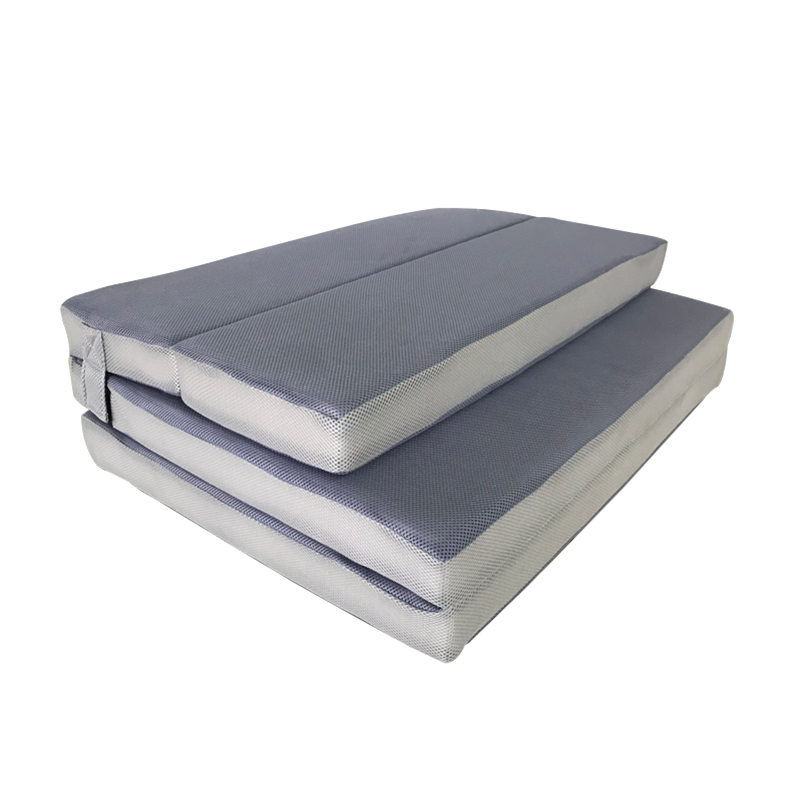 Foldable Memory Foam Mattress Topper for Multi-Purpose UseThis foldable topper saves space and doubles as a sofa, making it suitable for homes, camping, or small apartments. Its memory foam adapts to your body, reducing pressure points, and it can be customized to any size.View Product →