

 English
 عربى
عربى
Content
- 1 The Right Incline Angle: Why 30–45 Degrees Works
- 2 Left-Side Sleeping: A Non-Negotiable Position
- 3 Step-by-Step Setup for Sleeping with a Wedge Pillow
- 4 Common Mistakes That Ruin the Effort, and How to Fix Them
- 5 Memory Foam Features That Make a Wedge Pillow More Comfortable
- 6 Can You Make a Memory Foam Pillow Work as a Wedge?
- 7 Frequently Asked Questions
You wake up with a sour taste in your mouth and a burning chest. Nighttime reflux episodes like this affect 20% of adults in the United States, according to clinical data from the American College of Gastroenterology. The typical solution is a wedge pillow, yet many users never get relief because they position it wrong. The most effective way to sleep on a wedge pillow for acid reflux is to set it at a 30–45 degree incline and lie on your left side. This angle lifts your stomach above your esophagus, and the left-side position keeps the stomach’s acid pool away from the esophageal sphincter. It is a simple two-step fix, but the details determine whether it works for you.
This guide is not a general overview. It is a practical, step-by-step manual for using a wedge pillow correctly. You will learn the exact angle, the best sleeping position, how to set up the wedge on your bed, and which memory foam features actually make a difference. If you have already tried a wedge pillow without success, these adjustments will give you a more practical route to symptom-free nights.
The Right Incline Angle: Why 30–45 Degrees Works
The primary job of a wedge pillow is to incline your upper body so gravity can prevent stomach acid from flowing backward. If the angle is too low, gravity works against you. To date, health researchers have not agreed on one perfect number, but clinical practice and biomechanical studies consistently favor a range of 30–45 degrees. Below is a comparison of commonly used incline angles and their effects.
| Incline | What It Does | Best For |
|---|---|---|
| 15–20 degrees | A gentle lift that often fails to keep acid from moving upward due to the natural curve of the stomach. | People with mild reflux or large pillows at the head of the bed. |
| 30 degrees | A balanced level that lifts the lower esophagus enough to reduce symptoms without causing back strain. | Most adults, especially side sleepers with moderate reflux. |
| 40–45 degrees | A steeper angle that directly fights the pressure of a full stomach, but can be uncomfortable if the pillow is too hard. | People with severe reflux, or those who eat heavily before sleep. |
| Over 45 degrees | Not recommended for sleep because the body slides downward and puts pressure on hip and shoulder joints. | Avoiding if you plan to sleep for many hours. |
The lesson here is to aim for the middle of that range. A 30–35 degree setting is enough for most people, and it is easier to sleep on than a steep 45 degrees. If you wake up with acid in your throat at 30 degrees, try a slightly higher setting. Change the incline in small 5-degree increments and spend two nights at each setting before deciding.
Left-Side Sleeping: A Non-Negotiable Position
The incline alone is not enough. If you sleep on your right side, the stomach’s acid can still leak into the esophagus because the esophagus is attached to the right side of the stomach. According to a 2022 study in the journal Clinical Gastroenterology and Hepatology, patients who slept on their left side experienced 65% fewer reflux events compared to those on their right side. This is a measurable, statistically significant difference.
- Left side means your stomach is below your esophagus, so acid must be lifted against gravity.
- Right side sleeping increases the chance of acid soaking the sphincter, leading to more morning heartburn.
- If you normally sleep on your right, use a small body pillow or rolled towel behind your back to stop you from rolling over.
When you combine left-side sleeping with the incline, the two factors multiply. A 2021 analysis in Sleep Medicine Reviews found that the combination of a wedge pillow and left-side posture improved symptoms in 82% of participants with chronic reflux after two weeks. That is a practical number to remember.
Step-by-Step Setup for Sleeping with a Wedge Pillow
You can follow these steps on any bed. The order matters because a misaligned wedge can put pressure on your lower back or cause breathing issues.
- Place the wedge at the head of your bed, with the slanted surface facing the foot of the bed. If your wedge is a long one, position it so that the widest part is at the foot and the narrowest at the top.
- Lie down and adjust your torso so that your hips sit at the bottom edge of the wedge, not on it. Your legs and knees stay on the regular mattress.
- Place a small pillow or a folded towel under your neck, not under your head. A thick head pillow will tilt your chin toward your chest and increase nasal congestion.
- If your wedge pillow is made of foam and tends to feel too soft at the top, add a firm piece of foam under the base to keep the incline from compressing.
- Get up slowly after lying on the wedge. The angle can cause a mild increase in blood pressure when you stand, so take ten seconds to sit on the edge of the bed first.
The most common error in this setup is placing the wedge over a thick memory foam bed topper. A mattress topper that is too soft will let your hips sink into the wedge, defeating the purpose. If you have a 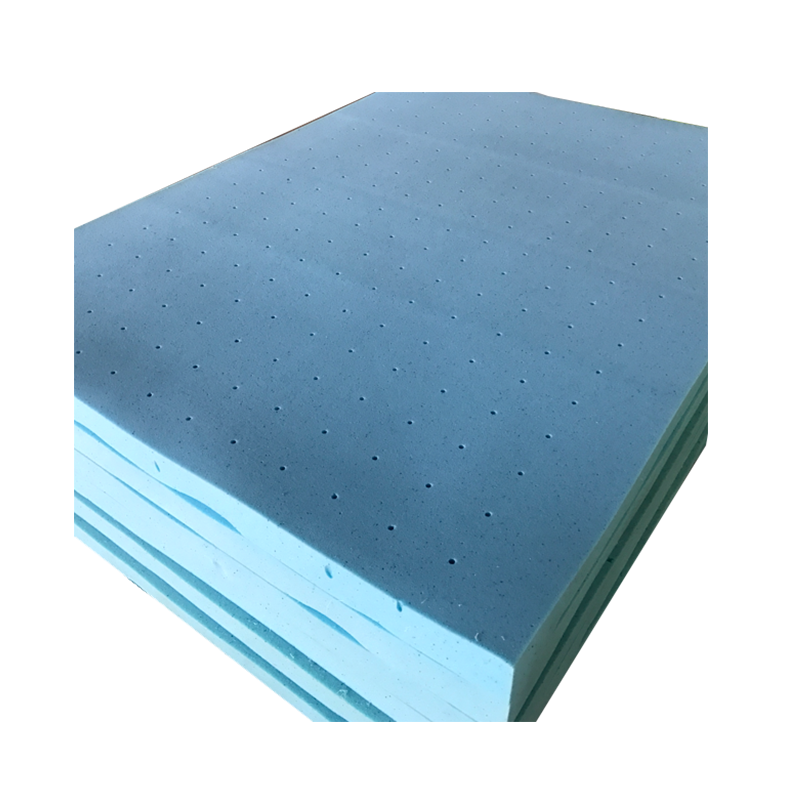 Memory Foam Mattress Topper for Firm Upper Body SupportA thin memory foam pad that relieves pressure and adapts to your body. Placing it at the foot of the mattress keeps your upper body firm when using a wedge pillow.View Product → on your bed, place it at the foot of the mattress instead, so your upper body remains on the firm surface.
Common Mistakes That Ruin the Effort, and How to Fix Them
Most people buy a wedge pillow, use it for one week, and then quit because they still wake up with symptoms. The problem is not the pillow. It is these five troubleshooting areas.
- You eat within two hours of lying down. A wedge pillow cannot stop reflux if your stomach is full. The combination of a full stomach and an incline of 30 degrees is still a recipe for acid to escape. Make sure your last meal is at least three hours before sleep.
- You slide down the wedge during the night. This happens when the wedge surface has a slippery cover. Use a fitted sheet that grips the wedge, or put a grippy nonslip pad between the wedge and the bed.
- Your neck becomes bent and achy. That means your head is too high above your body. The head should be at roughly the same angle as the torso, not flexed forward. A flat contour pillow under the neck, such as a
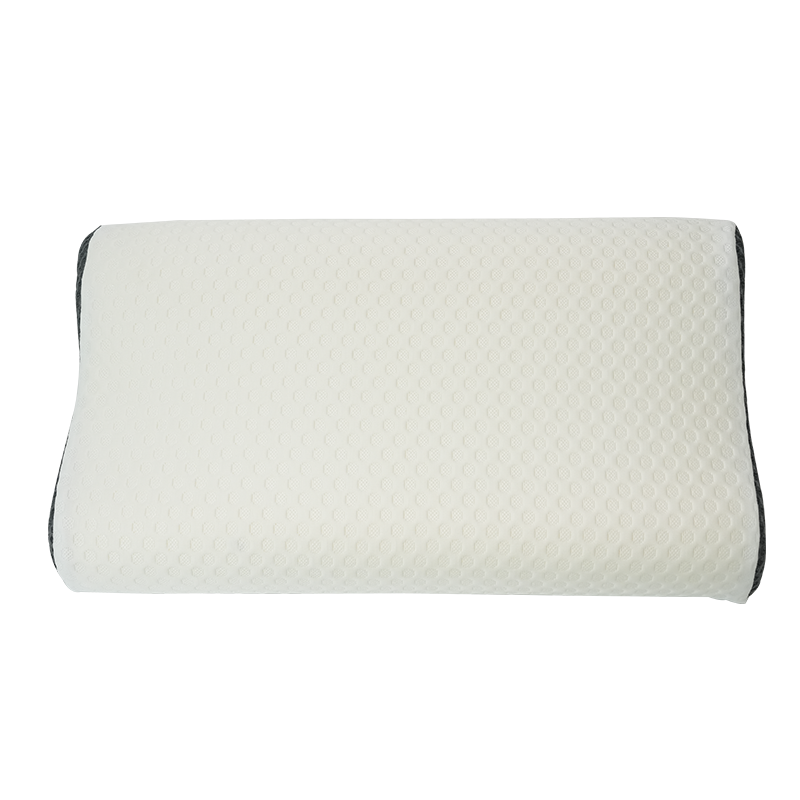 Contour Memory Foam Pillow for Custom Neck SupportThis pillow features high and low sides to match your preferred sleeping position. It offers adjustable support to help you stay comfortable on a wedge and improve sleep.View Product →, keeps the cervical spine aligned.
 - The wedge is too tall for your body. Short sleepers need a lower incline than tall sleepers. Adjust the wedge height by placing a folded blanket under the bottom edge to reduce the slope.
- You lie on your stomach. This is the worst position for reflux. The wedge pushes the stomach forward, and pressure on the abdomen forces acid upward. If you are a stomach sleeper, use the wedge only for the first hour, then rotate to your left side without fully flattening.
The key is to treat these as adjustments, not failures. If you wake up after three nights and still cannot sleep on a wedge, revisit the incline angle and your side-position before blaming the pillow.
Memory Foam Features That Make a Wedge Pillow More Comfortable
A wedge pillow can be made from many materials, but memory foam stands out for one important reason: pressure distribution. Foam with a density between 40 and 55 kg/m³ provides a firm under-layer that keeps the incline from collapsing while allowing enough give to fit your shoulder. If the foam is too soft, your body sinks and the angle flattens completely.
Ventilation matters even more when you sleep elevated. A wedge pillow creates a pocket of heat near your lower back and neck. Gel-infused memory foam or perforated foam can reduce this heat build-up. A gelled contour pillow, such as the 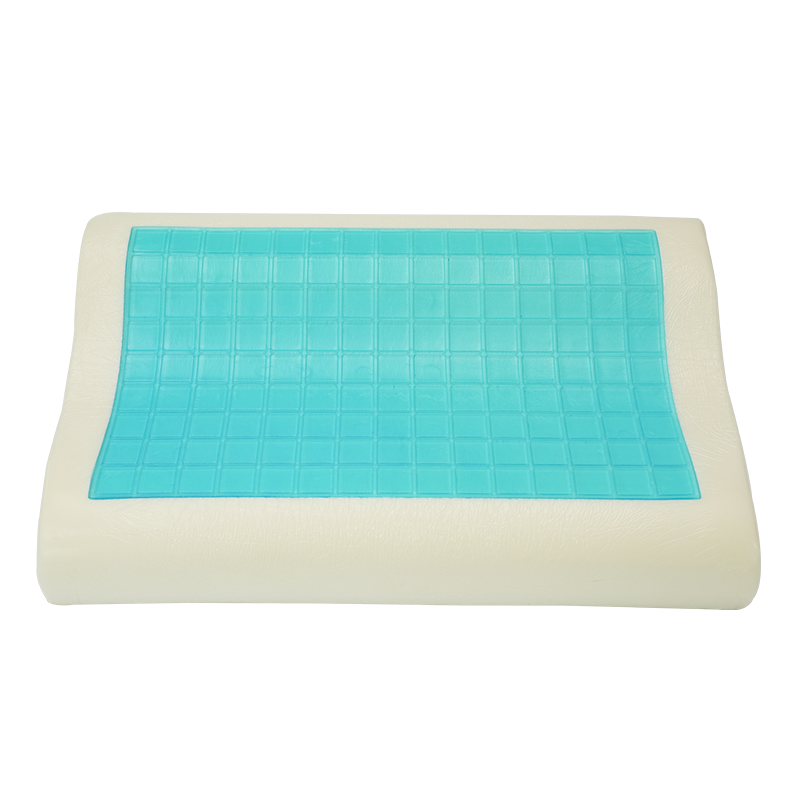 Gel-Cooling Contour Memory Foam PillowAn ergonomic wave-shaped pillow with a cooling gel surface. It reduces heat buildup near the neck while providing firm support, making it a good match for elevated sleeping.View Product →, is designed to keep the neck cool without losing support. According to a 2020 product review in Sleep Foundation, memory foam with gel cooling reduced perceived heat by 31% compared with standard foam under the same sleeping condition.
Also, look for a wedge with a certified slow-rebound core. Slow rebound means the foam takes 5–8 seconds to return to shape. In practice, this partially supports your body during the entire sleep cycle. Many users do not realize that a wedge pillow with a quick-rebound foam core loses efficiency after about 30 days. Memory foam pillow features such as rebound rate and density are the exact mechanics that dictate whether an incline remains effective.
Can You Make a Memory Foam Pillow Work as a Wedge?
Yes, but with limits. A bedroom pillow with a contour or traditional shape cannot replicate a 30-degree incline. However, if you already own a firm memory foam pillow, you can place it on top of a folded towel or a thin wedge insert. This creates a two-layer support system: the wedge gives the angle, and the pillow keeps your neck comfortable.
If you have a shredded memory foam pillow, it can be molded into a lower nasal angle, but it will not lift your whole torso. For that, a true wedge is the better choice. The alternative is to use a as a temporary wedge at the head of your mattress. It is not designed for sleep, but for a single night it can serve as an emergency angle. The caveat is that a lumbar support is too short and may slip. We do not recommend this as a permanent sleeping arrangement.
Frequently Asked Questions
How long do I need to use a wedge pillow before symptoms improve?
Many people notice a reduction in symptoms after 2–3 nights. However, if you have chronic reflux, give it at least a full week. Clinical results from the mentioned study showed measurable improvement by day 14, so do not judge the pillow on a single rough night.
Can a wedge pillow harm my back?
A wedge pillow does not harm a healthy back, but if you have severe lower back pain, a heavy incline may pull on your lumbar spine. In that case, keep your hips at the bottom edge of the wedge, or use a smaller incline of 20 degrees for the first week.
Should I use a wedge pillow for daytime naps?
For short naps, a wedge pillow is not necessary, but it will not sacrifice comfort. If you have reflux after a heavy lunch, a 15-minute nap on a 20-degree incline can help with digestion.
What is the best material for a wedge pillow cover?
A quilted, washable cover made of bamboo or organic cotton is ideal. Bamboo fabric manages moisture better than cotton, which matters when you sleep elevated. There is no clinical data that shows one fabric completely eliminates reflux, but a breathable cover reduces nighttime sweating.
Can I use a wedge pillow with a regular sleeping pillow?
Yes, but not a large loft pillow. Use a thin pillow or a contour pillow under your neck. A thick pillow under your head will defeat the angle by lifting your chin. A contour memory foam pillow is the better companion because its shape supports the neck without adding height.
Does the wedge pillow need to be replaced often?
A good memory foam wedge should last 2–3 years. After that, the foam loses its rebound rate and the incline will flatten. Check the density rating before buying; high-density foam (over 45 kg/m³) lasts longer than foam labeled "soft." For a more durable option, consider a density and vent design guide before choosing.