

 English
 عربى
عربى
Content
- 1 The Direct Answer: Stop Eating 2 to 3 Hours Before Bed
- 2 Why the Gap Between Eating and Sleeping Matters
- 3 The 1-2-3-4 Hour Framework by Meal Type
- 4 Digestion Time by Food Category
- 5 What Actually Happens When You Eat Too Close to Bedtime
- 6 Foods That Support an Easy Wind-Down
- 7 Building an Evening Routine Around the Eating Cutoff
- 8 Why the Sleep Surface Matters Alongside Meal Timing
- 9 Special Situations Worth Planning Around
- 10 The Hormones That Connect Eating Time to Sleep Quality
- 11 How the Ideal Cutoff Shifts With Age and Lifestyle
- 12 Finding Your Own Personal Cutoff Through Self-Tracking
- 13 Myths About Eating and Sleep Timing, Addressed
- 14 A Quick Pre-Bed Checklist
- 15 Common Mistakes That Undo Good Timing
- 16 Frequently Asked Questions
- 16.1 Is it ever fine to eat right before bed?
- 16.2 Does eating late actually cause weight gain?
- 16.3 What if I get hungry right before bed after following the cutoff?
- 16.4 Does drinking water before bed count toward this rule?
- 16.5 Why does a late meal cause vivid dreams for some people?
- 16.6 Can the mattress or pillow reduce the effects of eating late?
- 16.7 Does this cutoff apply the same way to children?
- 16.8 Is it better to eat a small dinner early or a bigger dinner earlier in the afternoon?
- 16.9 Does caffeine timing matter as much as meal timing?
- 16.10 What is the difference between the eating cutoff and intermittent fasting?
- 16.11 Why does a late meal sometimes cause night sweats?
- 16.12 Should the eating cutoff change on travel days or when time zones shift?
- 16.13 Does the type of cooking method matter as much as the ingredient itself?
The Direct Answer: Stop Eating 2 to 3 Hours Before Bed
Most sleep researchers and gastroenterologists agree on a working rule: the last full meal should end two to three hours before lights out, and heavier or fatty meals may need closer to four hours to clear the stomach. This window gives the stomach time to empty roughly 50 to 75 percent of its contents, which lowers the odds of reflux, bloating, and the restless tossing that comes with a body still busy digesting instead of winding down.
A light snack is a different story. Something small, low in fat, and easy to digest can sit comfortably within 30 to 60 minutes of bedtime without causing trouble for most people. The rest of this guide breaks down why timing matters, how it changes by meal size and food type, and how the rest of the bedroom environment, including the mattress and pillow underneath you, plays into how well that digestion process settles down.
This guide covers the science behind the cutoff, a breakdown by meal type and food category, a full evening schedule, food choices that help or hurt, hormonal factors that shift the ideal window from person to person, how age and lifestyle change the picture, a self-tracking method for finding a personal cutoff, common myths, and a detailed FAQ section addressing the questions people ask most often about eating and sleep timing.
Why the Gap Between Eating and Sleeping Matters
Digestion is an active, energy-consuming process. When food enters the stomach, acid production rises, the stomach muscles contract to break the meal down, and blood flow shifts toward the digestive tract. Lying flat while this is still underway makes it easier for stomach acid to travel backward into the esophagus, a mechanism behind the burning sensation many people call heartburn. A study published in the American Journal of Gastroenterology found that eating within three hours of lying down was associated with a measurably higher rate of nighttime reflux symptoms compared with eating earlier in the evening.
There is also a body temperature angle. Core body temperature needs to drop slightly for the brain to release melatonin and initiate deep sleep. Digestion raises metabolic activity and, with it, body temperature, which works against that natural cooling signal. This is one reason a heavy meal close to bedtime can leave someone feeling tired yet unable to fall asleep quickly.
Blood sugar swings add a third factor. A large or carbohydrate-heavy meal eaten late can cause a spike in blood glucose followed by a drop several hours later. That drop can trigger a stress hormone response that pulls a sleeping person out of deep sleep stages, often without them consciously waking up but leaving them feeling less rested in the morning.
A fourth factor is the movement of the gut itself. The stomach and intestines are most active in a coordinated wave-like motion called the migrating motor complex, which cycles roughly every 90 to 120 minutes when the stomach is empty. Eating resets this cycle and keeps the gut in active digestion mode rather than the quieter housekeeping mode it shifts into between meals. Going to bed while this active phase is still running is part of why a late meal can leave someone aware of their stomach working long after they close their eyes.
Circadian biology plays a role too. The digestive system has its own internal clock, and enzyme production, gut motility, and insulin sensitivity all tend to slow in the hours leading up to a person's usual sleep time. A meal eaten against this rhythm, meaning very close to or after the body's expected wind-down period, is processed less efficiently than the same meal eaten several hours earlier, which is part of why identical meals can feel very different depending on when they are eaten.
The 1-2-3-4 Hour Framework by Meal Type
Not every meal needs the same buffer. The amount of time food spends in the stomach depends heavily on its fat, protein, and fiber content. Below is a practical breakdown that sleep clinics and dietitians commonly reference when advising patients on evening eating windows.
Light snacks (under 200 calories)
A small handful of nuts, a few crackers, or a small banana can be eaten 30 to 60 minutes before bed for most people without issue, since these clear the stomach quickly and place minimal demand on digestion.
Moderate meals (soups, salads, lean protein)
A moderate meal built around lean protein, vegetables, and modest carbohydrates typically needs a 2 hour buffer to move out of the stomach and into the small intestine.
Heavy or fatty meals (fried food, rich sauces, red meat)
Fat slows gastric emptying more than any other macronutrient, so a rich or fried meal is best finished 3 to 4 hours before lying down. Spicy dishes deserve the same buffer, since capsaicin can relax the lower esophageal sphincter and make reflux more likely on a full stomach.
Digestion Time by Food Category
The table below lists approximate gastric emptying windows for common food groups, compiled from digestive physiology references used in clinical nutrition training. Individual digestion speed varies with age, metabolism, and gut health, so treat these as general planning figures rather than fixed rules.
| Food Category | Example | Approximate Digestion Time |
|---|---|---|
| Water and clear liquids | Herbal tea, broth | 10 to 20 minutes |
| Fruit | Banana, berries | 30 to 60 minutes |
| Vegetables | Steamed greens, salad | 1 to 2 hours |
| Starches and grains | Rice, pasta, bread | 2 hours |
| Lean protein | Chicken breast, fish | 2 to 3 hours |
| Red meat | Beef, pork | 3 to 4 hours |
| Fried or high fat food | Fried chicken, creamy sauces | 4 hours or more |
What Actually Happens When You Eat Too Close to Bedtime
- Delayed sleep onset - a full stomach keeps core temperature and metabolic rate elevated, which pushes back the natural drop needed to fall asleep.
- More nighttime waking - blood sugar swings and active digestion both increase the odds of waking between sleep cycles.
- Acid reflux and heartburn - lying flat with a full stomach makes it physically easier for stomach acid to move up the esophagus.
- Reduced deep sleep - research from sleep laboratories has linked late heavy meals with a shorter proportion of slow wave sleep, the stage most tied to physical recovery.
- Morning grogginess - a body that spent the early night digesting instead of resting often reports feeling less refreshed on waking, independent of total hours slept.
Foods That Support an Easy Wind-Down
If a snack close to bed is unavoidable, some choices sit far more comfortably in the stomach than others. The list below groups options that are generally easy to digest and unlikely to interfere with settling down for the night.
Gentle options within an hour of bed
- A small bowl of oatmeal made with water rather than cream
- A few slices of turkey or a boiled egg, which supply tryptophan without heavy fat
- A small serving of plain yogurt
- A handful of almonds or walnuts, kept to a small portion since nuts are calorie dense
- Herbal tea without caffeine, such as chamomile
Choices best saved for earlier in the day
- Fried or greasy takeout
- Large portions of red meat
- Citrus fruit and tomato-based sauces, both of which are acidic and can worsen reflux
- Chocolate and caffeinated drinks, since both contain stimulants that delay sleep onset
- Carbonated beverages, which can cause bloating while lying flat
Building an Evening Routine Around the Eating Cutoff
Meal timing works best as one piece of a full wind-down sequence rather than an isolated rule. A sample schedule for someone going to bed at 10:30 PM might look like this:
| Time | Activity |
|---|---|
| 6:30 PM | Dinner, ideally moderate in fat and portion size |
| 8:30 PM | Screens dimmed, light stretching or a short walk |
| 9:15 PM | Optional light snack if genuinely hungry |
| 9:45 PM | Warm shower, room temperature lowered |
| 10:15 PM | Lights out, settling into the mattress and pillow |
The last step matters more than it looks. Even with perfect meal timing, a sleep surface that traps heat or fails to support the spine can undo the benefit. This is where the physical setup of the bed comes into the conversation, since digestion and sleep posture interact more than most people expect.
Why the Sleep Surface Matters Alongside Meal Timing
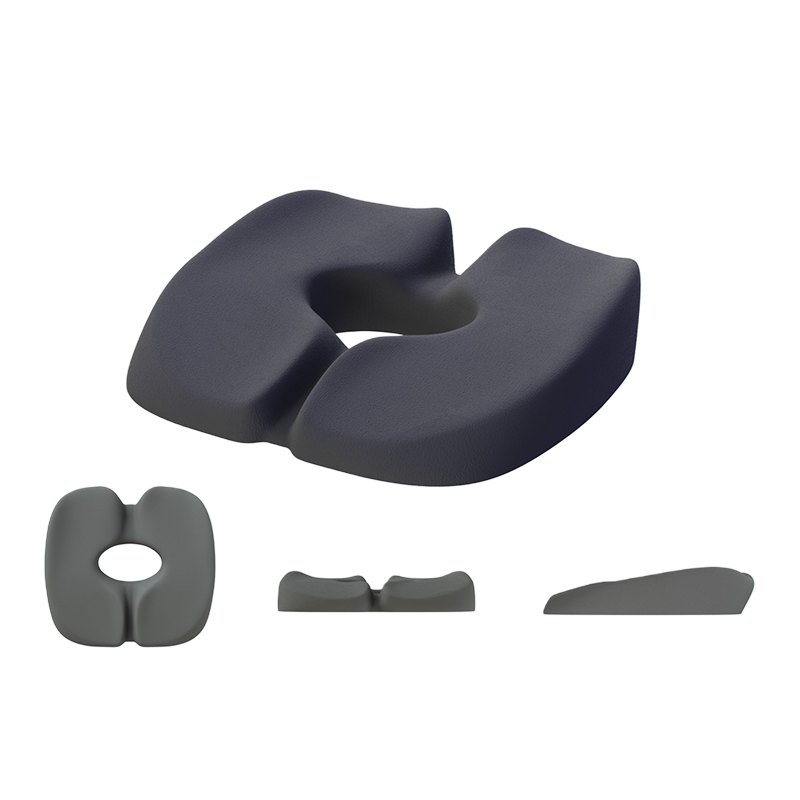
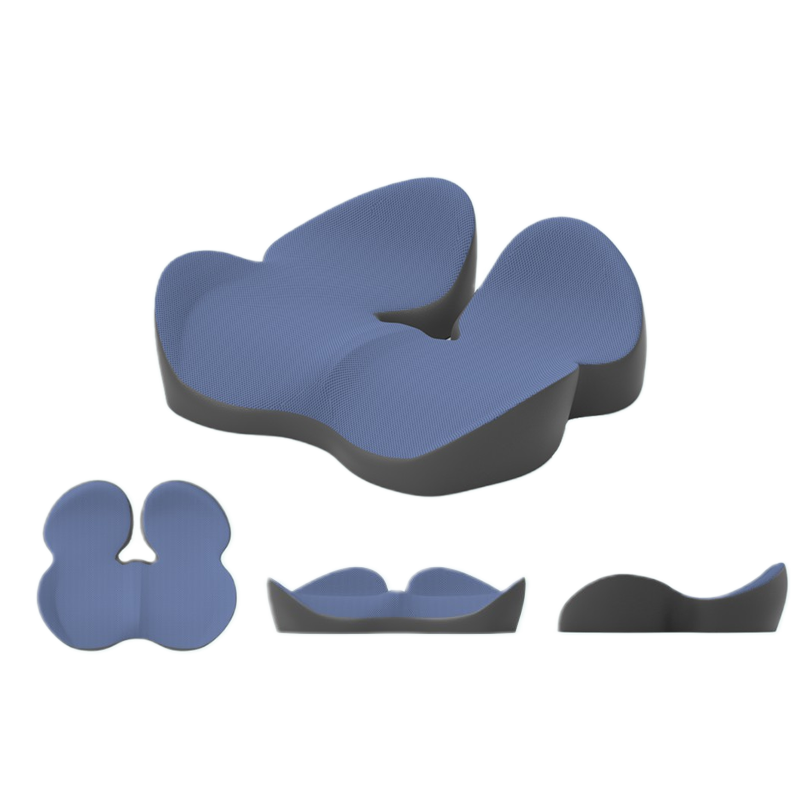
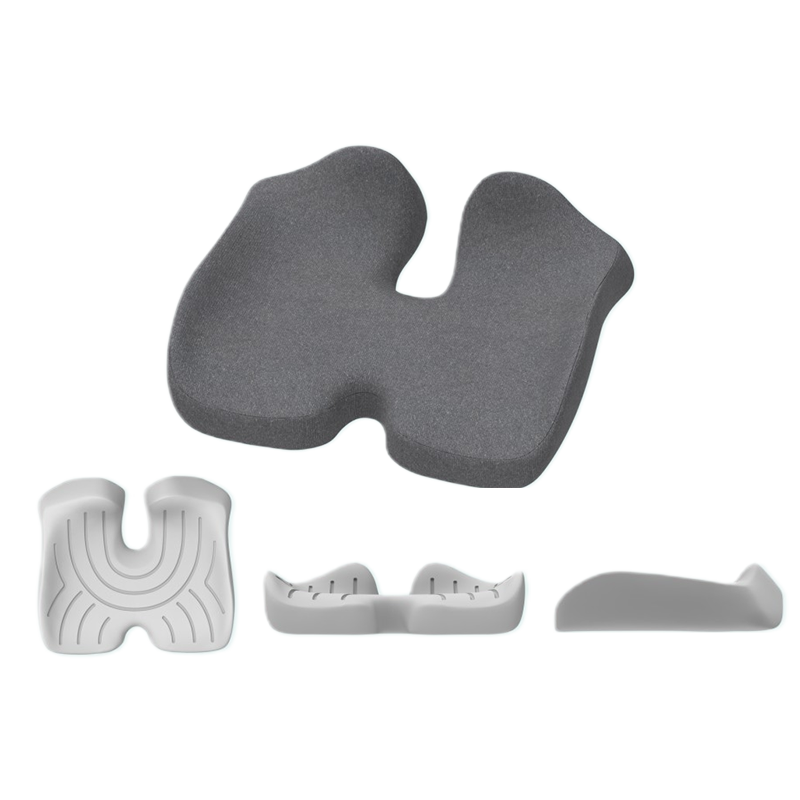
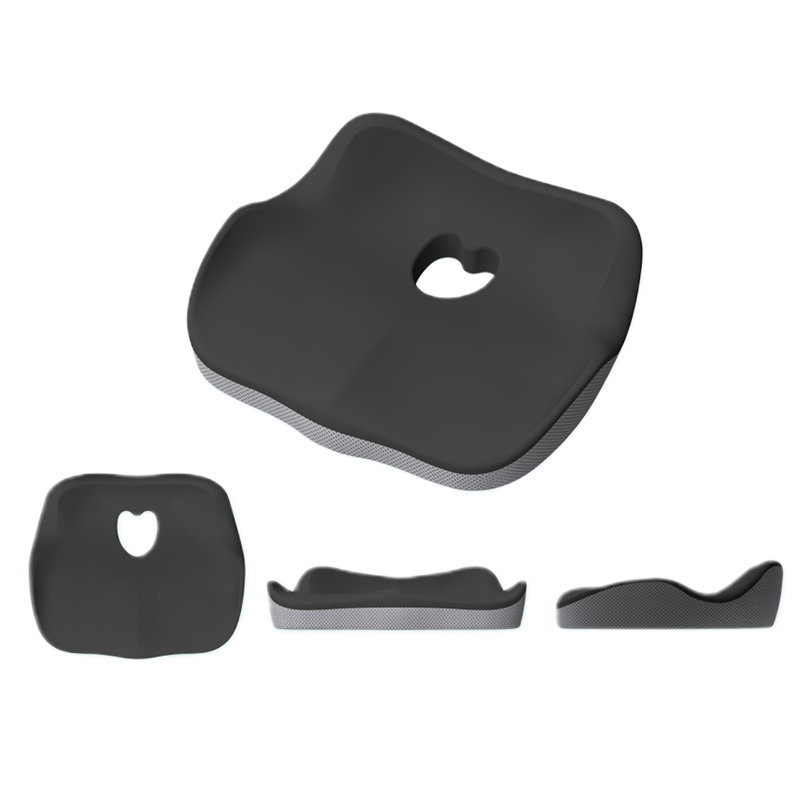
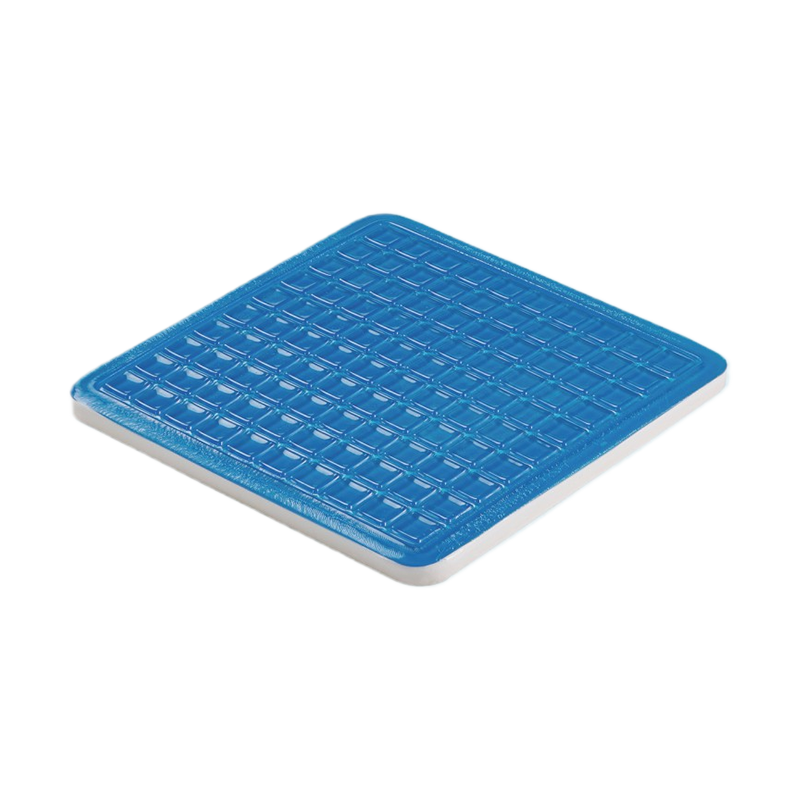
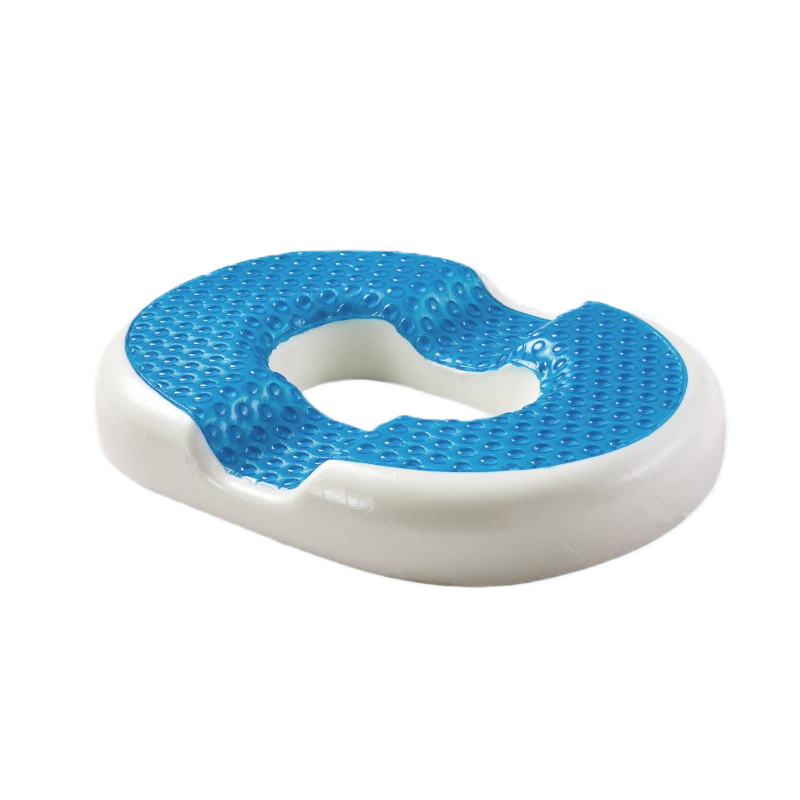
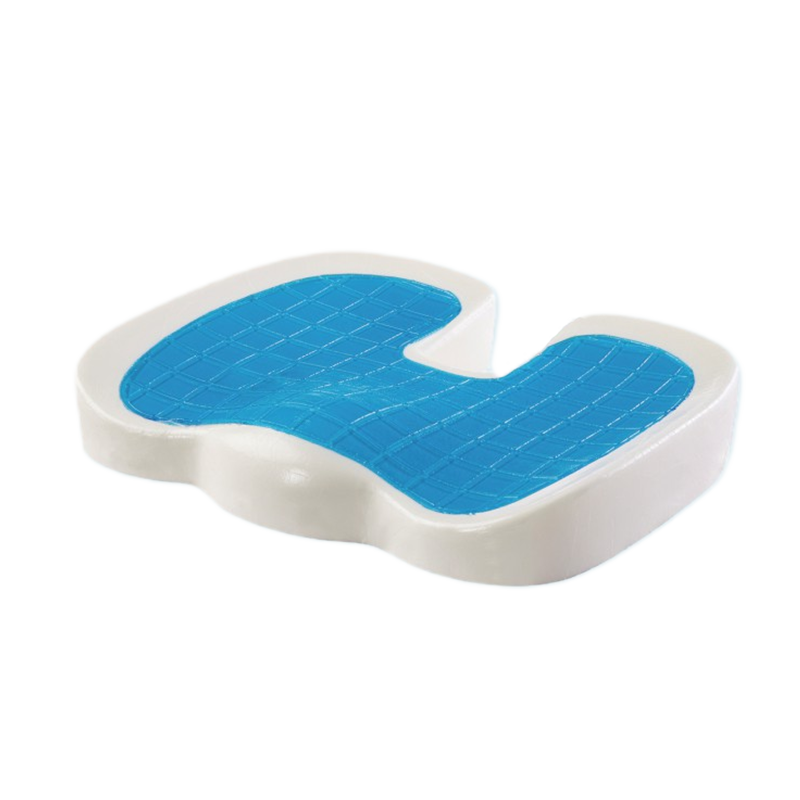
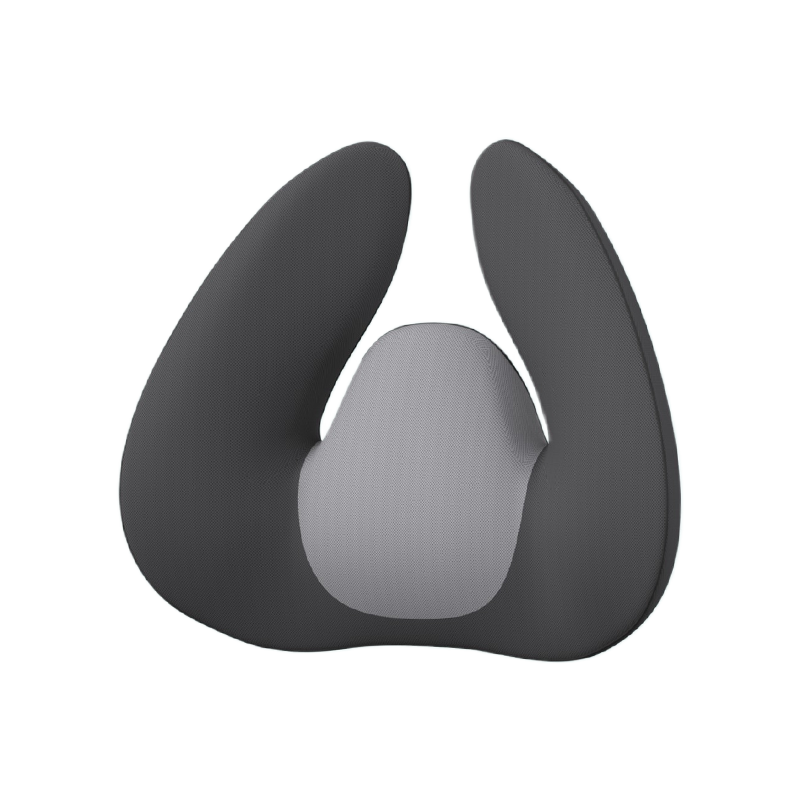
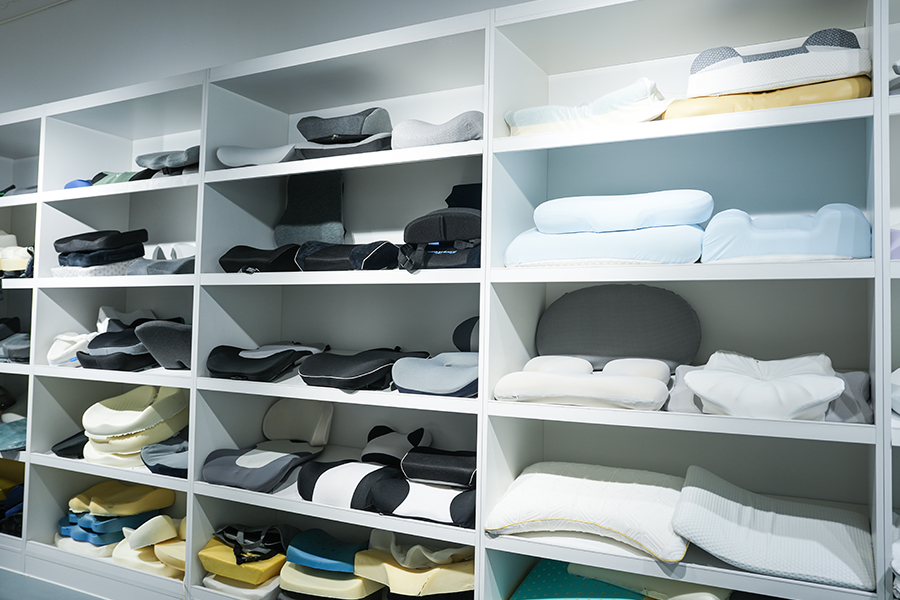
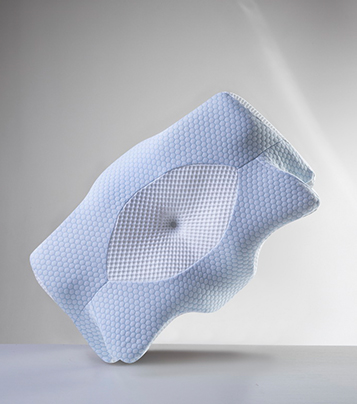
A body that is still digesting benefits from a sleep position that keeps the upper body slightly elevated and the spine supported, since flat pressure on a full stomach makes reflux more likely. This is one reason many people who eat later in the evening find that upgrading to Space Memory Foam Products makes a noticeable difference in how comfortably they settle down. Memory foam contours to the shape of the body rather than pushing back against it, which reduces the pressure points that cause tossing and turning while the digestive system is still working.
Temperature regulation is the other half of the equation. Since digestion raises core body temperature slightly, a mattress or pillow that traps heat compounds the problem and can delay the drop in temperature the body needs to enter deep sleep. Modern memory foam sleep products built with open-cell or gel-infused foam address this by allowing more airflow through the material, so the surface underneath does not add extra heat on top of what digestion is already generating.
A supportive pillow also plays a direct role for anyone prone to reflux after eating late. Elevating the head and shoulders by even a few extra centimeters can reduce the backward flow of stomach acid, which is why a contoured memory foam pillow is often recommended alongside the two to three hour eating cutoff rather than as a separate, unrelated fix.
Spinal alignment is worth mentioning separately from digestion, because the two interact more than people expect. When the lower back or hips are not properly supported, the body tends to shift position frequently through the night, and each shift briefly increases abdominal pressure. On a full stomach, that added pressure is exactly the kind of movement that can push acid upward. A mattress that keeps the spine in a neutral line reduces how often this kind of repositioning happens, which indirectly reduces reflux episodes even though the mattress itself has nothing to do with digestion chemistry.
For anyone rebuilding their evening routine around a firmer eating cutoff, it is worth treating the mattress and pillow as part of the same plan rather than an afterthought. A body that is finishing digestion needs a stable, cool, well-supported surface to settle into, and pairing consistent meal timing with a well-chosen memory foam setup tends to produce a more noticeable improvement in sleep quality than adjusting either factor on its own.
Special Situations Worth Planning Around
People prone to reflux
Anyone who regularly experiences heartburn benefits from extending the cutoff to closer to 3 to 4 hours and avoiding acidic, spicy, or fried foods in the evening altogether. Sleeping with the upper body slightly raised, whether through a wedge pillow or an adjustable base, adds a second layer of protection.
Shift workers
For someone sleeping during the day after a night shift, the same 2 to 3 hour buffer applies relative to whenever their personal bedtime falls, not the clock on the wall. The body's digestive rhythm follows the sleep schedule, not sunrise and sunset.
Evening exercisers
A workout finished close to bedtime often brings on hunger, but a full recovery meal right before sleep works against rest. A smaller protein-forward snack, such as yogurt or a boiled egg, tends to satisfy hunger without loading the stomach the way a full post-workout meal would.
The Hormones That Connect Eating Time to Sleep Quality
Several hormones rise and fall on a daily rhythm, and eating close to bedtime can interfere with that rhythm in ways that go beyond simple digestion.
Melatonin
Melatonin production begins to rise a couple of hours before a person's usual bedtime and signals the body that night has arrived. Digestion competes for some of the same metabolic resources, and a body still processing a large meal tends to show a delayed and blunted melatonin rise compared with a body that finished eating several hours earlier.
Insulin and glucose
Insulin sensitivity naturally drops in the evening, meaning the same meal produces a higher blood sugar response late at night than it would at lunchtime. The resulting glucose spike and later dip can fragment sleep, particularly in the second half of the night when this dip is most likely to occur.
Cortisol
Cortisol is meant to be at its lowest point around bedtime. A late blood sugar crash, triggered by a heavy meal eaten too close to sleep, can prompt a small cortisol release to bring glucose back up, which works directly against the drop the body needs for restful sleep.
Ghrelin and leptin
Ghrelin signals hunger and leptin signals fullness, and both are affected by sleep quality itself. Poor sleep caused by late eating tends to raise ghrelin and lower leptin the following day, which can create a cycle where a bad night makes late-night hunger more likely the next evening.
How the Ideal Cutoff Shifts With Age and Lifestyle
A single cutoff time does not fit everyone equally well. Digestive speed, activity level, and typical bedtime all shift the practical answer.
| Group | Typical Digestion Speed | Suggested Cutoff |
|---|---|---|
| Young children | Faster than adults | 1.5 to 2 hours |
| Active adults, regular exercise | Average to fast | 2 hours |
| Sedentary adults | Average | 2.5 to 3 hours |
| Adults over 60 | Often slower | 3 hours |
| Pregnant individuals | Slower, more reflux-prone | 3 hours or more |
| Shift workers, daytime sleepers | Varies with schedule | 2 to 3 hours before personal bedtime |
These figures are general starting points rather than fixed rules, and everyday factors such as stress, hydration, and how much a person moved during the day can shift digestion speed on any given evening.
Finding Your Own Personal Cutoff Through Self-Tracking
General guidelines are a useful starting point, but digestion speed and reflux sensitivity vary enough between individuals that a short period of self-tracking often reveals a more precise personal window. A simple two-week approach works well.
Week one: establish a baseline
- Keep a simple note of what time the last meal ended each night
- Record roughly how heavy or light that meal was
- Note how long it took to fall asleep and whether there was any waking during the night
- Rate morning grogginess on a simple 1 to 5 scale
Week two: adjust and compare
- Move the last meal 30 to 60 minutes earlier than the week one average
- Keep meal size and content roughly consistent with week one for a fair comparison
- Track the same sleep onset, waking, and morning grogginess measures
- Compare the two weeks side by side to see whether the earlier cutoff produced a noticeable improvement
Most people notice a clear difference within this short window, and the comparison tends to be more convincing than a general rule alone, since it reflects an individual body's actual response rather than an average across a population.
Myths About Eating and Sleep Timing, Addressed
Myth: any food eaten after a certain hour turns to fat
The body does not have a switch that changes how calories are processed based on the clock. What changes is that late eating is often paired with less mindful choices and interrupted sleep, both of which indirectly affect weight over time.
Myth: skipping the evening meal always improves sleep
Going to bed genuinely hungry can be just as disruptive as eating too late, since hunger itself triggers alertness signals that delay sleep onset. The goal is a well-timed light meal or snack, not an empty stomach.
Myth: a nightcap helps you fall asleep faster
Alcohol can shorten the time it takes to fall asleep, but it fragments sleep in the second half of the night and relaxes the muscle that normally keeps stomach acid down, which often cancels out any short-term benefit.
Myth: the cutoff time is the same for everyone
As the age and lifestyle table above shows, the practical cutoff shifts with digestion speed, activity level, and individual reflux sensitivity, which is why a short period of personal tracking is often more useful than a single fixed number.
A Quick Pre-Bed Checklist
A short checklist is often easier to follow consistently than remembering a set of separate rules. The following covers the main points from this guide in a quick reference format.
- Finish the main evening meal at least 2 to 3 hours before bedtime
- Extend that window to 3 to 4 hours after a fried, fatty, or spicy meal
- If genuinely hungry closer to bed, choose a small, low-fat snack rather than skipping entirely
- Stay upright for at least 30 to 45 minutes after eating rather than lying down right away
- Limit large fluid intake in the final hour before bed
- Keep the bedroom cool and the sleep surface breathable to offset the small temperature rise digestion causes
- Use a supportive pillow to keep the head slightly elevated if reflux has ever been an issue
Common Mistakes That Undo Good Timing
- Treating a late-night dessert as separate from dinner, when it restarts the digestion clock just as the stomach was starting to empty
- Drinking large amounts of liquid right before bed, which can lead to disrupted sleep from needing to wake up during the night
- Skipping dinner entirely and then feeling too hungry to fall asleep, which often leads to a larger and later snack than planned
- Ignoring alcohol as a factor, since it relaxes the esophageal sphincter and fragments sleep even when the meal itself was timed well
- Lying down immediately after eating instead of staying upright for at least the first 30 to 45 minutes of digestion
Frequently Asked Questions
Is it ever fine to eat right before bed?
Occasionally, yes. A very small, low-fat snack such as a few crackers or a small piece of fruit is unlikely to cause problems even within 30 minutes of lying down. The concern grows with portion size and fat content, not with eating close to bed in every single case.
Does eating late actually cause weight gain?
Weight change comes down to total calories consumed across the day rather than the specific hour a meal is eaten. That said, late eating is often linked to less mindful, higher-calorie choices, which is part of why cutting off meals earlier tends to correlate with better outcomes in observational studies.
What if I get hungry right before bed after following the cutoff?
Genuine hunger, as opposed to habit or boredom, is worth listening to. A small protein or fiber-based snack, such as a few almonds or a slice of turkey, tends to settle hunger without overloading digestion.
Does drinking water before bed count toward this rule?
Plain water clears the stomach far faster than food, usually within 10 to 20 minutes, so it does not need the same buffer. The main downside of drinking a large amount right before bed is the chance of waking up to use the bathroom rather than any digestive burden.
Why does a late meal cause vivid dreams for some people?
Active digestion can increase body temperature and brain activity during the night, which some researchers believe leads to more REM sleep fragmentation and, with it, more memorable or unusual dreams.
Can the mattress or pillow reduce the effects of eating late?
A supportive, breathable sleep surface will not cancel out a heavy meal eaten too close to bedtime, but it does reduce some of the secondary effects. Memory foam that contours to the body and manages heat well makes it easier to stay in a comfortable, slightly elevated position while digestion finishes, which is why pairing good meal timing with the right mattress and pillow setup tends to work better than either change alone.
Does this cutoff apply the same way to children?
Children generally digest food faster than adults, so a slightly shorter buffer of around 1.5 to 2 hours before bed is commonly used as a practical guideline, though a light, easily digested snack closer to bedtime is usually not a concern.
Is it better to eat a small dinner early or a bigger dinner earlier in the afternoon?
Shifting more calories toward earlier in the day tends to work well for sleep, since it naturally creates a longer gap before bedtime. A lighter, earlier dinner combined with a modest afternoon meal is generally easier on overnight digestion than a large meal eaten late, even if the total calories for the day stay the same.
Does caffeine timing matter as much as meal timing?
Caffeine has a half-life of roughly five to six hours, meaning a cup of coffee in the late afternoon can still have a meaningful amount active in the body at bedtime. Many sleep guidelines suggest avoiding caffeine within six to eight hours of sleep, which is a longer buffer than the two to three hour food cutoff.
What is the difference between the eating cutoff and intermittent fasting?
The eating cutoff described in this guide focuses only on the gap between the last meal and bedtime, for the purpose of easier digestion and better sleep. Intermittent fasting is a broader eating pattern built around a longer daily fasting window, often 14 to 16 hours, and is generally chosen for reasons beyond sleep. The two can overlap when someone finishes eating early enough that both goals are satisfied at once.
Why does a late meal sometimes cause night sweats?
Digestion raises metabolic rate and, with it, body heat production. On a warm night or under bedding and a mattress that trap heat, this added warmth can be enough to trigger noticeable sweating, particularly during the first sleep cycle when digestion is still most active.
Should the eating cutoff change on travel days or when time zones shift?
The same 2 to 3 hour principle still applies, but it should be measured against the new local bedtime rather than the original time zone. Eating a lighter meal during the travel window itself, rather than a large meal right before an unfamiliar bedtime, tends to make adjusting to the new schedule easier.
Does the type of cooking method matter as much as the ingredient itself?
Yes, often more than the ingredient alone. A grilled or baked piece of chicken digests noticeably faster than the same chicken breaded and fried, since added fat and oil are the main factors that slow gastric emptying. Choosing a lighter cooking method is one of the easiest ways to shorten the practical digestion time of an evening meal without changing the meal itself.