

 English
 عربى
عربى
Content
- 1 The Fastest Way to Clean a Memory Foam Bed
- 2 Why Memory Foam Needs a Different Cleaning Approach
- 3 Step-by-Step Cleaning Process
- 4 Removing Specific Stains and Substances
- 5 Deep Cleaning for Persistent Odor
- 6 Drying Memory Foam Correctly
- 7 Caring for Removable Covers and Protective Layers
- 8 Routine Maintenance Schedule
- 9 Signs a Memory Foam Product Needs More Than Cleaning
- 10 Tools and Supplies to Have on Hand
- 11 Cleaning Different Types of Memory Foam Products
- 12 Natural Cleaning Solutions Versus Commercial Products
- 13 When to Call a Professional Cleaner
- 14 Common Mistakes That Damage Memory Foam
- 15 Climate and Seasonal Considerations
- 16 Storing Memory Foam Products Long-Term
- 17 Frequently Asked Questions
- 17.1 Can I put a memory foam mattress topper in the washing machine?
- 17.2 How long does it take for a memory foam bed to fully dry after cleaning?
- 17.3 Is vinegar safe to use on memory foam?
- 17.4 Why does my memory foam still smell after cleaning it?
- 17.5 Can I use bleach on a memory foam mattress?
- 17.6 How often should a memory foam pillow be deep cleaned?
- 17.7 Can baking soda discolor memory foam?
- 17.8 What should I do if my memory foam mattress gets soaked?
- 17.9 Is it safe to use a wet-dry vacuum on a memory foam mattress?
- 17.10 Do memory foam mattress toppers need a separate cleaning routine from the mattress underneath?
The Fastest Way to Clean a Memory Foam Bed
Blot, never soak. The single most important rule for cleaning any memory foam bed, mattress topper, or pillow is that liquid must stay on the surface layer and never reach the foam core. Open-cell memory foam behaves like a sponge once water gets past the top inch, and a saturated core can take three to five days to dry, during which mold and a persistent sour smell can set in permanently.
The short version of the process: vacuum the surface first, mix a small amount of mild liquid detergent with cool water, dab the mixture onto stains with a clean cloth working from the outside in, blot with a dry towel until no more moisture transfers, sprinkle baking soda over the entire surface, let it sit for at least eight hours, then vacuum it away. The rest of this guide breaks down why each step matters and how to handle specific situations such as urine, blood, sweat rings, and general odor buildup across different Memory Foam Products including mattresses, toppers, pillows, and seat cushions.
Why Memory Foam Needs a Different Cleaning Approach
Standard innerspring mattresses tolerate a wet cleaning approach because air moves freely through the coil structure. Memory foam is built from viscoelastic polyurethane cells that trap air rather than let it circulate, which is exactly what gives the material its slow-recovery, body-contouring feel. That same closed structure is what makes conventional deep cleaning risky.
Three properties of the material drive nearly every cleaning rule in this guide:
- Density between 3 and 5 pounds per cubic foot in most consumer mattresses, which slows both water absorption and evaporation
- A cell structure that holds moisture internally rather than draining it, so oversaturation can trap water for days
- Temperature sensitivity, meaning direct heat from a dryer, iron, or strong sun exposure can permanently soften or misshape the foam
Because of this, every reputable cleaning method for memory foam is built around minimal moisture, gentle mechanical agitation, and thorough drying rather than machine washing or heavy soaking.
Step-by-Step Cleaning Process
Follow these steps in order. Skipping the vacuuming stage or rushing the drying stage is the most common reason cleaning attempts leave a lingering smell or a stiff patch in the foam.
- Strip all bedding, remove the mattress protector if one is present, and vacuum the entire surface using an upholstery attachment to lift dust, skin cells, and loose debris before any liquid touches the foam
- Mix one to two teaspoons of a mild, dye-free liquid detergent into one cup of cool water in a spray bottle or small bowl
- Lightly mist or dab the solution directly onto stained or soiled areas only, avoiding the temptation to treat the whole surface at once
- Work the solution in with a soft-bristle brush or clean cloth using small circular motions, moving inward from the edge of the stain to prevent it from spreading outward
- Press a dry, absorbent towel firmly against the treated area repeatedly, replacing the towel as it becomes damp, until it comes away nearly dry
- Sprinkle a generous, even layer of baking soda across the treated section, or the entire top panel if odor is widespread
- Leave the baking soda undisturbed for a minimum of eight hours, ideally overnight, positioned near an open window or fan for airflow
- Vacuum the baking soda thoroughly, then let the foam air out for another one to two hours before re-dressing the bed
For a topper or pillow rather than a full mattress, the same sequence applies, though these smaller Memory Foam Products can be propped upright against a wall in open air, which speeds drying considerably compared with a mattress that sits flat on a bed frame.
Removing Specific Stains and Substances
Not every stain responds to the same treatment. Protein-based stains such as blood and sweat react differently to heat than oil-based or biological stains, and using the wrong temperature can set a stain permanently rather than lift it.
| Stain Type | Water Temperature | Recommended Treatment |
|---|---|---|
| Blood, fresh | Cold only | Cold water with a small amount of hydrogen peroxide, blot immediately |
| Blood, dried | Cold only | Paste of baking soda and cold water, left to dry, then scraped and vacuumed |
| Sweat rings | Cool | Equal parts white vinegar and cool water, dab and blot, follow with baking soda |
| Urine, fresh | Cool | Blot immediately, apply enzyme-based cleaner made for organic stains, blot again |
| Food or drink spills | Cool | Mild detergent solution, blot from the outside of the spill inward |
For urine specifically, an enzyme cleaner matters more than the detergent choice. Regular soap can neutralize the surface smell temporarily, but only an enzymatic formula breaks down the uric acid crystals that cause odor to return once humidity rises again.
Deep Cleaning for Persistent Odor
A mattress that has absorbed years of sweat, skin oils, and general use often needs a full-surface refresh rather than spot treatment. This is where baking soda does most of the work, since it is alkaline and absorbs acidic odor compounds rather than simply masking them with fragrance.
For a whole-mattress deodorizing pass, sift baking soda evenly across the entire top panel using a fine strainer so it reaches into the surface texture rather than sitting in clumps. Some cleaning routines add a few drops of an essential oil to the baking soda before sifting, which can help with scent but adds no cleaning power on its own. Leave the layer in place for a full 24 hours when odor is severe, flipping or rotating the mattress halfway through if it is a topper that allows it, then vacuum thoroughly using a brush attachment to lift the powder out of the foam's texture rather than just off the surface.
Steam cleaning is not recommended for memory foam. The heat and moisture combination common in upholstery steamers can push water deep into the foam core while also softening the cell structure, which shortens the lifespan of the material and creates ideal conditions for mold growth inside the mattress where it cannot be seen or reached.
Drying Memory Foam Correctly
Drying is the stage where most at-home cleaning attempts go wrong. Because memory foam has such low airflow through its structure, surface-dry foam can still be damp several layers down, and re-covering a mattress too early traps that moisture against the fabric where mold begins to grow within 24 to 48 hours in warm conditions.
Air Circulation Matters More Than Heat
Position a fan to blow directly across the treated surface rather than relying on ambient room air. Open a window if humidity outside is lower than indoor humidity. For toppers and pillows, stand them upright rather than laying them flat, since this exposes more surface area to moving air and lets gravity help pull moisture downward and out.
What to Avoid During Drying
- Direct sunlight for extended periods, which can yellow and degrade the foam's cell structure over time
- Hair dryers or space heaters held close to the surface, which can melt or harden localized patches of foam
- Placing bedding back on before the foam feels completely dry to the touch across its full depth, not just the top layer
- Using a clothes dryer or washing machine on any memory foam component, including pillow inserts, since the tumbling action breaks down the cell structure permanently
As a general guideline, a lightly spot-treated area dries in four to six hours with good airflow, while a full-surface deodorizing treatment can take 24 hours or longer depending on humidity and room temperature.
Caring for Removable Covers and Protective Layers
Many Memory Foam Products now ship with a removable, machine-washable outer cover, which shifts most of the cleaning burden away from the foam itself. Checking the cover's care label before the first use pays off later, since cover fabrics range from simple polyester blends that tolerate warm-water washing to specialty cooling fabrics that require cold water and air drying only to preserve their heat-wicking coating.
A separate, breathable mattress protector adds another line of defense and is one of the more effective ways to reduce how often the foam core itself ever needs treatment. Waterproof protectors with a breathable membrane, rather than a solid plastic barrier, are generally preferred because solid plastic layers can trap body heat and moisture against the foam overnight, which ironically increases the odor and staining risk they are meant to prevent.
Routine Maintenance Schedule
Consistent light maintenance prevents most of the situations that require deep cleaning in the first place. A simple, low-effort rotation keeps a memory foam mattress or topper performing well for years.
| Task | Suggested Frequency |
|---|---|
| Vacuum the surface | Every two weeks |
| Wash removable cover | Every two to three weeks |
| Full baking soda deodorizing pass | Every three to four months |
| Rotate topper or pillow (head to foot) | Every one to three months |
| Air the mattress with bedding removed | Weekly, for one to two hours |
Signs a Memory Foam Product Needs More Than Cleaning
Cleaning restores hygiene and appearance, but it cannot reverse structural wear. Recognizing the difference helps avoid wasted effort on a mattress or topper that has simply reached the end of its useful life.
- A permanent body impression deeper than about one inch that does not spring back after several hours
- A musty smell that returns within a day or two of a full deodorizing treatment, which often points to trapped moisture deep in the core rather than a surface odor
- Visible discoloration or a soft, crumbling texture in the foam itself rather than just the cover fabric
- Foam that feels noticeably firmer or stiffer in one section compared with the rest of the surface, indicating the cell structure has broken down unevenly
Most memory foam mattresses perform well for seven to ten years with routine care, while toppers and pillows, which see more direct contact and compression, typically show these signs sooner, often within two to four years of regular use.
Tools and Supplies to Have on Hand
Gathering everything before starting keeps the process moving and prevents a half-treated stain from sitting exposed while someone searches for a missing item. Most of these are already in a typical household, and none require anything specialized.
| Item | Purpose |
|---|---|
| Vacuum with upholstery attachment | Lifts loose debris before and after treatment |
| Mild, dye-free liquid detergent | Breaks down oils and general soiling without leaving residue |
| Baking soda | Absorbs odor compounds during the deodorizing pass |
| White vinegar | Cuts through sweat residue and mild mineral buildup |
| Hydrogen peroxide, 3 percent | Treats fresh blood and some organic stains |
| Enzyme cleaner | Breaks down urine, sweat, and other protein-based residue at the molecular level |
| Soft-bristle brush | Works cleaning solution into the surface without tearing the foam |
| Microfiber towels, several | Absorbs moisture during blotting, replaced as they become damp |
| Fine mesh strainer or sifter | Spreads baking soda evenly without clumping |
| Box fan or standing fan | Speeds drying by keeping air moving across the surface |
Every item on this list is inexpensive and widely available, and none of it needs to be purchased specifically for Memory Foam Products. Keeping a small kit assembled in a labeled bin near the laundry area means a spill can be addressed within minutes rather than sitting long enough to set into the surface.
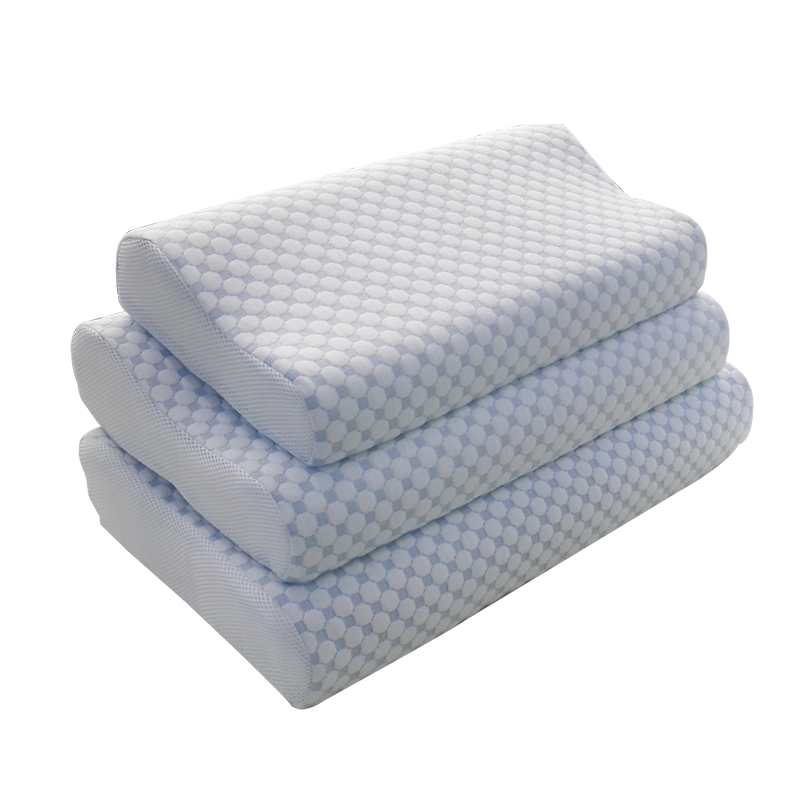
Cleaning Different Types of Memory Foam Products
Not all memory foam is built the same way, and small formulation differences change how a surface responds to cleaning. Gel-infused foam, traditional viscoelastic foam, and copper- or graphite-infused variants all share the same core sensitivity to moisture, but they differ slightly in surface texture and how quickly they release trapped heat and humidity.
Mattresses
A full mattress is the least forgiving surface to clean because it cannot be tipped, rotated freely, or dried from underneath without lifting it off the frame. Working in smaller sections, treating one quadrant at a time rather than the whole surface at once, keeps moisture levels manageable and shortens overall drying time considerably.
Toppers
Toppers are thinner and generally easier to handle since they can be lifted, propped against a wall, or draped over a drying rack outdoors on a low-humidity day. Because they sit directly under a fitted sheet, toppers tend to absorb more surface oil and sweat over time than the mattress beneath them, so they often need spot treatment more frequently even though the mattress itself stays cleaner.
Pillows
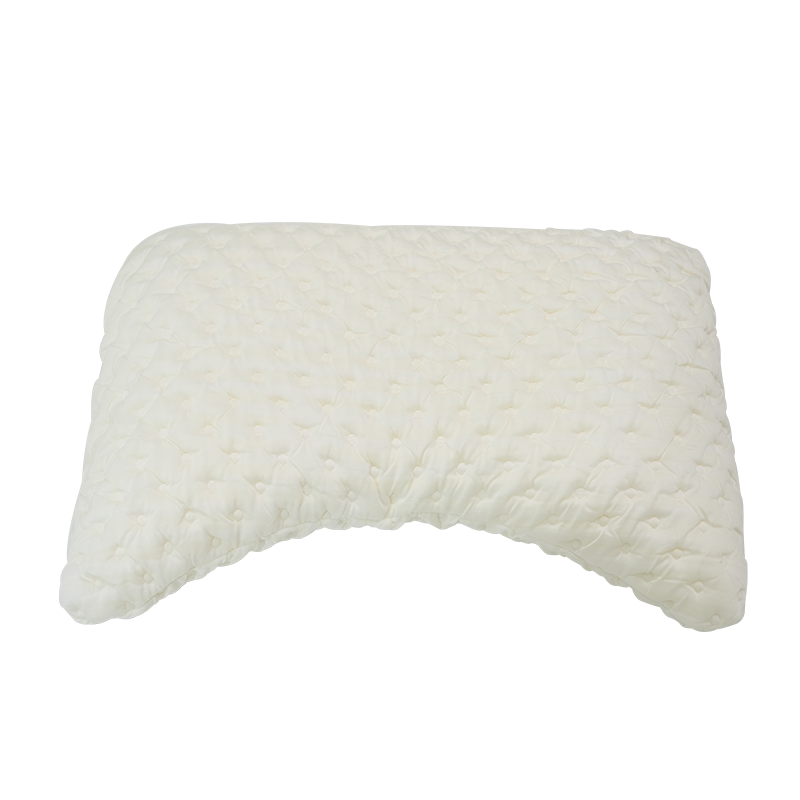
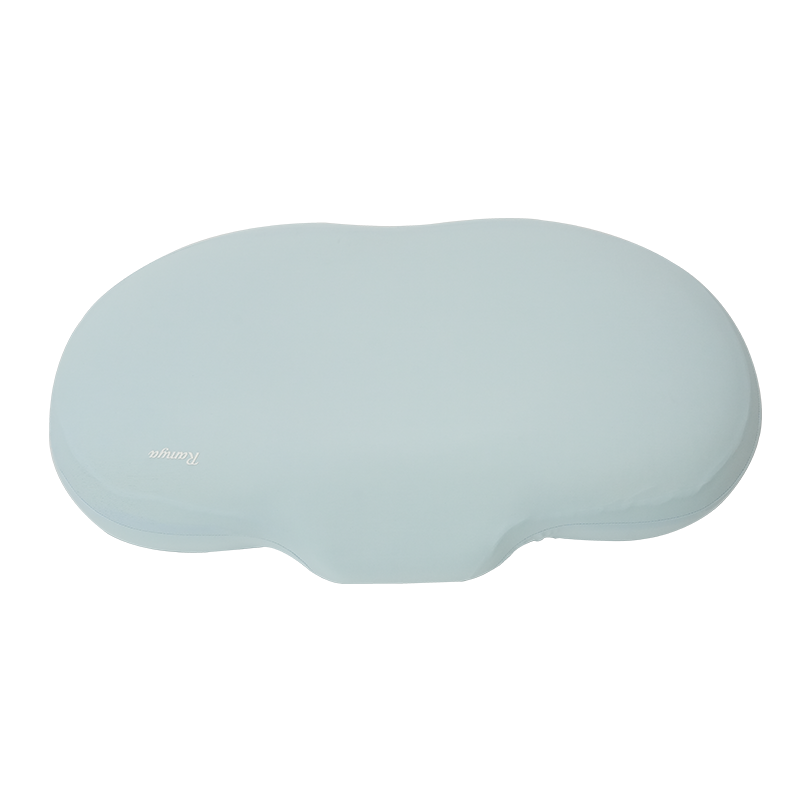
Memory foam pillows, whether solid-core or shredded-fill, should never be fully submerged. Shredded-fill pillows in particular can shift unevenly if soaked, leaving lumps that do not redistribute correctly once dry. Spot treatment on the outer surface, paired with a washable pillow cover, handles the majority of pillow maintenance without ever wetting the fill itself.
Seat Cushions and Smaller Pieces
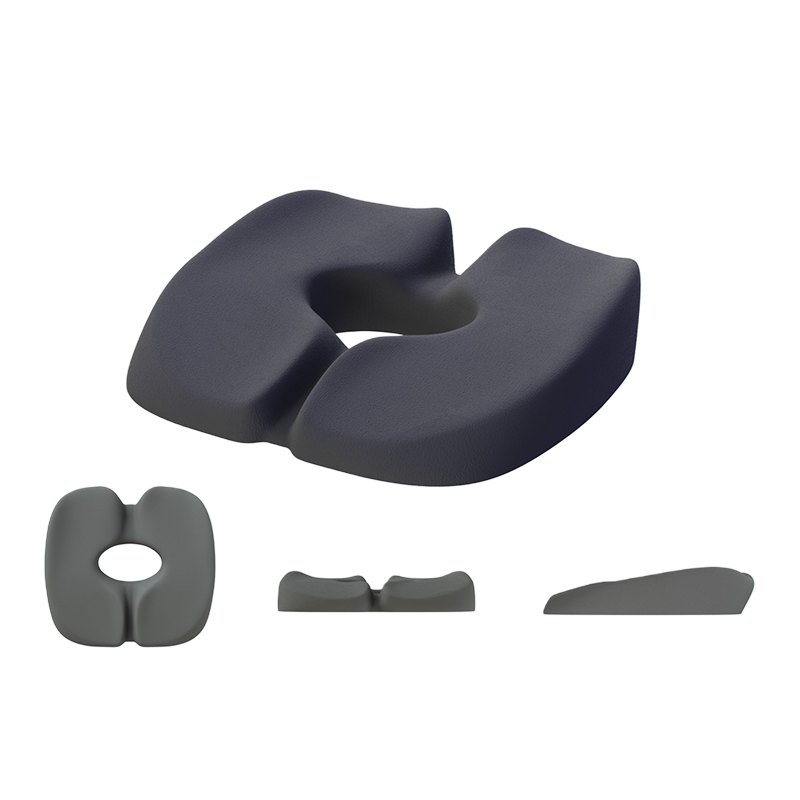
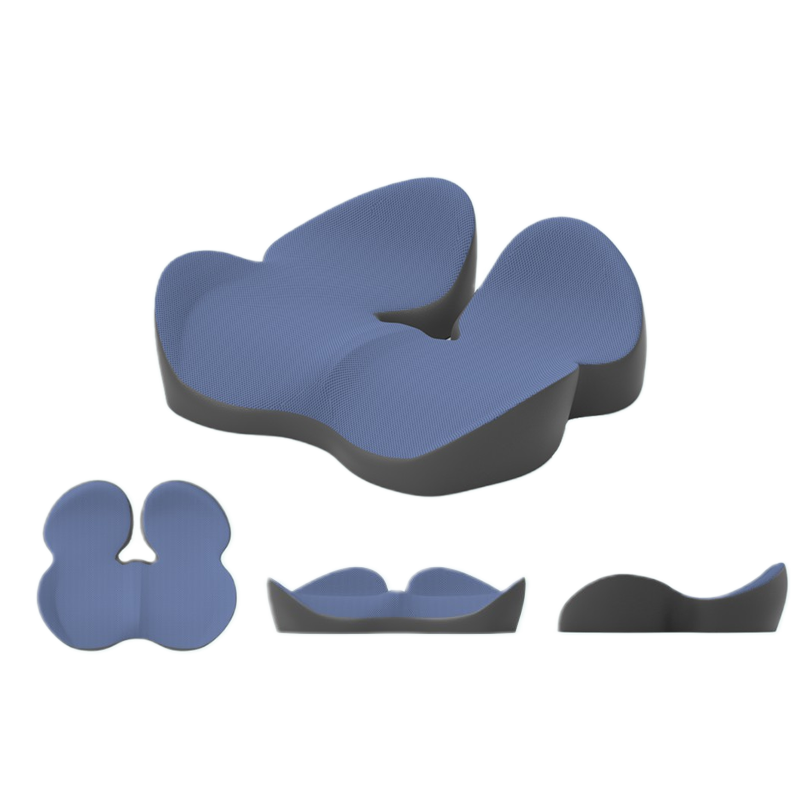
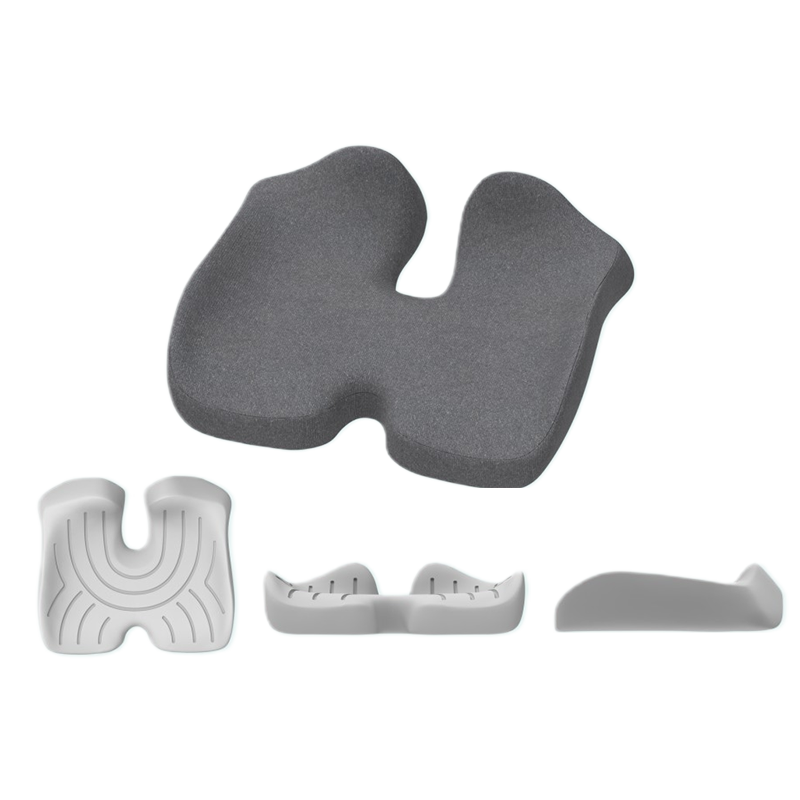
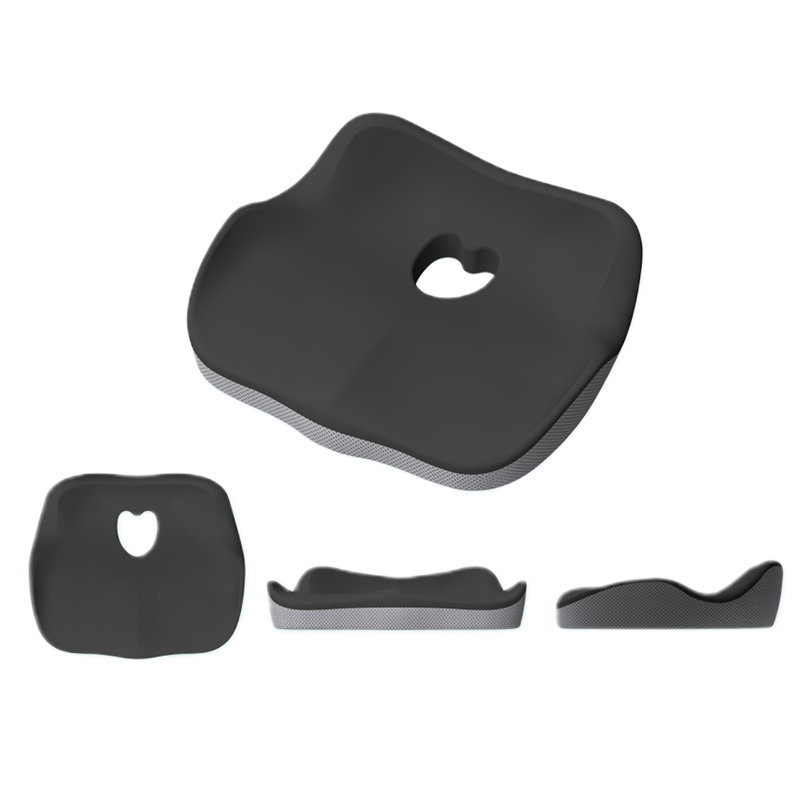
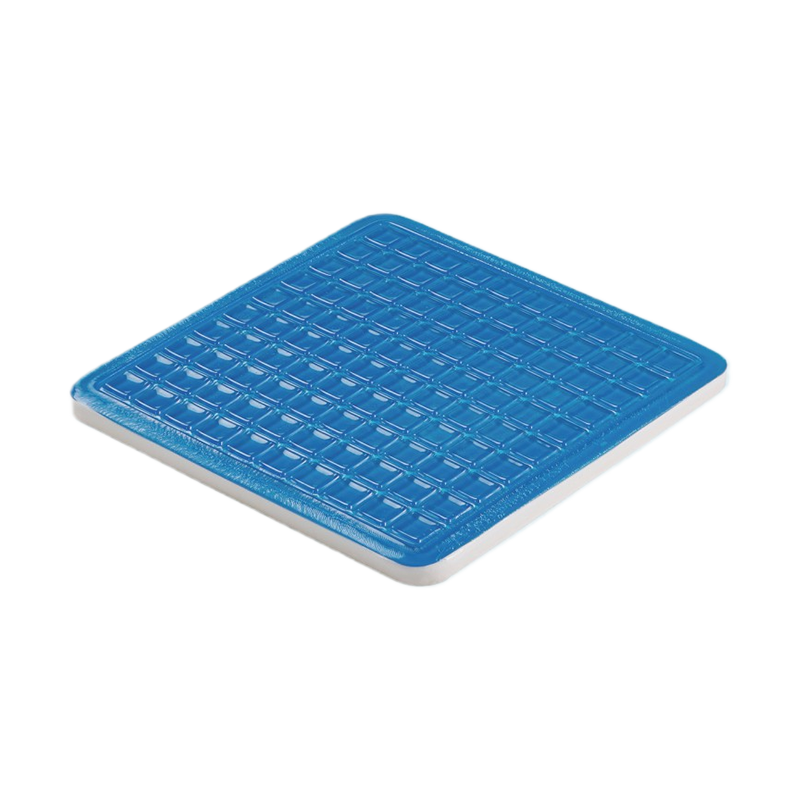
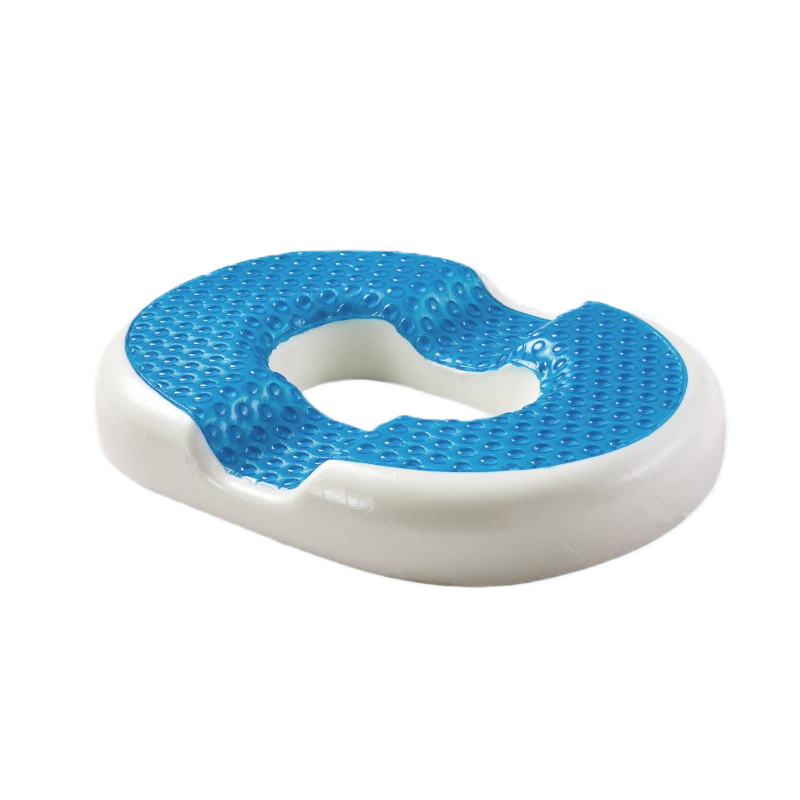
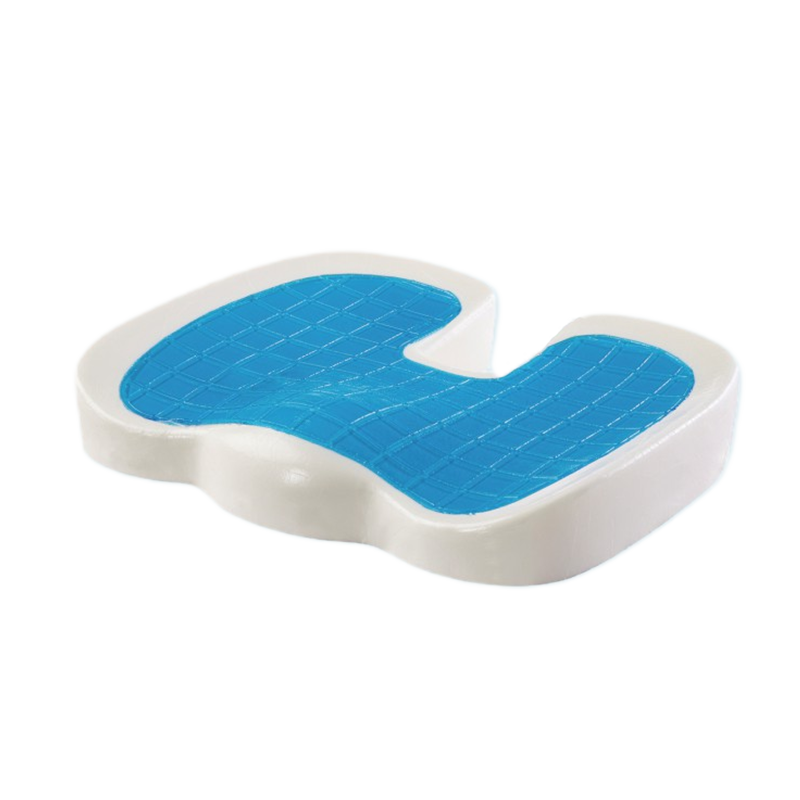
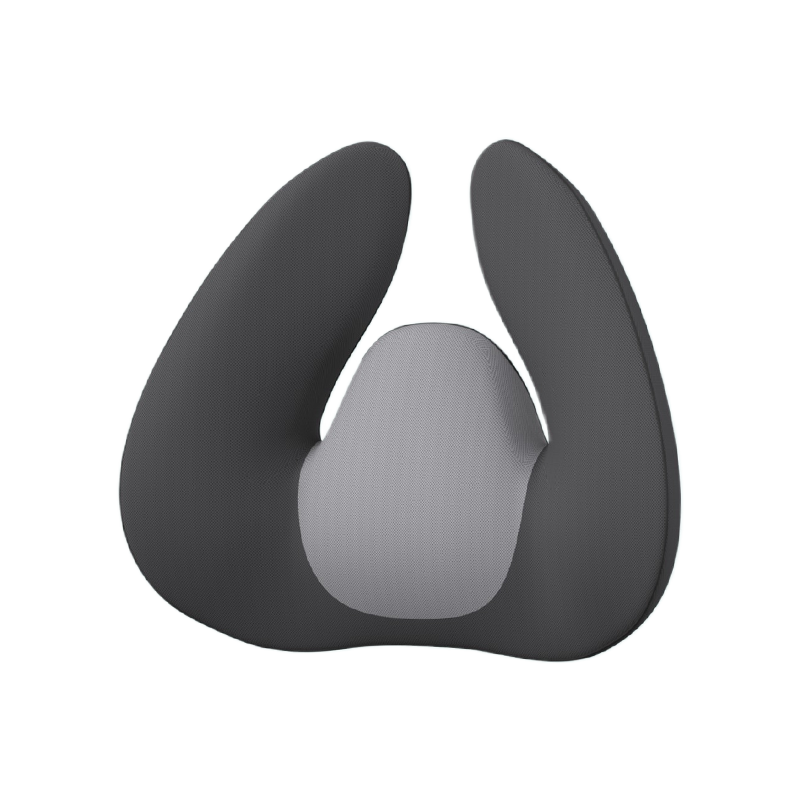
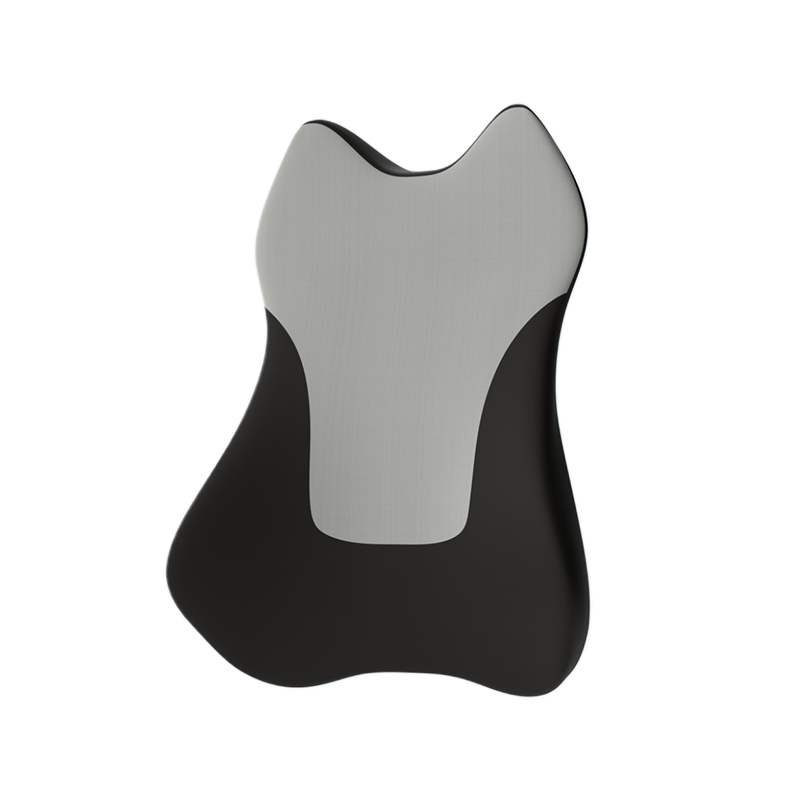
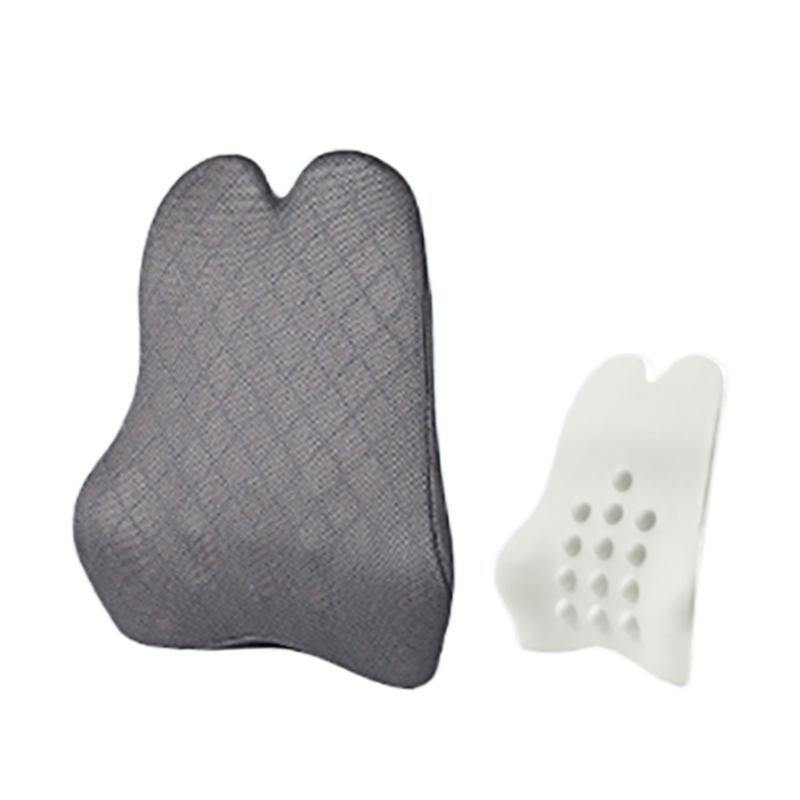
Smaller memory foam pieces used in seat cushions, orthopedic supports, or car seat inserts dry the fastest of any Memory Foam Products because of their reduced thickness, but they are also the most prone to permanent compression marks if cleaned while still under body weight or stacked with other items before fully dry.
Natural Cleaning Solutions Versus Commercial Products
Household staples handle the large majority of memory foam cleaning needs, and many people prefer them specifically because they leave no synthetic fragrance or residue behind on a surface that sits directly against skin for roughly a third of every day.
- Baking soda and water form a mild abrasive paste effective on light surface stains without any risk of discoloration
- White vinegar diluted with water cuts through sweat salts and light mineral deposits and evaporates faster than most commercial sprays
- Castile soap, diluted heavily, works as a gentle all-purpose option for general surface grime
- Lemon juice diluted with water can help lift light discoloration but should be tested on a hidden corner first, since citrus acidity varies by concentration
Commercial upholstery cleaners are not off-limits, but the label matters more than the brand. Anything marketed for delicate upholstery or dry-clean-only fabric is generally safer than an all-purpose carpet cleaner, which is often formulated with stronger surfactants and higher moisture output than foam can safely absorb. Whichever option is chosen, a small hidden-area test, such as the underside near a seam, before treating a visible stain remains the safest way to rule out discoloration or texture changes.
When to Call a Professional Cleaner
Most day-to-day maintenance on memory foam is well within reach of a DIY approach, but certain situations are better handled by a professional upholstery or mattress cleaning service with equipment built specifically for low-moisture extraction.
- Large-scale water damage from a spill, flood, or plumbing leak that has soaked well beyond the surface layer
- Visible mold growth, which should not be brushed or vacuumed without containment since this can spread spores into the surrounding room
- A mattress under an active warranty, where DIY cleaning methods outside the manufacturer's care instructions could affect coverage
- Odor that persists after two or more full deodorizing attempts, which often indicates saturation deep enough that home airflow cannot fully dry it
Professional services typically use low-moisture extraction equipment that pulls both the cleaning solution and the loosened soil back out of the foam almost immediately, rather than leaving it to evaporate on its own, which is the main advantage over most home methods.
Common Mistakes That Damage Memory Foam
Several habits show up repeatedly in situations where a mattress or topper ends up with a permanent odor, a stiff patch, or a moldy interior. Recognizing these ahead of time prevents avoidable damage.
Oversaturating the Surface
Pouring or spraying liquid generously "to be thorough" is the single most common mistake. A light mist that barely dampens the surface fibers is almost always enough; the cleaning happens through the mechanical action of blotting and brushing, not through volume of liquid.
Skipping the Test Patch
Applying a new cleaning solution directly to a visible stain without testing an inconspicuous area first risks a mismatched or bleached patch that stands out more than the original stain did.
Rushing the Drying Stage
Putting sheets back on while the surface still feels even slightly cool or damp to the back of the hand traps residual moisture against the fabric, which is one of the most common causes of a musty smell that returns days later.
Using Undiluted Bleach or Ammonia
Both chemicals are too harsh for the polyurethane structure in memory foam and can cause discoloration, brittleness, or off-gassing that lingers far longer than a normal cleaning odor would.
Climate and Seasonal Considerations
Humidity has more influence over cleaning outcomes than almost any other variable. The same cleaning method that dries fully in five hours during a dry winter afternoon can take twice as long during a humid summer week, and drying time is the factor that determines whether odor returns.
In humid climates or seasons, running a dehumidifier or air conditioner in the room during and after cleaning noticeably shortens drying time by pulling ambient moisture out of the air, which in turn pulls moisture out of the foam faster through evaporation. In dry climates, a simple box fan is usually sufficient on its own. Bedrooms with limited ventilation, particularly those without a window that opens, benefit from treating smaller sections at a time rather than the full surface, since the room itself has less capacity to carry moisture away.
Storing Memory Foam Products Long-Term
Foam that will be stored for weeks or months, whether during a move or a seasonal swap, needs to be completely dry and clean before it goes into storage, since any trapped moisture or residue becomes a mold risk the moment it sits in an enclosed space without airflow.
- Vacuum and, if needed, spot clean and fully dry the piece before storing it under any circumstances
- Store in a breathable cotton or canvas bag rather than sealed plastic, which traps residual humidity against the foam
- Keep stored foam flat rather than folded tightly, since sharp folds held over long periods can create permanent creases
- Choose a climate-controlled space over a garage, attic, or basement where temperature and humidity swings are more extreme
- Avoid stacking heavy items on top of stored foam, which can cause long-term compression that does not fully recover once unpacked
Frequently Asked Questions
Can I put a memory foam mattress topper in the washing machine?
No. The foam core cannot go in a washing machine or dryer under any circumstances, since the tumbling action and prolonged water exposure will break down the cell structure permanently. Only a removable outer cover, if the product has one, is machine washable.
How long does it take for a memory foam bed to fully dry after cleaning?
A small spot treatment typically dries within four to six hours with good airflow. A full-surface deodorizing treatment with baking soda can take 24 hours or more, particularly in humid climates, and the foam should feel completely dry through its depth before bedding goes back on.
Is vinegar safe to use on memory foam?
Diluted white vinegar, mixed roughly equal parts with cool water, is generally considered safe for spot treatment and is effective against sweat and mild odor. It should always be used sparingly and followed by thorough blotting and a baking soda pass, since vinegar alone leaves the surface damp.
Why does my memory foam still smell after cleaning it?
A lingering smell after cleaning usually means either the treatment did not sit long enough for the baking soda to fully absorb the odor compounds, or moisture was left in the foam and is now supporting mild mold or bacterial growth beneath the surface. Repeating the deodorizing pass with longer drying time and stronger airflow typically resolves it; a persistent chemical or musty smell that returns quickly points toward deeper saturation.
Can I use bleach on a memory foam mattress?
Bleach and other harsh chemical cleaners are not recommended. They can break down the foam's cell structure, discolor the material, and leave behind fumes that are difficult to fully air out given how slowly memory foam releases trapped odors.
How often should a memory foam pillow be deep cleaned?
A light surface treatment every one to two months, paired with a washable pillowcase and protector changed weekly, is generally sufficient. A full deodorizing pass with baking soda every three to four months keeps a pillow fresh without excessive handling of the foam.
Can baking soda discolor memory foam?
Plain baking soda does not discolor foam under normal use, since it is a mild, non-reactive powder. Leaving a wet baking soda paste to dry directly on a light-colored foam surface for an extended period can occasionally leave a faint chalky residue, which is why a thorough vacuum pass afterward matters more than the treatment itself.
What should I do if my memory foam mattress gets soaked?
Remove all bedding immediately, blot as much liquid as possible with dry towels, and stand the mattress on its side if the frame allows, so gravity helps pull moisture downward and out rather than letting it settle into the core. Position fans on both sides and expect a full soak to take several days to fully dry; if a musty smell develops before it is dry, professional assessment is the safer next step.
Is it safe to use a wet-dry vacuum on a memory foam mattress?
A wet-dry vacuum used on the low suction setting can help pull excess moisture out after a spill has been blotted, and this is one of the few pieces of home equipment that pulls liquid out rather than pushing more in. It should never be used with its blower or steam function, and the nozzle should stay at least an inch above the surface rather than pressed directly into the foam.
Do memory foam mattress toppers need a separate cleaning routine from the mattress underneath?
Yes. A topper sits in more direct, continuous contact with skin and bedding than the mattress beneath it, so it typically accumulates oil, sweat, and dust mites faster and benefits from lighter, more frequent spot cleaning even though the mattress underneath may need attention far less often.