

 English
 عربى
عربى
Content
- 1 The Fastest Way to Build a Bed Fort That Actually Holds
- 2 What You Actually Need Before You Start
- 3 Step-by-Step: Building the Fort From the Ground Up
- 4 Why Memory Foam Pillows Make Better Fort Walls Than Regular Pillows
- 5 Common Fort Designs and When to Use Each
- 6 How to Keep Your Fort from Collapsing: Structural Tips That Actually Work
- 7 Choosing the Right Pillows for Fort Building
- 8 Making a Bed Fort Work for Different Ages
- 9 Interior Setup Ideas to Make Your Fort More Comfortable
- 10 Frequently Asked Questions
- 10.1 How do you make a fort on your bed without a headboard?
- 10.2 What's the easiest type of fort to build on a bed?
- 10.3 Can you sleep in a bed fort safely?
- 10.4 Why does my fort keep falling down?
- 10.5 What size sheet is best for a bed fort on a twin bed?
- 10.6 Does the type of blanket matter for building a fort?
The Fastest Way to Build a Bed Fort That Actually Holds
Building a fort on your bed is easier than most people think. You don't need special tools, complicated knots, or an engineering degree. The core method is simple: use your pillows as anchor weights along the edges, drape a flat sheet or blanket over them, and tuck the sides under your mattress to lock everything in place. That's the foundation. Everything else — the extra height, the cozy padding, the lighting — is optional layering on top.
This approach works for kids setting up a reading nook, adults building a movie-night hideout, or anyone who wants a low-effort, high-reward cozy space without rearranging the whole room. The entire setup, once you know what you're doing, takes under ten minutes.
What You Actually Need Before You Start
Keeping the supply list short is the secret to a fort you'll actually build instead of just planning. Here's what works well and why:
- Flat sheet or lightweight blanket — a fitted sheet won't span wide enough; a flat sheet gives you the coverage you need. King-size flat sheets are ideal even for twin or full beds because the extra fabric means more draping flexibility.
- Pillows in bulk — standard bed pillows, throw pillows, couch cushions. The more you have, the more structural options you get. Body pillows are especially useful for building long walls along the sides.
- Clips or binder clips — optional, but a pack of large binder clips from any office supply store will extend your fort's life from a few hours to a full weekend without the roof sagging.
- A headboard or wall — the headboard is your best anchor point. If your bed is a platform style without a tall headboard, push the bed against a wall to use that instead.
- String lights or a small flashlight — not structural, but they transform a blanket tent into a genuine atmosphere. Battery-powered LED fairy lights are compact enough to drape along the inside ceiling without adding weight.
One important note on pillows: not all pillows work equally well as structural supports. Flat, deflated pillows won't hold up the roof. Memory foam pillows are significantly better for this than standard polyester fill because they hold their shape under compression rather than squishing flat. A quality memory foam pillow placed along the edge of the bed won't collapse when you drape a blanket over it — it maintains its loft and keeps the ceiling raised. More on this below.
Step-by-Step: Building the Fort From the Ground Up
Follow this sequence and you'll have a standing fort in one go, without needing to rebuild anything mid-process.
Step 1 — Clear and prep the bed surface
Strip off any extra blankets or decorative pillows that aren't part of your build. You want a flat, clean surface to work from. Leave the fitted sheet on — it'll keep things from sliding around. If you're building a fort for a child, this is also the moment to lay a thick comforter or sleeping bag flat on the mattress as the padded floor of the fort.
Step 2 — Set your anchor points
The headboard anchors the top of your canopy. Drape one end of your flat sheet over the top of the headboard and let it hang down toward you on the inside of the bed. This creates the back wall and part of the ceiling in one move. If you don't have a headboard, use two tall dining chairs placed at the corners of the head of the bed instead — the sheet drapes between them.
Step 3 — Build the pillow walls
Line the two long sides of the bed with pillows stacked on their edges. This is where pillow quality matters most. Stack at least two pillows high on each side to get enough height for the roof to clear your head when you're sitting inside. A standard king-size memory foam pillow is roughly 36 inches wide and holds a consistent height of 4–6 inches even when weight is applied from above — making it far more reliable as a wall anchor than a soft fiber-fill pillow that compresses to half that height under the blanket's weight.
Step 4 — Drape the roof
Pull the flat sheet forward over the tops of your pillow walls and let the foot end hang down toward the foot of the bed. Adjust the tension so there's a gentle dome rather than a tight flat ceiling — a slight arch is structurally stronger and more comfortable inside. Avoid pulling the sheet too taut; loose draping allows slight movement without collapsing.
Step 5 — Secure the edges
Tuck the side overhang of the sheet under the mattress on both sides. This locks the walls in place. For the foot end, either tuck it under the mattress as well to close the fort completely, or fold it back to leave a doorway opening. Clip any loose corners with binder clips where the sheet meets the headboard or pillow stacks.
Step 6 — Add the interior setup
Now that the structure is done, fill the inside. String lights along the interior ceiling edges. Arrange remaining pillows for comfort against the back wall. Bring in any books, tablets, snacks, or blankets you want to have inside. The fort is functional once the structure holds — everything else is personal preference.
Why Memory Foam Pillows Make Better Fort Walls Than Regular Pillows
This is one of those practical details that most fort-building guides skip over. The type of pillow you use as a wall support directly affects whether your fort stays up for two hours or falls apart in twenty minutes.
Standard polyester fiberfill pillows compress significantly under the weight of a draped blanket. In tests, a regular bed pillow can lose up to 40–50% of its loft when a medium-weight blanket is placed over it — which means your ceiling drops, the sheet tightens, the structure loses tension, and eventually the whole thing sags inward.
A solid memory foam pillow, by contrast, maintains its shape under that same blanket load. The viscoelastic material responds to pressure by distributing it evenly rather than collapsing. This means:
- The ceiling height stays consistent from the moment you build the fort to hours later
- The sheet tension stays even, which prevents bunching or drooping on one side
- You can actually lean against the pillow wall from inside without it immediately collapsing
- If you want to sleep inside the fort, the wall doubles as a proper sleeping pillow — comfortable enough to actually use, not just to stack
Shredded memory foam pillows — the kind filled with loose memory foam pieces rather than one solid block — offer a middle ground. They're adjustable in loft and slightly softer, but they compress more than solid foam. For fort walls, a solid contour memory foam pillow or a high-density block foam pillow gives the most stable results.
If you're building the fort primarily for sleeping inside, the wall pillows do double duty: structural support while building, sleeping pillows once you're settled in. Memory foam holds up well to this dual use because it recovers its shape after compression within a few minutes of the weight being removed.
Common Fort Designs and When to Use Each
Not every bed fort uses the same layout. The right design depends on your bed size, how many people are using it, and what you plan to do inside.
| Design Type | Best For | Pillow Use | Stability |
|---|---|---|---|
| Headboard Canopy | Single person, reading or movie nights | Side walls only | High |
| Full Enclosed Tent | Sleeping inside, full privacy | All four sides | High (with clips) |
| Open-Front Nook | Kids playing, easy in/out access | Back and sides | Medium |
| Chair-Extension Fort | Expanding space beyond the bed | Minimal (chairs anchor) | Medium |
| Bunk Bed Cave | Lower bunk privacy | Front curtain only | Very High |
The headboard canopy is the go-to for first-timers because it requires the fewest materials and builds the fastest. The full enclosed tent takes more pillows and at least four clips, but it creates the most immersive experience and works well for overnight use.
How to Keep Your Fort from Collapsing: Structural Tips That Actually Work
The biggest reason bed forts fail isn't the design — it's the execution of a few key connection points. Here's what separates a fort that lasts all day from one that caves in after an hour:
Use weight, not tension, as your primary anchor
Pulling a sheet tightly over pillars feels stable at first but actually creates more collapse risk. When the sheet is under high tension, any slight shift of a pillow causes the whole system to pull in one direction and topple. Instead, drape with slack in the fabric and use heavy books, water bottles, or additional pillows as weights along the perimeter to hold the sheet down by gravity rather than tension.
Stagger your pillow stacks rather than piling straight up
If you stack two pillows directly on top of each other vertically, they'll tip easily. Instead, lay the bottom pillow flat on the bed, leaning against the mattress edge, and place the second pillow on its edge behind the first. The front pillow catches the sheet overhang and tucks under it; the back pillow braces the first. This interlocking stack is more resistant to sideways collapse than a straight vertical tower.
Clip the sheet to the headboard at two points, not one
A single center clip allows the two sides of the draped sheet to slide inward over time. Two clips placed at each upper corner of the headboard — roughly 12–18 inches apart — prevent that lateral slide and keep the roof profile even.
Don't skip the mattress tuck
The most underrated stability move is tucking the sheet sides under the mattress firmly. Pull the sheet over the side pillow wall so the overhang reaches down to the mattress level, then press it under the mattress edge with your palm. At least 3–4 inches of fabric should be tucked under the mattress on each side. Shallow tucks pull free too easily.
Use a heavier outer blanket as the roof rather than a thin sheet
Counter-intuitively, a slightly heavier blanket makes a more stable fort roof than a very lightweight sheet. The weight helps the blanket drape more smoothly and stay in place over pillow edges rather than sliding off. A medium-weight fleece throw (typically 300–400 GSM) is a good balance — heavy enough to stay put, light enough not to collapse the pillow supports.
Choosing the Right Pillows for Fort Building
Since pillows do most of the structural work in a bed fort, it's worth understanding what separates a good fort pillow from a poor one. Fill type is the single biggest variable.
Memory foam pillows
Memory foam pillows — particularly solid-block and contour styles — are the most reliable fort support pillows. The material doesn't shift, compress unevenly, or lose its shape during use. A solid memory foam pillow retains approximately 90–95% of its original loft even under a blanket draping over it, compared to polyester fill which typically retains 50–60% under equivalent load. For anyone who builds forts frequently or wants to sleep inside them, investing in a quality memory foam pillow pays off in structural stability every time.
Shredded memory foam pillows are adjustable and soft, but the loose fill can migrate during a build, causing one side to be firmer than the other. They work, but require occasional refluffing to maintain even height across the wall.
Latex pillows
Latex pillows are a close second to solid memory foam for structural use. They're naturally springier and compress less under load than foam, but they're heavier — which can actually be an advantage when you're using them as anchors rather than supports. A single latex pillow can serve as a stable corner anchor.
Down and down-alternative pillows
Down pillows are beautiful for sleeping but poor for fort walls. They compress dramatically under pressure and don't recover their shape until shaken out. Down-alternative pillows (polyester microfiber) perform slightly better but still flatten significantly. Use these for interior comfort — floor padding, lumbar support — rather than structural walls.
Body pillows
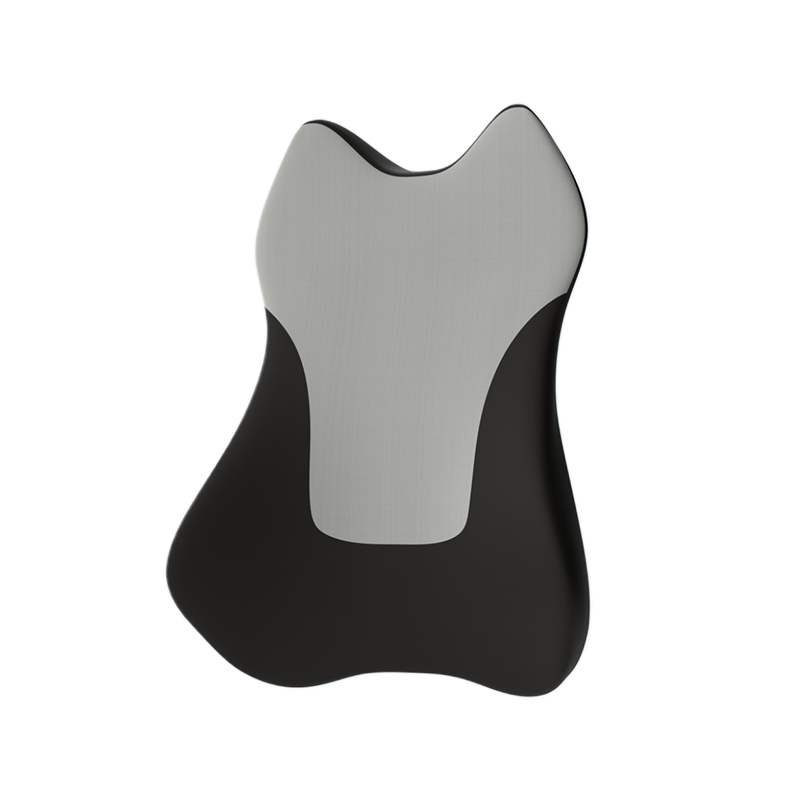
A memory foam body pillow is one of the most useful single items for fort building. At 48–54 inches long, a single body pillow covers the entire length of one side of a twin or full bed. Instead of stacking and aligning multiple smaller pillows, one body pillow forms the entire wall in a single placement. A memory foam fill body pillow is ideal — it keeps the side wall at consistent height along its entire length without dipping in the middle where shorter pillows would leave a gap.
Making a Bed Fort Work for Different Ages
The basic structure is the same across age groups, but the specific setup priorities shift depending on who's using it.
For young children (ages 3–8)
Safety is the priority. Keep the roof low — no higher than about 2 feet from the mattress surface — so there's no height to fall from. Avoid clips or any small hardware parts at floor level. Use a heavier blanket or comforter rather than a lightweight sheet because kids tend to grab and pull at the walls when entering and exiting, and heavier fabric resists this better. Line the floor with extra cushioning. A memory foam topper, a thick sleeping bag, or several folded blankets make the interior much safer for energetic kids.
For older kids and teenagers
This age group benefits most from the enclosed design with an open-front doorway. They're typically using the fort for screen time, gaming, or reading, so internal comfort — enough headroom to sit up, proper pillow support for leaning back — matters more than just structural stability. Build the walls higher by using two or three pillows stacked in alternating orientations, and consider a second blanket layer on the roof for sound dampening and added visual privacy.
For adults
Adult bed forts are usually about creating sensory comfort — darkness, warmth, physical coziness. The design priorities shift toward blackout coverage (layering a dark blanket over a lighter sheet), proper neck and back support for the duration you're inside, and a setup sturdy enough to last overnight without requiring rebuilding. This is where the memory foam pillow advantage is most pronounced: if you're sleeping inside the fort, you need your wall pillows to still function as proper sleep pillows — which standard decorative pillows won't do adequately.
Interior Setup Ideas to Make Your Fort More Comfortable
Once the structure is solid, these additions significantly improve the experience inside without complicating the build:
- LED fairy lights — drape them along the inside perimeter where the roof meets the walls. Warm white (2700–3000K) creates the coziest atmosphere. Battery-operated strands with a timer function are the most convenient option.
- A small tray or lap desk — place near the entrance for drinks, snacks, or devices. Trays with folding legs work well on an uneven mattress surface.
- Additional pillows for back support — position a firm pillow against the headboard wall as a backrest. A memory foam lumbar pillow adds proper lower back support for extended stays inside the fort.
- A soft rug or blanket floor layer — if the mattress is firm, adding a folded fleece blanket or a travel sleeping pad as the floor surface makes sitting for long periods much more comfortable.
- A small Bluetooth speaker — tuck one in the corner of the fort. The enclosed space creates a surprisingly good acoustic environment, and even a small speaker sounds fuller inside a fabric fort than in an open room.
- A book organizer or magazine pocket — fabric door pockets hang easily from the pillow walls without any attachment hardware and keep reading materials within arm's reach.
Frequently Asked Questions
How do you make a fort on your bed without a headboard?
Push the bed flush against a wall and use the wall as your primary anchor point. Drape the sheet from the top of the wall (secured with removable adhesive hooks or tucked between the mattress and wall) over the pillow walls on each side of the bed. Alternatively, two tall dining chairs placed at the corners of the bed's head-end work well as substitute anchor points.
What's the easiest type of fort to build on a bed?
The headboard canopy is the easiest and fastest — drape one sheet from the headboard, let it fall forward over a pillow wall on each side, and tuck the edges. Done in under five minutes with no clips needed.
Can you sleep in a bed fort safely?
Yes, for most people. The key consideration is ventilation — a tightly enclosed fort made with thick blankets can get warm and humid inside. Leave a small opening at the foot or side for airflow, or use a lightweight breathable sheet as the roof rather than a thick blanket. For children, always ensure there's adequate airflow and that no part of the structure can fall and cover their face during sleep.
Why does my fort keep falling down?
The most common causes are: pillows that compress too easily under the blanket weight, insufficient sheet tucked under the mattress, or a sheet draped too tightly (creating pulling tension instead of stable draping weight). Switching to firmer pillows — particularly memory foam — and tucking at least 3–4 inches of sheet under the mattress on each side solves most collapse problems.
What size sheet is best for a bed fort on a twin bed?
Use a queen or king flat sheet even on a twin bed. The extra width and length give you enough fabric to drape from the headboard anchor all the way to the foot of the bed, cover the pillow walls on both sides with overhang, and still have enough material to tuck securely under the mattress without the sheet pulling taut.
Does the type of blanket matter for building a fort?
Yes — medium-weight fleece throws (around 300–400 GSM) are the most practical fort roof material. They're heavy enough to stay in place over pillow edges without needing clips, but light enough not to compress the pillow supports. Very thin sheets slide easily and require more clipping. Very heavy comforters can collapse soft pillow walls, especially if the pillows don't have firm fill like memory foam.